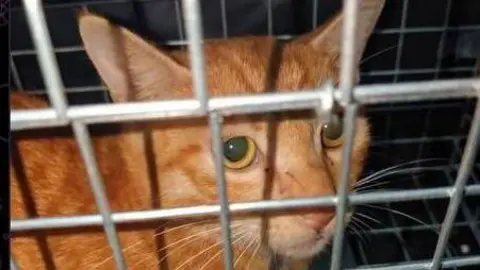
Have you ever wondered how long cats can survive in a kill shelter? It’s a tough question, but one that matters if you care about animal welfare.
Knowing the truth can help you understand the urgency and importance of acting quickly—whether it’s adopting, fostering, or spreading awareness. You’ll discover the realities these cats face every day, and what you can do to make a difference before time runs out.
Keep reading to learn more about how you can be part of the solution.
Life Expectancy In Kill Shelters
Life expectancy for cats in kill shelters is often very short. These shelters must manage many animals with limited space and resources. The time a cat survives depends on shelter policies and circumstances. Understanding this helps raise awareness about their plight.
Average Survival Time
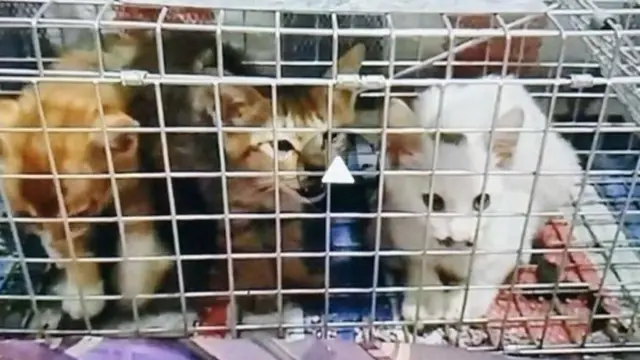
Most cats in kill shelters survive only a few days to two weeks. Some shelters give a fixed time, like 3 to 5 days. Others may allow longer stays if space permits. Survival time varies widely across different facilities.
Many cats face euthanasia quickly due to overcrowding. Healthy cats may live longer than those with illnesses or injuries. The average survival time remains sadly brief in most kill shelters.
Factors Affecting Longevity
- Shelter Capacity:Overcrowded shelters have less time for each cat.
- Health Condition:Sick or injured cats have shorter stays.
- Behavior:Friendly cats may be adopted faster and survive longer.
- Local Laws:Some places require shelters to hold animals longer.
- Adoption Rates:Higher adoption lowers euthanasia and extends survival.
Awareness and community support can improve survival chances. Every effort counts to save these cats from early death.
Credit: www.bbc.com
Common Reasons For Euthanasia
Euthanasia often happens due to illness, injury, or lack of space in shelters. Cats in kill shelters may survive only days or weeks without adoption. Shelters face tough choices when caring for many animals in limited areas.
Understanding the common reasons for euthanasia in kill shelters can be heartbreaking yet necessary. Shelters often face tough decisions due to factors beyond their control. Recognizing these challenges can help you empathize with the plight of these animals and motivate change.Overcrowding Issues
Kill shelters frequently face severe overcrowding. Many facilities operate with limited space and resources, making it impossible to accommodate the influx of stray and surrendered cats. When the numbers grow beyond capacity, hard choices are made. As a volunteer at a local shelter, I witnessed the emotional toll this takes on staff. It’s a stark reminder of the importance of spaying and neutering pets to help reduce shelter populations.Health And Behavioral Concerns
Cats with severe health problems or aggressive behavior are often prioritized for euthanasia. Shelters may lack the funding to provide necessary medical care or behavioral training. A cat that I once fostered was returned to the shelter due to aggressive tendencies, which ultimately sealed its fate. It’s a harsh reality that highlights the need for more community support and resources for shelters. Have you ever considered how your actions might help reduce these numbers? Adopting, fostering, or even donating can make a difference. Each small effort contributes to a larger solution.Shelter Policies And Practices
Shelter policies and practices play a crucial role in determining how long cats survive in kill shelters. These rules influence everything from daily care to how quickly animals are moved through the system. Understanding these policies can help you see why some cats have less time and what you can do to help.
Adoption Procedures
Adoption procedures vary widely between shelters, affecting the chances of a cat finding a new home. Some shelters require extensive applications, interviews, and home visits, which can slow down the adoption process. Others streamline these steps, making it easier and faster for cats to leave the shelter.
If you’ve ever adopted a pet, you know the feeling when you finally bring them home. But imagine if that process took weeks or months—how many cats wouldn’t survive that long? Shelters with quicker, more flexible adoption procedures often save more lives by reducing the time cats spend confined.
- Some shelters offer same-day adoption to increase turnover and save more animals.
- Others require waiting periods to ensure the adopter is committed, which can be a double-edged sword.
- Volunteer-run adoption events can boost visibility and speed up adoptions dramatically.
No-kill Vs Kill Shelters
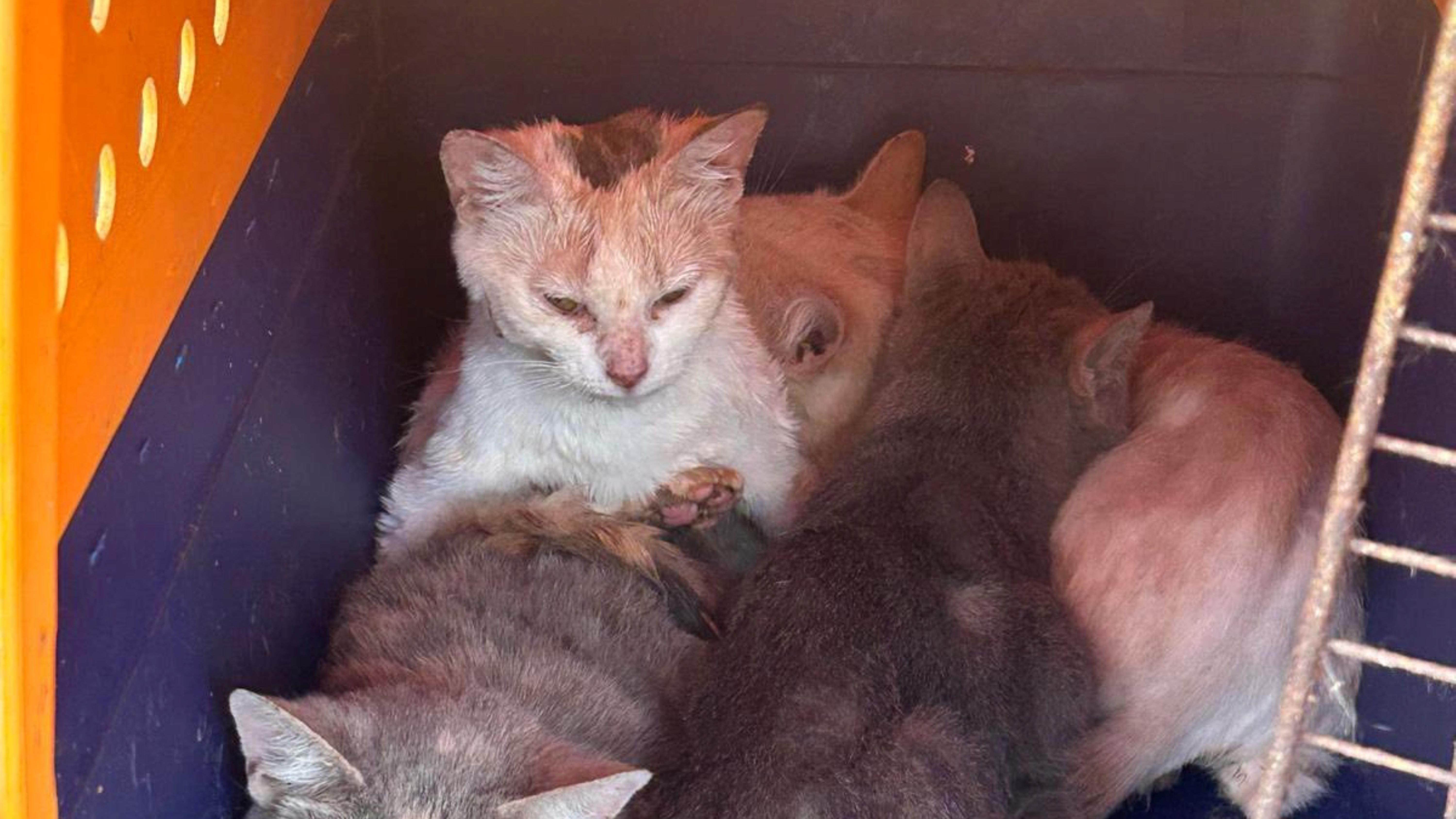
No-kill shelters commit to keeping animals alive until they find a home or suitable alternative. Kill shelters, however, have limited resources and space, leading to euthanasia when capacity is reached.
Have you ever wondered why some shelters report higher survival rates? No-kill shelters prioritize rehabilitation and long-term care, sometimes partnering with rescues to expand space. Kill shelters face tough choices daily due to overcrowding and limited funding.
| Aspect | No-Kill Shelter | Kill Shelter |
|---|---|---|
| Survival Time | Indefinite until adoption or transfer | Days to weeks based on capacity |
| Adoption Focus | Intensive care and marketing | Quick turnover and space management |
| Challenges | Resource-heavy, reliant on donations | High euthanasia rates due to space |
What if more shelters adopted no-kill policies? Could we save more cats together? Your support, whether adopting or donating, directly impacts these policies and the lives of countless animals waiting for a second chance.
Credit: www.bbc.com
Impact On Cat Welfare
The impact of a kill shelter environment on cat welfare is profound and often devastating. Cats facing uncertain survival times endure not only physical challenges but also deep emotional turmoil. Understanding these effects helps you appreciate why every moment counts for these vulnerable animals.
Stress And Health Decline
Stress in kill shelters can trigger rapid health decline in cats. The constant noise, unfamiliar smells, and confinement create an overwhelming environment. Cats may stop eating, lose weight, or develop infections due to a weakened immune system.
Have you noticed how your own stress affects your body? Imagine living in that state without a safe space to relax. Even minor illnesses can worsen quickly when a cat is under such pressure.
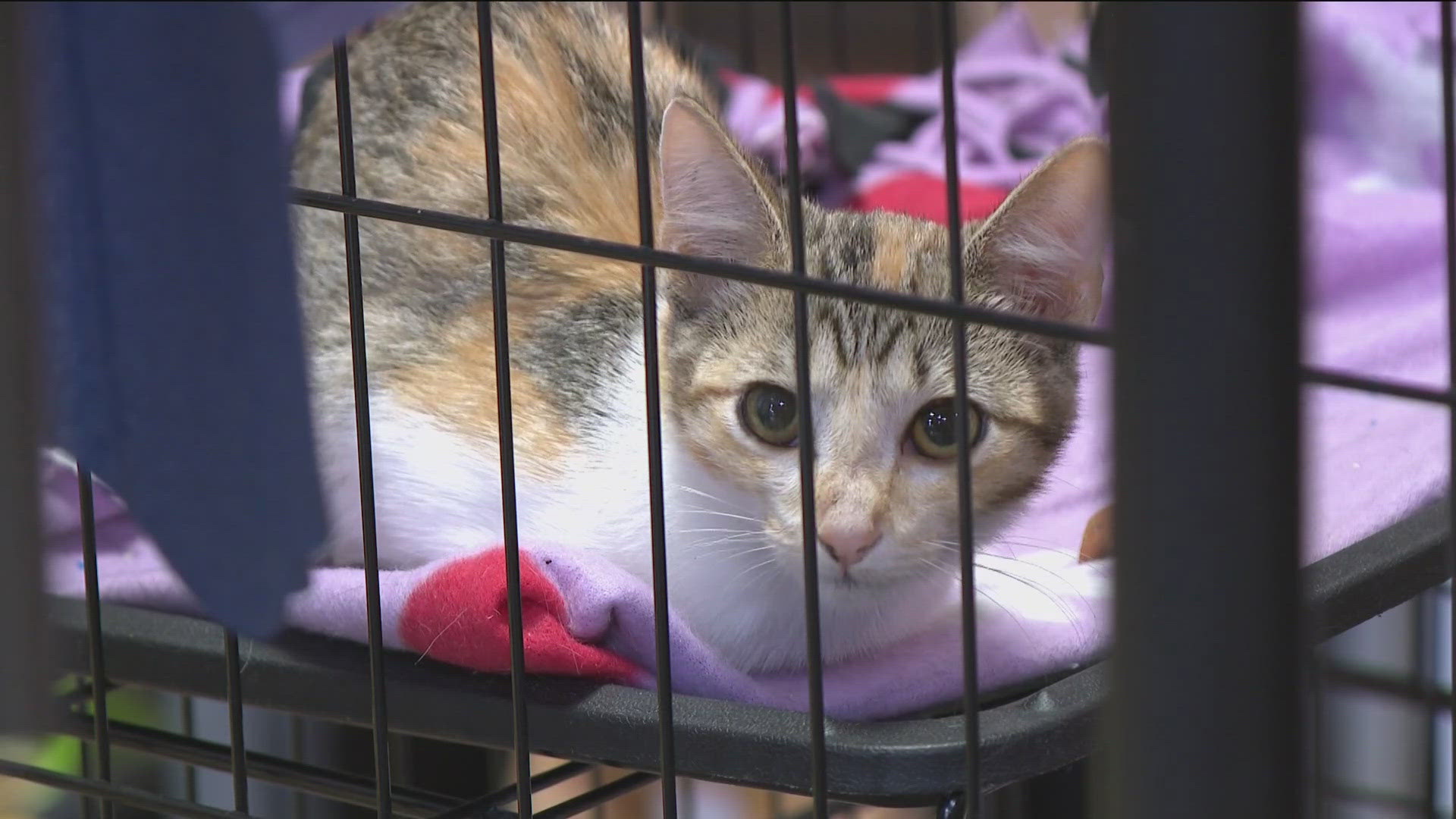
Simple actions like providing soft bedding or quiet corners can make a significant difference. These small comforts help reduce stress and support better health during their stay.
Psychological Effects
Beyond physical health, kill shelters impact cats’ mental well-being deeply. Many develop anxiety, depression, or learned helplessness after days or weeks of isolation. These effects can last even if the cat is rescued later.
Your interaction matters more than you might think. Gentle handling and positive social experiences can help counteract the damage. Cats that receive attention and playtime often regain confidence and show more adoptable behaviors.
What if you could be the reason a scared cat starts trusting again? Your involvement could change their entire outlook on life.
Ways To Improve Survival Rates
Improving survival rates for cats in kill shelters requires community action and smart programs. Shelters face many challenges, but people working together can make a big difference. Small efforts add up to save more lives and give cats a better chance.
Community Involvement
Local communities play a key role in helping shelter cats survive. Volunteers can help by:
- Walking cats and providing social time
- Donating food, toys, and supplies
- Spreading awareness about shelter needs
- Organizing adoption events
More hands and voices bring attention and care. This support reduces stress for cats and improves their health. Communities also encourage adoption, freeing space for more animals.
Foster Care Programs
Foster homes offer cats a safe, calm place outside shelters. Benefits include:
- Individual care and attention
- Reduced risk of illness from shelter crowding
- Better socialization and behavior
- Increased chances of adoption
Foster families help cats grow healthy and happy. This support eases shelter overcrowding and saves more lives.
Spay And Neuter Initiatives
Controlling cat populations lowers shelter intake. Spay and neuter programs work by:
- Preventing unwanted litters
- Reducing stray cat numbers
- Decreasing shelter overcrowding
- Improving overall cat health
Fewer cats in shelters mean better care and higher survival rates. These programs protect cats and communities alike.
Credit: www.5newsonline.com
How To Help Cats In Kill Shelters
Helping cats in kill shelters can save many lives. These shelters have limited time and space. Cats often face a short stay before decisions are made. Your support can make a big difference. There are several ways to help these cats survive and find homes.
Volunteering Opportunities
Volunteering at a kill shelter gives cats extra care and attention. Volunteers feed, clean, and play with the cats. This reduces stress and improves their health. Some shelters need help with socializing shy cats. Time spent with cats helps them become more adoptable. Volunteers also assist with daily shelter tasks. This support keeps the shelter running smoothly.
Donations And Fundraising
Donations provide funds for food, medicine, and shelter supplies. Money helps shelters buy vaccines and pay vet bills. Fundraising events raise awareness and funds for shelter needs. Items like blankets, toys, and litter are always needed. Every small contribution helps improve cats’ chances. Organizing fundraisers in your community spreads support for these animals.
Promoting Adoption
Promoting adoption helps cats leave shelters faster. Share shelter cat profiles on social media and with friends. Organize or attend adoption events to meet potential adopters. Educate people about the benefits of adopting shelter cats. Encourage responsible pet ownership to reduce future shelter intakes. Finding homes for cats saves lives and opens space for others.
Frequently Asked Questions
How Long Do Cats Survive In A Kill Shelter?
Cats typically survive 3 to 7 days in a kill shelter. This short period depends on shelter policies and available space. Urgent adoption or rescue can extend their survival chances significantly.
What Factors Affect Cats’ Survival Time In Shelters?
Survival time depends on shelter capacity, cat health, and adoption rates. Overcrowding and limited resources shorten survival. Healthier cats often get adopted faster, increasing their chances.
Can Cats Be Saved From Kill Shelters?
Yes, cats can be saved through adoption, rescue groups, or foster care. Prompt action by volunteers and adopters is crucial to prevent euthanasia.
Why Are Some Shelters Called Kill Shelters?
Kill shelters euthanize animals due to overcrowding or illness. They lack resources to keep all animals indefinitely, leading to time limits on stays.
Conclusion
Cats in kill shelters often face limited time to find homes. Shelters have rules that set how long a cat can stay. Many cats live only a few days to weeks there. This short time makes quick action very important.
People adopting or rescuing cats can save many lives. Awareness and kindness help reduce the number of cats at risk. Every effort counts in giving these cats a second chance. Remember, time is critical for cats in kill shelters. Act fast to help them find safe, loving homes.