Have you ever stopped to think about why shelter is so important for your survival? It’s more than just a place to rest.
Your shelter protects you from harsh weather, keeps you safe from danger, and helps maintain your health. Without it, your body struggles to stay warm or cool, and your chances of staying healthy drop fast. Understanding why you need shelter can change the way you prepare for life’s challenges.
Keep reading to discover the vital reasons shelter is not just a comfort—it’s a necessity for your survival.
Protection From Elements
Shelter plays a key role in protecting us from nature’s powerful forces. It offers a safe space that blocks out harmful conditions. This protection helps keep us healthy and alive in tough environments. Understanding how shelter shields us reveals why it is essential for survival.
Shield Against Weather
Shelter stops rain, snow, and wind from reaching the body. It keeps you dry and prevents illnesses caused by wet clothes. Strong winds lose power once blocked by walls or natural barriers. Without shelter, exposure to storms can lead to dangerous situations.
Temperature Regulation
Shelter maintains a stable temperature inside. It traps heat in cold weather to keep you warm. It also provides shade and airflow to cool you in hot weather. This balance reduces the risk of hypothermia or heatstroke. Proper shelter helps the body stay comfortable and safe.
Defense From Natural Hazards
Shelters protect against falling debris, insects, and wild animals. They form a barrier that limits direct contact with dangers outside. Shelters also reduce exposure to harmful UV rays from the sun. Staying inside a secure shelter lowers the chance of injury or infection.

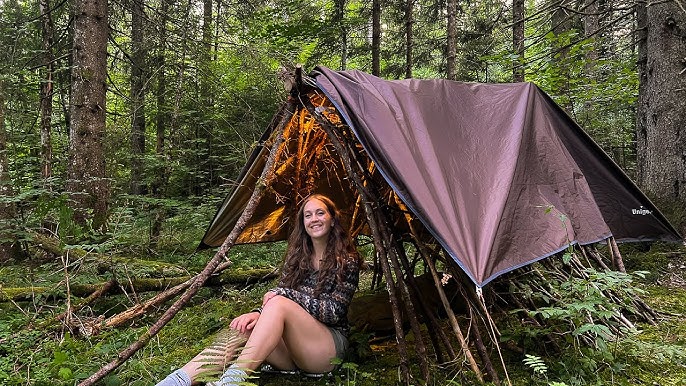
Credit: sgtknots.com
Safety And Security
Safety and security are the cornerstone reasons why shelter is essential for survival. Without a secure place to retreat to, you expose yourself to numerous dangers that can threaten your well-being. A good shelter acts as your personal fortress, providing protection from external threats and creating a controlled environment where you can recover and plan your next move.
Guarding Against Predators
Your shelter is the first line of defense against wild animals and other threats. It creates a physical barrier that can keep predators at a safe distance, especially during the night when visibility is low. Imagine being in the wilderness without a shelter—you would constantly have to stay alert, which drains your energy and increases stress.
Even simple measures like raising your shelter off the ground or using natural deterrents can reduce the chances of unwanted visitors. Do you know how a few branches or stones placed strategically can make your shelter less inviting to animals?
Preventing Injuries
Exposure to harsh weather and rough terrain increases your risk of injury. A sturdy shelter shields you from elements like wind, rain, and extreme temperatures that can cause hypothermia or heatstroke. It also prevents accidents like cuts, scrapes, or falls by providing a stable and clear space to move around.
Think about how much safer you feel indoors, where the environment is controlled and hazards are minimized. Your shelter can recreate that sense of safety, even in the wild.
Secure Storage For Belongings
Keeping your essential items safe and dry is vital for survival. A secure shelter allows you to store food, tools, and personal belongings without worrying about theft or damage. This means you can maintain your supplies longer and access them easily when needed.
Have you ever lost something important because you didn’t have a safe place to keep it? A good shelter solves that problem, giving you peace of mind and more control over your resources.
Health And Well-being
Shelter protects the body from harsh weather and keeps you safe from illness. It provides a secure place to rest and stay warm. Without shelter, staying healthy becomes very difficult.
Shelter plays a crucial role in enhancing your health and well-being. It provides a safe haven where you can nurture your physical and mental health. By offering protection from the elements and a private space to unwind, a shelter significantly contributes to your overall quality of life.Reducing Exposure To Illness
A shelter acts as a barrier against harsh weather conditions like rain, snow, and extreme temperatures. This protection is vital in preventing illnesses such as colds, flu, and heatstroke. Picture having a cozy room to retreat to during a winter storm; it’s not just comforting but essential for staying healthy. A shelter also minimizes your exposure to environmental pollutants. Dust, smoke, and other airborne particles can be harmful when inhaled over time. By closing the door and windows, you create a cleaner, safer indoor environment.Promoting Rest And Recovery
Quality sleep is a cornerstone of good health, and a quiet, comfortable shelter is key to achieving it. Imagine trying to sleep in a noisy, crowded place versus your own peaceful bedroom. A dedicated space for rest helps you recharge and face each day with energy. When you’re sick or injured, your recovery speeds up in a safe and comfortable environment. Your body can focus on healing rather than defending against external threats. This crucial downtime aids in faster recovery and long-term health.Mental Health Benefits
A shelter offers more than just physical protection; it provides mental solace too. It’s a personal space where you can escape stressors and find peace. Do you feel more relaxed when you close the door behind you? That’s the mental relief a shelter provides. Personalizing your space can enhance your mood and mental health. Decorate with colors, plants, or photos that make you happy. Such simple touches can turn your shelter into a sanctuary for your mind. In what ways does your shelter contribute to your health and well-being? Consider how it impacts your daily life and the small changes you could make to maximize its benefits.
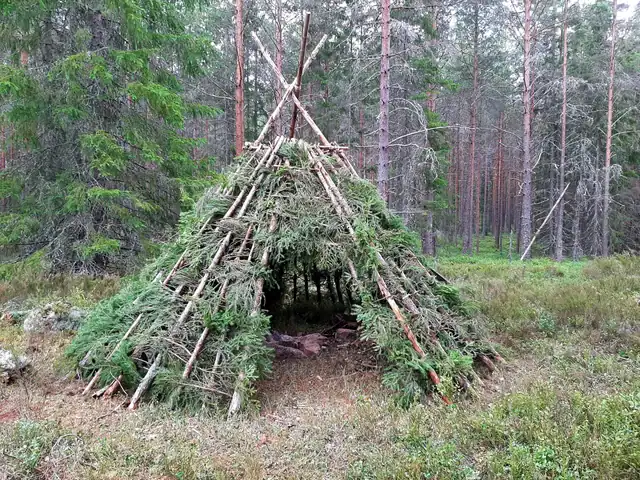
Credit: m.youtube.com
Privacy And Comfort
Privacy and comfort are key reasons why shelter is essential to survival. A shelter offers a personal area where you can relax and feel safe. Without privacy, stress and discomfort increase. Comfort helps your body rest and recover, which is vital for health.
Personal Space Importance
Everyone needs personal space to feel secure. A shelter creates a boundary between you and the outside world. This space protects your belongings and your body. Privacy reduces anxiety and allows you to focus on your well-being. It helps you control your environment, giving a sense of order and calm.
Creating A Comfortable Environment
A comfortable shelter shields you from harsh weather like wind, rain, and cold. It keeps you dry and warm, which prevents illness. Inside, you can rest your body and mind. Soft bedding, warmth, and quiet improve sleep quality. Comfort in shelter supports your energy and mood. It makes survival easier and more bearable.
Supporting Daily Life
Having shelter is more than just a roof over your head; it plays a crucial role in supporting your daily life. It creates a space where you can carry out essential tasks comfortably and safely. Without shelter, managing everyday activities becomes much harder and often unsafe.
Facilitating Food Preparation
Your shelter provides a clean, stable environment to prepare and store food. It keeps your cooking area protected from weather elements like rain and wind, which can spoil ingredients or make cooking difficult.
Think about how much easier it is to cook meals when you have a dry counter or a stove shielded from the breeze. It also helps in organizing utensils and ingredients, so you don’t waste time searching for what you need. Without shelter, your food preparation may become inconsistent and risky, leading to health problems.
Providing A Base For Activities
Every day, you need a place to rest, work, and carry out personal tasks. Shelter offers a dedicated spot where you can focus and feel secure. Whether it’s reading, studying, or even just relaxing, having a stable base improves your efficiency and well-being.
Imagine trying to concentrate on a project while being exposed to cold or noise outside. Your shelter acts as a buffer, reducing distractions and providing comfort. This stability can boost your productivity and mental health significantly.
Encouraging Social Connections
Shelter creates a welcoming space for you and others to connect. It allows you to invite friends or family over, fostering relationships and support networks that are vital for survival and happiness.
Have you noticed how much easier it is to build trust and share experiences in a comfortable environment? Without shelter, social interactions can feel rushed or unsafe, limiting your chances to bond and collaborate. A good shelter encourages community and shared strength.
Adaptation And Survival Skills
Adaptation and survival skills are essential when it comes to using shelter as a tool for staying alive. Your ability to build, maintain, and use shelter effectively can be the difference between thriving and struggling in harsh environments. These skills reflect how well you understand your surroundings and respond to challenges.
Building And Maintaining Shelter
Creating a shelter is more than stacking materials. It requires knowing which natural resources around you can provide stability, warmth, and protection.
Think about the last time you needed to stay warm outdoors. Did you find a spot shielded from wind? Did you gather dry leaves or branches to insulate yourself? These small actions show how building shelter is about smart choices, not just effort.
- Choose a location away from hazards like flooding or falling branches.
- Use materials that are sturdy and offer insulation, such as thick branches, leaves, or snow.
- Regularly check your shelter for damage and reinforce weak points to keep it safe.
Maintaining your shelter means staying alert to changes in weather or environment. This ongoing care helps you avoid surprises that could threaten your safety.
Using Shelter To Navigate Environments
Shelter can also guide you in understanding your surroundings better. By observing how animals or natural elements interact with potential shelter sites, you can learn where safety lies.
Imagine you find a cave or a hollow tree. Could it protect you not just from weather but also from predators? Using shelter effectively means seeing it as part of a larger survival strategy, not just a one-time fix.
- Use shelter locations to identify water sources or safe pathways.
- Adjust your shelter based on seasonal changes to stay comfortable year-round.
- Observe wildlife behavior around shelters to avoid dangers and find food opportunities.
Have you ever thought about how your shelter choices reveal your understanding of the environment? Each shelter you build tells a story of adaptation and resourcefulness—skills you can sharpen with each experience.

Credit: blanchethouse.org
Frequently Asked Questions
Why Is Shelter Essential For Human Survival?
Shelter protects us from extreme weather, such as rain, heat, and cold. It ensures safety from predators and insects. Shelter also provides a secure place for rest and storing food, which is vital for maintaining health and energy.
How Does Shelter Protect From Environmental Hazards?
Shelter acts as a barrier against harsh elements like wind, rain, and UV rays. It prevents exposure to harmful conditions that can cause illness or injury. Proper shelter maintains a stable internal temperature, crucial for survival in varying climates.
What Role Does Shelter Play In Mental Well-being?
Having a shelter offers a sense of security and stability. It reduces stress and anxiety linked to exposure and vulnerability. A safe space supports better sleep and mental health, which are critical for overall survival.
Can Shelter Improve Physical Health And Hygiene?
Yes, shelter provides a clean environment to maintain hygiene. It helps prevent infections by reducing contact with dirt and pests. Shelter also allows access to clean water and sanitation facilities, promoting better health.
Conclusion
Shelter keeps you safe from rain, wind, and cold. It helps your body stay warm and dry. Without shelter, sickness can come quickly. It also gives you a place to rest and feel secure. Shelter protects you from animals and danger.
Everyone needs a safe place to live and grow. Taking care of your shelter means taking care of yourself. Shelter is not just a building; it is survival. Simple, strong shelter saves lives every day.