Have you ever wondered if pythons can survive in cold weather? If you’re curious about how these powerful snakes handle chilly temperatures, you’re not alone.
Understanding their limits can change the way you think about these fascinating creatures. Keep reading, because what you’re about to discover might surprise you—and it will definitely give you a new perspective on how nature adapts to cold climates.
Pythons And Temperature Sensitivity
Pythons are reptiles that rely on external heat sources. Their survival depends on temperature control. Understanding their sensitivity helps explain how they cope with cold weather. This section explores key aspects of python temperature needs.
Cold-blooded Nature
Pythons are cold-blooded animals. They cannot create their own body heat. Their body temperature changes with the environment. Warm days make them active and strong. Cold days slow them down. Low temperatures can make them weak or sick. This nature means pythons must find warmth to survive.
Preferred Temperature Range
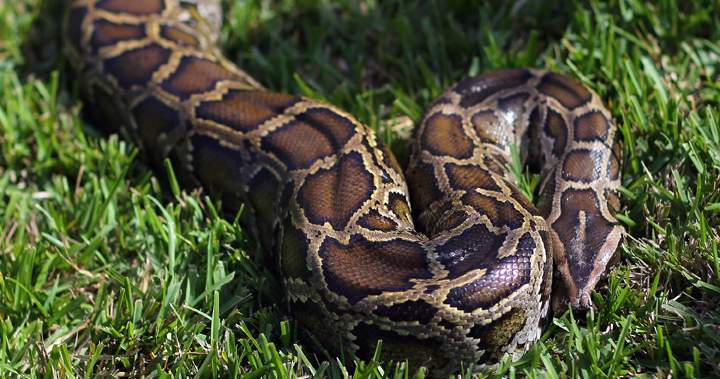
Pythons thrive between 80°F and 95°F (27°C to 35°C). Below this range, their body functions slow. They become less able to hunt and digest food. Temperatures under 60°F (15°C) can be dangerous for them. They often seek sunny spots or warm places. In cold weather, pythons may enter a state similar to hibernation. This helps them conserve energy until warmth returns.
Credit: animal-pedia.org
Effects Of Cold Weather On Pythons
Pythons are cold-blooded reptiles. Their body temperature depends on the environment. Cold weather affects their survival and daily functions. Understanding these effects helps explain how pythons cope in colder climates.
Metabolic Slowdown
Cold temperatures slow down python metabolism. They digest food much more slowly or stop altogether. Energy use decreases, conserving reserves. This slowdown makes pythons less active and less hungry. It is a natural response to survive tough conditions.
Risk Of Hypothermia
Prolonged cold exposure can cause hypothermia in pythons. Their body temperature drops dangerously low. This condition weakens muscles and slows heart rate. Severe hypothermia can be fatal if not avoided. Pythons seek shelter to reduce this risk.
Behavioral Changes
Cold weather triggers changes in python behavior. They become sluggish and spend more time hiding. Pythons may bask in sunlight to raise body heat. They avoid moving during the coldest parts of the day. These actions help them conserve energy and survive cold spells.
Adaptations To Cooler Climates
Pythons face challenges in cold weather due to their cold-blooded nature. They rely on specific adaptations to survive lower temperatures. These adaptations help them maintain body functions and avoid freezing. Understanding these behaviors shows how pythons handle cooler climates.
Hibernation And Brumation
Pythons do not hibernate like mammals. Instead, they enter a state called brumation. This is a slow-down in activity during cold months. Their metabolism drops to conserve energy. Pythons become less active and eat less or stop eating. This helps them survive when food is scarce and temperatures are low.
Brumation allows pythons to reduce energy needs. They may hide in burrows or under rocks during this period. This behavior protects them from extreme cold. It also keeps their body temperature stable enough to survive.
Seeking Warm Microhabitats
Pythons look for warm spots to regulate their body heat. They use sunlit areas, rocks, or underground burrows to stay warm. These microhabitats provide shelter from the cold wind and frost. Pythons often rest on warm surfaces to absorb heat.
They may also stay near heat sources such as decomposing plants. This natural heat helps maintain their body temperature. By choosing these spots, pythons can avoid harmful cold and stay active longer.
Credit: www.usgs.gov
Survival Strategies In The Wild
Pythons face tough challenges in cold weather. They use smart survival strategies to stay alive. These strategies help them avoid the cold and keep their body temperature steady. Understanding these tactics shows how adaptable pythons can be in the wild.
Migration To Warmer Areas
Pythons often move to warmer places when temperatures drop. They seek out sunny spots that provide heat. This migration helps them stay active and digest food properly. Moving to warmer areas reduces the risk of freezing and illness. The journey can be short or long, depending on the cold’s severity.
Burrowing And Shelter Use
Pythons use burrows and natural shelters to protect themselves from cold winds. They hide under rocks, logs, or dense vegetation. These shelters trap heat and block cold air. Burrowing into the ground also helps maintain a stable temperature. Staying hidden keeps pythons safe from predators during cold spells.
Caring For Pythons In Cold Environments
Caring for pythons in cold environments requires special attention. These reptiles come from warm climates. Cold weather can stress their bodies and slow their metabolism. Proper care helps them stay healthy and active. Creating a warm, safe habitat is essential. Monitoring their health closely protects them from illness.
Heating Solutions For Captives
Providing heat in cold environments is critical. Use heat mats or ceramic heat emitters to keep the enclosure warm. Install a thermostat to control temperature precisely. The warm side of the enclosure should stay around 85°F (29°C). The cooler side can be 75°F (24°C). Night temperatures should not drop below 70°F (21°C).
Use heat lamps or radiant heat panels for basking spots. Avoid heat rocks as they can cause burns. Insulate the enclosure to retain warmth. Create hiding spots near heat sources so pythons can regulate their body temperature.
Monitoring Health Signs
Watch for signs of cold stress in pythons. Lethargy, lack of appetite, and slow movements may indicate low temperatures. Check their skin for dryness or unusual shedding patterns. Respiratory infections can develop if the enclosure is too cold or damp.
Regularly check their breathing and activity levels. A healthy python will move smoothly and eat regularly. Maintain clean water and proper humidity to support their health. Consult a reptile vet if you notice persistent health problems.
Credit: www.zenhabitats.com
Species Differences In Cold Tolerance
Pythons vary widely in their ability to handle cold weather. Their survival depends largely on the species and their natural habitat. Some pythons thrive in warm, tropical climates, while others endure cooler environments. Understanding these differences helps explain which pythons can survive cold conditions and which cannot.
Tropical Vs. Temperate Pythons
Tropical pythons live in hot, humid places. They are not adapted to cold weather. Their bodies struggle to stay active when temperatures drop. These pythons slow down and may become weak in the cold.
Temperate pythons live in regions with cooler seasons. Their bodies can tolerate lower temperatures better. They often find shelter to keep warm during cold spells. These pythons can remain active longer in cooler weather.
Examples Of Cold-resistant Species
- Burmese Python: Found in Southeast Asia, it prefers warmth but can survive brief cool periods.
- Indian Rock Python: Lives in varied climates, showing some cold tolerance compared to tropical species.
- Amethystine Python: Native to northern Australia and New Guinea, it tolerates cooler nights well.
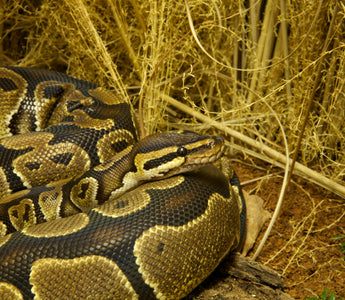
- Ball Python: Native to West Africa, it handles cool temperatures better than many tropical types.
These species have physical and behavioral traits that help them survive cold. Thick skin, fat storage, and seeking shelter are common strategies. Cold-resistant pythons often reduce activity to conserve energy. This helps them survive until warmer weather returns.
Frequently Asked Questions
Can Pythons Survive In Freezing Temperatures?
Pythons are cold-blooded reptiles and struggle to survive freezing temperatures. They become lethargic and can suffer fatal hypothermia if exposed too long.
How Do Pythons Cope With Cold Weather?
Pythons seek shelter in burrows, caves, or under debris. They rely on external heat sources to regulate their body temperature in cold weather.
Are Pythons Active During Winter Months?
No, pythons enter a state of brumation in winter. This dormancy reduces their activity and metabolic rate to conserve energy.
Can Cold Weather Affect Python Reproduction?
Yes, cold weather can delay or inhibit python breeding. Low temperatures reduce mating behavior and egg incubation success rates.
Conclusion
Pythons face real challenges in cold weather. Their bodies slow down and they need warmth to survive. They often hide or burrow to stay safe. Cold can limit their movement and hunting. Some pythons live in warmer areas to avoid cold stress.
Nature has its limits, even for strong snakes. Understanding these facts helps us protect them better. Survival depends on finding the right environment. Cold weather is tough, but pythons adapt as best they can.