Have you ever worried about your baby seedlings surviving the cold weather? You’re not alone.
Those tiny plants are fragile, and chilly temperatures can easily harm them. But what if you could learn simple, effective ways to protect your seedlings and help them thrive despite the cold? You’ll discover practical tips and easy tricks to keep your baby seedlings safe and strong, no matter how low the temperature drops.
Keep reading—your garden’s future depends on it!
Effects Of Cold On Seedlings
Cold weather poses significant challenges for baby seedlings, affecting their survival and growth. Understanding how low temperatures impact these young plants helps you take better care of them and avoid common pitfalls. Let’s break down the key effects cold has on seedlings and what you can watch out for in your garden.
Frost Damage Risks
Frost can be deadly for baby seedlings. When temperatures drop below freezing, ice crystals form inside their delicate cells, causing them to rupture. This damage often appears as blackened or wilted leaves, and in severe cases, seedlings may die quickly.
Have you noticed your seedlings suddenly turning mushy after a cold night? That’s a clear sign frost damage. Protecting your seedlings with covers or moving them indoors during frost warnings can save them from this harsh effect.
Slowed Growth Factors
Cold temperatures slow down the metabolism of seedlings, meaning they use energy less efficiently. This slowdown hinders cell division and elongation, causing seedlings to grow much more slowly or even stop growing.
Even if your seedlings look healthy, a sudden cold snap could stunt their development for days or weeks. Consider using heat mats or placing seedlings in warmer spots to keep their growth on track during chilly spells.
Water Absorption Challenges
Cold soil can reduce water uptake by the roots, which stresses seedlings. When roots can’t absorb enough water, seedlings wilt and become vulnerable to diseases. This problem is often overlooked, but it’s critical for seedling health.
Have you ever watered your seedlings only to find them still drooping? Cold soil might be the culprit. Raising soil temperature slightly or using insulated containers can improve water absorption and keep seedlings hydrated.

Credit: www.epicgardening.com
Choosing Hardy Seed Varieties
Choosing hardy seed varieties is key to helping your baby seedlings survive cold weather. Not all seeds handle chilly temperatures the same way. Picking the right type can mean the difference between a thriving garden and lost crops.
Cold-tolerant Seeds
Some seeds are naturally built to withstand the cold. Vegetables like kale, spinach, and Brussels sprouts can sprout and grow even in low temperatures. These cold-tolerant seeds have genetic traits that protect their young leaves from frost damage.
You might wonder if these seeds grow slower. Sometimes they do, but their ability to survive early cold snaps often results in a better yield later. It’s worth testing a few cold-hardy varieties in your garden to see which perform best in your specific climate.
Local Adaptation Benefits
Seeds adapted to your local area have a big advantage. They are used to the temperature swings and soil conditions where you live. This means they can handle cold spells better than imported varieties.
Local farmers and gardeners often save seeds from year to year, selecting those that survive harsh winters. Have you tried saving seeds from your best-performing plants? It’s a simple way to build a resilient garden that thrives in your unique environment.
Preparing The Soil
Preparing the soil is a crucial step for helping baby seedlings survive cold weather. The right soil conditions can protect young plants from frost damage and encourage healthy root growth. Paying attention to soil temperature and drainage ensures your seedlings get the best start, even in chilly climates.
Soil Temperature Control
Soil temperature directly affects seedling survival during cold spells. Cold soil can stunt root growth, making seedlings weak and vulnerable. You can warm the soil by covering it with black plastic sheets during the day to absorb heat and remove them at night to prevent overheating.
Adding organic mulch like straw or shredded leaves helps retain soil warmth overnight. Have you noticed how soil under mulch feels warmer in the morning? That’s because mulch acts as insulation, slowing heat loss. Using cold frames or cloches also creates a mini greenhouse effect, raising soil temperature around your seedlings.
Proper Drainage Techniques
Waterlogged soil can be deadly in cold weather, as excess moisture freezes and damages roots. Good drainage prevents water from pooling and turning into ice around your seedlings. To improve drainage, mix coarse sand or perlite into your soil before planting.
Raised beds are another effective way to enhance drainage and keep soil from becoming waterlogged. They also warm up faster in spring, giving seedlings a head start. Have you checked how your soil handles heavy rain? If puddles form, your seedlings could be at risk without proper drainage.
Protective Coverings
Protective coverings shield baby seedlings from cold weather stress. They create a warmer microclimate that helps seedlings grow strong. These coverings block frost, wind, and chilling temperatures. Using protective coverings extends the growing season and improves plant survival rates.
Using Row Covers
Row covers are lightweight fabrics placed over seedlings. They trap heat and moisture while allowing light to pass through. These covers protect plants from frost and cold winds. Use stakes or hoops to keep the fabric off delicate leaves.
- Choose breathable material to prevent overheating.
- Secure edges with soil or clips to keep covers in place.
- Remove covers during warm days for air circulation.
Diy Cloches And Mini Greenhouses
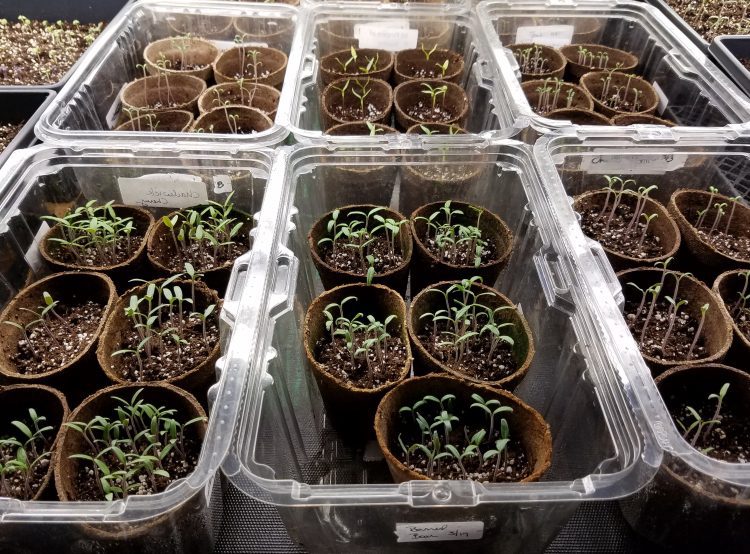
Cloches and mini greenhouses act like tiny shelters for seedlings. They hold warmth around plants and shield them from cold air. Common DIY options include:
- Plastic bottles with the bottom cut off.
- Clear plastic containers or jars.
- Wood and plastic frames covered with clear film.
Make sure to ventilate these covers on sunny days to avoid overheating. They are easy to move and provide excellent protection during cold nights.
Optimal Watering Practices
Water plays a key role in helping baby seedlings survive cold weather. Proper watering keeps roots healthy and supports growth. Too much or too little water can harm young plants. Knowing how and when to water can improve seedling strength and frost resistance.
Avoiding Overwatering
Overwatering can drown roots and cause rot. Seedlings need moist, not soggy, soil. Check soil by touching it; if wet, wait before watering again. Use pots with drainage holes to let excess water escape. Overwatered seedlings become weak and more prone to cold damage.
Watering Timing Tips
Water seedlings early in the day. Morning watering lets plants absorb moisture before colder night temperatures. Avoid watering late in the day to prevent cold stress. Soil stays warmer longer with morning watering. This helps roots stay healthy during chilly nights.
Credit: thecoeurdalenecoop.com
Location And Light Considerations
Choosing the right location is key for baby seedlings to survive cold weather. Light and shelter affect their growth and health. Seedlings need enough sunlight to stay strong. They also need protection from harsh winds that can dry them out or damage them.
Maximizing Sun Exposure
Place seedlings where they get the most sunlight during the day. South-facing windows or outdoor spots usually receive the best light. Use reflective surfaces like white walls or foil to increase light around seedlings. Keep plants away from shadows cast by trees or buildings. Rotate containers regularly to ensure even light on all sides.
Sheltering From Wind
Wind can chill seedlings quickly, stressing or killing them. Create barriers using windbreaks, fences, or garden screens. Use cloches, cold frames, or plastic covers to shield plants. Group seedlings closely to create a small microclimate with less air movement. Avoid placing seedlings near doors or vents that cause drafts.
Temperature Management Tools
Keeping baby seedlings alive during cold spells means you need to control their environment carefully. Temperature management tools help maintain warmth and protect young plants from frost damage. Using the right tools allows you to extend your growing season and improve seedling survival rates.
Heat Mats And Lamps
Heat mats provide gentle warmth directly to the soil, encouraging faster germination and healthy root growth. They are especially useful in chilly indoor setups where ambient temperatures drop below ideal levels.
Pairing heat mats with heat lamps gives seedlings an extra boost, warming both the soil and the air around them. Heat lamps can be adjusted to prevent overheating, ensuring seedlings don’t dry out or burn.
Have you noticed how a small increase in temperature can dramatically improve your seedling’s vigor? Using these tools, you can create a microclimate that mimics springtime, even in the dead of winter.
Cold Frames Usage
Cold frames are simple, enclosed boxes with transparent tops that trap solar heat during the day and keep cold winds out. They work well outdoors, providing seedlings with protection from frost while letting in sunlight.
Many gardeners swear by cold frames because they require no electricity and offer a natural way to raise temperatures slightly. You can even line the bottom with bricks or stones to store heat and release it slowly overnight.
Could a cold frame be the missing link in your garden’s cold-weather strategy? By combining this passive warming method with active tools like heat mats, you give your seedlings the best chance to thrive despite dropping temperatures.
Monitoring And Adjusting Care
Keeping baby seedlings alive in cold weather requires more than just planting them and hoping for the best. You must constantly monitor their environment and adjust your care to meet their changing needs. This ongoing attention helps seedlings stay strong and ready to grow despite chilly conditions.
Regular Temperature Checks
Temperature is a critical factor for seedling survival. Use a reliable thermometer to check the temperature near your seedlings at different times of the day. Pay close attention during early mornings and nights when temperatures tend to drop the most.
Consider setting reminders to check temperatures regularly. This helps you catch any sudden drops before they harm your plants. Have you noticed how quickly cold snaps can occur? Staying ahead means your seedlings get the protection they need exactly when they need it.
Adapting To Weather Changes
Cold weather can be unpredictable. One day might be mild, and the next could bring frost. Adjust your care based on these changes rather than sticking to a fixed routine.
If you see a cold front approaching, add extra layers like frost cloths or move seedlings to a sheltered spot. On warmer days, open up covers to prevent overheating. This kind of flexible care keeps seedlings from stress caused by sudden temperature swings.
Have you ever left seedlings under a cover on a sunny day only to find them wilting? That experience teaches us the importance of adjusting care constantly. Your attention and quick action can make all the difference in helping seedlings survive cold weather.

Credit: www.epicgardening.com
Frequently Asked Questions
How Cold Can Seedlings Tolerate?
Seedlings can typically tolerate temperatures as low as 32°F (0°C) for short periods. However, prolonged exposure below 45°F (7°C) may stress them. Providing protection, like row covers or cold frames, can help maintain warmth. Monitoring weather forecasts and adjusting protection measures can ensure seedlings remain healthy.
What Are Signs Of Cold Damage In Seedlings?
Signs of cold damage include wilting, blackened leaves, and stunted growth. Seedlings may also appear water-soaked or mushy. These symptoms indicate tissue damage from freezing. It’s crucial to address cold exposure quickly to prevent further harm. Providing immediate protection and warmth can help seedlings recover.
How To Protect Seedlings From Frost?
Use row covers, cloches, or cold frames to shield seedlings from frost. These barriers trap heat and prevent frost from settling on plants. Watering the ground around seedlings can also help. Moist soil retains heat better than dry soil, offering some protection.
Monitoring weather helps in timely action.
Can Seedlings Survive Without Extra Protection?
Without extra protection, seedlings face risks from unexpected cold snaps. In mild climates, they might survive brief cold spells. However, consistent cold can hinder growth and cause damage. Providing some form of protection enhances survival chances, especially during unpredictable weather patterns.
Conclusion
Cold weather can challenge baby seedlings but they can survive with care. Protect seedlings by covering them during frost or chilly nights. Use mulch to keep soil warm and moist. Choose hardy seed varieties that grow well in cooler climates.
Water seedlings early in the day to avoid ice formation. Watch plants closely for signs of stress or damage. Small efforts help seedlings grow strong despite cold weather. Patience and attention bring healthy plants and a good harvest. Keep trying; your seedlings can thrive even in cold conditions.