Feeling drained and sticky every time the heat and humidity hit? You’re not alone.
Hot and humid weather can make even simple tasks feel exhausting and uncomfortable. But what if you could stay cool, refreshed, and full of energy no matter how muggy it gets outside? You’ll discover easy, practical tips that help your body beat the heat and keep you comfortable all day long.
Keep reading—your comfort and well-being are about to get a serious upgrade.
Stay Hydrated
Staying hydrated is your best defense against the draining effects of hot and humid weather. Your body loses water rapidly through sweat, and if you don’t replenish those fluids, you risk dehydration and fatigue. Paying attention to what and how much you drink can make a huge difference in how you feel throughout the day.
Choose Water Over Sugary Drinks
Water is the simplest and most effective way to stay hydrated. Sugary drinks like sodas and fruit juices might seem refreshing, but they can actually make you feel thirstier and add unnecessary calories.
Have you noticed how a glass of water cools you down, while a soda often leaves you feeling sluggish? Stick to plain water or add a slice of lemon or cucumber for a subtle flavor boost without the sugar crash.
Incorporate Hydrating Foods
Eating foods with high water content can boost your hydration levels. Fruits like watermelon, strawberries, and oranges, and vegetables like cucumber and lettuce, provide both fluids and essential vitamins.
Snacking on these can be especially helpful if you’re outdoors and away from a water source. How often do you think about your food as a source of hydration?
Monitor Your Fluid Intake
It’s easy to forget to drink enough water when you’re busy or not feeling very thirsty. Set reminders or carry a water bottle with you to track your intake throughout the day.
Pay attention to the color of your urine—it’s a simple indicator of hydration. A pale yellow shade means you’re on the right track, while darker urine is a sign you need to drink more.

Credit: www.lemon8-app.com
Wear Light Clothing
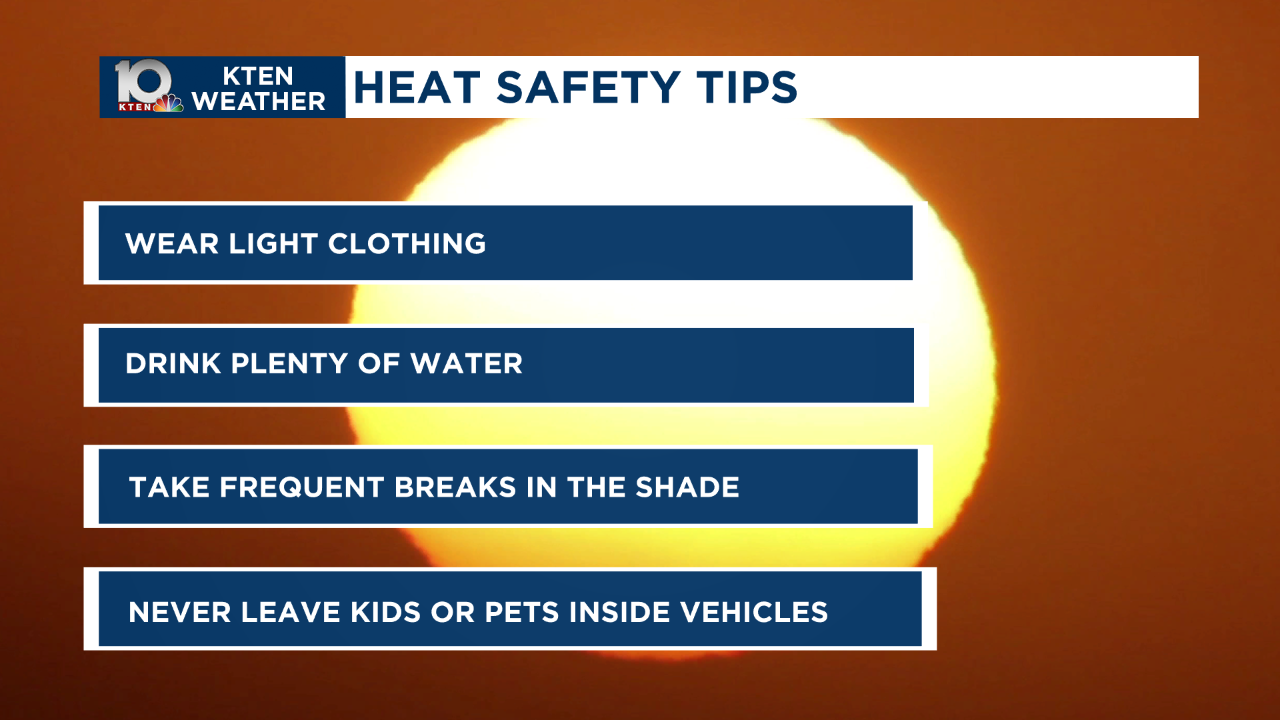
Wearing light clothing helps keep your body cool during hot and humid days. Heavy or thick clothes trap heat and sweat, making you feel uncomfortable. Choosing the right fabric and color can make a big difference in staying fresh. Clothes that allow air to flow help sweat evaporate quickly. This reduces the stickiness and heat you feel.
Opt For Breathable Fabrics
Choose fabrics like cotton, linen, or rayon. These materials let air pass through easily. Breathable fabrics help your skin stay dry and cool. Avoid synthetic materials like polyester that trap heat. Natural fabrics also feel softer on the skin.
Select Light Colors
Light colors reflect sunlight instead of absorbing it. White, beige, light blue, and pastel shades work best. Dark colors soak up heat and make you hotter. Wearing light colors lowers your body temperature in the sun.
Use Moisture-wicking Materials
Moisture-wicking fabrics pull sweat away from your skin. This keeps you dry and prevents chafing. Look for clothes with polyester blends made for sports. These materials dry quickly and feel cooler. Moisture-wicking clothes help you stay comfortable longer.
Optimize Indoor Cooling
Keeping your indoor space cool during hot and humid days can make a huge difference in your comfort and well-being. Optimizing indoor cooling doesn’t always mean cranking up the air conditioner. Small changes and smart habits can lower the temperature and improve air flow, helping you stay refreshed without breaking the bank.
Use Fans And Air Conditioning
Fans can be surprisingly effective at making you feel cooler by improving air circulation. Position a fan near a window at night to pull in cooler air or use ceiling fans to push hot air away from your skin. If you have air conditioning, set it to a comfortable but not overly cold temperature—around 75°F works well to save energy and keep you cool.
Have you tried combining fans with AC? Running a fan alongside your air conditioner helps spread the cool air evenly and reduces the workload on your unit. This can lower your electricity bill and extend the life of your AC system.
Block Out Heat With Curtains
Sunlight streaming through windows can quickly turn your room into an oven. Thick curtains or blackout blinds can block the sun’s rays and keep your indoor temperature down. Look for curtains with reflective surfaces or light colors to bounce the heat away instead of absorbing it.
Do you notice a difference when you close your curtains during the hottest parts of the day? Keeping them shut between 10 AM and 4 PM can cut down indoor heat significantly. It’s a simple step that pays off in comfort and energy savings.
Create Cross-ventilation
Cross-ventilation is a natural way to cool your home without extra electricity. Open windows on opposite sides of your room or house to create a breeze that pushes hot air out and pulls cooler air in. Even a small gap can make a noticeable difference.
Think about how you can arrange your furniture or open windows to encourage this airflow. Sometimes just opening a door and a window in the right spots can cool down a room faster than any fan.
Adjust Your Outdoor Activities
Adjusting your outdoor activities is key during hot and humid days. Planning and pacing yourself helps avoid heat exhaustion. Simple changes keep you safe and comfortable.
Plan Activities During Cooler Hours
Early mornings and late evenings are best for outdoor tasks. The temperature drops, making it easier to breathe and move. Avoid the midday sun, as it is the hottest part of the day. This small change reduces heat stress significantly.
Take Frequent Breaks
Short rests help your body cool down. Sit or stand in a shady spot for a few minutes. Drink water during breaks to stay hydrated. Frequent pauses prevent overheating and keep energy levels stable.
Seek Shade Whenever Possible
Shade blocks direct sunlight and lowers body temperature. Trees, awnings, and umbrellas provide good shelter. Always look for shaded areas during outdoor activities. This simple step shields your skin and keeps you cooler.
Adopt Cooling Habits
Adopting effective cooling habits can make a huge difference when the weather turns hot and humid. These simple actions help lower your body temperature and keep discomfort at bay. By integrating easy-to-follow practices into your daily routine, you can stay refreshed and more productive even in sticky conditions.
Apply Cold Compresses
Cold compresses are a quick way to cool down your body. Placing a cold cloth or ice pack on your wrists, neck, or forehead helps reduce your core temperature fast. I’ve found that even a damp towel from the fridge can bring immediate relief during a heatwave.
Try keeping a small bag of frozen peas or a gel pack in your freezer. When you feel overheated, apply it for 10 to 15 minutes. This simple habit can prevent heat exhaustion and keep you comfortable.
Take Cool Showers
A cool shower refreshes your skin and cools your entire body. It’s one of the easiest ways to beat the heat without needing fancy gadgets. After a long day outside, stepping into a cool shower can feel like hitting the reset button.
Instead of hot water, adjust your shower to a comfortably cool temperature. This not only lowers your body heat but also helps close your pores, reducing sweat production. How often do you take cool showers during hot days? It might be worth trying more frequently.
Use Cooling Towels
Cooling towels are designed to stay cold longer and wick moisture away from your skin. They’re perfect if you’re outdoors or working in a humid environment. Simply wet the towel, wring out excess water, and snap it a few times to activate the cooling effect.
Carry one with you during hikes, gardening, or sports. I once forgot mine on a hiking trip and immediately regretted it. Having a cooling towel can make a noticeable difference in your comfort and stamina.
Credit: www.healthline.com
Maintain A Healthy Diet
Maintaining a healthy diet is crucial during hot and humid weather. Food affects your energy and how your body handles heat. Choosing the right meals helps keep you cool and hydrated. Eating smart prevents fatigue and heat-related issues.
Focus on foods that are easy to digest and support hydration. Avoid meals that make you feel heavy or uncomfortable. Adding the right nutrients can replace what you lose through sweat. This keeps your body balanced and strong in tough weather.
Eat Light And Fresh Meals
Choose meals that are light and easy on your stomach. Fresh fruits and vegetables are perfect choices. They contain water and help keep you hydrated. Salads, smoothies, and cold soups work well on hot days. Avoid fried or greasy foods that weigh you down.
Avoid Heavy Or Spicy Foods
Heavy meals take longer to digest and can increase body heat. Spicy foods may cause sweating and discomfort. Both can make you feel sluggish in humid weather. Stick to simple dishes with mild flavors. This helps your body stay cool and energized.
Include Electrolyte-rich Foods
Electrolytes like potassium and sodium balance your fluids. You lose these minerals through sweat. Eating foods rich in electrolytes prevents cramps and dehydration. Try bananas, coconut water, and yogurt. These nourish your body and keep you refreshed.
Protect Your Skin
Hot and humid weather can be harsh on your skin, making it prone to irritation, sunburn, and dehydration. Protecting your skin is not just about avoiding sunburn; it’s about maintaining your skin’s health and comfort throughout the day. Simple, consistent habits can make a huge difference in how your skin feels and looks.
Apply Sunscreen Regularly
Sunscreen is your skin’s best defense against harmful UV rays. Choose a broad-spectrum sunscreen with at least SPF 30. Apply it generously on all exposed skin 15 minutes before going outside.
Reapply every two hours, especially if you’re sweating or swimming. Skipping reapplication can leave your skin vulnerable to damage, even if you applied sunscreen in the morning.
Have you noticed how sunscreen can feel sticky in humid weather? Look for lightweight, non-greasy formulas designed for oily or sweaty skin to stay comfortable all day.
Wear Hats And Sunglasses
Covering your head with a wide-brimmed hat shields your face, neck, and ears from direct sunlight. This physical barrier reduces the risk of sunburn and heat exposure.
Sunglasses protect your eyes from UV rays and reduce squinting, which can cause wrinkles. Opt for sunglasses that block 100% of UVA and UVB rays.
Choosing breathable fabrics for hats can help keep you cooler and prevent extra sweating. Have you tried a hat with ventilation panels or moisture-wicking bands?
Use Aloe Vera For Soothing
Aloe vera is a natural remedy that cools and soothes irritated skin. Applying aloe vera gel after sun exposure helps reduce redness and inflammation.
It also hydrates your skin, which is vital in hot, humid conditions where moisture loss is common. Keep a bottle of pure aloe vera gel in your fridge for an extra cooling effect.
Have you ever used aloe vera directly from the plant? It’s a refreshing, chemical-free way to calm your skin after a long day in the heat.
Credit: www.kten.com
Recognize Heat-related Illnesses
Heat-related illnesses can develop quickly in hot and humid weather. Recognizing symptoms early helps prevent serious health problems. Knowing the signs and actions to take saves lives. Awareness is key to staying safe and healthy during heat waves.
Identify Signs Of Heat Exhaustion
Heat exhaustion happens when your body loses too much water and salt. Symptoms include:
- Heavy sweating
- Weakness or fatigue
- Dizziness or fainting
- Cold, pale, and clammy skin
- Nausea or vomiting
- Muscle cramps
- Headache
Stop activity and rest in a cool place if you notice these signs. Drink water and loosen tight clothing. Use cool, wet cloths on your skin to lower body temperature.
Know When To Seek Medical Help
Seek medical help if symptoms worsen or do not improve. Urgent care is needed if you experience:
- Confusion or trouble speaking
- Severe headache
- High body temperature above 103°F (39.4°C)
- Loss of consciousness
- Rapid heartbeat or breathing
These signs may indicate heatstroke, a medical emergency. Call emergency services immediately if these symptoms appear.
Prevent Heatstroke Risks
Heatstroke can damage organs and lead to death. Prevent risks by:
- Staying hydrated with water, not sugary drinks
- Wearing lightweight, loose clothing
- Avoiding direct sunlight during peak hours
- Taking frequent breaks in shaded or air-conditioned areas
- Using fans or cool showers to lower body heat
Check on children, elderly, and people with health issues. They are more vulnerable to heat-related illnesses.
Frequently Asked Questions
How Can I Stay Cool In Humid Weather?
To stay cool, wear light, breathable clothing and stay hydrated. Use fans or air conditioning indoors. Take cool showers and avoid strenuous outdoor activities during peak heat. Eat light meals and consume hydrating foods like fruits. Try to stay in shaded or air-conditioned areas as much as possible.
What Should I Drink In Hot Weather?
In hot weather, drink plenty of water to stay hydrated. Avoid caffeine and alcohol, as they can dehydrate you. Opt for electrolyte-rich drinks or coconut water for added hydration. Herbal teas, such as mint or chamomile, can also be refreshing.
Keep a water bottle handy and sip frequently.
How Does Humidity Affect My Body?
Humidity can make you feel hotter by hindering sweat evaporation. This can lead to overheating and dehydration. It may cause fatigue, dizziness, or heat-related illnesses. Your body works harder to cool down, causing increased heart rate. Staying hydrated and cool can help manage these effects.
What Foods Help In Hot And Humid Weather?
Consume light, hydrating foods like fruits and vegetables. Salads, yogurt, and smoothies are excellent choices. Avoid heavy or spicy meals that can raise body temperature. Cold soups and fruit salads can be refreshing. Foods high in water content, like cucumbers and watermelon, are particularly beneficial.
Conclusion
Surviving hot and humid weather takes simple steps and good habits. Drink water often to stay hydrated. Wear light, loose clothes to keep cool. Take breaks in the shade or indoors. Use fans or air conditioning when possible. Avoid heavy exercise during peak heat hours.
Remember, small actions make a big difference. Stay aware of your body’s signals. Keep cool, stay safe, and enjoy the summer days.