Have you ever wondered how long it really takes to build a survival shelter when every minute counts? Whether you’re preparing for an emergency or planning a wilderness trip, knowing the time needed to create a safe shelter can make all the difference.
You’ll discover clear, practical answers that help you plan better and stay protected. Keep reading to learn exactly what affects the building time and how you can speed up the process when it matters most.
Credit: www.pewpewtactical.com
Types Of Survival Shelters
Choosing the right type of survival shelter can make all the difference when you’re in the wild. Each shelter offers unique benefits depending on your environment, available materials, and how much time you have. Understanding these types helps you decide quickly and efficiently, increasing your chances of staying safe and comfortable.
Natural Shelters
Natural shelters are your first option if you’re in a forest or mountainous area. These include caves, rock overhangs, or dense tree canopies that provide immediate protection from wind and rain. Using natural shelters saves time, but you must always check for safety hazards like unstable rocks or wildlife before settling in.
Have you ever found yourself relying on a natural shelter during a hike? It’s a quick way to stay dry and warm without building anything.
Debris Huts
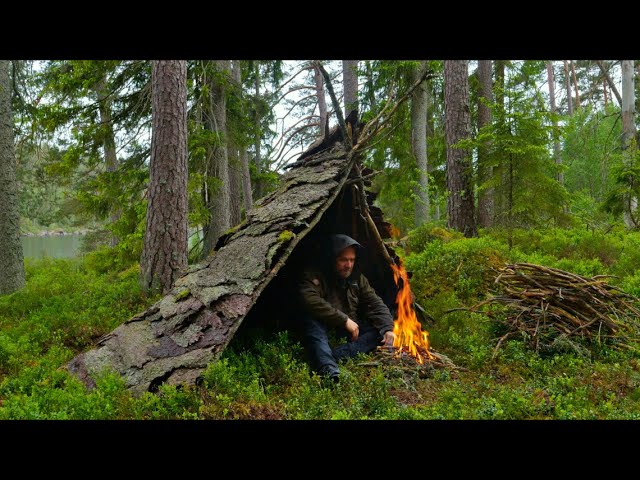
Debris huts are made by piling leaves, branches, and other natural materials over a basic frame. They are excellent for insulation, keeping your body heat trapped inside. Although it takes longer to build than just using a natural shelter, a well-built debris hut can protect you from harsh weather all night long.
Imagine collecting dry leaves and twigs while the sun is setting—how much time do you think you’d need to finish a decent debris hut?
Lean-to Shelters
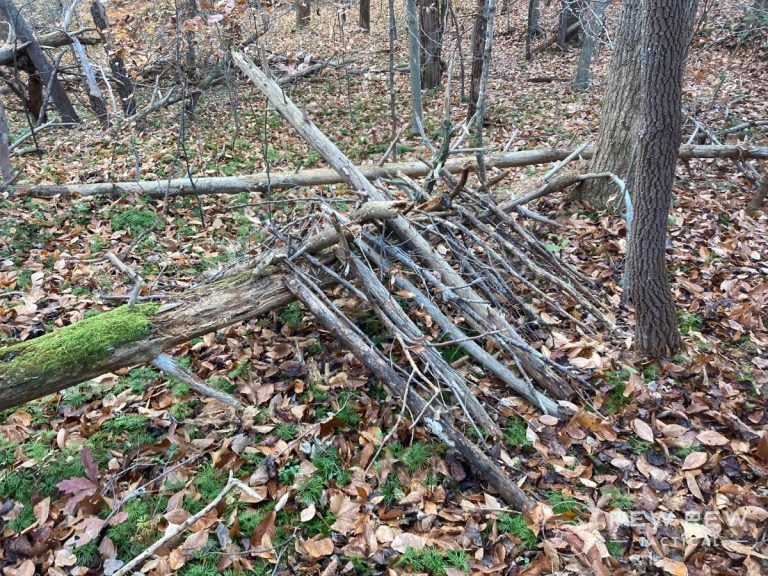
Lean-to shelters are simple structures made by leaning branches against a support like a fallen tree or a standing one. They provide a quick, sturdy option that blocks wind and rain on one side. This shelter can be built in under an hour if you have the right materials nearby, making it a practical choice when time is tight.
Could you spot the best location to build a lean-to that maximizes wind protection on your next outdoor trip?
Tarp Shelters
Tarp shelters are lightweight and fast to set up, especially if you carry a tarp in your survival kit. You can rig a tarp between trees or poles using ropes or paracord to create a waterproof cover. This shelter is highly versatile but depends on having the right gear, so it’s great for planned trips where you prepare in advance.
What’s your experience with using tarps in the wild? They might save you hours, but only if you know how to set them up properly.
Credit: www.youtube.com
Factors Affecting Build Time
Building a survival shelter is not a one-size-fits-all project. The time it takes depends heavily on several key factors that can either speed up or slow down the process. Understanding these factors helps you plan better and avoid unexpected delays when you need shelter the most.
Available Materials
The type and quantity of materials around you have a huge impact on how quickly you can build your shelter. If you find plenty of fallen branches, leaves, and natural insulation, you can work faster without having to improvise much.
Sometimes, you might have to spend hours collecting the right kind of wood or leaves. Think about your last outdoor trip—did you find enough dry wood easily? If not, how did that affect your setup time?
Weather Conditions
Weather can either be your best friend or worst enemy while building a shelter. Rain or strong winds can slow you down or even damage what you’ve already built, forcing you to start over.
On the other hand, mild and dry weather lets you work steadily and safely. Have you ever tried building a shelter in the rain? How much longer did it take compared to a sunny day?
Skill Level
Your experience with building shelters can drastically change how fast you get the job done. If you know how to quickly identify suitable materials and use efficient construction techniques, you’ll save precious time.
Beginners often spend extra time experimenting or fixing mistakes. Ask yourself: How confident are you in your shelter-building skills? Practicing before a real emergency can make all the difference.
Tools And Equipment
Having the right tools can turn a tough task into a manageable one. A sharp knife, a saw, or even a tarp can speed up construction and improve shelter quality.
Without tools, you rely on bare hands and natural resources, which takes more time and effort. When was the last time you built something without tools? Did you notice how much longer it took?
Building A Quick Shelter
Building a quick shelter can take anywhere from 30 minutes to a few hours. The time depends on materials and experience. Simple designs with natural resources are faster to set up.
Building a survival shelter quickly is crucial in emergencies. It offers protection from weather and wildlife. Understanding the basics can help you stay safe and warm.Site Selection
Choose a location away from dangers like falling branches or flooding. Look for flat ground to ensure stability. Proximity to resources like water and firewood is ideal. Avoid areas with damp soil to stay dry.Basic Framework
Use sturdy branches for the frame. Form a simple A-frame or lean-to structure. Secure it well with vines or cordage. Ensure the frame is strong enough to withstand wind.Insulation And Covering
Collect leaves, grass, and pine needles for insulation. Cover the frame thickly to trap heat inside. Use large leaves or tarp as an outer layer. Ensure no gaps to keep rain out.Safety Considerations
Check the stability of your shelter regularly. Keep the entrance facing away from the wind. Build a small fire nearby for warmth and protection. Always keep a safe distance between the shelter and the fire.
Credit: www.youtube.com
Time Estimates For Different Shelters
Building a survival shelter takes different amounts of time depending on the type of shelter and the materials you have on hand. Understanding these time estimates helps you decide what kind of shelter to build based on your situation. Whether you need quick protection or a sturdy shelter for longer stays, knowing how long each option takes can save you precious time and effort.
Under 30 Minutes
Some shelters can be built in less than half an hour. These include simple lean-tos or debris huts made from branches and leaves. They provide basic protection from wind and rain but won’t last long in harsh weather.
If you’re caught in an emergency, focus on these quick shelters. They’re fast to build and can keep you warm until you find better materials or help arrives.
1 To 2 Hours
Spending an hour or two allows you to build stronger shelters like a tarp tent or a frame shelter using logs and a tarp or plastic sheet. These shelters offer better protection from rain and cold.
I once built a tarp shelter in about 90 minutes during a sudden rainstorm. It kept me dry and comfortable overnight, proving that investing a bit more time makes a big difference.
- Use sturdy branches for the frame
- Add leaves or moss for insulation
- Secure tarp tightly to avoid water leaks
Several Hours
Building a more durable shelter like a log cabin, snow cave, or an insulated debris hut takes several hours or even a full day. These shelters provide solid protection and can handle extreme weather conditions.
Though they require more effort and skill, these shelters are worth it if you plan to stay in one place for a while. Think about your long-term needs before deciding to invest this much time.
What conditions will you face? How much time can you realistically spend? These questions guide your shelter-building decisions every step of the way.
Tips To Speed Up Shelter Construction
Building a survival shelter fast saves energy and increases safety. Quick construction protects you from harsh weather and animals. Using smart tips can cut your building time significantly. Focus on clear steps that make the process smooth and efficient.
Preparation And Planning
Start by choosing the best site for your shelter. Look for flat ground away from hazards like water or falling branches. Gather all needed materials before you begin. Collect wood, leaves, or tarps in one place. Plan the shelter design based on your needs and available tools. Clear the area to avoid delays later.
Using Efficient Techniques
Use simple designs like lean-tos or debris huts to build quickly. Stack materials tightly to keep out wind and rain. Use natural bindings like vines or roots instead of cutting nails or rope. Build walls first, then add a roof. Work close to the ground to save energy and stay stable. Test the shelter’s strength before moving on.
Teamwork And Division Of Labor
Work with others to split tasks and save time. Assign roles such as gathering materials, building walls, and securing the roof. Communicate clearly to avoid mistakes and repeated work. Help each other lift heavy items or hold parts in place. Keep spirits high by encouraging one another. A team working well together finishes faster and safer.
Frequently Asked Questions
How Long Does It Take To Build A Basic Survival Shelter?
Building a basic survival shelter usually takes between 1 to 4 hours. The time depends on materials, tools, and experience. Simple debris huts or lean-tos are faster to construct than complex shelters.
What Factors Affect The Shelter Building Time?
Shelter building time depends on weather, available materials, skill level, and shelter type. Harsh conditions and limited resources increase construction time. Skilled builders with proper tools work faster.
Can A Survival Shelter Be Built In Under An Hour?
Yes, simple shelters like lean-tos or debris huts can be built in under an hour. Quick shelter options prioritize speed and basic protection over comfort or durability.
How Does Experience Influence Shelter Construction Speed?
Experienced builders complete shelter construction faster due to practiced skills and knowledge. They efficiently select materials and use time-saving techniques. Beginners often need more time to build safe shelters.
Conclusion
Building a survival shelter takes time and patience. The hours needed depend on materials and skill level. Simple shelters can be ready in a few hours. More complex ones may take a whole day or longer. Planning and practice make the process faster and easier.
Always prioritize safety and comfort in your shelter. Being prepared helps you stay safe in emergencies. Remember, every minute spent building increases your chances of survival. Practice building shelters before you need one. It can make all the difference when time is critical.