Have you ever wondered how your Gear VR 2 seems to know exactly when you’re asleep? It’s more than just a cool trick—it’s a smart feature designed to make your experience smoother and more comfortable.
Understanding how this technology detects your sleep can help you get the most out of your device. Keep reading to discover the simple yet fascinating ways your Gear VR 2 knows when you’re dozing off—and why it matters to you.
Gear Vr 2 Sensors
The Gear VR 2 uses a combination of advanced sensors to track your movements and environment. These sensors help the device understand if you’re active or resting. Understanding how these sensors work can give you a clearer idea of how the VR system detects when you’re sleeping or inactive.
Types Of Sensors Used
The Gear VR 2 is equipped with several key sensors that work together to monitor your status. It includes:
- Accelerometer:Measures your head movements and detects motion or stillness.
- Gyroscope:Tracks the rotation and orientation of your head.
- Proximity sensor:Detects whether the headset is being worn.
- Light sensor:Monitors ambient light to adjust screen brightness and detect inactivity.
These sensors constantly send data to the system, helping it figure out whether you’re awake and engaged or dozing off. Have you ever noticed how the screen dims when you stop moving? That’s the sensors at work.
Sensor Placement And Design
The placement of sensors on the Gear VR 2 is strategic. The accelerometer and gyroscope are embedded inside the headset to directly track your head’s movement. This allows the device to sense even the slightest motion changes.
The proximity sensor is positioned near the facial interface, ensuring it can tell if the headset is on your face. This placement is crucial because it prevents the device from running unnecessarily when not in use, saving battery and improving user experience.
Light sensors are placed to monitor the environment without interfering with your view. This design helps the headset adjust to lighting conditions smoothly and recognize inactivity periods that may indicate you’re sleeping.

Credit: newatlas.com
Sleep Detection Mechanisms
The Gear VR 2 uses a combination of advanced sensors and intelligent algorithms to detect when you’ve fallen asleep. These sleep detection mechanisms don’t rely on just one factor; instead, they gather data from various sources to understand your state accurately. This multi-layered approach helps the device respond appropriately, enhancing your overall VR experience without interrupting your rest.
Motion And Position Tracking
One key way the Gear VR 2 knows you’re sleeping is by monitoring your movement—or more precisely, the lack of it. The headset’s built-in gyroscope and accelerometer track subtle changes in your head position and body motion.
When you remain still for an extended time, the device interprets this as a sign you might be dozing off. Have you noticed how your body tends to relax and stop moving once sleep takes over? The Gear VR 2 uses this natural behavior to adjust its functions accordingly.
Heart Rate And Biofeedback
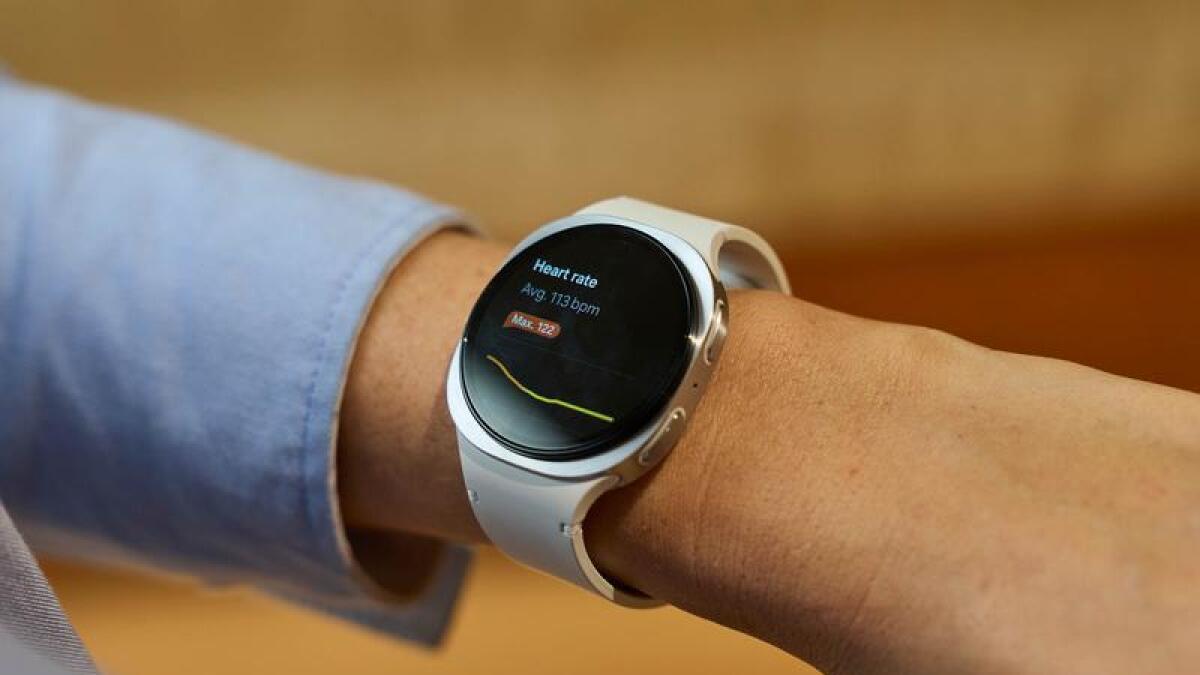
The Gear VR 2 can also tap into your heart rate and other biological signals to detect sleep. These biofeedback sensors track changes in your pulse, which typically slow down as you enter different sleep stages.
This data gives the device a more precise indication of your state beyond just movement. For example, if your heart rate drops and your motion is minimal, the Gear VR 2 confirms you’re likely asleep and can switch to a low-power or passive mode.
Eye Movement Monitoring
Eye movements reveal a lot about whether you’re awake or asleep, and the Gear VR 2 takes advantage of this. Using infrared sensors or cameras, it observes your eye activity, including blinking patterns and rapid eye movement (REM).
If your eyes stop focusing and show signs of sleep cycles, the VR system recognizes this as a cue to adjust its behavior. This technique makes sleep detection more reliable because your eyes provide direct signals about your alertness.
Have you ever noticed how your eyes behave just before falling asleep? The Gear VR 2 picks up on these subtle changes to better understand your state, ensuring it doesn’t disturb your rest.
Data Processing And Algorithms
Gear VR 2 tracks your movements and eye patterns to detect sleep. Its sensors send data to algorithms that analyze your activity. This helps the device know when you have fallen asleep.
Data processing and algorithms play a crucial role in understanding how Gear VR 2 detects sleep. This technology relies on sophisticated data handling to ensure accurate results. By integrating various sensor inputs, the device can determine if you’re asleep. Advanced algorithms then analyze this data for patterns that indicate sleep.Sensor Data Integration
Gear VR 2 collects data from various sensors. These sensors track movement, heart rate, and more. They work together to form a comprehensive picture of your current state. This integration allows the device to monitor subtle changes. For example, a decrease in movement and a steady heart rate may suggest sleep.Machine Learning In Sleep Detection
Machine learning enhances sleep detection accuracy. The system learns from user data to improve over time. It recognizes patterns associated with sleep onset. With each use, it becomes better at predicting when you’re sleeping. This continuous learning process makes the device more reliable.
Credit: newatlas.com
User Experience Enhancements
Gear VR 2 is designed to make your virtual reality experience seamless and intuitive, especially when it comes to managing your sleep. The device doesn’t just track your movements—it actively enhances how you interact with sleep mode. These user experience enhancements ensure that your transition into rest feels natural and personalized.
Automatic Sleep Mode Activation
Gear VR 2 uses built-in sensors to detect when you’re no longer actively engaged with the device. It monitors head movements and eye activity to figure out if you’ve fallen asleep. This means you don’t have to manually pause or turn off the VR session, allowing for a smooth shift into sleep mode without interruptions.
Think about the last time you tried to stop a video as you drifted off—it’s frustrating to wake up and find it still playing. Gear VR 2 removes this hassle by activating sleep mode automatically. This feature not only saves battery life but also protects your eyes from unnecessary strain.
Personalized Sleep Insights
Beyond just detecting sleep, Gear VR 2 collects data on your sleep patterns to offer personalized insights. It tracks how long you sleep, when you enter deep rest, and how often you wake up. These details help you understand your sleep quality better.
Imagine receiving tailored feedback that suggests the best times for your VR sessions or tips to improve your rest. With this information, you can adjust your habits for a healthier sleep routine. Have you ever wondered how your VR use might be affecting your sleep without you realizing it?
Privacy And Security
Privacy and security are important for devices like Gear VR 2. These devices collect data to understand if you are sleeping. Protecting this data keeps your personal information safe. It also builds trust between users and technology.
Data Protection Measures
Gear VR 2 uses strong security to protect your data. It encrypts information so no one else can read it. The device stores data safely on your phone or headset. It also updates software regularly to fix security issues.
Access to sleep data is limited to authorized apps only. This stops hackers from stealing your personal details. The company follows strict rules to keep your information private.
User Control Over Sensor Data
You control what sensor data Gear VR 2 collects. You can choose to turn off sleep tracking if you want. Settings allow you to manage permissions for apps and sensors.
Data sharing only happens with your permission. You can delete stored data anytime from the device. This puts you in charge of your personal information.
Future Developments
The future of Gear VR 2 holds exciting possibilities for sleep detection. Technology is advancing quickly, allowing devices to understand users better. These developments will make VR experiences more personal and comfortable. Gear VR 2 could soon offer smarter ways to track sleep and improve user health.
Advancements In Sensor Technology
New sensors will improve how Gear VR 2 detects sleep. Smaller and more accurate sensors can measure heart rate, eye movement, and brain activity. These details help the device know when the user is truly asleep. Improved sensors will also work better in different lighting and positions. This means the Gear VR 2 will provide more reliable sleep tracking anytime.
Potential New Features
Future Gear VR 2 models may include features focused on sleep health. The device might offer gentle wake-up alerts based on sleep cycles. It could track sleep quality and suggest rest improvements. Users might see real-time feedback on their relaxation levels. These features will turn Gear VR 2 into a helpful sleep companion, not just a headset.

Credit: newatlas.com
Frequently Asked Questions
How Does Gear Vr 2 Detect When You’re Sleeping?
Gear VR 2 uses built-in sensors to monitor your head movement and eye activity. It detects stillness and closed eyes, indicating sleep. The device analyzes this data to determine if you’re sleeping, ensuring an accurate and seamless user experience.
What Sensors Help Gear Vr 2 Know You’re Asleep?
The Gear VR 2 primarily uses gyroscopes and proximity sensors. These track your head position and whether your eyes are closed. Combined with motion data, they allow the device to recognize when you fall asleep effectively.
Can Gear Vr 2 Detect Sleep Without External Devices?
Yes, Gear VR 2 relies on its internal sensors and software algorithms. It does not require external devices to identify sleep. This built-in capability makes it convenient and user-friendly for tracking sleep status.
Why Does Gear Vr 2 Need To Detect If You’re Sleeping?
Detecting sleep helps Gear VR 2 optimize power consumption and user comfort. It can pause activities or switch modes to avoid discomfort. This feature enhances overall usability and extends battery life during inactive periods.
Conclusion
Gear VR 2 tracks your movements and eye patterns to detect sleep. It uses sensors to know when you close your eyes or stay still. This helps the device pause or adjust the experience. Such technology makes VR use safer and more comfortable.
Understanding how it works can improve your VR sessions. Sleep detection adds a thoughtful touch to virtual reality. It shows how tech can adapt to your needs. Simple, smart sensing keeps you engaged without strain.