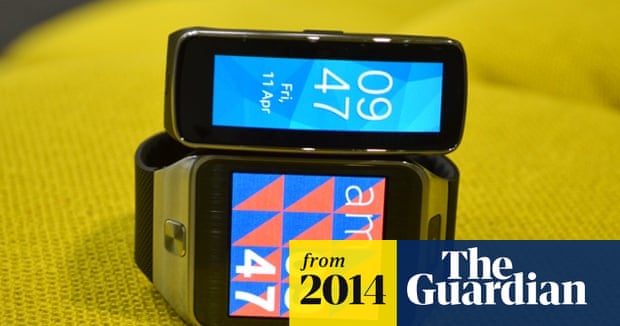
Are you curious if your Samsung Gear Fit 2 can track your REM sleep? Understanding your sleep patterns can unlock better rest and more energy during the day.
But not all fitness trackers measure every stage of sleep, especially REM, which is crucial for memory and mood. You’ll discover whether the Gear Fit 2 truly monitors REM sleep and how that insight can help improve your nights. Keep reading to find out what your device can do—and what it might be missing.
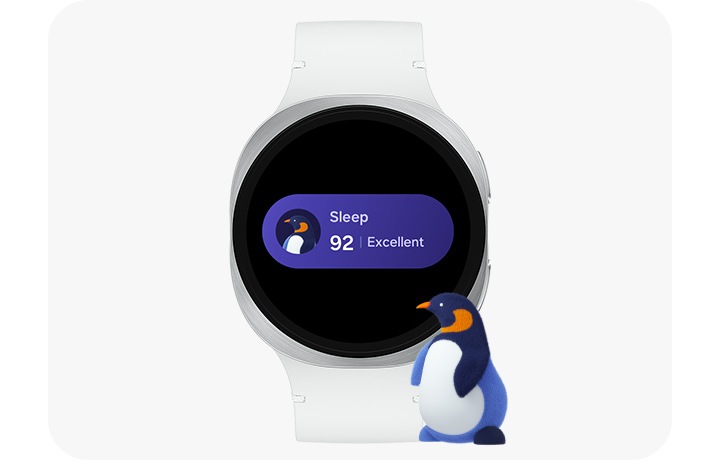
Credit: www.samsung.com
Samsung Gear Fit 2 Sleep Features
The Samsung Gear Fit 2 offers a range of sleep features designed to help you understand your nightly rest better. It tracks your sleep patterns automatically, giving you detailed insights without needing extra effort. These features make it easier to spot trends and improve your sleep quality over time.
Sleep Tracking Capabilities
The Gear Fit 2 uses built-in sensors to monitor your movements and heart rate while you sleep. It automatically detects when you fall asleep and wakes up, so you don’t have to start or stop tracking manually.
This device collects data throughout the night and syncs it with the Samsung Health app. You can then review your sleep duration, quality, and consistency in an easy-to-understand format. Have you noticed how small changes in your habits can affect your sleep score?
Types Of Sleep Monitored
The Gear Fit 2 tracks different sleep stages including light sleep, deep sleep, and REM sleep. Each stage plays a unique role in how rested you feel the next day.
- Light Sleep:Helps with memory and cognitive function.
- Deep Sleep:Crucial for physical recovery and muscle repair.
- REM Sleep:Important for emotional well-being and dreaming.
By breaking down your sleep into these categories, you get a clearer picture of your overall sleep health. Have you ever wondered if you’re getting enough REM sleep and what that means for your day-to-day energy?
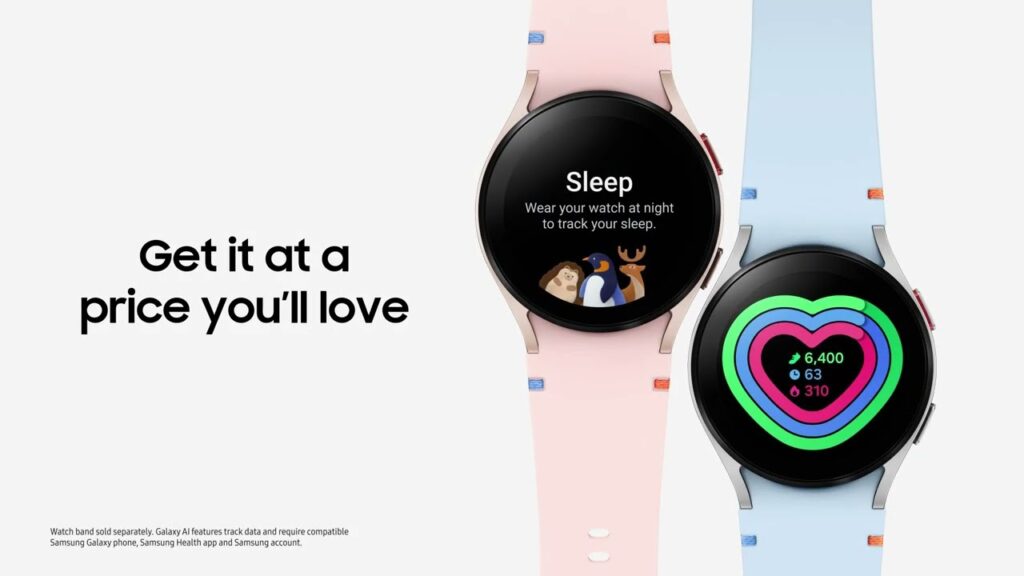
Credit: insights.samsung.com
Rem Sleep And Its Importance
Understanding REM sleep is key to grasping why tracking it matters for your overall health. REM, or Rapid Eye Movement sleep, plays a vital role in how your brain and body recover each night. If you want to improve your sleep quality and feel more refreshed, knowing what happens during REM sleep can guide you.
What Is Rem Sleep?
REM sleep is a unique phase of your sleep cycle characterized by quick eye movements and vivid dreaming. It usually starts about 90 minutes after you fall asleep and repeats several times throughout the night. This stage is different from deep sleep, as your brain becomes more active while your muscles stay relaxed.
During REM, your brain processes emotions and memories, helping you make sense of your daily experiences. Ever wondered why dreams feel so real? That’s because your brain activity during REM closely resembles when you are awake.
Benefits Of Rem Sleep
REM sleep supports mental and emotional well-being by boosting memory, creativity, and mood regulation. Without enough REM, you might notice difficulty concentrating or handling stress.
- Memory consolidation:REM helps transfer short-term memories into long-term storage.
- Emotional balance:It processes emotional experiences, reducing anxiety and depression risks.
- Brain development:REM is crucial for cognitive growth, especially in younger people.
Think about the last time you woke up feeling groggy after a restless night. It’s likely that your REM cycle was disrupted. Tracking REM sleep can reveal patterns you didn’t know affected your rest—and your daily performance.
How Gear Fit 2 Monitors Sleep
The Samsung Gear Fit 2 tracks your sleep by using built-in technology designed to detect your body’s movements and signals. It collects data every night to analyze sleep patterns. This gives insights into your sleep quality and duration.
The device focuses on capturing different sleep stages, including light sleep, deep sleep, and awake times. It aims to provide a clearer picture of your rest without extra tools or manual input.
Sensors Used
The Gear Fit 2 uses several sensors to monitor sleep:
- Accelerometer:Detects your movements and changes in position.
- Heart Rate Sensor:Measures your pulse to estimate sleep phases.
These sensors work together to track physical activity and heart rate variations. This data helps the device estimate when you fall asleep and wake up.
Data Collection Methods
The Gear Fit 2 collects data throughout the night automatically. It records your movements and heart rate continuously.
- The accelerometer tracks if you are still or moving.
- The heart rate sensor measures your beats per minute.
It then uses algorithms to analyze the combined data. The device estimates how long you spend in each sleep stage.
Note that the Gear Fit 2 does not directly measure REM sleep but infers sleep stages based on movement and heart rate patterns.
Accuracy Of Rem Sleep Detection
Understanding how accurately the Samsung Gear Fit 2 tracks your REM sleep can help you decide if it’s the right device for your sleep health. REM sleep is crucial because it affects memory, mood, and overall brain function. If your tracker misreads this stage, you might not get the full picture of your sleep quality.
The Gear Fit 2 uses a combination of heart rate monitoring and movement data to estimate when you enter REM sleep. While this technology is impressive for a wearable, it doesn’t replace clinical sleep studies. Still, many users find its REM sleep data useful for spotting trends and making small lifestyle changes.
User Reviews And Experiences
Many users report that the Gear Fit 2 provides a reasonable estimate of their REM sleep duration. Some say it matches how rested they feel in the morning, which suggests decent accuracy. However, others notice inconsistencies, especially on nights with restless sleep.
One user shared how their REM sleep percentage suddenly dropped during a stressful week, aligning with their own feeling of fatigue. This kind of feedback shows the device can reflect your body’s reactions to daily stressors. But if you want pinpoint precision, some users recommend supplementing with a sleep journal or other methods.
Comparison With Other Devices
| Device | REM Sleep Detection Method | Accuracy Level | User Feedback |
|---|---|---|---|
| Samsung Gear Fit 2 | Heart rate + motion sensors | Moderate | Generally reliable but occasional errors reported |
| Fitbit Charge 5 | Heart rate + SpO2 + motion | High | More consistent REM tracking, praised by users |
| Apple Watch Series 8 | Heart rate + motion + advanced algorithms | High | Accurate REM data, with detailed sleep stage insights |
Compared to newer devices, the Gear Fit 2’s REM sleep detection is good but not top-tier. Newer wearables use additional sensors, like blood oxygen levels, to improve accuracy. If precise REM tracking is your priority, you might consider these options.
Ask yourself: is general REM trend information enough, or do you need detailed, clinical-level accuracy? Your answer will guide how much trust you place in the Gear Fit 2’s REM sleep data.
Limitations Of Gear Fit 2 Sleep Tracking
The Samsung Gear Fit 2 offers sleep tracking that many users find helpful for monitoring their rest patterns. However, it’s important to recognize its limitations, especially when it comes to tracking REM sleep. Understanding these drawbacks can help you interpret the data more wisely and avoid relying too heavily on the device for detailed sleep analysis.
Potential Inaccuracies
The Gear Fit 2 uses motion sensors and heart rate data to estimate your sleep stages, but this method isn’t always precise. It may confuse periods of stillness during wakefulness with light sleep, leading to inaccurate sleep duration reports.
REM sleep detection is particularly tricky because it requires monitoring brain activity, which the Gear Fit 2 cannot do. As a result, it often estimates REM based on patterns that may not reflect your actual sleep cycle.
Have you ever noticed your device showing more REM sleep than you expected after a restless night? This happens because the Gear Fit 2 can misinterpret your movements, which could lead to misleading conclusions about your sleep quality.
Factors Affecting Data Quality
Several factors can impact the accuracy of the Gear Fit 2’s sleep tracking. Wearing the device too loosely or too tightly can affect heart rate readings, which are crucial for estimating sleep stages.
Environmental influences like room temperature, noise, and even your sleeping position can also interfere with the sensors. If your wrist moves a lot or if you share a bed with a restless partner, the data might be less reliable.
Also, the battery level and software updates play a role; outdated firmware or low battery can cause the tracker to miss or misrecord sleep periods. Are you checking these details regularly to ensure the best data quality?
Improving Sleep Tracking Results
Samsung Gear Fit 2 can track your sleep patterns, but its REM sleep detection is basic. Improving results needs wearing it correctly and syncing data regularly. Tracking accuracy may vary based on individual sleep habits and device settings.
Improving sleep tracking results with your Samsung Gear Fit 2 can make a significant difference in understanding your sleep patterns. By optimizing the way your device functions and interacts with your daily habits, you can get more precise data, especially when it comes to tracking REM sleep. Whether you’re aiming to enhance your overall health or simply curious about your sleep quality, making a few adjustments can provide clearer insights.Tips For Better Accuracy
To achieve better accuracy in sleep tracking, start by wearing your Gear Fit 2 snugly. A secure fit ensures the sensors can accurately detect your movements and heart rate, which are crucial for monitoring REM sleep. If you find your device too loose, consider adjusting the strap to maintain consistent contact with your skin. Another practical tip is to keep your device clean. Dust and sweat can interfere with sensor readings. Regularly wipe down your Gear Fit 2, especially after workouts or any activity that causes perspiration. Consider your sleeping position as well. If you tend to sleep on your arm or hand, the device might have trouble tracking your sleep accurately. Experiment with different positions to see which gives the best results.Device Settings To Adjust
Adjusting your device settings can also improve sleep tracking results. First, make sure your Gear Fit 2 is updated with the latest software. Updates often include performance improvements that can enhance tracking accuracy. In your device settings, ensure that sleep tracking is enabled and optimized. You can usually find these options in the health or sleep sections of the Samsung Health app. Also, review your notification settings. If your device vibrates or lights up frequently during the night, it might disrupt your sleep and skew results. Adjust notifications to minimize disturbances without missing important alerts. Taking these steps can greatly improve the data your Gear Fit 2 provides, giving you a clearer picture of your sleep health. Are you ready to make these adjustments and discover what’s really happening during your sleep?Alternatives For Rem Sleep Tracking
If you’re curious about tracking your REM sleep but find the Samsung Gear Fit 2 limited in this area, don’t worry. There are several alternatives that can provide more detailed insights into your sleep cycles. These options range from other wearable devices to non-wearable sleep trackers, each offering unique features to help you understand your sleep better.
Other Wearable Devices
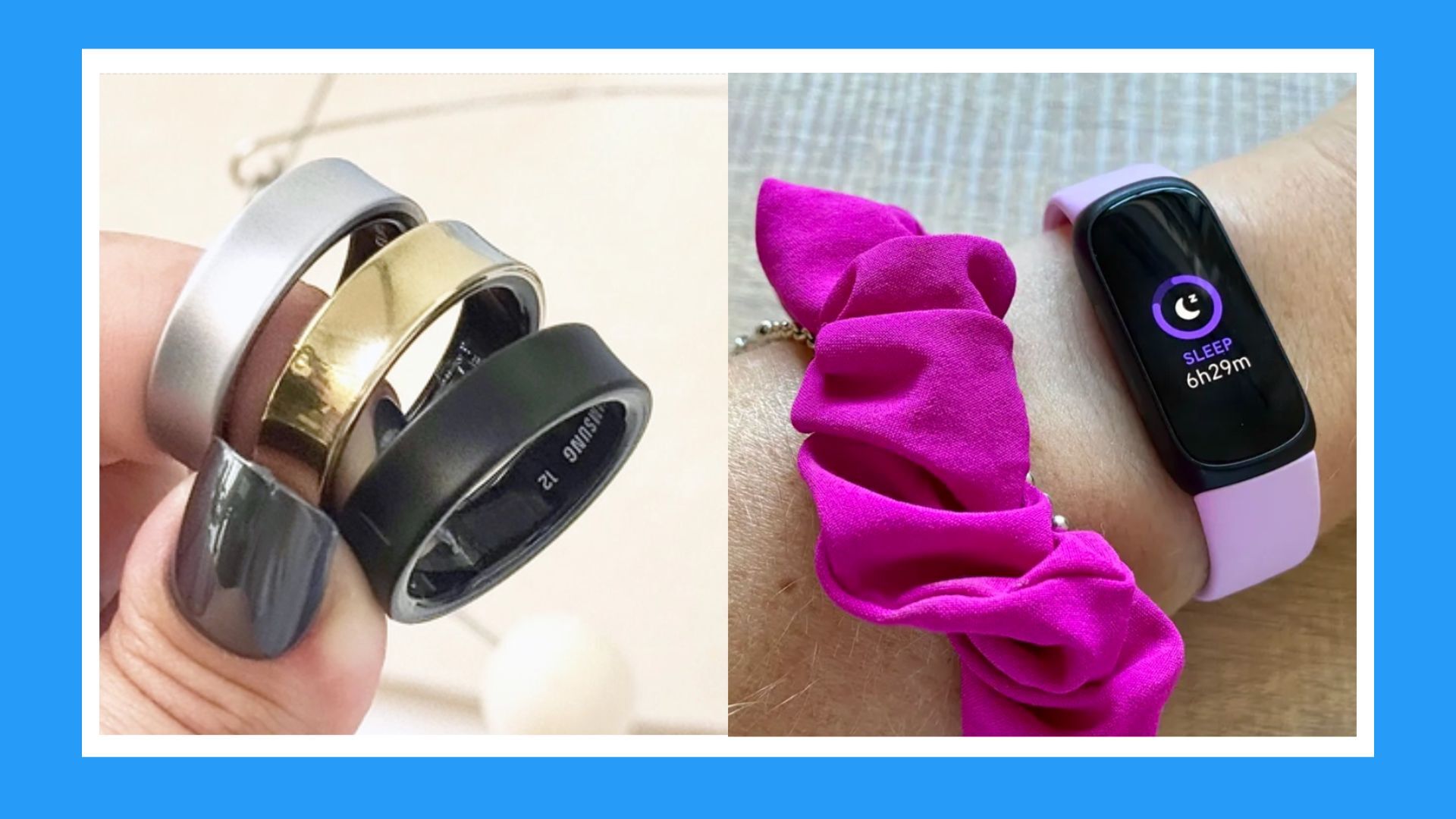
Many wearable devices now offer advanced REM sleep tracking using heart rate variability and motion sensors. For instance, the Fitbit Charge 5 and the Oura Ring stand out for their accuracy and detailed sleep stage analysis.
- Fitbit Charge 5:Tracks light, deep, and REM sleep, giving you a clear picture of your sleep quality.
- Oura Ring:Provides in-depth sleep reports, including REM duration and timing, with minimal discomfort.
- Garmin Vivosmart 5:Offers comprehensive sleep stage data, including REM, and integrates well with fitness tracking.
Choosing a device that fits your lifestyle is key. Would you prefer a wristband, ring, or even a clip-on? Comfort can impact how consistently you wear the tracker, affecting the accuracy of your sleep data.
Non-wearable Sleep Trackers
If wearing a device during sleep isn’t your style, non-wearable trackers are a solid alternative. These devices typically use sensors placed under your mattress or on your bedside table to monitor sleep without any direct contact.
- Withings Sleep Analyzer:Slides under your mattress and tracks sleep stages, including REM, plus breathing disturbances.
- ResMed S+:Uses sonar technology from your bedside to analyze sleep cycles without wires or wearables.
- Emfit QS:Designed for athletes, it provides detailed sleep stage tracking and recovery insights by sitting under your mattress.
Non-wearable options can be less intrusive and easier to maintain. Do you think removing the hassle of wearing a device might encourage you to track your sleep more consistently?
Credit: www.tomsguide.com
Frequently Asked Questions
Does Samsung Gear Fit 2 Track Rem Sleep Accurately?
The Samsung Gear Fit 2 tracks sleep stages, including REM sleep. However, accuracy may vary compared to medical devices. It uses heart rate and movement data to estimate REM phases, offering useful but approximate insights into your sleep quality.
How To Enable Rem Sleep Tracking On Gear Fit 2?
REM sleep tracking is automatically enabled when you wear the Gear Fit 2 during sleep. Ensure the device is snug and heart rate monitoring is active. Use the Samsung Health app to view detailed sleep stage data, including REM sleep.
Can Gear Fit 2 Differentiate Rem From Deep Sleep?
Yes, Gear Fit 2 differentiates REM sleep from deep and light sleep. It analyzes heart rate variability and movements. While not as precise as clinical tools, it provides helpful trends and patterns for better sleep understanding.
Is Rem Sleep Data Synced With Samsung Health App?
All REM sleep data tracked by Gear Fit 2 syncs seamlessly with the Samsung Health app. You can review your sleep stages, duration, and quality in detailed graphs and reports for improved sleep management.
Conclusion
The Samsung Gear Fit 2 offers basic sleep tracking features. It records total sleep time and light sleep well. Tracking REM sleep, though, is less accurate on this device. Users should not rely on it for detailed REM analysis. For better sleep insights, consider specialized sleep trackers.
The Gear Fit 2 still helps you understand overall sleep patterns. It supports healthier habits by showing your sleep duration. Simple and easy to use, it suits casual users. Keep expectations clear about its sleep tracking limits. This helps you make smarter choices for better rest.