Are you ready to face the challenges of the “Way Home” quest? Choosing the right gear can make all the difference between success and failure.
You need equipment that keeps you safe, helps you move quickly, and solves problems on the fly. Wondering exactly what to pack? This guide breaks down the essential gear you must have to survive and complete your journey. Keep reading to discover the tools that will turn your quest into a winning adventure.
Essential Survival Gear
Choosing the right gear is key for survival in the Way Home quest. The right items keep you safe, warm, and ready for challenges. Packing smart helps you carry less but do more.
Focus on gear that fits your needs and environment. Quality and practicality matter most. Here are the essentials you need to consider.
Backpack Selection
Select a backpack with good support and enough space. Look for strong straps and padded back panels. A backpack with multiple compartments helps organize gear. Choose a size that feels comfortable when full. Water-resistant material protects your items from rain.
Clothing And Footwear
Wear clothes that dry quickly and keep you warm. Layering helps adjust to temperature changes. Pick sturdy boots with good grip and ankle support. Avoid cotton; synthetic fabrics dry faster. Bring extra socks to prevent blisters and cold feet.
Shelter And Sleeping Gear
Carry a lightweight tent or tarp for shelter. A sleeping bag suited for cold weather is vital. Use a sleeping pad to stay insulated from the ground. Make sure all items pack down small and light. Shelter gear keeps you safe from weather and bugs.

Credit: www.reddit.com
Tools And Equipment
Tools and equipment form the backbone of survival in A Way Home Quest. They help you overcome challenges and make your journey safer. Choosing the right tools can save time and energy. Every item in your kit should have a clear use. Carrying unnecessary gear only adds weight and slows you down.
Knives And Multi-tools
Knives are essential for cutting, building, and protection. A sharp, sturdy blade handles most tasks. Multi-tools combine several functions in one device. They often include pliers, screwdrivers, and scissors. This saves space and reduces the number of items you carry. Choose tools with good grip and durability. Keep them clean and sharp for best use.
Fire Starters
Fire starters are crucial for warmth, cooking, and signaling. Matches and lighters work well but can fail when wet. Flint and steel last long and work in all weather. Some players prefer fire starter kits with tinder included. Carry more than one fire-starting method for safety. Practice starting fires before the quest to build skill.
Navigation Aids
Knowing your location keeps you on the right path. A compass is simple and reliable for direction. Maps provide a visual of your surroundings and routes. GPS devices offer precise location but need batteries. Combine traditional tools with modern tech for best results. Always have a backup navigation aid in case one fails.
Food And Water Supplies
Food and water supplies are vital for survival in a Way Home quest. Staying hydrated and nourished keeps energy high. Proper gear for these needs helps you last longer. Planning ahead avoids hunger and dehydration problems.
Choosing the right items ensures safety and convenience. Carrying heavy or bulky items slows you down. Smart choices balance weight, space, and nutrition. Water and food are your top priorities in any survival situation.
Water Purification Methods
Clean water is essential for health and survival. Carry portable filters to remove bacteria and dirt. Boiling water kills germs but needs fuel and time. Chemical tablets or drops are lightweight and easy to use. Each method fits different situations and gear limits.
Non-perishable Food Options
Pack foods that last long without refrigeration. Canned beans, dried fruits, and nuts provide good energy. Freeze-dried meals save weight and cooking time. Energy bars and jerky make good quick snacks. Choose foods rich in protein and calories.
Cooking Gear
Lightweight stoves help cook meals quickly outdoors. Small pots and pans suit boiling and heating needs. Carry fuel that works with your stove type. Utensils should be compact and multi-purpose. Cooking gear must be easy to carry and clean.

Credit: www.amazon.com
Safety And First Aid
Safety and first aid are key for any survival journey in A Way Home Quest. This gear keeps you ready for accidents and dangers. Carrying the right items helps you handle injuries and stay safe. Prepare well to protect yourself and others during the quest.
Basic First Aid Kit
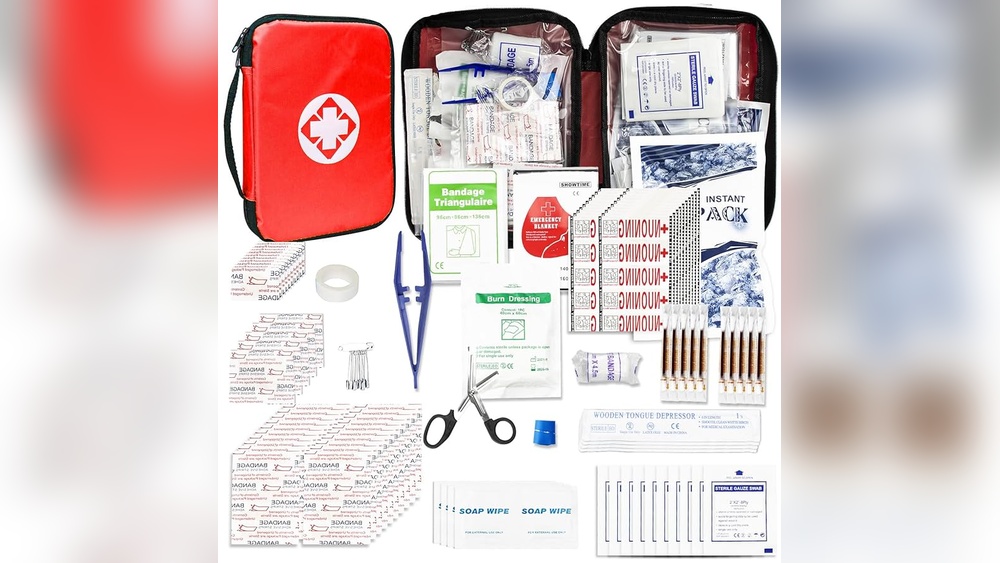
A first aid kit is a must-have for survival. Pack bandages, antiseptic wipes, and gauze pads. Include pain relievers and tweezers too. These items treat cuts, scrapes, and minor wounds fast. Keep your kit compact and easy to carry.
Emergency Signaling Devices
Signaling tools help you call for help when lost. A whistle is loud and light to carry. A mirror can reflect sunlight to attract attention. Bright-colored flags or glow sticks work well at night. Always have a way to signal nearby help.
Personal Protection Items
Protect yourself from dangers with personal gear. Carry gloves to avoid cuts and infections. Use a face mask to block dust and germs. A small flashlight helps you see in the dark. These items improve your safety and comfort outdoors.
Technology And Gadgets
Technology plays a key role in survival quests. It helps players stay connected, find their way, and manage resources. Choosing the right gadgets improves the chances of success. These tools should be reliable and easy to use. They must also save energy and last long in tough conditions.
Communication Devices
Communication devices keep players in touch with teammates and guides. Two-way radios are common for short distances. They work without internet or cell signals. Satellite phones offer wider coverage but cost more. Walkie-talkies are lightweight and easy to carry. Choose devices with strong batteries and clear sound.
Power Sources And Chargers
Power sources keep gadgets running during the quest. Portable power banks are popular for charging phones and radios. Solar chargers use sunlight and never run out of fuel. Hand-crank chargers work without batteries or power. Always carry backup power to avoid being stuck without energy.
Lighting Solutions
Lighting helps players see in the dark or signal for help. Headlamps leave hands free for other tasks. LED flashlights use less energy and last longer. Glow sticks provide emergency light without batteries. Pick lights with adjustable brightness for different needs.
Credit: www.popsci.com
Packing Tips For Survival
Packing for a survival quest requires careful thought. The right gear can make a big difference. Focus on packing smart, not just packing a lot. Every item should serve a purpose. Organize your gear well to keep it ready and easy to find. Think about the environment and your journey. Prepare for all conditions and challenges ahead.
Weight Management
Carry only what you need. Heavy loads slow you down and use more energy. Choose lightweight tools and gear. Distribute weight evenly in your pack. Keep the heaviest items close to your back. Regularly check your bag and remove unnecessary items. This helps keep your pace steady and your body less tired.
Accessibility And Organization
Arrange gear by how often you use it. Place essential items where you can grab them fast. Use compartments and small bags to separate gear types. Label or color-code if possible. This saves time in emergencies. Avoid digging through your pack for important tools. Stay organized to stay safe and efficient.
Weather Considerations
Prepare for all weather types. Pack waterproof clothing and covers. Include items for warmth, like gloves and hats. Bring sun protection such as hats and sunscreen. Check weather forecasts before packing. Adjust your gear based on expected conditions. Staying dry and comfortable helps keep your energy and focus high.
Customizing Gear For Your Environment
Customizing gear based on your environment improves survival chances in A Way Home Quest. Different settings demand unique tools and equipment. Choosing the right gear helps you adapt quickly and stay safe.
Forest And Wilderness Survival
In forests, carry lightweight and durable gear. A good knife and fire starter are essential. Waterproof clothing protects from rain and dampness. A sturdy backpack helps carry supplies easily. Include a map and compass for navigation.
Urban Survival Needs
Urban areas require compact and multi-use gear. Carry a flashlight with extra batteries. A small first aid kit is vital. Have a reliable means of communication. Wear comfortable shoes for quick movement. Keep some cash and ID close.
Desert And Arid Conditions
Desert gear focuses on hydration and sun protection. Carry a large water supply or purification tools. Lightweight, breathable clothing prevents overheating. A wide-brimmed hat shields from the sun. Sunglasses protect eyes from glare. Include a signal mirror for emergencies.
Frequently Asked Questions
What Is The Best Gear For Survival: A Way Home Quest?
The best gear includes a sturdy backpack, survival knife, water purifier, and first aid kit. These items ensure safety, hydration, and essential medical aid during the quest.
How To Choose Gear For Survival: A Way Home?
Focus on lightweight, durable, and multi-functional gear. Prioritize items that save space and offer practical uses in survival situations.
Why Is A Survival Knife Essential In The Quest?
A survival knife aids in cutting, food preparation, and self-defense. It is a versatile tool critical for various survival tasks.
What Type Of Water Purifier Suits The Quest?
Compact, portable water purifiers like UV pens or filtration straws are ideal. They ensure safe drinking water from natural sources.
Conclusion
Choosing the right gear makes your survival quest easier and safer. Focus on items that help you explore, defend, and heal quickly. Carry only what fits your needs to move fast and stay alert. Remember, simple tools often work best in tough situations.
Prepare well, stay calm, and keep your goal clear. Success comes with smart choices and careful planning. Ready your gear and face the adventure ahead with confidence.