When disaster strikes, having the right food stored can make all the difference for you and your loved ones. But what types of food should you keep on hand to stay safe, healthy, and comfortable?
Choosing the right emergency food isn’t just about filling a pantry—it’s about preparing wisely so you don’t waste space, money, or time later. You’ll discover easy-to-store, nutritious foods that can help you stay strong when it matters most. Keep reading to learn exactly what you need to have ready before an emergency catches you off guard.
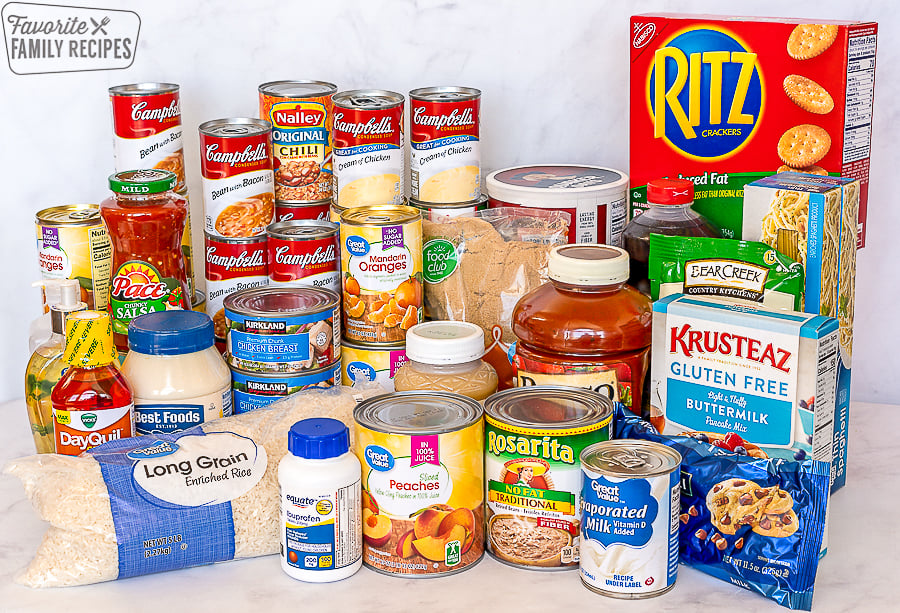
Credit: www.favfamilyrecipes.com
Long-lasting Staples
Long-lasting staples form the backbone of any emergency food supply. These foods store well over time and provide essential nutrients to keep you energized and healthy. Choosing the right staples can make a big difference during uncertain times.
Grains And Rice
Grains like wheat, oats, and barley offer a versatile base for many meals. Rice, especially white and jasmine varieties, can last for years if stored properly. You might be surprised how a simple bowl of rice can fuel your day when fresh food is scarce.
Keep your grains in airtight containers to protect them from moisture and pests. Consider adding a few oxygen absorbers to extend shelf life even more. Have you checked your pantry lately to see if you have enough grains to last a month or more?
Dried Beans And Lentils
Dried beans and lentils are nutritional powerhouses packed with protein and fiber. They store well for years and are easy to prepare with just water and heat. I once relied on lentils during a power outage—they kept me full and gave me energy without needing refrigeration.
Store them in cool, dry places away from sunlight. Experiment with different types like black beans, chickpeas, or red lentils to keep your meals interesting. How many varieties of dried beans do you have ready for your emergency kit?
Pasta Varieties
Pasta is a quick and easy staple that lasts a long time when kept dry. From spaghetti to penne, having a variety helps you avoid mealtime boredom during emergencies. I’ve found that pairing pasta with canned or dried sauces creates a comforting meal even in tough situations.
Store pasta in sealed containers to keep it fresh and free from pests. Consider whole grain options for added nutrition. What’s your favorite pasta type to stock up on for emergencies?
Canned And Jarred Goods
Canned and jarred goods offer a reliable food source during emergencies. They last long and require no refrigeration. These foods retain nutrients and flavors well. Stocking a variety ensures balanced meals. Easy to open and use, they suit any emergency kit.
Vegetables And Fruits
Canned vegetables and fruits provide essential vitamins and minerals. Choose low-sodium vegetables to reduce salt intake. Popular options include peas, corn, and green beans. For fruits, pick peaches, pears, and pineapple in natural juice. These items can be eaten alone or added to meals.
Meats And Fish
Canned meats and fish deliver good protein for energy. Options like chicken, turkey, and beef are common. Fish choices include tuna, salmon, and sardines. These foods are ready to eat or cook with. They help maintain muscle and keep hunger away.
Soups And Stews
Canned soups and stews combine several food groups in one. They often contain vegetables, meats, and grains. Choose low-sodium and low-fat options when possible. These meals heat quickly and provide comfort during stress. Perfect for quick, warm, and filling food.
Shelf-stable Proteins
Shelf-stable proteins like canned beans, tuna, and peanut butter are essential for emergencies. They provide vital nutrients and have long shelf lives. Stock these to ensure a reliable protein source during uncertain times.
Shelf-stable proteins are crucial in emergency food storage. They provide essential nutrients and energy. These proteins have a long shelf life, making them ideal for emergencies. They help maintain muscle mass and support overall health. Let’s explore some essential shelf-stable protein options.Powdered Milk And Eggs
Powdered milk is a versatile protein source. It can be reconstituted with water for cooking or drinking. It is rich in calcium and vitamins. Powdered eggs are another great option. They provide protein without refrigeration. They can be used in baking or scrambled for breakfast. Both are lightweight and easy to store.Nut Butters
Nut butters offer a dense source of protein. Peanut, almond, and cashew butters are popular choices. They contain healthy fats and essential nutrients. Nut butters are great for spreading on bread or crackers. They can also be eaten straight from the jar. Their long shelf life makes them perfect for emergencies.Jerky And Dried Meats
Jerky is a tasty protein option. It is made from beef, chicken, or turkey. Dried meats have a long shelf life. They are lightweight and easy to store. Jerky is rich in protein and low in fat. It is a great snack for energy during emergencies. Keep a variety of flavors on hand for variety.Ready-to-eat Meals
Ready-to-eat meals are a smart choice for emergency food storage. They require little to no preparation, which can be a lifesaver when power or water is limited. These meals offer convenience without sacrificing nutrition, making them perfect for unexpected situations.
Freeze-dried Options
Freeze-dried foods last for years without refrigeration, keeping their taste and nutrients intact. You just add water, and within minutes, you have a hot meal ready to eat. From fruits and vegetables to full entrees like pasta or chicken dishes, the variety is impressive.
Think about packing some freeze-dried chili or scrambled eggs. They are lightweight and easy to carry, which is great if you need to evacuate quickly. Have you ever tried a freeze-dried breakfast? It might surprise you how good it tastes.
Mres And Meal Bars
Meals Ready-to-Eat (MREs) were originally designed for the military but are now widely available for civilians. Each MRE contains a full meal with an entree, side, dessert, and even utensils. They’re sturdy, compact, and don’t need heating.
Meal bars are another great option. They’re dense in calories and nutrients and perfect for quick energy boosts. Keep a variety of flavors on hand to avoid taste fatigue during longer emergencies.
Instant Soups And Noodles
Instant soups and noodles are comfort food that can also sustain you during tough times. Just add hot water, and within minutes, you have a warm, filling meal. Many brands offer low-sodium and nutrient-fortified versions, making them healthier choices.
These meals are handy when you want something simple but satisfying. Plus, they pack easily and have a long shelf life. What’s your go-to soup flavor that could double as a survival meal?
Essential Fats And Oils
Essential fats and oils play a key role in emergency food storage. They provide energy and help the body absorb vitamins. These fats also support brain and heart health. Choosing the right types ensures long shelf life and nutritional value. Store fats and oils that stay fresh without refrigeration. This way, you have healthy options even during power outages or supply disruptions.
Cooking Oils
Cooking oils are vital for preparing meals and adding flavor. Pick oils with a long shelf life and good heat stability. Some great choices include:
- Olive oil – rich in healthy fats and antioxidants
- Canola oil – neutral taste and versatile
- Coconut oil – solid at room temperature and lasts long
- Avocado oil – high smoke point, good for frying
Store oils in a cool, dark place to prevent spoilage. Use airtight containers to keep oils fresh longer.
Shelf-stable Butter Alternatives
Butter alternatives help when refrigeration is unavailable. They offer similar taste and fat content without spoiling quickly. Common shelf-stable options include:
- Ghee – clarified butter with a long shelf life
- Hydrogenated shortening – solid fat that stores well
- Powdered butter – easy to store and rehydrate
- Plant-based margarine – shelf stable if unopened
Choose options that fit your cooking needs and storage space. Rotate supplies to keep them fresh and ready to use.

Credit: trueprepper.com
Baking And Cooking Essentials
Baking and cooking essentials form the backbone of your emergency food storage. These staples let you create a variety of meals, making your emergency diet more enjoyable and nutritious. Storing the right basics ensures you’re prepared to bake bread, cook meals, and add flavor even when fresh ingredients are scarce.
Flour And Baking Mixes
Flour is a must-have for baking bread, pancakes, and thickening sauces. Choose versatile options like all-purpose flour or whole wheat flour that last long when stored properly. Baking mixes, such as pancake or biscuit mixes, can save time and effort, especially when you want quick meals without measuring every ingredient.
Think about your favorite baked goods. Would you want to bake from scratch or use a ready mix? Having both options can be a real lifesaver in an emergency.
Sugar And Sweeteners
Sugar isn’t just for sweetness; it helps with baking structure and food preservation. Keep granulated sugar, brown sugar, and powdered sugar on hand. Also consider natural sweeteners like honey or maple syrup—they last long and add unique flavors.
How often do you rely on sugar to balance flavors or give energy? In emergencies, a little sweetness can boost morale and energy levels.
Salt And Spices
Salt is essential not only for flavor but also for preserving foods and maintaining electrolyte balance. Stock up on iodized salt and kosher salt for different uses. Spices like black pepper, garlic powder, and dried herbs bring life to simple meals and prevent food fatigue.
What would your meals taste like without spices? Even a pinch can transform a bland dish into something satisfying during tough times.
Hydration And Beverages
Staying hydrated during an emergency is crucial. Your body needs fluids to function properly, especially when stress and physical exertion increase. Planning your emergency food storage means giving hydration the attention it deserves, beyond just plain water.
Water Storage
Water is the foundation of your hydration plan. Store at least one gallon of water per person per day, aiming for a minimum two-week supply. Use clean, food-grade containers and rotate your stock every six months to keep water fresh.
Consider using water purification tablets or filters as a backup. Have you thought about where you’ll store your water to keep it cool and safe? A dark, cool spot can help maintain quality longer.
Powdered Drink Mixes
Powdered drink mixes add flavor and variety to your water, encouraging you to drink more. Choose mixes that provide vitamins or energy, like vitamin C powders or instant green tea. Avoid those with high sugar content, as sugar can dehydrate you further.
These mixes are lightweight and take up little space, making them ideal for compact emergency kits. Have you tested how your family reacts to these flavors? Sometimes a familiar taste can boost morale when times get tough.
Electrolyte Replacements
Electrolytes keep your body’s fluids balanced, essential for muscle function and preventing cramps. Store electrolyte tablets, powders, or ready-made drinks designed for emergencies. They help replace salts lost through sweat, especially if you are physically active or in hot weather.
Look for options low in sugar and free from artificial additives. How will you ensure you have enough electrolytes for everyone in your group? Planning for all ages and health needs can make a big difference.
Nutritional Supplements
Nutritional supplements are essential to keep your body functioning well during an emergency. While storing regular food is important, supplements fill the gaps in your diet that might occur when fresh produce or variety is limited. They are compact, long-lasting, and can provide critical nutrients to support your health when you need it most.
Vitamins And Minerals
Vitamins and minerals play a key role in maintaining your immune system, energy levels, and overall health. You can store multivitamins that cover a broad range of nutrients like vitamin C, D, zinc, and calcium. These help prevent deficiencies that might arise from eating the same non-perishable foods every day.
Look for supplements in pill or powder form with a long shelf life. You might want to include specific minerals like magnesium or iron if you know you need them. Remember, taking supplements isn’t a free pass to ignore balanced eating, but during emergencies, they act as a valuable backup.
Protein Powders
Protein is crucial for muscle repair, immune function, and keeping your energy steady. In an emergency, fresh protein sources like meat, dairy, or eggs may spoil quickly. Protein powders, such as whey, soy, or pea protein, provide a convenient way to meet your protein needs without refrigeration.
Choose powders that mix easily with water and have minimal added sugars or artificial ingredients. They’re lightweight and take up little space, making them perfect for emergency kits. Have you considered how long your body can sustain without proper protein? Storing protein powder is a simple way to ensure you’re covered.
Storage Tips
Storing food properly during an emergency is as important as choosing the right types of food. Your storage strategy can make the difference between a nutritious meal and spoiled supplies. Paying attention to how you package, rotate, and store your food ensures it stays fresh and safe when you need it most.
Packaging And Containers
Choose airtight containers to keep moisture and pests out. Glass jars with tight lids work well for grains and dried beans. For longer storage, vacuum-sealed bags or Mylar bags with oxygen absorbers can extend shelf life significantly.
Plastic containers should be food-grade and BPA-free to avoid contamination. Remember, resealable packaging helps keep food fresh after opening. Have you checked if your containers protect against light and air? These factors speed up spoilage.
Rotation And Shelf Life
Use the “first in, first out” rule to prevent food waste. Place newly purchased items behind older ones on your shelves. Label containers with purchase or packing dates to track freshness easily.
Different foods have different shelf lives—canned goods can last for years, while dried fruits may only stay good for about a year. Regularly inspect your supplies for signs of spoilage. How often do you check your emergency stockpile?
Safe Storage Conditions
Keep your food in a cool, dark, and dry place to maintain its quality. Temperatures between 50°F and 70°F (10°C to 21°C) are ideal for most stored foods. Avoid storing near heat sources or in direct sunlight.
Humidity can cause mold and spoilage. Using silica gel packets or dehumidifiers helps control moisture. Your storage area should also be pest-proof—seal cracks and use containers that pests can’t chew through.
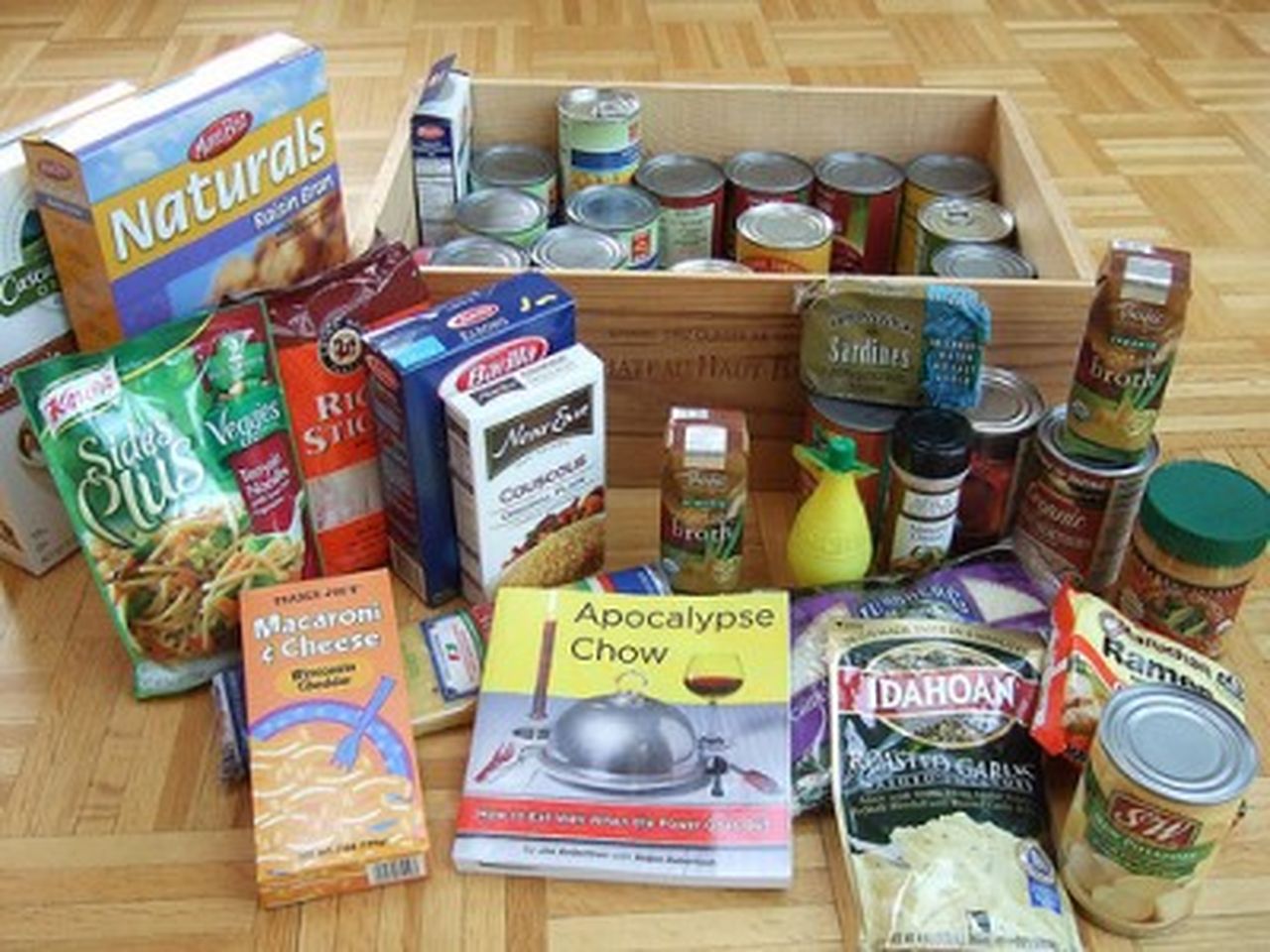
Credit: www.smithsonianmag.com
Frequently Asked Questions
What Are The Best Long-lasting Emergency Foods?
Best long-lasting emergency foods include canned goods, dried beans, rice, pasta, and freeze-dried meals. These foods have extended shelf lives and require minimal preparation. They provide essential nutrients and energy during emergencies, making them ideal for long-term storage.
How Much Food Should I Store For Emergencies?
Store at least a two-week supply of food per person. This amount covers basic nutritional needs during disruptions. Consider storing extra food for children, elderly, or those with special diets. Rotate supplies regularly to maintain freshness and safety.
Which Foods Are Easiest To Store Without Refrigeration?
Dry grains, canned vegetables, nuts, and powdered milk store well without refrigeration. These foods resist spoilage and maintain nutrients over time. Choose sealed packaging to protect against moisture and pests. They offer convenience and reliability during power outages or disasters.
Can I Store Fresh Food For Emergencies?
Fresh foods have short shelf lives and require refrigeration. Instead, focus on preserving fresh produce by freezing, canning, or dehydrating. These methods extend usability and retain nutrients. Always plan storage based on your available space and emergency duration.
Conclusion
Choosing the right foods to store helps you stay prepared and safe. Focus on items that last long and give good nutrition. Canned goods, dry grains, and frozen foods work well. Don’t forget water and easy-to-cook meals. Rotate your supplies to keep them fresh.
Planning ahead reduces stress during emergencies. Small steps now make a big difference later. Stay ready, stay calm, and protect your family. Food storage is simple but important. Start today, and you will thank yourself tomorrow.