Have you ever wondered what it really takes to survive alone in the wild? Imagine being dropped in an unfamiliar place with nothing but your wits and a few essential items.
What gear would you rely on to stay safe, find food, and keep warm? Knowing the right survival gear can mean the difference between struggle and success. You’ll discover the must-have tools and equipment that can help you face the elements with confidence.
Keep reading, and you’ll learn exactly what to pack to protect yourself when you’re truly on your own.
Key Survival Gear
Survival gear is crucial for anyone facing the wild alone. It helps protect you and keeps you alive. The right tools make a big difference in tough conditions. Here are the key items needed for survival.
Shelter protects from weather and keeps you warm. A lightweight tent or tarp works well. Sleeping bags or blankets help retain body heat. Know how to use natural materials for extra cover.
Clean water is a must for survival. Carry water filters or purification tablets. A durable water bottle or container is vital. Learn to collect rainwater or find safe water sources.
Fire provides warmth, light, and a way to cook food. Waterproof matches or a lighter are easy to use. Flint and steel tools work without fuel. Practice starting fires safely before you go.
Knowing your direction prevents getting lost. A compass is simple and reliable. Maps help you plan your route. GPS devices add extra help but need batteries.
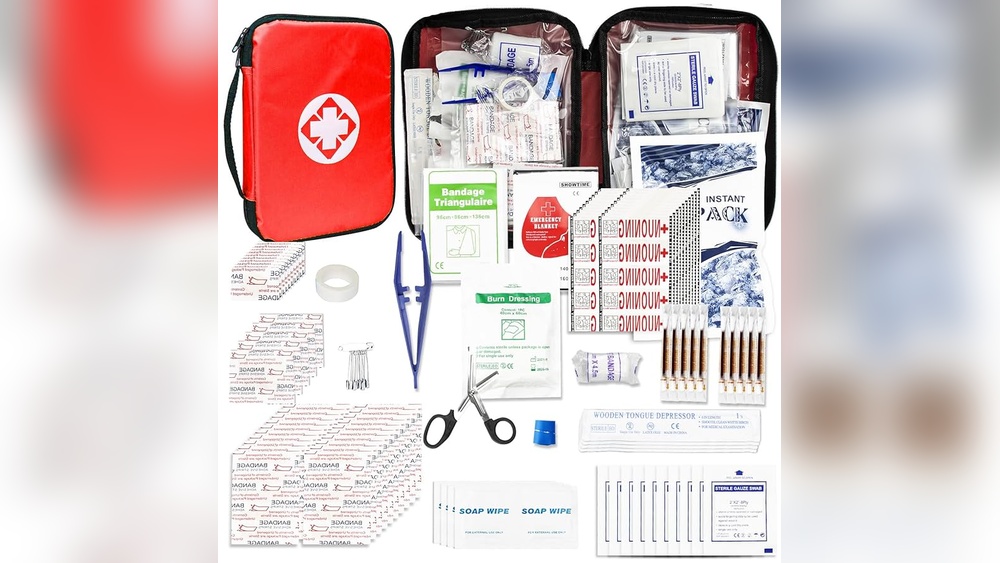
Injuries happen in the wild. A basic first aid kit is essential. Include bandages, antiseptic wipes, and pain relief. Learn basic wound care and treatment skills.
Food keeps energy strong for survival tasks. Carry fishing lines, hooks, or traps. Learn how to identify edible plants. Simple knives help prepare food safely.

Credit: www.selfrelianceoutfitters.com
Shelter Essentials
Shelter is a key part of survival gear on Alone. It protects you from weather and keeps you safe. Without good shelter, staying warm and dry is hard. Shelter gear helps you rest well and stay healthy in the wild. The right items make a big difference.
Tents And Tarps
Tents provide a strong, closed shelter. They keep out wind, rain, and bugs. Many tents are light and easy to carry. Tarps are simpler and lighter than tents. They offer basic cover from rain and sun. Tarps can be set up in many ways. Both tents and tarps are useful. They give quick protection in tough conditions.
Sleeping Bags And Pads
Sleeping bags keep your body warm at night. They trap heat close to your skin. Bags come in different sizes and warmth levels. Choose one that fits the climate you face. Sleeping pads go under your bag. They block cold from the ground. Pads add comfort and protect from dampness. Together, sleeping bags and pads help you rest better.
Clothing For Protection
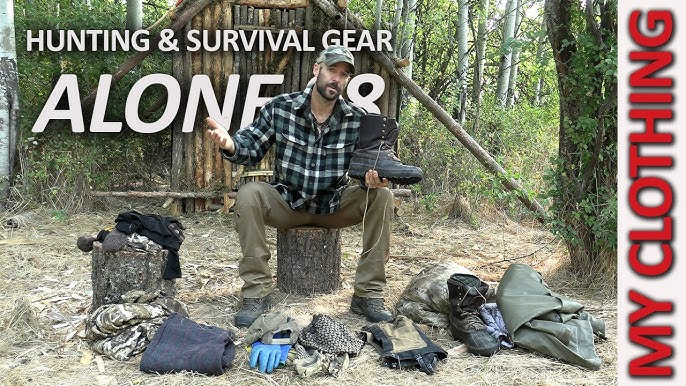
Clothing shields you from cold, wind, and rain. Layers help adjust to changing weather. Base layers keep skin dry by moving sweat away. Insulating layers hold body heat. Outer layers block wind and water. Proper clothes stop you from losing heat fast. Good clothes prevent illness and improve comfort. Always pack clothes for all weather types.
Water Procurement Tools
Water is the most important survival need on Alone. Carrying the right tools helps you secure clean water fast. Water procurement tools allow you to collect, filter, and store water safely. These tools are essential for staying healthy and hydrated in the wild.
Water Filters And Purifiers
Water filters remove dirt, bacteria, and parasites from water. They use small pores to trap harmful particles. Purifiers kill viruses and other tiny germs that filters may miss. Portable filters and purifiers are lightweight and easy to carry. They give you safe drinking water from streams or lakes. Always choose reliable filters to avoid illness.
Containers And Storage
Containers hold clean water for drinking and cooking. Durable bottles and collapsible bags save space and weight. Some containers come with built-in filters for extra safety. Store water away from heat and sunlight to keep it fresh. Having enough containers ensures you never run out of water. Clean containers regularly to prevent bacteria growth.
Finding Water Sources
Look for natural water sources like rivers, lakes, or springs. Morning dew and rainwater can also provide water. Watch for animal tracks that lead to water. Collect water from shaded areas to avoid contamination. Digging near plants can reveal underground water. Always test and treat water before drinking to stay safe.
Credit: www.youtube.com
Fire Starting Equipment
Fire starting equipment is essential for survival on the show Alone. It helps you stay warm, cook food, and signal for help. Choosing the right tools can make a big difference in tough outdoor conditions.
Fire is not easy to start in the wild. You need good tools and materials to get a flame going quickly. Reliable fire starting gear saves time and energy.
Lighters And Matches
Lighters and matches are common fire starters. They are simple and quick to use. Waterproof matches are best for wet conditions. Carry extra matches or a refillable lighter for backup.
Windproof lighters work well in harsh weather. Keep your lighter dry and protected in a small case. Always test your lighter or matches before heading out.
Fire Starters And Tinder
Fire starters help ignite fire faster. They come in many forms like wax sticks, cotton balls with petroleum, or commercial fire starter blocks. Carry a small supply for emergencies.
Tinder is dry material that catches fire easily. Dry leaves, bark, and grass are good tinder in nature. Prepare your tinder before starting a fire to avoid delays.
Safety Tips For Fire
Always clear the area around your fire. Remove dry leaves and twigs to prevent spreading. Build your fire away from tents and gear.
Never leave a fire unattended. Keep water or dirt nearby to put out the fire fast. Make sure your fire is fully out before sleeping or leaving.
Navigation Instruments
Navigation instruments play a key role in survival situations on Alone. They help you find your way in the wilderness. Using the right tools can mean the difference between getting lost and reaching safety.
These tools range from simple compasses to advanced GPS devices. Knowing how to use each is important for staying on course. Natural navigation skills also help when instruments fail or are unavailable.
Compass Use
A compass is a small, easy-to-carry tool. It shows direction by pointing to magnetic north. You can use it to follow a set path or find your way back to camp. Learning to read a compass is a basic survival skill.
Hold the compass flat and steady. Turn the dial to align the needle with the north marker. Then, move toward your chosen direction. Practice helps you use a compass confidently in the wild.
Maps And Gps Devices
Maps give a visual layout of the area. They show landmarks, trails, and water sources. Combining a map with a compass improves navigation accuracy. Always carry a waterproof, detailed map of your location.
GPS devices use satellites to give exact positions. They can guide you along trails and mark waypoints. Batteries limit GPS use, so conserve power. Know how to operate your device before the trip.
Natural Navigation Techniques
Natural navigation uses the environment to find direction. The sun rises in the east and sets in the west. This helps to estimate time and direction during the day. At night, stars like the North Star guide your way.
Observing moss growth, tree shapes, or wind patterns can also help. These signs give clues about direction and weather changes. Learning these techniques increases your survival chances without tools.
First Aid Supplies
First aid supplies are a must-have for anyone on Alone. Injuries can happen anytime. Being ready with the right tools saves time and pain. These supplies help manage small wounds and serious problems. They boost your chance of staying safe and healthy in the wild.
Basic Medical Tools
Basic medical tools include scissors, tweezers, and bandages. Scissors cut tape and cloth easily. Tweezers remove splinters or debris from wounds. Bandages cover cuts to stop bleeding and keep dirt out. Carrying these tools helps handle many injuries fast.
Treating Common Injuries
Common injuries like cuts, scrapes, and burns need quick care. Clean wounds with antiseptic wipes to avoid infection. Use sterile dressings to cover injuries. For burns, cool the area with water and apply a burn cream. Knowing these steps helps prevent worse problems.
Emergency Medications
Emergency medications include pain relievers and allergy pills. Painkillers reduce discomfort from injuries. Antihistamines help with allergic reactions from plants or insects. Carrying these medicines prepares you for sudden health issues. Always check expiration dates before packing.
Food Gathering Gear
Food gathering gear is essential for survival on Alone. It helps collect food from nature. This gear includes tools for trapping, fishing, and foraging. Each tool has a specific purpose. They work together to provide a steady food supply. Understanding these tools is key to staying alive in the wild.
Traps And Snares
Traps and snares catch small animals silently. They use natural materials like wire, rope, or vines. Setting them requires patience and skill. A well-made trap can catch rabbits, squirrels, or birds. These tools save energy since they work without constant attention. Regular checking is important to collect the catch and reset.
Fishing Equipment
Fishing gear helps catch fish from rivers or lakes. Basic equipment includes fishing lines, hooks, and spears. Some use handmade rods or nets. Fishing provides high-protein food easily. It can feed a survivor for days. Knowing how to use fishing gear improves food chances greatly.
Foraging Tools
Foraging tools help gather edible plants, fruits, and nuts. A sharp knife or small hatchet works well. These tools cut branches or dig roots. Foraging requires knowledge of safe plants. Proper tools make collecting faster and safer. Foraging adds variety and nutrition to the diet.
Packing And Maintenance
Packing and maintenance are key parts of survival gear preparation for Alone. Proper packing keeps your gear ready and easy to use. Maintenance ensures your tools last longer and work well. Both help you stay safe and efficient in the wild.
Organizing Your Gear
Sort your gear by use and size. Put small items in clear bags or pouches. Keep essential tools easy to reach. Group similar items together to avoid confusion. Label bags if needed for quick access.
Use a backpack with many compartments. This helps keep things neat and balanced. Avoid mixing dirty or wet gear with clean items. Organization saves time and reduces stress in tough situations.
Gear Durability And Care
Check your gear for damage before each trip. Fix small problems early to avoid bigger issues. Clean tools and equipment after use to prevent rust and dirt build-up. Dry items completely before storing them.
Use protective covers or cases for sharp or fragile gear. Lubricate metal parts to keep them working smoothly. Store gear in a cool, dry place away from direct sunlight. Proper care extends the life of your survival tools.
Weight Management Tips
Choose lightweight gear to reduce carrying strain. Prioritize multi-use items to save space and weight. Only pack what you really need for survival tasks. Distribute weight evenly in your pack for better balance.
Remove unnecessary packaging and extra materials. Keep heavier items close to your back for comfort. Regularly review your gear list to eliminate unneeded items. Managing weight boosts your endurance and mobility outdoors.
Adapting Gear To Environment
Survival gear must match the environment for the best chance at success. Different climates demand specific tools and clothing. Choosing the right gear helps protect from weather and dangers. It also improves comfort and safety during long days outdoors. Preparing for the environment is a key part of survival planning.
Gear For Cold Climates
Warm clothing layers are essential in cold areas. Insulated jackets and thermal underwear keep body heat. Waterproof boots stop frostbite and wet feet. Carry a good sleeping bag rated for low temperatures. Fire-starting tools help stay warm and cook food. A reliable shelter blocks wind and snow. Hand warmers and heat packs add extra warmth.
Gear For Hot And Arid Areas
Lightweight, loose clothing protects skin from sunburn. A wide-brimmed hat shields the face and neck. Carry plenty of water and a way to purify it. Sunglasses reduce glare and protect eyes. A sun shelter or tarp offers shade. Breathable footwear helps avoid blisters and overheating. Electrolyte tablets replace lost minerals after sweating.
Gear For Wet And Humid Regions
Waterproof clothing keeps the body dry in rain. Quick-dry fabrics prevent chafing and discomfort. Bug spray and mosquito nets protect from insects. A sturdy, waterproof shelter stops water from soaking gear. Waterproof bags keep essentials dry and safe. Lightweight boots with good grip prevent slipping. A water filter or purifier is a must for clean drinking water.
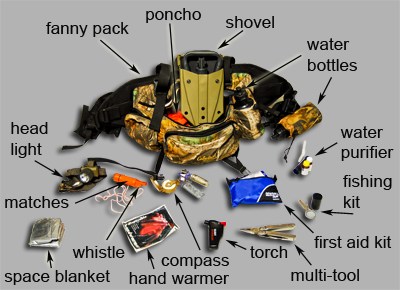
Credit: tpwd.texas.gov
Frequently Asked Questions
What Survival Gear Is Essential On Alone Tv Show?
Essential survival gear on Alone includes a knife, fire starter, fishing tools, a tarp, and a cooking pot. These items help with shelter, food, and safety in the wilderness.
How Does Survival Gear Affect Success On Alone?
Survival gear boosts chances of success by providing basic needs like fire, shelter, and food. Proper gear ensures comfort and safety in harsh conditions.
Can Participants Choose Their Own Survival Gear On Alone?
Yes, participants select gear from a limited list provided by the show. They choose items based on their survival skills and environment.
Why Is A Knife Important In Alone Survival Gear?
A knife is vital for cutting, preparing food, building shelter, and protection. It is the most versatile and essential survival tool.
Conclusion
Survival gear on Alone helps you stay safe and prepared outdoors. Choosing the right tools makes a big difference in tough situations. Simple items like knives, fire starters, and water filters are essential. Practice using your gear before heading out.
Being ready boosts your confidence and chances to survive. Remember, survival is about smart choices and staying calm. Keep your gear light but useful. Survival skills and gear together create a strong team. Stay ready, stay safe, and respect nature’s power.