Imagine finding yourself in a tough situation where help is far away. What would you need to stay safe and comfortable?
Your survival gear can make all the difference between panic and calm, danger and safety. Knowing exactly what to have in your kit can save you time, stress, and even your life. You’ll discover the essential items that every survival gear should include.
Ready to be prepared for anything? Keep reading, and you’ll learn how to build a kit that has your back when it matters most.
Basic Survival Kit
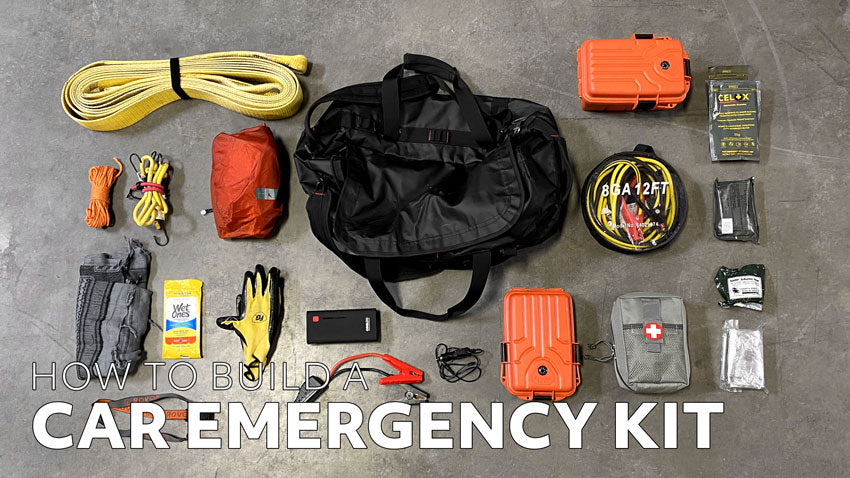
A basic survival kit is essential for staying safe in emergencies. It contains tools and supplies needed to survive in the wild or during disasters. This kit helps meet your basic needs like water, food, shelter, and health care.
Choose items that are lightweight and easy to carry. Each item should serve a clear purpose. A well-prepared kit increases your chances of staying safe and healthy.
Water And Hydration Tools
Water is the most important survival need. Carry a sturdy water bottle or hydration bladder. Include water purification tablets or a small filter to make water safe. Clean water prevents dehydration and illness. Pack enough water storage for at least three days.
Food And Nutrition
Food provides energy to keep you going. Pack high-energy, non-perishable foods like granola bars, nuts, and dried fruits. Choose lightweight and compact options. Avoid foods that spoil quickly. Include a small, portable stove or fire starter to cook meals if possible.
Shelter And Warmth
Shelter protects you from weather and keeps you warm. Carry a compact tent, tarp, or emergency blanket. Insulation layers like a sleeping bag or thermal blanket help retain heat. A small, reliable fire starter is key for warmth and cooking. Staying dry and warm prevents hypothermia.
First Aid Supplies
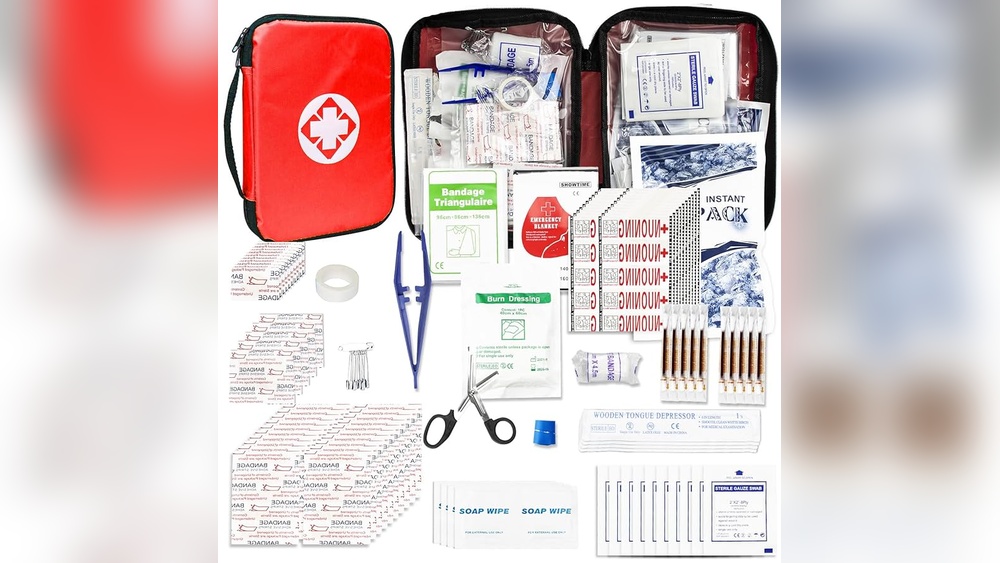
First aid supplies treat injuries and prevent infections. Include adhesive bandages, antiseptic wipes, and gauze pads. Pack pain relievers and allergy medicine. Carry tweezers and scissors for removing splinters or cutting bandages. A first aid kit helps handle minor wounds quickly.
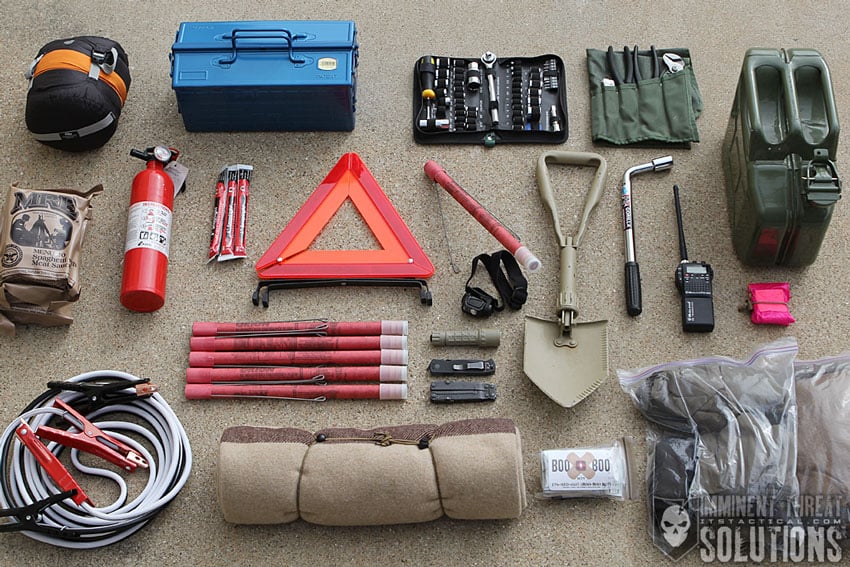
Credit: www.itstactical.com
Navigation And Communication
Navigation and communication tools are crucial in any survival gear. They help you find your way and call for help. Without them, you could easily get lost or stay stranded without aid. Carrying reliable equipment improves safety and confidence in the wild.
Maps And Compass
Paper maps show the terrain, trails, and landmarks. They do not need batteries or signals. A compass helps you find directions like north, south, east, and west. Together, maps and a compass guide you through unfamiliar areas. Practice using them before your trip.
Emergency Radios
Emergency radios receive weather alerts and rescue signals. Some radios can send distress messages too. They work even without cell service. Choose a radio with a hand crank or solar power. This keeps it running when batteries die.
Signaling Devices
Signaling devices attract attention in emergencies. A whistle can be heard from far away. Mirrors reflect sunlight to signal rescuers. Bright colored flags or flares also help. Keep these tools easily accessible in your gear.
Tools And Equipment
Tools and equipment form the backbone of any survival gear. These items help you handle tasks and solve problems in tough situations. Choosing the right tools can mean the difference between safety and struggle. Focus on items that are strong, reliable, and easy to carry.
Multi-tools And Knives
Multi-tools combine many functions in one compact device. They include pliers, screwdrivers, scissors, and more. A good multi-tool saves space and handles many tasks. Knives are essential for cutting, preparing food, and protection. Choose a knife with a strong, sharp blade and a comfortable handle. Both tools should be durable and easy to use.
Fire Starting Gear
Fire provides warmth, light, and a way to cook food. Carry multiple fire starters for reliability. Waterproof matches work well in wet conditions. A lighter is quick and easy to use. Fire steel rods last long and work in all weather. Keep these items in a dry, safe place in your kit.
Lighting Sources
Light helps you see and stay safe at night. Headlamps free your hands for tasks. Flashlights offer strong, direct light for distance. Carry extra batteries or a solar charger for power. Choose lightweight, compact lights that fit easily in your gear. Reliable lighting is a must-have for survival situations.
Credit: 3vgear.com
Clothing And Protection
Clothing and protection are key parts of survival gear. They keep your body safe from the environment. Good clothes help keep your body temperature steady. They also protect your skin from cuts, bugs, and harmful sun rays. Choosing the right clothing can improve your comfort and safety in tough conditions.
Weather-appropriate Apparel
Choose clothes that fit the climate. In cold weather, wear layers to trap heat. Wool and synthetic fabrics work best. They dry fast and keep warmth even when wet. In hot weather, wear light, loose clothes. They help air flow and stop overheating. Rain gear is vital for wet conditions. Waterproof jackets and pants keep you dry and warm.
Protective Gear
Protective gear keeps you safe from injuries. Gloves shield your hands from cuts and cold. Hats protect your head from sun and cold. Sunglasses guard your eyes from UV rays and debris. A sturdy jacket can prevent scratches from branches. Use gear that is strong but still lets you move freely.
Footwear
Good footwear supports your feet on rough ground. Choose boots with strong soles and good grip. Waterproof boots keep your feet dry in wet places. Proper shoes reduce the risk of blisters and injuries. Always break in new boots before long trips. Socks matter too; use moisture-wicking socks to avoid blisters.
Personal Items
Personal items play a key role in any survival gear. They keep you prepared for many situations. These items help you stay safe, comfortable, and organized. Packing the right personal items can make a big difference in emergencies.
Identification And Documents
Always carry ID cards and important documents. Include your driver’s license, passport, and medical records. Copies of these documents should be kept in a waterproof bag. These papers prove your identity and help you get aid.
Also, add emergency contact information. This helps rescuers reach your family or friends. Keep any insurance papers handy too. These documents save time in urgent moments.
Cash And Valuables
Carry some cash in small bills. Electronic payments might not work during disasters. Cash helps you buy food, water, or fuel quickly. Avoid carrying too much money to stay safe.
Keep valuables like credit cards and keys in a secure pouch. This pouch should be easy to access but hard to lose. Small valuables can be lifesavers in tough times.
Hygiene Supplies
Good hygiene prevents illness in survival situations. Pack items like soap, toothbrush, and toothpaste. Include hand sanitizer and wet wipes for quick cleaning. A small towel and feminine hygiene products may be needed.
Keep these supplies in a compact, waterproof bag. Cleanliness helps maintain health and comfort. It also boosts morale during stressful times.

Credit: survivalsherpa.wordpress.com
Specialty Items
Specialty items in survival gear can make a big difference. They are not basic tools, but unique items that help in tough situations. These items support your survival skills and comfort. They prepare you for unexpected challenges. Including them boosts your chances of staying safe and warm.
Survival Manuals And Guides
Survival manuals provide important knowledge. They show how to find food, build shelter, and treat injuries. You can learn new skills even if you are a beginner. Paper versions work without batteries or signals. Keep a small, clear guide in your pack for quick help.
Extra Batteries And Power Banks
Extra batteries keep your devices running longer. Power banks charge phones, GPS, and radios when away from power. Choose lightweight, high-capacity options. Make sure they are fully charged before leaving. These items keep communication and navigation tools active.
Emergency Blankets And Tarps
Emergency blankets retain body heat in cold weather. They are compact and light to carry. Tarps provide shelter from rain, wind, or sun. Both protect against harsh weather and keep you dry. Carry these items to stay warm and safe outdoors.
Frequently Asked Questions
What Are The Essential Items In Survival Gear?
Essential survival gear includes water, food, shelter, fire starters, first aid kit, and a reliable knife. These basics ensure safety, hydration, warmth, and the ability to signal for help in emergencies.
How Much Water Should Survival Gear Include?
Survival gear should contain at least one gallon of water per person daily. This amount covers drinking, cooking, and basic hygiene needs for short-term survival.
Why Is A First Aid Kit Important In Survival Gear?
A first aid kit treats injuries, preventing infections and complications. It supports basic medical care when professional help is unavailable, increasing survival chances.
What Shelter Options Are Best For Survival Gear?
Lightweight tents, emergency blankets, and tarps offer quick, effective shelter. They protect against weather elements and help maintain body heat in survival situations.
Conclusion
A good survival gear kit keeps you safe and ready. Choose items that help with shelter, water, food, and first aid. Keep your gear light but complete. Practice using your tools often. Being prepared can make a big difference in emergencies.
Stay calm, stay focused, and trust your supplies. Small efforts today can save your life tomorrow. Always check and update your gear regularly. Survival is about smart choices and readiness. Keep learning and stay safe out there.