Have you ever wondered why Metal Gear Survive died so quickly? If you’re a fan of the Metal Gear series or just curious about what went wrong, you’re not alone.
This game promised a new twist on a beloved franchise but ended up losing players fast. You’ll discover the key reasons behind its downfall. Understanding these factors can help you see how even popular series can stumble—and what lessons game makers might learn from it.
Keep reading to find out what really happened to Metal Gear Survive and why it didn’t survive.
Credit: www.konami.com
Metal Gear Survive’s Launch Reception
Metal Gear Survive’s launch reception shaped its future in the gaming world. The game was a big departure from the classic Metal Gear series. Fans and critics had strong opinions about this change. The reception was mixed and often leaned toward the negative side. This section explores how players and reviewers reacted at launch.
Initial Fan Reactions
Fans were surprised by the game’s new style and focus. Metal Gear Survive moved away from the usual stealth gameplay. It introduced survival and crafting elements instead. Many fans felt the game lost the essence of the Metal Gear series. Some expressed disappointment on social media and forums. Others gave it a chance, curious about the new direction. Overall, fan reactions were mostly negative, affecting early sales.
Critical Reviews And Scores
Critics gave Metal Gear Survive mixed to low scores. Many reviews pointed out the repetitive gameplay loop. The survival mechanics were seen as shallow by some. Graphics and sound design received moderate praise. Some critics noted that the game lacked the depth of past Metal Gear titles. The story and characters were also criticized for being weak. These reviews influenced public perception and player interest.

Credit: www.amazon.com
Controversy And Backlash
Metal Gear Survive faced strong controversy and backlash after its release. Many fans and critics expressed disappointment and frustration. The game struggled to meet expectations set by previous titles in the Metal Gear series. This negative reaction hurt its reputation and sales.
The controversy stemmed from several key issues. These problems created distrust within the community and harmed the game’s image. Understanding these factors helps explain why Metal Gear Survive did not succeed.
Impact Of Kojima’s Departure
Hideo Kojima’s exit from Konami shocked many fans. Kojima was the original creator of the Metal Gear series. His absence made players doubt the quality of new games. Metal Gear Survive was the first major release after he left. Fans felt the game lacked Kojima’s unique storytelling and vision. This loss lowered excitement and trust in the project.
The game also changed direction, focusing more on survival mechanics. This shift surprised fans who expected a traditional Metal Gear experience. Many blamed Kojima’s departure for these creative changes. The lack of his involvement made the game feel less authentic to the series.
Community Distrust And Skepticism
Players quickly grew suspicious of Metal Gear Survive’s design and business model. The game included microtransactions and online-only features. Fans worried about pay-to-win elements and aggressive monetization. These concerns hurt the game’s reputation before many even played it.
Players shared negative opinions on forums and social media. This spread distrust and lowered interest among potential buyers. Many fans felt the game was a cash grab rather than a true Metal Gear title. The skepticism made it hard for the game to build a loyal community.
Overall, controversy and backlash shaped the fate of Metal Gear Survive. The impact of Kojima’s departure and community distrust created a tough environment for success.
Gameplay And Design Flaws
Metal Gear Survive faced many problems in its gameplay and design. These issues made players lose interest fast. The game lacked excitement and did not feel fresh. Players expected more fun and challenge but got less instead.
Below are some key gameplay and design flaws that hurt Metal Gear Survive’s success.
Repetitive Mechanics
The game forced players to repeat the same tasks often. Gathering resources and fighting enemies became boring quickly. The lack of variety made the gameplay feel dull. Players wanted new challenges but found only the same loops. Repetition drained the fun and made players stop playing.
Lack Of Innovation
Metal Gear Survive offered little new compared to other games. It reused ideas from past titles without adding fresh elements. The survival mechanics were basic and predictable. Players expected creative features but found few surprises. This lack of new ideas made the game less exciting and less memorable.
Technical Issues
The game had many bugs and glitches at launch. These problems disrupted gameplay and caused frustration. Crashes and slow loading times lowered the player experience. Poor optimization made the game hard to enjoy on some devices. Technical issues hurt the game’s reputation and pushed players away.
Marketing And Messaging Missteps
Marketing and messaging played a big role in Metal Gear Survive’s failure. The game struggled to attract players because its promotion confused many. The messages did not clearly explain what the game offered or its connection to the Metal Gear series.
Many fans expected a typical Metal Gear experience. Instead, they found a survival game with different mechanics. This gap between what was shown and what was delivered hurt the game’s reputation. Players felt misled and disappointed.
Confusing Campaigns
The marketing campaigns sent mixed signals. Advertisements showed familiar characters but the gameplay was very different. This mismatch created confusion among the audience. Some thought it was a main Metal Gear title, not a spin-off.
Trailers focused on action and story but missed highlighting survival elements. The lack of clear focus made it hard for players to understand the game’s core appeal. The result was low interest from both fans and new players.
Misaligned Expectations
Fans expected a stealth and story-driven game like previous Metal Gear titles. Instead, Metal Gear Survive focused on crafting and fighting zombies. This shift surprised many and hurt the game’s image.
The messaging did not prepare players for this change. Many buyers felt the game was not what they wanted. This gap between expectation and reality led to poor reviews and sales.
Competition And Market Trends
The gaming world changes fast. New types of games appear and players choose new ways to play. Metal Gear Survive entered a market full of strong competitors and shifting interests. This section explains how competition and market trends affected its success.
Rise Of Battle Royale Games
Battle royale games became very popular around the time Metal Gear Survive launched. Games like PUBG and Fortnite drew millions of players. They offered fast, exciting gameplay with simple rules. Many players spent their time and money on these games instead.
Metal Gear Survive had a different style. It combined survival and action but lacked the same appeal. The battle royale wave changed what players expected from multiplayer games. This new trend left less room for games like Metal Gear Survive to grow.
Shifts In Player Preferences
Players began to prefer games with strong social features and quick rewards. Cooperative and competitive games with easy access gained popularity. Metal Gear Survive’s focus on survival and resource management felt slow and complex.
Many players looked for games with constant updates and events. Metal Gear Survive struggled to keep its content fresh and engaging. Changes in player tastes made it hard for the game to keep a large, active audience.
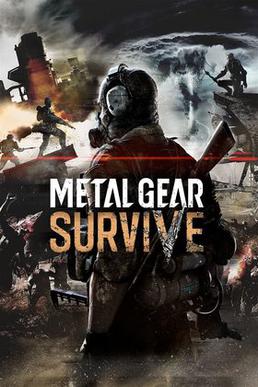
Credit: en.wikipedia.org
Developer And Publisher Decisions
The fate of Metal Gear Survive reflects key choices made by its developer and publisher. These decisions shaped the game’s direction and player reception. Understanding these choices helps explain why the game struggled to keep players engaged. The following sections explore how resource allocation and post-launch support influenced the game’s success.
Resource Allocation
The developer had limited resources to build Metal Gear Survive. Much effort went into adapting the Metal Gear universe for a survival game. This shift in focus left less room for polish and innovation. Core gameplay elements felt less refined than fans expected. The budget and team size affected content quality and quantity. This lack of investment showed in the final product’s appeal.
Post-launch Support
After release, the game received minimal updates and fixes. Players wanted new content and bug improvements. The publisher did not prioritize ongoing support or community engagement. Without fresh content, player interest declined rapidly. Regular updates might have kept the game alive longer. The lack of post-launch support contributed to its quick decline.
Legacy And Lessons Learned
The legacy of Metal Gear Survive is a complex story. The game tried to build on a popular series but faced many challenges. It left behind important lessons for developers and fans alike. Understanding these can help explain why the game did not meet expectations.
Many players hoped for a classic Metal Gear experience. Instead, they got something very different. This shift affected how fans saw the game over time. The reactions from the fanbase show a clear picture of the game’s impact.
Fanbase Reactions Over Time
At first, some fans gave Metal Gear Survive a chance. They were curious about the new direction. Soon, disappointment grew because the gameplay felt far from the original series. The story was weaker, and the survival elements felt forced. Over time, many fans voiced their frustration online. Some stopped playing quickly. Others kept hoping for updates that never came. The overall reaction was a mix of confusion and letdown.
Industry Impact
The game’s failure sent signals to the industry. It showed that changing a beloved series too much can backfire. Studios learned to respect what fans expect from famous franchises. Metal Gear Survive became a case study in brand management. It also reminded developers to balance innovation with tradition. The industry watched how fans reacted to the game’s shift. This influenced future decisions about game design and marketing.
Frequently Asked Questions
Why Did Metal Gear Survive Receive Negative Reviews?
Metal Gear Survive received negative reviews due to its departure from the main series’ storyline. Fans disliked the shift to a survival, multiplayer-focused gameplay. The game also suffered from technical issues and repetitive missions, which disappointed longtime Metal Gear fans expecting a traditional experience.
What Caused Metal Gear Survive’s Poor Sales Performance?
Poor sales of Metal Gear Survive were caused by mixed reviews and fan backlash. The game’s departure from the classic stealth formula alienated the core audience. Additionally, the lack of compelling content and negative word-of-mouth reduced its market appeal significantly.
How Did Fans React To Metal Gear Survive’s Gameplay Changes?
Fans reacted negatively to Metal Gear Survive’s gameplay changes. The focus on crafting and survival mechanics contrasted sharply with the stealth and story-driven gameplay typical of Metal Gear. Many players found the new mechanics repetitive and less engaging, leading to disappointment and criticism.
Did Metal Gear Survive’s Multiplayer Mode Affect Its Success?
Yes, Metal Gear Survive’s multiplayer mode impacted its success negatively. The multiplayer focus diluted the single-player experience fans expected. Server issues and lack of player engagement further hurt the game’s popularity, reducing its long-term appeal and player retention.
Conclusion
Metal Gear Survive faced many challenges after its release. The game struggled with player interest and mixed reviews. Many fans missed the original Metal Gear style and story. Its focus on survival and multiplayer didn’t appeal to all. Technical issues and lack of content also hurt the experience.
These factors combined led to its decline. Still, it tried to offer something different. Not every game can please every player. Metal Gear Survive’s journey shows how tough game success can be.