Are you ready when the unexpected strikes? Having the right survival gear can make all the difference between staying safe and facing serious danger.
In this guide, you’ll discover the must-have survival gear of 2018 that can protect you in any situation. Whether you’re preparing for outdoor adventures or unexpected emergencies, these essential tools will boost your confidence and keep you prepared. Keep reading to find out exactly what you need to add to your survival kit today.
Credit: skillsetmag.com
Essential Survival Tools
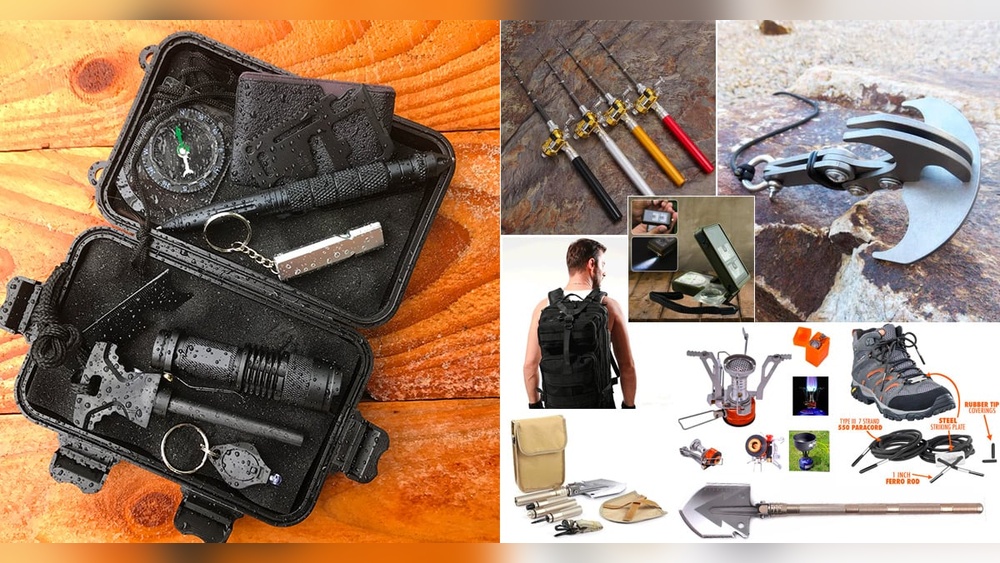
Essential survival tools form the backbone of any emergency kit. They help you stay safe, find resources, and manage tough situations. Choosing the right tools increases your chances of overcoming challenges outdoors or during disasters. Here are some must-have items to include in your survival gear.
Multi-tools And Knives
Multi-tools combine many functions in one compact device. They often include pliers, screwdrivers, and blades. A good knife is sharp, strong, and easy to carry. Knives help with cutting rope, preparing food, and making shelter. Choose tools with sturdy construction and reliable locking mechanisms.
Fire Starters
Fire starters help you create fire quickly and safely. Matches and lighters work well in dry conditions. Waterproof fire starters are essential for wet weather. Fire provides warmth, light, and a way to cook food. It also signals for help when needed.
Water Purification Devices
Clean water is critical for survival. Water purification devices remove harmful bacteria and viruses. Portable filters, purification tablets, and UV purifiers are common choices. These tools ensure safe drinking water from natural sources. Always carry a reliable method to treat water.
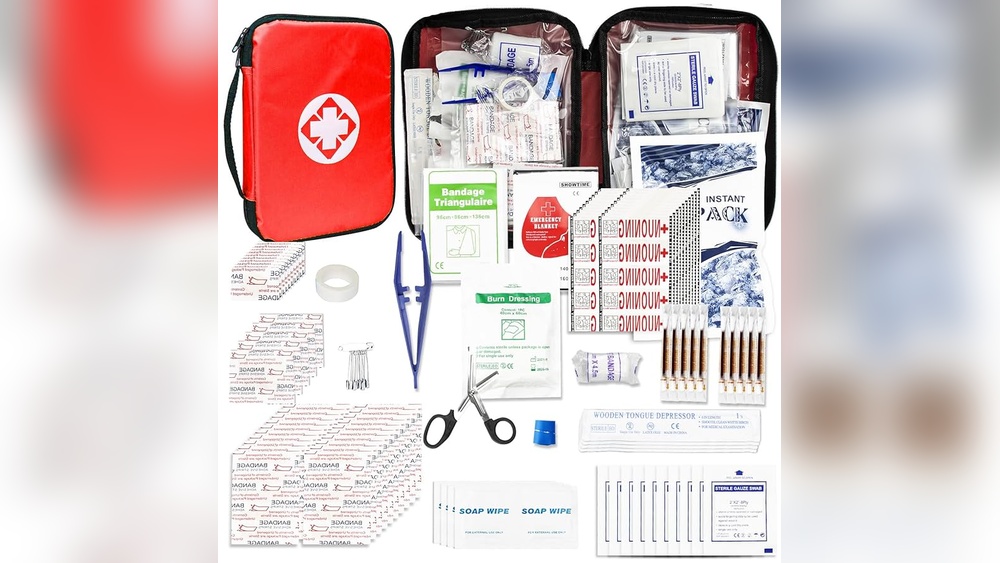
First Aid Kits
First aid kits treat injuries and prevent infections. Basic kits include bandages, antiseptic wipes, and pain relievers. More advanced kits add splints, scissors, and tweezers. Keep your kit organized and check supplies regularly. Knowing how to use first aid items is very important.
Shelter And Warmth Gear
Shelter and warmth gear forms the backbone of any survival kit. Staying dry and warm can save lives in tough outdoor conditions. Proper shelter protects you from wind, rain, and cold. Warmth gear helps maintain body heat, preventing hypothermia. Every piece should be lightweight, durable, and easy to use. Below are key items to include for safety and comfort.
Tents And Tarps
Tents offer solid protection from rain, wind, and insects. Choose tents made from waterproof materials with sturdy poles. Compact tents are easy to carry on long trips. Tarps provide flexible shelter options. They can cover ground or create a simple roof. Use ropes and stakes to secure tarps tightly. Both tents and tarps help keep you dry and shielded.
Sleeping Bags And Pads
Sleeping bags trap body heat to keep you warm at night. Pick bags rated for cold temperatures in your area. Lightweight bags are easier to carry and pack. Sleeping pads add comfort and insulation from cold ground. Foam or inflatable pads work well for warmth and cushioning. Together, these items improve sleep quality and rest.
Thermal Clothing
Thermal clothing holds body heat close to your skin. Layers work best for adjusting to changing weather. Start with moisture-wicking base layers to keep dry. Add insulating middle layers like fleece or wool. Finish with a windproof and waterproof outer layer. Proper clothing prevents heat loss and keeps you comfortable.
Portable Heaters
Portable heaters provide extra warmth in cold environments. Look for lightweight models designed for outdoor use. Propane and butane heaters are common and reliable. Always use heaters in well-ventilated areas to avoid carbon monoxide. Portable heaters can be lifesavers during cold nights outdoors.
Food Storage And Preparation
Food storage and preparation are key parts of survival gear. Having the right supplies keeps you nourished and healthy. Proper tools make cooking easier and safer. Water storage is just as important. It ensures you stay hydrated. Planning these items carefully helps you face any emergency.
Non-perishable Food Supplies
Non-perishable foods last a long time without spoiling. Canned goods, dried beans, and rice are smart choices. These foods store easily and provide energy. Freeze-dried meals work well for quick preparation. Keep a variety to avoid menu fatigue. Store enough to last several days or weeks.
Cooking Equipment
Good cooking gear helps prepare meals efficiently. Portable stoves and small pots are useful. Choose lightweight and durable materials. A reliable fire source is essential. Don’t forget basic utensils like spoons and knives. Proper equipment saves time and fuel.
Water Storage Solutions
Water is vital for survival. Use containers that are clean and seal tightly. Collapsible water bags save space when empty. Large jugs help store enough for daily needs. Include water purification tablets or filters. Safe water prevents illness and keeps you going.
Navigation And Communication
Navigation and communication gear is essential for survival in any emergency. These tools help you find your way and stay connected with others. Without clear navigation, you could get lost. Without communication, help may not reach you in time.
Good navigation tools guide you through unknown areas. Reliable communication devices keep you informed and alert rescuers. Both are critical for safety and peace of mind in tough situations.
Compasses And Gps Devices
Compasses are simple and do not need batteries. They help you find direction using Earth’s magnetic field. GPS devices use satellites to give exact locations. They require power but provide accurate maps and routes. Carrying both ensures backup if one fails.
Emergency Radios
Emergency radios keep you updated on weather and news. Many run on batteries, solar power, or hand cranks. They receive signals even when phones do not work. Some radios can send distress signals to rescuers. They are vital for staying informed and safe.
Signaling Tools
Signaling tools attract attention when you need help. Bright mirrors reflect sunlight to alert rescuers from far away. Whistles produce loud sounds that carry over distances. Flares create bright light to mark your location. These tools increase your chances of rescue quickly.
Personal Safety Items
Personal safety items are essential for any survival kit. They help protect you from harm and increase your chances of staying safe in emergencies. These items are small but powerful tools that provide peace of mind and real protection.
Choosing the right personal safety gear can make a big difference. It prepares you for unexpected dangers and gives you confidence. Every survival kit should include at least a few of these items.
Self-defense Tools
Self-defense tools allow you to protect yourself against attackers. Popular options include pepper spray, stun guns, and tactical pens. These tools are easy to carry and use. They can stop a threat quickly without causing serious harm. Training with these tools improves your readiness and response time.
Protective Gear
Protective gear shields your body from injury. Items like gloves, knee pads, and helmets help in dangerous situations. Wearing protective gear can prevent cuts, bruises, and other injuries. It is important to choose gear that fits well and is durable. This gear helps you move safely in rough environments.
Emergency Whistles
Emergency whistles are simple but vital safety tools. They create loud sounds that attract help from far away. Whistles use less energy than shouting and work in all conditions. Carry a whistle on your keychain or survival pack. It can alert rescuers or scare away threats quickly.
Credit: www.ebay.com
Packing And Organization
Packing and organization are key to survival gear readiness. A well-packed kit saves time and stress. It helps you find items fast in an emergency. Being organized means carrying only what you need. This keeps your load light and your mind clear.
Backpacks And Bags
Choose backpacks made for durability and comfort. Look for water-resistant materials and strong zippers. Multiple compartments help separate gear by type. Use smaller pouches inside to keep things tidy. A backpack with padded straps eases carrying weight. Consider size; it should fit your body well.
Storage Containers
Storage containers protect gear from moisture and dirt. Use clear plastic boxes to see contents easily. Sealable bags keep small items grouped and dry. Label containers for quick identification. Compact containers save space and reduce clutter. Organize by item type: food, tools, first aid, etc.
Gear Maintenance Tips
Keep your gear clean and dry after each use. Check for damage like tears or rust. Repair small issues before they become big problems. Store gear in a cool, dry place. Regularly test items like flashlights and stoves. Replace batteries and parts as needed to stay ready.

Credit: www.stayingcoolinthelibrary.us
Frequently Asked Questions
What Are The Essential Survival Gear Items For 2018?
Essential survival gear in 2018 includes a reliable knife, water purifier, fire starter, first aid kit, and multi-tool. These items ensure safety, hydration, warmth, and basic medical aid in emergencies. Always choose compact and durable gear for easy portability.
How To Choose The Best Survival Knife In 2018?
Select a survival knife with a strong, corrosion-resistant blade. It should have a comfortable grip and versatile design for cutting, carving, and self-defense. Look for full tang construction for durability and a sheath for safe storage.
Why Is A Water Purifier Crucial In Survival Gear?
A water purifier removes harmful bacteria and contaminants, making water safe to drink. It prevents dehydration and waterborne illnesses during emergencies. Portable purifiers are lightweight and essential for any survival kit in 2018.
What Fire Starters Are Recommended For Survival Kits?
Recommended fire starters include magnesium rods, waterproof matches, and ferrocerium rods. These ignite easily in wet conditions, providing reliable fire for warmth, cooking, and signaling. Always carry multiple fire-starting tools for backup.
Conclusion
Having the right survival gear can save your life in tough times. Basic tools like a knife, fire starter, and water filter are essential. Always keep your gear ready and check it often. Practice using your equipment to build confidence.
Staying prepared means staying safe and calm during emergencies. Small items make a big difference when you need them most. Choose gear that fits your needs and environment well. Survival is about smart choices and steady actions. Keep learning and improving your survival skills every day.