Imagine finding yourself in a tough situation where your safety depends on what you have with you. What survival gear do you need to survive when everything else is uncertain?
Knowing exactly what to pack can make the difference between staying safe and facing danger. You’ll discover the essential items that will help you stay alive, no matter where you are. Ready to take control of your safety? Keep reading to learn what gear you absolutely need to survive.
Credit: www.wildernesscollege.com
Basic Survival Needs
Basic survival needs include water, food, and shelter. These are essential for staying alive in any emergency. Without these, survival becomes very difficult. Each need requires specific gear to help you manage tough situations. Preparing the right tools can save your life.
Water And Hydration Tools
Water is the top priority in survival. Humans can live only a few days without water. Carry a water filter or purifier to make unsafe water drinkable. A sturdy water bottle or hydration bladder helps store water. Water purification tablets are lightweight and easy to use. Always have a backup plan for clean water.
Food And Nutrition Supplies
Food gives energy to keep moving and thinking. Pack high-calorie, non-perishable foods like energy bars and dried fruits. MREs (Meals Ready to Eat) are good for long periods. Include a small portable stove or fire-starting tools to cook food. Carry utensils and a lightweight pot to prepare meals. Choose foods that are easy to carry and eat.
Shelter And Warmth Gear
Shelter protects against weather and insects. A compact tent or tarp offers quick cover. Use a sleeping bag suited to the climate for warmth. Carry extra clothing layers to stay warm. Fire-starting tools help create heat and signal for help. Insulating materials like emergency blankets keep body heat inside.
Navigation And Signaling
Navigation and signaling gear helps you find your way and call for help. These tools are vital in survival situations. They guide you through unknown areas and alert rescuers to your location. Without proper navigation and signaling equipment, chances of getting lost or stranded increase greatly.
Compasses And Maps
A compass shows direction and helps you stay on course. It works without batteries or signal. Learn to read a compass to avoid walking in circles.
Maps give a visual guide of the land around you. Topographic maps show hills, rivers, and trails. Use them with a compass for precise navigation. Carry waterproof or laminated maps for durability.
Emergency Signaling Devices
Signaling devices attract attention from far away. Whistles, mirrors, and flares send clear signals to rescuers. A whistle’s sound carries farther than your voice.
Signal mirrors reflect sunlight to flash over long distances. Bright flares can be seen at night or in bad weather. Carry at least one signaling device in your survival kit.
First Aid And Health
First aid and health supplies are critical parts of survival gear. They help treat injuries and keep you safe from infections. Staying healthy increases your chance of surviving tough situations. Preparing these items before an emergency saves time and stress.
Essential First Aid Kit Items
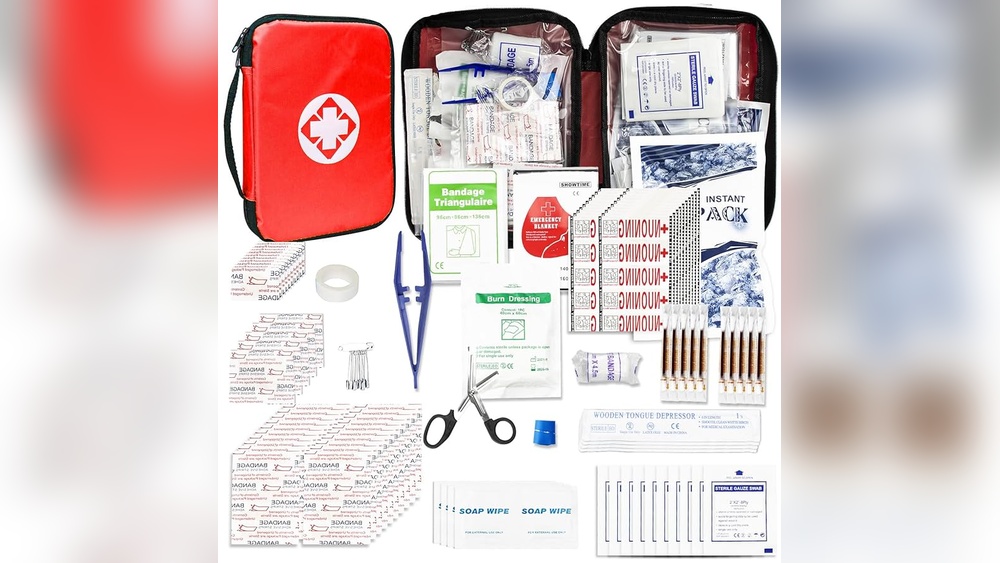
A basic first aid kit must include bandages, antiseptic wipes, and gauze pads. These help stop bleeding and clean wounds. Include adhesive tape to secure dressings and scissors to cut tape or clothing. Pain relievers like ibuprofen and acetaminophen reduce discomfort. Add tweezers to remove splinters or debris. Gloves protect your hands while treating injuries. A CPR mask can be vital for breathing emergencies. Keep a first aid manual for quick guidance.
Personal Medications And Hygiene
Bring all personal medications you need daily. This includes prescriptions and any allergy pills. Carry extra doses in case of delays. Hygiene items prevent infections and maintain comfort. Pack soap, hand sanitizer, and toothbrush essentials. Feminine hygiene products are important for women’s health. Clean water or water purification tablets help with hygiene and drinking. Good hygiene supports overall health and reduces illness risks.
Tools And Equipment
Survival tools and equipment are essential for staying safe in the wild. They help with cutting, building fire, and fixing gear. Having the right tools can make a big difference in difficult situations. Each tool has a specific job to help you survive longer and stay comfortable.
Knives And Cutting Tools
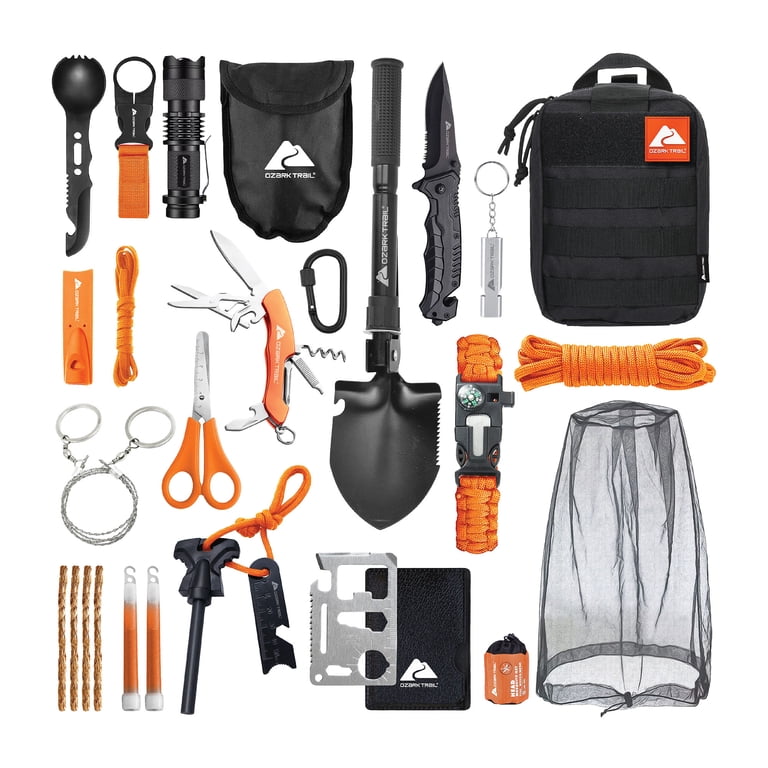
A strong knife is a must-have for survival. It helps cut rope, prepare food, and make shelter. Look for knives with sharp, durable blades and comfortable handles. Small saws and wire cutters are also useful for tougher tasks. Keep your cutting tools sharp and clean for the best use.
Fire Starters And Lighting
Fire keeps you warm, cooks food, and signals for help. Carry reliable fire starters like waterproof matches, lighters, or flint stones. Carry spare fire-starting tools to avoid running out. A small flashlight or headlamp provides light at night. Choose lights with long battery life and bright beams.
Multi-tools And Repair Kits
Multi-tools combine many functions in one device. They often include pliers, scissors, and screwdrivers. Multi-tools save space and weight in your pack. Repair kits help fix broken gear quickly. Include tape, needles, thread, and extra parts. Fixing gear prevents bigger problems later.
Clothing And Protection
Clothing and protection are key to staying safe in survival situations. The right gear keeps your body warm, dry, and shielded from harm. It also helps prevent injuries and illness. Choosing proper clothing and protective items boosts your comfort and endurance outdoors.
Weather-appropriate Clothing
Clothing must match the weather you expect. In cold climates, wear layers to trap heat. Start with a moisture-wicking base layer to keep skin dry. Add an insulating middle layer like fleece for warmth. Finish with a waterproof outer layer to block wind and rain.
In hot weather, wear light, breathable fabrics. Loose clothes help air flow and reduce sweat. A wide-brimmed hat protects your head and face from sunburn. Choose colors that reflect sunlight, such as white or beige.
Protective Gear And Accessories
Protection extends beyond clothing. Gloves protect hands from cuts and cold. Sturdy boots guard feet from rough terrain and insects. Sunglasses shield eyes from UV rays and debris. A scarf or bandana can block dust and bugs.
Use insect repellent clothing or sprays in bug-heavy areas. Carry rain gear to stay dry. Always have sunblock to avoid burns. Small items like knee pads or a helmet help in rugged environments.
Communication Devices
Communication devices are vital in any survival situation. They help you stay in touch with rescuers or loved ones. Clear communication can save lives and provide crucial updates. Choosing the right gear ensures you can send and receive messages when needed most.
Radios And Emergency Phones
Radios are reliable tools for survival communication. They work even when cell networks fail. Two-way radios allow direct contact with others nearby. Emergency phones can connect you to help quickly. Satellite phones work in remote areas without signal.
Pick radios with long battery life and strong signal range. Emergency phones should be easy to use under stress. Keep your devices protected from weather and damage. Regularly check their functionality before any trip or emergency.
Battery And Power Solutions
Power sources keep your communication devices running longer. Portable power banks charge phones and radios on the go. Solar chargers use sunlight, ideal for extended outdoor stays. Carry extra batteries for radios that need replacements.
Energy efficiency extends device use in emergencies. Store power solutions in dry, accessible places. Test charging equipment periodically to avoid surprises. Reliable power keeps your communication open when you need it most.
Packing And Storage
Packing and storing your survival gear correctly makes a big difference. It keeps your equipment safe and ready to use. Well-packed gear saves time and reduces stress in an emergency. Good storage also protects your items from damage.
Backpacks And Carrying Options
Choosing the right backpack is key. Pick one with enough space for all your gear. Look for strong straps and good padding for comfort. Multiple compartments help separate items and keep them easy to find.
Consider carrying options besides backpacks. Waist packs, chest rigs, or sling bags work for small kits. They keep essential tools close and hands free. Pick what fits your style and the situation.
Organizing Your Gear
Organize gear by type or use. Group items like first aid, food, and tools separately. Use small bags or pouches to keep things tidy. Label each pouch for quick access.
Keep heavy items near your back to balance weight. Place frequently used gear in easy-to-reach spots. Avoid overpacking to prevent fatigue and slow movement. Proper organization saves time and keeps you ready.
Credit: www.walmart.com

Credit: www.amazon.in
Frequently Asked Questions
What Are The Essential Survival Gear Items?
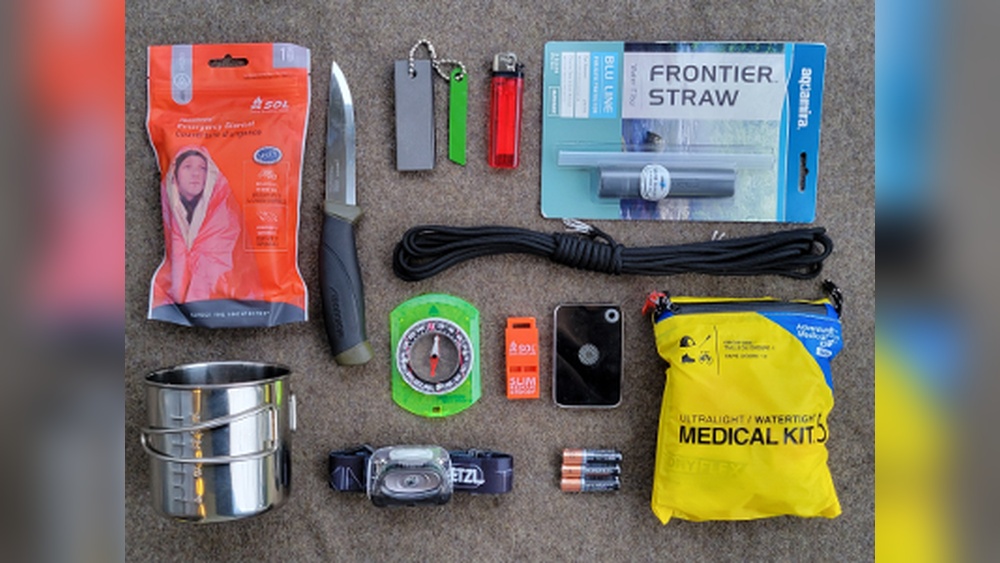
Essential survival gear includes a reliable knife, water purifier, fire starter, first aid kit, and emergency shelter. These items help you stay safe, hydrated, and protected in emergencies. Carrying compact, multi-use tools maximizes efficiency and ensures preparedness in various survival scenarios.
How Much Water Should I Carry For Survival?
Carry at least one gallon of water per person per day. This amount covers drinking and basic hygiene needs. In hot climates or intense activity, increase water supply. Always have a portable water purifier to refill safely from natural sources.
Why Is A Fire Starter Important In Survival Gear?
A fire starter is crucial for warmth, cooking, and signaling help. It works in wet conditions when matches fail. Fire also deters wild animals and boosts morale. Reliable fire-starting tools improve your chances of survival in the wild.
What Type Of Shelter Is Best For Survival Situations?
Lightweight, compact shelters like emergency bivvy sacks or tarps are ideal. They provide protection from weather and insects. Easy to carry and set up, these shelters ensure quick refuge. Choose materials that are waterproof and wind-resistant for better safety.
Conclusion
Survival gear can make a big difference in tough situations. Choose tools that fit your needs and environment. Always keep your gear ready and easy to carry. Practice using your equipment to build confidence and skill. Staying prepared helps you stay safe and calm.
Small items often prove the most useful. Remember, the right gear supports your ability to survive and thrive. Keep learning and updating your kit regularly. Survival is about being ready, smart, and steady. Your safety depends on what you carry.