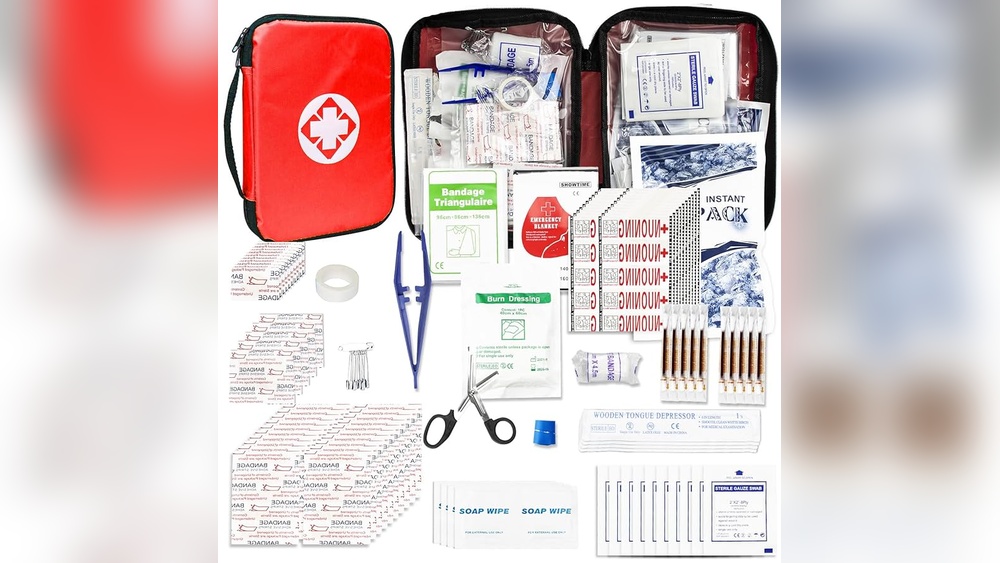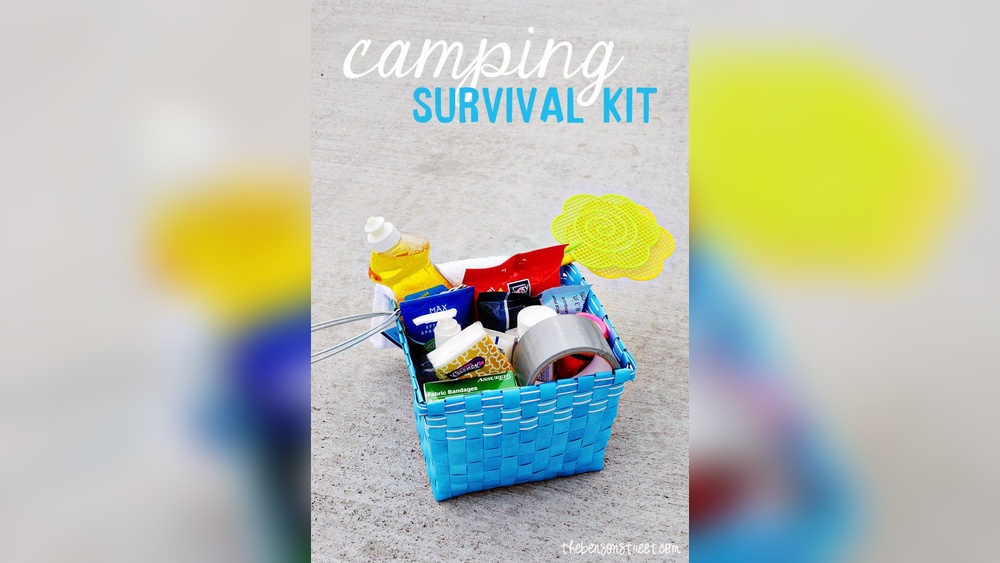
You’ve invested time and money in your survival gear. But are you storing it the right way?
How you keep your gear can make all the difference when you need it most. Imagine reaching for your supplies in an emergency, only to find them damaged or unusable. That frustration is avoidable. You’ll discover simple, effective ways to store your survival gear so it stays ready, reliable, and easy to access.
Keep reading to protect your investment and ensure your gear is always ready when you need it.
Choosing The Right Containers
Choosing the right containers is a key step in storing survival gear properly. Containers protect your items from damage, dirt, and moisture. Selecting the best type keeps your gear safe and ready to use at any time. Consider factors like size, material, and sealing features. This helps ensure your supplies last longer and stay in good condition.
Waterproof And Airtight Options
Waterproof containers stop water from entering and ruining gear. Airtight containers keep air and moisture out. These features prevent rust, mold, and bad odors. Look for containers with strong seals or gaskets. Plastic bins with snap-on lids or metal cases with rubber seals work well. Proper sealing extends the shelf life of food, medicine, and electronics. Choose containers that suit your storage space and gear type.
Durability And Material Types
Durability matters for long-term storage. Containers made from sturdy materials resist damage and wear. Hard plastic boxes are lightweight and strong. Metal containers offer extra protection but can rust without coating. Fabric bags are good for soft items but not for waterproof needs. Consider how rough your storage area is. Pick materials that match the environment and gear size. Strong containers keep your survival gear safe during emergencies.

Credit: www.amazon.com
Organizing Your Gear
Organizing your survival gear is key to being ready in any situation. Proper organization saves time and reduces stress. It helps you find what you need fast. A clear system keeps your gear safe and in good shape. Start by sorting your items and making a simple plan for storage. This section shows easy ways to keep your gear tidy and ready.
Categorizing Items By Use
Group your gear based on how you use it. Keep tools together, like knives and fire starters. Store food and water supplies in one place. First aid items should have their own spot. This method helps you grab everything you need quickly. It also shows you what supplies might be missing. Sorting by use makes packing and checking easier every time.
Labeling For Easy Access
Label all containers and bags clearly. Use simple words or pictures for quick ID. Place labels on the outside where they are easy to see. This step cuts down on searching during emergencies. It also helps others find items if you cannot. Consistent labels keep your gear system organized and efficient. Change or update labels as your gear changes.
Ideal Storage Locations
Choosing the right place to store your survival gear is very important. The location affects how long your items last and how ready they stay. Good storage keeps gear safe from damage and easy to find when needed. A few key factors help pick the best spot.
Temperature And Humidity Control
Keep gear in a place with steady temperature. Avoid spots that get very hot or very cold. Extreme heat can break down materials fast. Cold can make some items brittle or freeze liquids. Aim for a cool, dry area.
Humidity can cause mold and rust. Moisture damages electronics and fabrics. Use airtight containers or plastic bins to block moisture. A dehumidifier helps if storage is in a damp space.
Security And Accessibility
Store gear where it stays safe from theft or animals. A locked cabinet or safe room works well. Make sure the spot is easy to reach quickly. In an emergency, you want no delays.
Keep gear organized and labeled. Store heavy items low to avoid injury. Regularly check your storage to keep it in good order. Quick access and good security protect your survival gear’s value.
Maintaining Your Supplies
Maintaining your survival gear is key to staying prepared. Supplies can lose value over time. Proper care keeps them ready for any situation. Simple habits make a big difference in your gear’s lifespan.
Regular Inspections And Rotation
Check your gear at least once every few months. Look for signs of wear, damage, or expiration. Replace items that no longer work well. Use older supplies first to avoid waste. Rotate food, water, and batteries regularly. This practice ensures everything stays fresh and functional.
Cleaning And Preventing Damage
Keep your gear clean and dry. Dirt and moisture can ruin items quickly. Wipe down tools and containers after use. Store gear in cool, dry places away from sunlight. Use airtight containers to protect against pests and moisture. Proper cleaning and storage prevent rust and mold. This care extends your gear’s usefulness.
Protecting Against Pests And Mold
Protecting survival gear from pests and mold is vital for long-term storage. Pests like insects and rodents can damage supplies quickly. Mold can ruin food, clothing, and equipment by causing stains and odors. Proper storage methods stop these problems and keep gear safe.
Sealing And Pest Deterrents
Store gear in airtight containers to block pests. Use plastic bins with tight lids or vacuum-sealed bags. Avoid cardboard boxes as they attract insects and absorb moisture. Place mothballs or pest-repellent sachets inside storage areas. Keep the storage space clean and dry to reduce pest attraction. Inspect containers regularly for holes or signs of pests.
Mold Prevention Techniques
Control moisture to prevent mold growth. Use silica gel packs or moisture absorbers in storage containers. Store gear in a cool, dry place with good air circulation. Avoid storing wet or damp items. Clean gear before storage to remove dirt and organic matter. Check stored items often for any signs of mold or mildew. Air out gear periodically to keep it fresh.
Credit: ufape.com.br
Special Considerations For Food And Water
Food and water are vital parts of any survival kit. They need special care to stay safe and useful. Poor storage can cause spoilage or contamination. This section explains key points to keep your supplies fresh and reliable.
Shelf Life And Expiration Dates
Always check the expiration dates on food packages. Use the oldest items first to avoid waste. Freeze-dried foods and canned goods usually last longer than fresh food. Store food in a cool, dry place to extend its shelf life. Avoid storing food near heat or sunlight. Label homemade food with the date you packed it. Regularly inspect your food for signs of damage or spoilage.
Proper Water Storage Methods
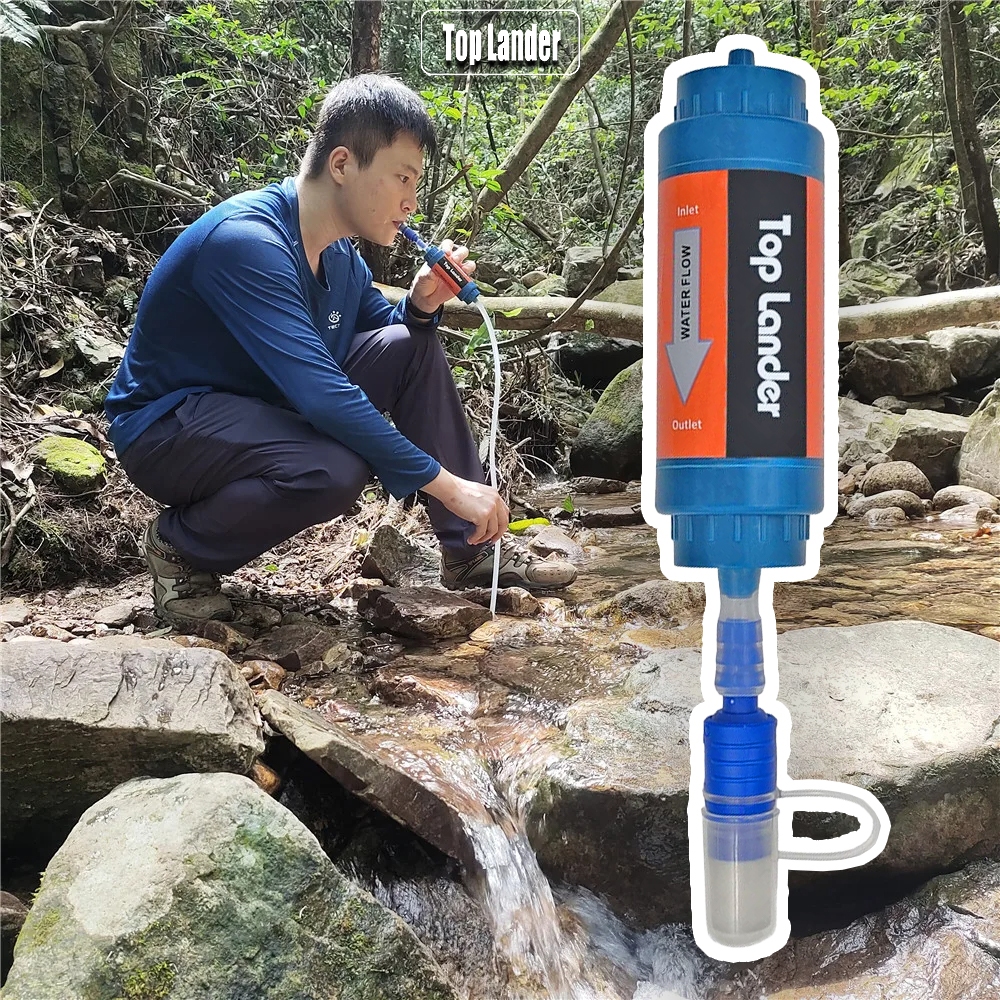
Use clean, food-grade containers for water storage. Avoid containers that held chemicals or milk. Store water in a cool, dark area to reduce algae growth. Seal containers tightly to keep out dirt and bugs. Change stored water every six months to keep it fresh. For long-term storage, add water purification tablets or bleach. Always have extra water beyond your daily needs.
Storing Electronics And Tools
Storing electronics and tools properly helps keep them ready for use. These items can break or stop working if not cared for. Electronics need special attention to avoid damage from batteries or moisture. Tools need protection from rust and corrosion. Good storage practices extend the life of your gear and ensure it works when needed.
Battery Care And Storage
Remove batteries from devices if storing for a long time. Batteries can leak and damage electronics. Store batteries in a cool, dry place away from metal objects. Use battery cases or covers to prevent short circuits. Check batteries regularly and replace them if they show signs of damage. Use rechargeable batteries to save money and reduce waste.
Preventing Rust And Corrosion
Keep tools dry and clean before storing. Wipe off dirt, moisture, and oils. Use silica gel packs or moisture absorbers in storage containers. Apply a light coat of oil on metal parts to stop rust. Store tools in a cool, dry place with good air circulation. Inspect tools regularly and clean off any rust spots immediately.
Emergency Ready Storage Tips
Storing survival gear properly ensures quick access during emergencies. Organized storage reduces stress and saves time. These tips help keep your gear ready and easy to find.
Quick Grab Strategies
Keep your essential items in one place. Use clear containers to see contents quickly. Label boxes with bold, simple words. Store gear near your main exit or bedroom. This makes grabbing items fast and easy. Check your storage regularly for missing or expired supplies.
Portable Storage Solutions
Use backpacks or duffel bags for easy transport. Choose lightweight but strong bags to carry heavy items. Pack gear in small, separate pouches inside the bag. This helps find tools without unpacking everything. Keep your portable storage in a spot ready to go. Test the weight and comfort of the bag often.
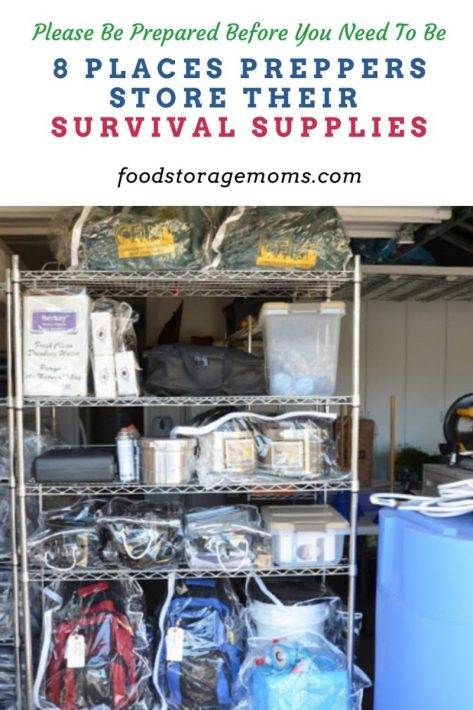
Credit: www.foodstoragemoms.com
Frequently Asked Questions
How Should I Organize My Survival Gear Effectively?
Organize gear by categories like food, water, tools, and first aid. Use labeled bins or bags for easy access. Keep frequently used items on top. Regularly check and update your inventory to ensure readiness.
What Is The Best Place To Store Survival Gear?
Store gear in a cool, dry, and dark place to prevent damage. Avoid damp areas to stop mold and rust. Choose a location easily accessible during emergencies but secure from pests and theft.
How Often Should I Inspect My Survival Gear?
Inspect gear every 3 to 6 months to ensure functionality. Check expiration dates on food and batteries. Replace damaged or expired items promptly. Regular checks keep your kit reliable and ready for use.
Can I Store Survival Gear Outdoors Safely?
Storing gear outdoors is possible but requires waterproof, airtight containers. Protect from extreme temperatures and pests. Use sealed, durable storage to prevent moisture and contamination. Indoor storage is generally safer and more reliable.
Conclusion
Storing survival gear properly keeps it ready for any emergency. Choose a cool, dry place to avoid damage. Use clear containers to find items quickly. Label everything for easy access during stress. Check your gear often to keep it in good shape.
Organize by use and size for fast retrieval. Small steps now save time later. Stay prepared and confident with well-stored gear. Safety depends on your readiness and care. Keep it simple, keep it smart.