Imagine facing a sudden emergency where access to fresh food is limited or impossible. What would you eat?
Having the right foods on hand can make all the difference in keeping you and your loved ones safe and healthy. You’ll discover exactly what foods to have in an emergency—foods that are easy to store, nutritious, and can sustain you when you need them most.
Keep reading to learn how to prepare your emergency food supply smartly and confidently.
Credit: mountainhouse.com
Non-perishable Staples
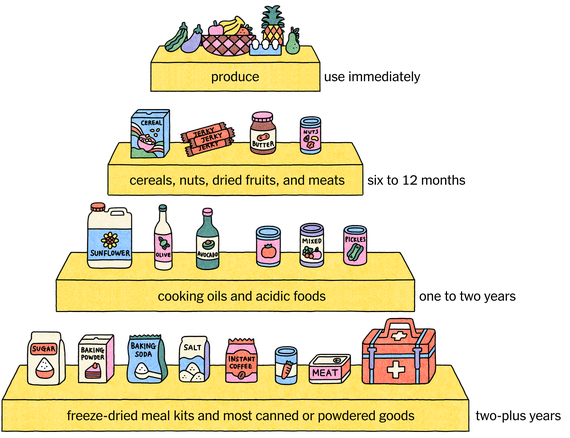
Non-perishable staples are essential for emergency food supplies. They last long without refrigeration. These foods provide energy and nutrients in difficult times. Stocking up on these staples ensures you have reliable meals. Choose items that are easy to store and prepare. Focus on variety to cover different nutritional needs.
Canned Vegetables And Fruits
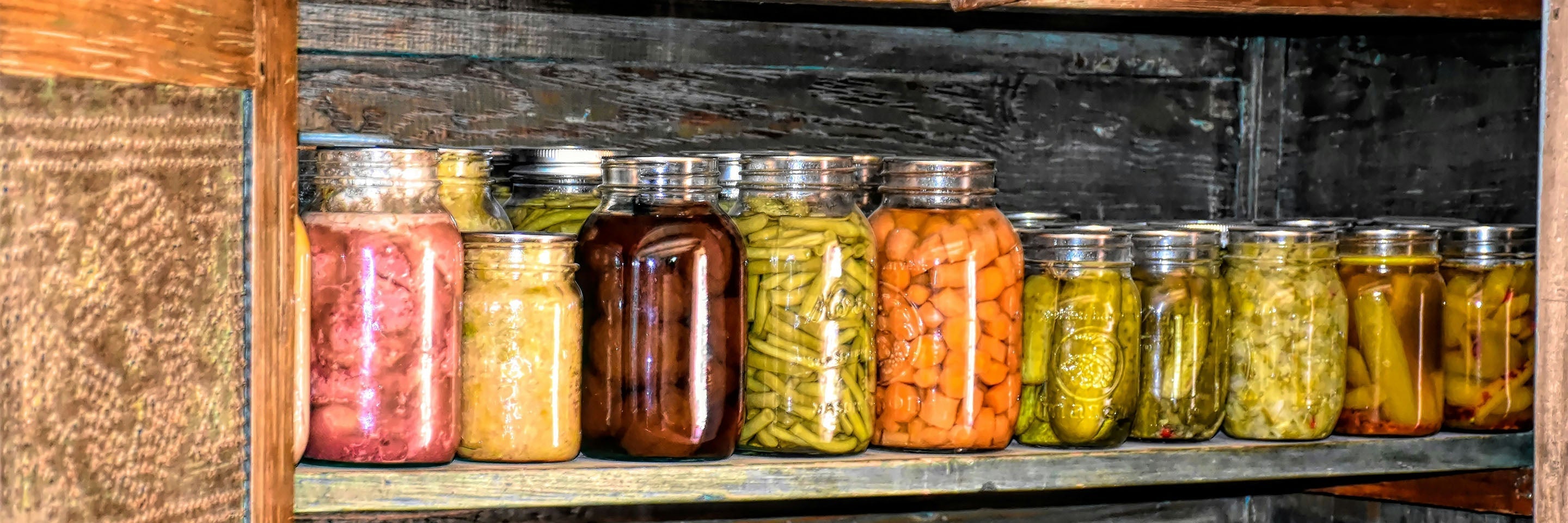
Canned vegetables and fruits keep well for months or years. They retain most vitamins and minerals. These foods add flavor, color, and nutrients to meals. Canned green beans, corn, and carrots are popular choices. For fruits, peaches, pears, and pineapple work well. Pick low-sodium or no-sugar-added options when possible. Store cans in a cool, dry place to avoid rust.
Dry Grains And Legumes
Dry grains and legumes are excellent non-perishable staples. Rice, oats, and quinoa provide carbohydrates for energy. Beans, lentils, and chickpeas offer protein and fiber. These foods have a long shelf life if stored properly. Use airtight containers to keep out moisture and pests. They cook easily and fill up your stomach. Having a mix of grains and legumes ensures balanced meals.
Powdered Milk And Dairy Alternatives
Powdered milk is a good source of calcium and protein. It lasts longer than fresh milk without refrigeration. Dairy alternatives like powdered soy or almond milk are also available. These options suit those with lactose intolerance. Powdered milk and alternatives can be mixed with water. Use them in cooking or as a drink. Store in a sealed container to maintain freshness.
High-energy Foods
In an emergency, your body needs fuel that lasts. High-energy foods provide quick, sustained energy to keep you alert and strong. These foods are compact, easy to store, and packed with nutrients that help your body perform under stress.
Nuts And Seeds
Nuts and seeds are little powerhouses of energy. They contain healthy fats, protein, and fiber, which help keep hunger away longer than sugary snacks. Almonds, walnuts, sunflower seeds, and pumpkin seeds are excellent choices.
Keep a stash of mixed nuts and seeds handy—they don’t spoil quickly and can be eaten raw or roasted. Have you noticed how a small handful can tide you over during a long day? That’s the kind of energy punch you want in an emergency.
Energy Bars And Trail Mix
Energy bars and trail mix combine multiple ingredients to deliver balanced nutrition. Look for bars with natural ingredients and minimal added sugar. Trail mix offers variety—dried fruits, nuts, and sometimes chocolate—for a mix of quick and lasting energy.
Choose bars and mixes that you actually enjoy eating. If you don’t like the taste, you won’t reach for them when it matters most. What’s your go-to energy bar that you can eat without hesitation?
Peanut Butter And Nut Butters
Peanut butter and other nut butters are rich in protein and healthy fats. A spoonful can provide a quick energy boost and keep you feeling full. They’re versatile, too—you can eat them on crackers, bread, or straight from the jar.
Make sure to pick natural nut butters without added sugars or oils. They last long and don’t require refrigeration, making them perfect for emergency kits. Have you tried almond or cashew butter? They offer different flavors and nutrients to keep your emergency food supply interesting.
Ready-to-eat Meals
Ready-to-eat meals provide quick, nutritious options during emergencies. They require no cooking and last long, making them ideal for emergency food supplies. Choose meals with balanced nutrients to stay energized and healthy.
In emergencies, having ready-to-eat meals is crucial. These meals require little to no preparation. They are ideal for situations without electricity or cooking facilities. Stocking up ensures you have sustenance when needed. Ready-to-eat meals come in various forms. Let’s explore some popular options.Freeze-dried And Dehydrated Foods
Freeze-dried and dehydrated foods are lightweight. They have a long shelf life. Just add water to prepare them. They retain nutrients and taste great. Popular choices include fruits, vegetables, and meats. These foods take up little storage space. Perfect for emergency kits.Mres (meals Ready To Eat)
MREs are complete meals in a package. Originally designed for the military. They require no cooking or refrigeration. MREs often include a main dish, side, and dessert. Some even come with a heating element. This makes them versatile for any situation.Instant Soups And Noodles
Instant soups and noodles are quick and easy. They only need hot water to prepare. These meals are comforting and filling. They come in various flavors. Great for a quick, warm meal in an emergency. Ideal for maintaining energy levels.
Credit: www.goodhousekeeping.com
Hydration Essentials
Staying hydrated is one of the most critical parts of emergency preparedness. Water isn’t just about quenching thirst—it supports every function in your body, from regulating temperature to keeping your organs working properly. In an emergency, clean and safe water might be scarce, so understanding hydration essentials can make a huge difference for you and your family.
Bottled Water And Water Storage
Having a good supply of bottled water is the simplest way to ensure hydration during emergencies. Aim for at least one gallon per person per day to cover drinking and basic hygiene needs. Store water in a cool, dark place and check expiration dates regularly.
If you prefer reusable options, invest in BPA-free water containers designed for long-term storage. Label them with the date you filled them to keep track. Remember, tap water can be stored safely for about six months if sealed properly.
Electrolyte Powders And Tablets
Water alone isn’t always enough, especially if you’re sweating or dealing with illness. Electrolyte powders and tablets help replace vital minerals like sodium, potassium, and magnesium. These keep your muscles working and prevent dehydration symptoms like dizziness and cramps.
Keep a small stash of these in your emergency kit. They’re lightweight, easy to use, and can boost your hydration quickly. Have you ever tried adding electrolyte tablets to water during a hike? It’s a simple way to feel energized and balanced.
Water Purification Methods
If your bottled water runs out, knowing how to purify water can save your life. Boiling is the most reliable method—just bring water to a rolling boil for at least one minute. It kills most harmful bacteria and viruses.
Portable water filters and purification tablets are also excellent backup options. Filters can remove sediments and some pathogens, while tablets chemically disinfect water. Have you considered carrying a compact filter in your emergency bag? It might be the tool you need when clean water isn’t available.
Long-term Storage Tips
Storing food for emergencies requires careful planning and attention. Proper long-term storage keeps your food safe and edible for months or even years. The right techniques protect food from moisture, pests, and spoilage. Follow these tips to maintain the quality and shelf life of your emergency food supplies.
Proper Packaging And Containers
Use airtight containers to keep food fresh and dry. Glass jars, heavy-duty plastic bins, and metal cans work well. Vacuum-sealing removes air and prevents bacteria growth. Avoid thin plastic bags that can tear or let in moisture. Label each container clearly with the food type and storage date. This helps you find items quickly and track freshness.
Temperature And Light Considerations
Store food in a cool, dark place to slow down spoilage. Ideal temperatures range between 50°F and 70°F (10°C to 21°C). Avoid areas near heat sources or direct sunlight. Light can break down nutrients and affect taste. A basement or pantry with consistent temperature is perfect. Keep humidity low to prevent mold and rust on cans.
Rotation And Expiry Management
Use the “first in, first out” rule to rotate food supplies. Place newer items behind older ones on shelves. Check expiration dates regularly to discard expired products. Plan meals using the oldest food first. This practice reduces waste and keeps your emergency stock fresh. Maintain a list of stored items and update it often.
Special Dietary Needs
Special dietary needs require careful planning when stocking emergency food supplies. You want to ensure that everyone in your household has access to safe, nutritious options during a crisis. Ignoring these needs can lead to discomfort or health risks when regular foods aren’t available.
Gluten-free Options
Finding gluten-free foods that have a long shelf life can be challenging, but it’s essential if you or someone in your family has celiac disease or gluten sensitivity. Look for canned beans, rice, and gluten-free pasta, which store well and provide good nutrition.
Nutritious snacks like rice cakes or gluten-free granola bars are also handy. Always check labels to avoid hidden gluten, especially in soups and sauces. Have you double-checked your emergency stash for gluten-free labels lately?
Vegetarian And Vegan Choices
Vegetarian and vegan diets need protein-rich, shelf-stable foods that don’t spoil quickly. Canned lentils, chickpeas, and nut butters are excellent sources of protein and healthy fats.
Don’t forget dried fruits, nuts, and seeds to add variety and nutrients. Some companies now offer vegan freeze-dried meals designed for emergencies; these can be a real lifesaver when fresh produce isn’t available. What plant-based staples do you rely on daily that could fit into your emergency kit?
Allergy-friendly Foods
Managing food allergies during emergencies is tricky since cross-contamination risks increase when options are limited. Keep allergen-free snacks and meals separate and clearly labeled.
Safe choices include plain canned vegetables, fresh produce that stores well, and specialty allergy-friendly products like nut-free bars or soy-based protein. Preparing an allergy-safe emergency food list tailored to your specific needs can prevent dangerous reactions. Have you identified the safest foods for your allergies and ensured their availability in your emergency supply?
Supplemental Nutrients
Supplemental nutrients are essential when you face an emergency that disrupts your regular food supply. These nutrients help fill gaps in your diet, ensuring your body gets the vitamins, minerals, and energy it needs to function properly. Without them, your health can quickly decline, especially when stress and limited food choices come into play.
Multivitamins
Multivitamins act as a safety net, providing a wide range of essential vitamins and minerals in one pill. They support your immune system, boost energy levels, and help maintain overall body functions during tough times.
Keep a stock of multivitamins that cover vitamins A, C, D, E, and key minerals like zinc and magnesium. These are easy to store and can be lifesavers if fresh fruits and vegetables aren’t available.
Electrolyte Balance
Your body needs electrolytes like sodium, potassium, and calcium to keep your muscles working and to stay hydrated. Losing electrolytes through sweat or illness can lead to serious issues like muscle cramps or dizziness.
Consider having electrolyte powders or tablets on hand. They’re lightweight and mix easily with water, helping you stay balanced even if you can’t eat fresh foods rich in these minerals.
Protein Powders
Protein is vital for repairing tissues and maintaining muscle mass, especially if your activity level stays high in an emergency. When fresh meat or dairy isn’t available, protein powders provide a convenient alternative.
Choose powders that offer complete proteins from sources like whey, pea, or soy. They store well, are quick to prepare, and can be mixed into water or other beverages for a quick nutrient boost.

Credit: www.mypatriotsupply.com
Frequently Asked Questions
What Are The Best Non-perishable Emergency Foods?
Best non-perishable foods include canned beans, rice, pasta, peanut butter, and dried fruits. These items last long and provide essential nutrients during emergencies.
How Much Emergency Food Should I Store Per Person?
Store at least a three-day supply per person. Ideally, keep one gallon of water per person daily for hydration.
Which Foods Provide The Most Energy In Emergencies?
Foods high in carbohydrates and fats, like nuts, granola bars, and canned meats, offer quick and sustained energy during emergencies.
Can I Store Fresh Foods For Emergency Situations?
Fresh foods spoil quickly and aren’t ideal for long-term storage. Focus on canned, dried, and freeze-dried foods instead.
Conclusion
Having the right foods ready can make tough times easier. Choose items that last long and provide good energy. Think about canned goods, nuts, and dried fruits. Water is just as important as food. Plan your emergency food supply carefully.
Check your stock regularly to keep it fresh. Being prepared helps you stay safe and strong. Small steps today bring big peace tomorrow. Start building your emergency food list now. Stay ready for whatever may come your way.