Have you ever wondered what survival gear really means and why it could be a game-changer for you? Imagine being prepared for unexpected situations where your safety and comfort depend on the right tools.
Survival gear isn’t just about fancy gadgets—it’s about having the essentials that keep you alive, safe, and confident when things don’t go as planned. You’ll discover exactly what survival gear includes and how it can make a difference in your life.
Keep reading to learn how to choose the right gear that fits your needs and gives you peace of mind.
Credit: www.selfrelianceoutfitters.com
Core Survival Gear
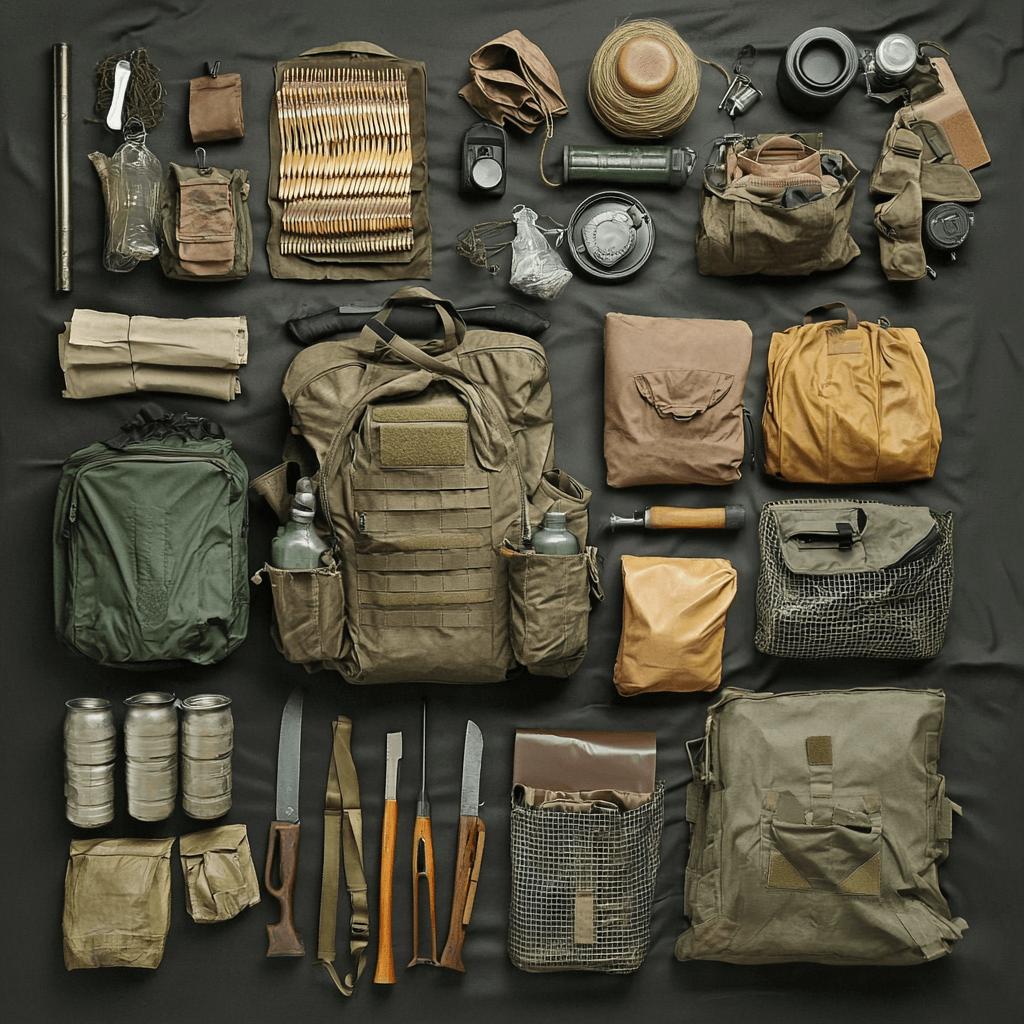
Core survival gear includes the essential items needed to stay alive in tough situations. These tools help protect your body, keep you fed and hydrated, and treat injuries. They form the foundation of any survival kit.
Understanding the main categories of core survival gear can prepare you for emergencies. Each category plays a vital role in keeping you safe and healthy outdoors or during unexpected events.
Shelter And Protection
Shelter keeps you safe from harsh weather and insects. A good shelter stops heat loss and shields you from rain, wind, and cold. Items like tents, tarps, and emergency blankets provide quick protection. Protecting your body prevents illness and keeps energy for survival tasks.
Water And Hydration Tools
Water is crucial for survival. Without clean water, your body cannot function well. Carry water bottles, filters, or purification tablets. These tools ensure safe drinking water from natural sources. Staying hydrated prevents fatigue and keeps your mind clear.
Food And Cooking Supplies
Food gives your body energy to survive. Pack non-perishable items like energy bars, dried fruits, and nuts. Simple cooking tools like portable stoves or fire starters help prepare meals. Proper nutrition supports strength and focus during hard times.
First Aid Essentials
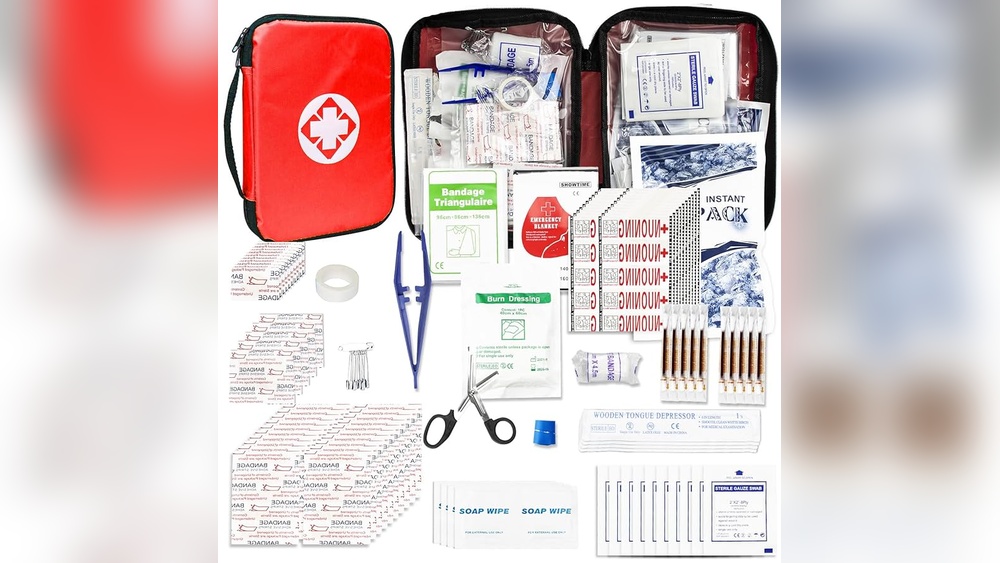
First aid gear treats injuries and prevents infections. Include bandages, antiseptic wipes, and pain relievers. Basic tools like tweezers and scissors help manage wounds. Quick treatment avoids complications and speeds up recovery.

Credit: denversurvival.com
Navigation And Communication
Navigation and communication are key parts of survival gear. They help you find your way and stay in touch. In the wild, these tools can save your life. They guide you and connect you to help.
Compasses And Gps Devices
Compasses are simple tools that show direction. They do not need batteries. You can trust them anytime. GPS devices use satellites to pinpoint your location. They show maps and routes on a screen. GPS is easy to use but needs power. Both tools help you avoid getting lost.
Signal And Emergency Communication
Signals are ways to call for help. Whistles, mirrors, and flares send messages over long distances. Emergency radios connect you to rescue teams. Satellite phones work where regular phones fail. Carrying a signal device improves your safety. It lets others find you faster in danger.
Tools And Equipment
Survival gear includes essential tools and equipment needed to stay safe outdoors. These items help with tasks like cutting, building shelter, and making fire. Good tools make survival easier and safer. They are small, strong, and easy to carry.
Knives And Cutting Tools
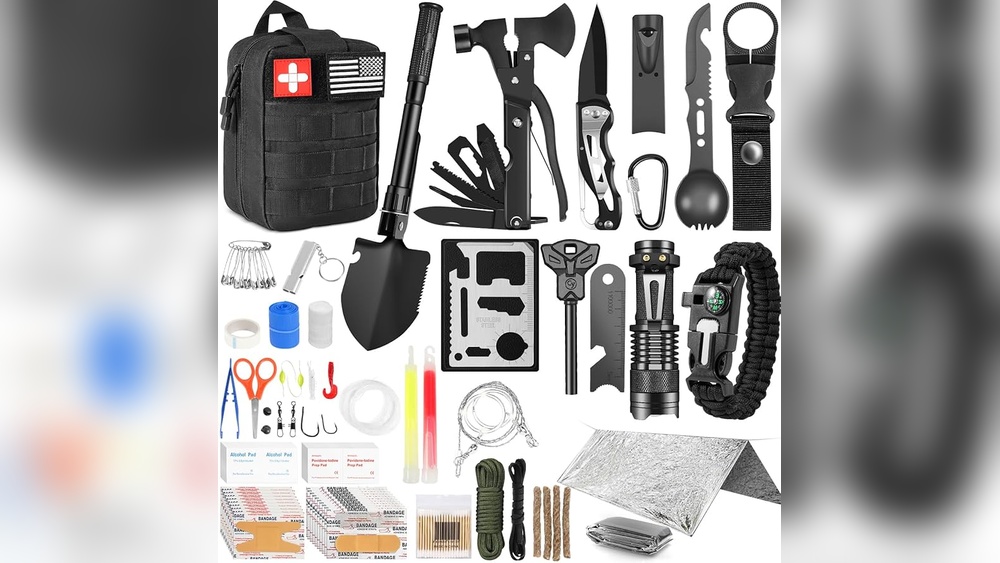
Knives are basic survival tools. They cut wood, rope, and food. A strong blade can also protect you. Choose knives with a sharp, sturdy blade. Folding knives save space. Fixed-blade knives offer more strength. Carry a small saw or wire cutter for extra help.
Multi-tools And Utility Gear
Multi-tools combine many functions in one device. They include pliers, screwdrivers, and scissors. Multi-tools save space in your pack. They help fix gear and build shelter. Easy to carry and very useful. Always choose a good quality multi-tool. It is a must-have for survival.
Fire Starting Methods
Fire is vital for warmth, cooking, and signaling. Carry waterproof matches or a lighter. Flint and steel tools work even when wet. Fire starters like cotton balls coated with wax burn longer. Practice using different fire methods. Fire skills can save your life outdoors.
Clothing And Personal Gear
Clothing and personal gear are vital parts of survival gear. They protect you from harsh conditions and help you stay comfortable. Choosing the right items can make a big difference in tough situations.
Survival clothing must suit the weather and environment. Personal gear keeps you safe and ready for challenges. Each piece has a specific role in your survival kit.
Weather-appropriate Apparel
Wear clothes that match the climate. In cold weather, use layers to keep warm. Base layers trap heat close to your skin. Outer layers block wind and rain. In hot weather, choose light, breathable fabrics. Avoid cotton as it holds moisture. Quick-dry materials help keep you dry and cool.
Footwear And Gloves
Good footwear protects your feet and prevents injuries. Hiking boots offer support and grip. Waterproof shoes keep feet dry in wet areas. Gloves protect hands from cold and rough surfaces. Choose gloves that fit well and allow movement. Both footwear and gloves help you work and move safely.
Personal Safety Items
Personal safety items include things like a whistle or a small mirror. These help you signal for help if needed. A headlamp or flashlight keeps you safe in the dark. Carry a multi-tool for small repairs and tasks. First aid items protect you from injuries. These tools increase your chances of staying safe.
Packing And Maintenance
Packing and maintaining survival gear is essential for safety and efficiency in emergencies. Proper packing saves space and ensures quick access to important items. Regular maintenance keeps gear in good condition and ready to use.
Efficient Packing Techniques
Organize gear by importance and frequency of use. Place essential items on top for easy reach. Use waterproof bags to protect from moisture. Roll clothes instead of folding to save space. Label each bag or container clearly. Balance weight evenly to avoid discomfort when carrying. Keep small items in separate pouches to prevent loss.
Gear Care And Storage
Clean gear after every use to remove dirt and debris. Dry all items thoroughly to prevent mold and rust. Store gear in a cool, dry place away from sunlight. Check batteries and replace them regularly. Inspect tools and equipment for damage or wear. Repair or replace broken items promptly. Proper care extends the life of survival gear.
Customizing Your Survival Kit
Customizing your survival kit is key to being prepared for any situation. A one-size-fits-all kit might miss important items you need. Tailoring your gear helps you face specific challenges with confidence.
Each survival kit should reflect where you live and what risks you expect. Personal needs also shape what tools and supplies you carry daily. Custom kits make survival simpler and more effective.
Assessing Environment And Risks
Start by studying your environment. Know the weather, terrain, and wildlife risks. Urban areas need different tools than forests or deserts. Consider natural disasters common in your region. This helps you choose the right gear and supplies.
Adapting Gear To Personal Needs
Think about your health and skills. Include medications, special tools, or comfort items. Physical strength and experience affect what you can carry and use. Customize for your size, ability, and daily routine. This ensures your kit works well for you.

Credit: www.selfrelianceoutfitters.com
Frequently Asked Questions
What Is Survival Gear Used For?
Survival gear helps individuals stay safe and alive in emergencies. It includes tools for shelter, water, food, and first aid. These items prepare you for outdoor adventures or unexpected situations, enhancing your chances of survival in harsh conditions.
What Items Are Essential In Survival Gear?
Essential survival gear typically includes a knife, fire starter, water filter, first aid kit, and emergency shelter. These basics cover key survival needs like protection, warmth, hydration, and medical care, making them vital for any survival kit.
How Do I Choose The Right Survival Gear?
Choose survival gear based on your environment, skill level, and trip duration. Prioritize lightweight, durable, and multi-functional items. Always test gear before use to ensure reliability and suitability for your specific survival needs.
Can Survival Gear Help In Natural Disasters?
Yes, survival gear is crucial during natural disasters. It provides necessary tools for shelter, water purification, and communication. Having the right gear can help you stay safe, meet basic needs, and increase your chances of rescue.
Conclusion
Survival gear helps you stay safe in tough situations. It includes tools for shelter, food, water, and first aid. Choosing the right gear depends on your needs and environment. Carrying basic items can make a big difference during emergencies. Always prepare ahead to face unexpected challenges calmly.
Remember, simple and reliable gear often works best. Being ready means you can protect yourself and others. Survival gear is about safety and peace of mind. Stay prepared, stay safe, and trust your skills.