When disaster strikes or you find yourself in the wild, having the right survival gear can make all the difference between safety and struggle. But with so many options out there, how do you know what gear truly stands out?
You want reliable tools that won’t let you down when you need them most. This guide will help you discover the best survival gear designed to keep you prepared, confident, and ready for anything. Keep reading to find out what essentials you absolutely need to have with you.
Your safety depends on it.
Credit: www.survivalgear.us
Top Survival Gear Categories
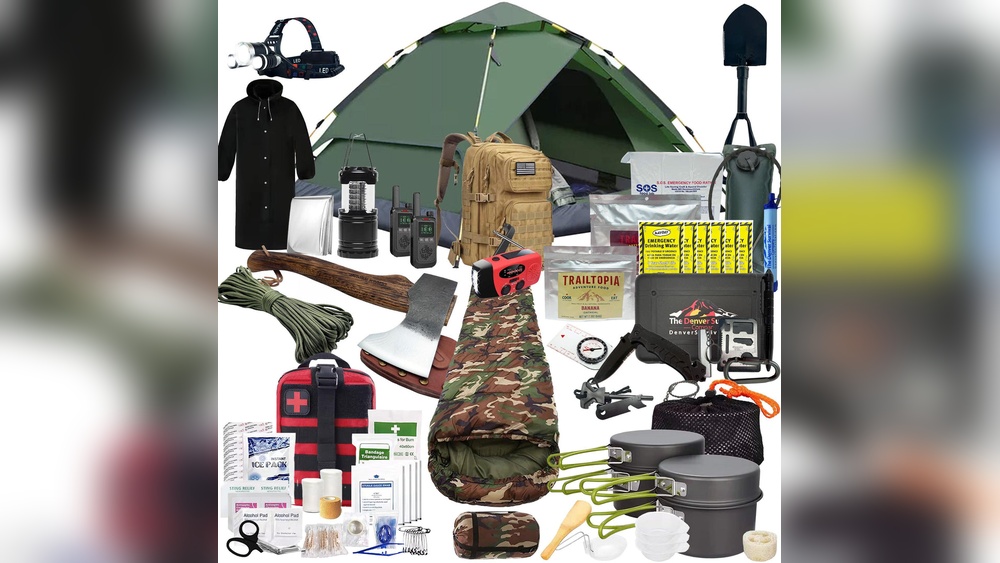
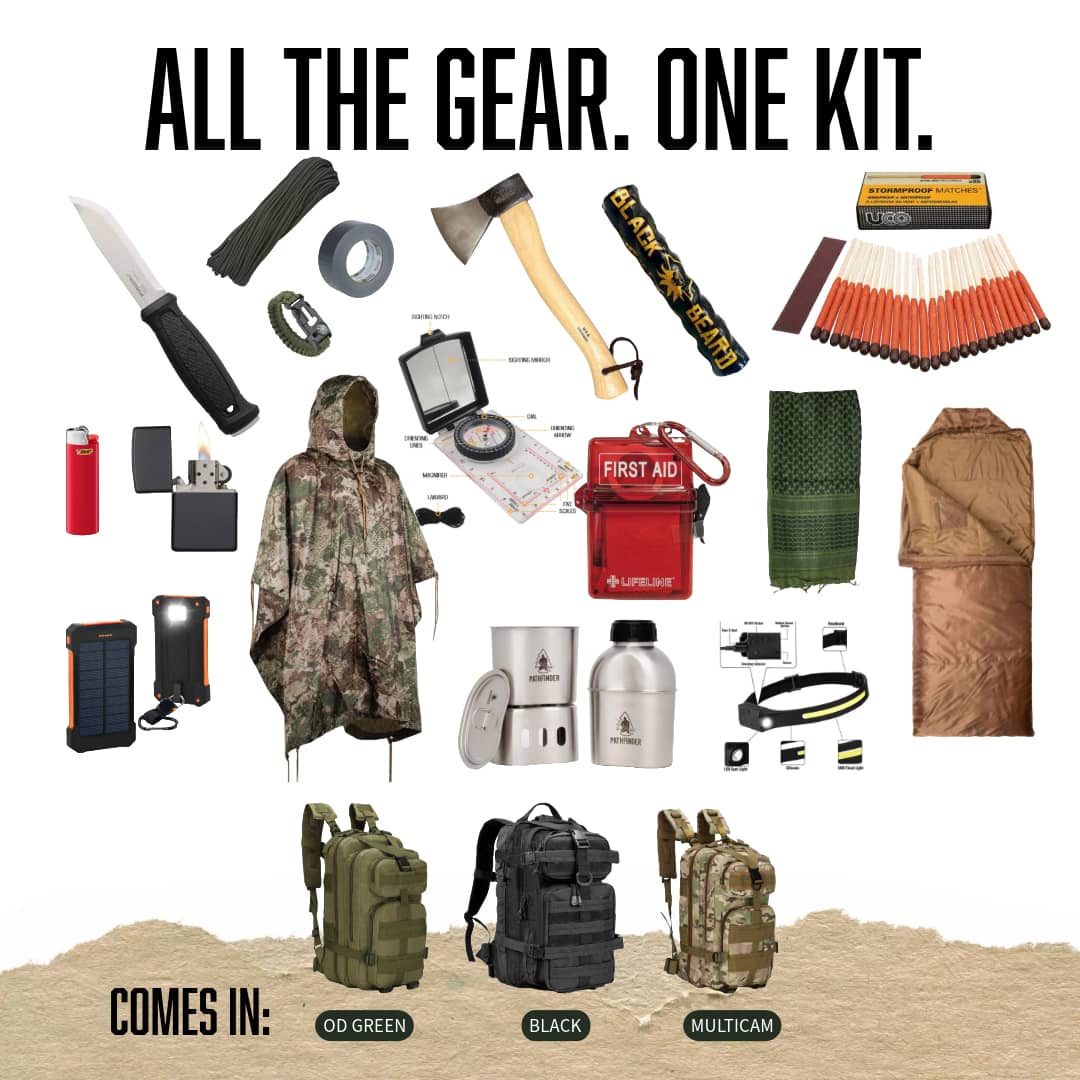
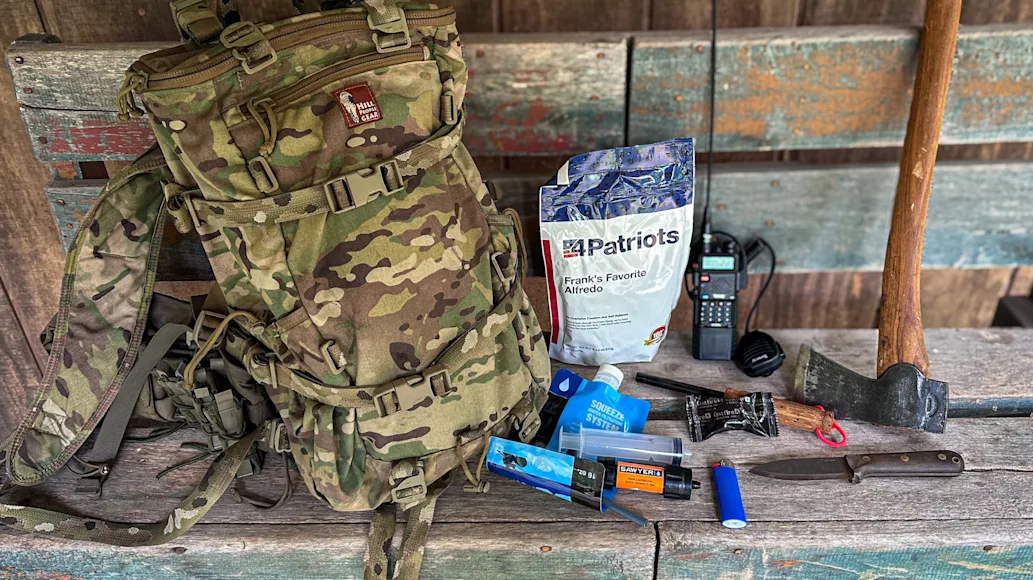
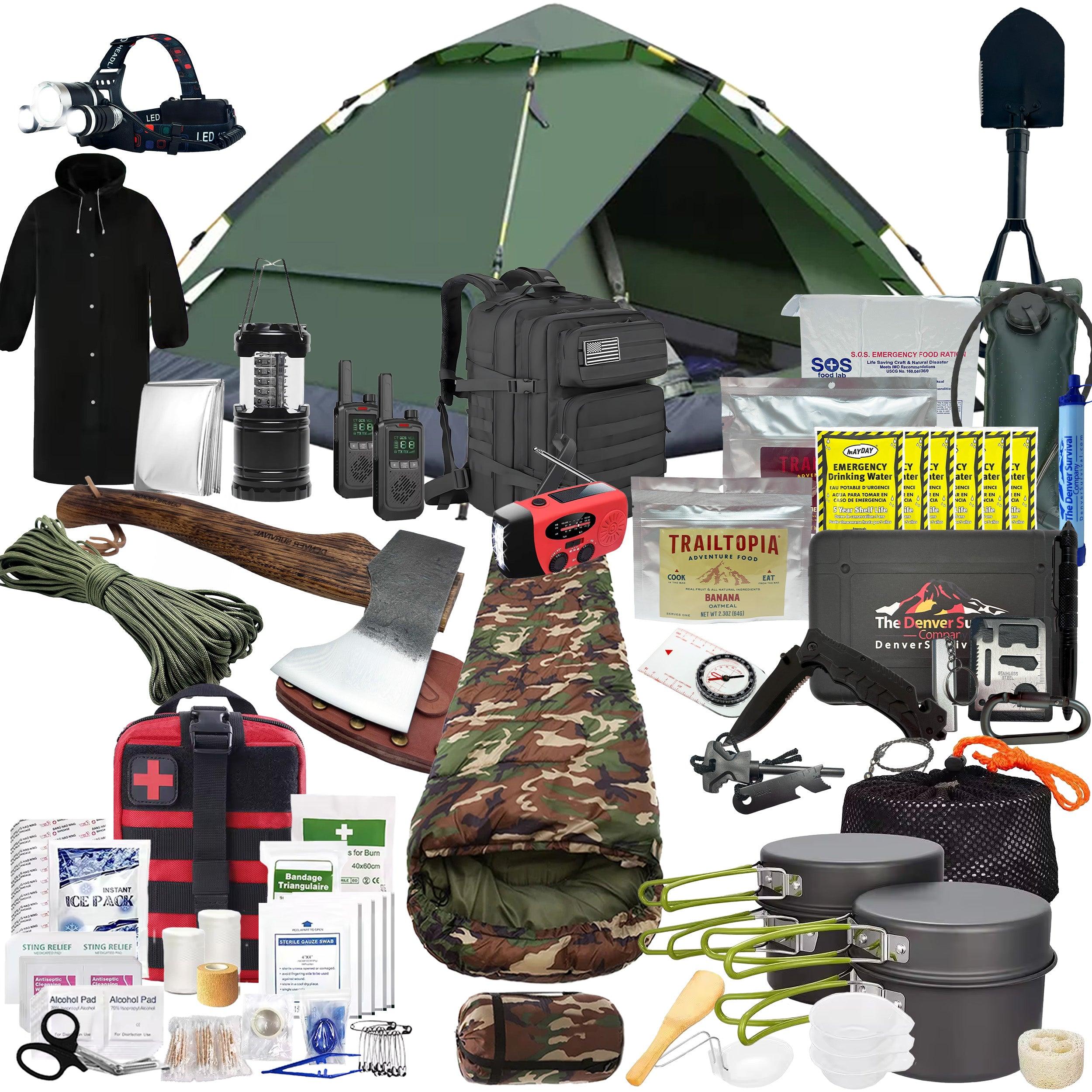
Choosing the right survival gear makes a big difference in any emergency. Different types of gear serve unique purposes. Knowing these categories helps build a complete survival kit. Each group covers essential needs like shelter, food, water, and safety.
Shelter And Sleeping Equipment
Shelter protects from weather and keeps you warm. Items like tents, tarps, and sleeping bags fit here. Lightweight and compact gear is best for easy carrying. A good shelter prevents hypothermia and discomfort.
Water Purification Tools
Clean water is critical for survival. Purification tools remove harmful bacteria and chemicals. Filters, tablets, and UV purifiers are common options. Carrying water purification gear reduces risk of illness.
Food Storage And Preparation
Food storage keeps supplies fresh and safe from animals. Containers and vacuum-sealed bags work well. Preparation tools include portable stoves and utensils. Proper gear ensures you can cook and eat efficiently.
Navigation Devices
Finding your way is vital outdoors. Compasses and GPS units guide your path. Maps are essential backup tools. Navigation gear helps avoid getting lost and saves time.
First Aid Kits
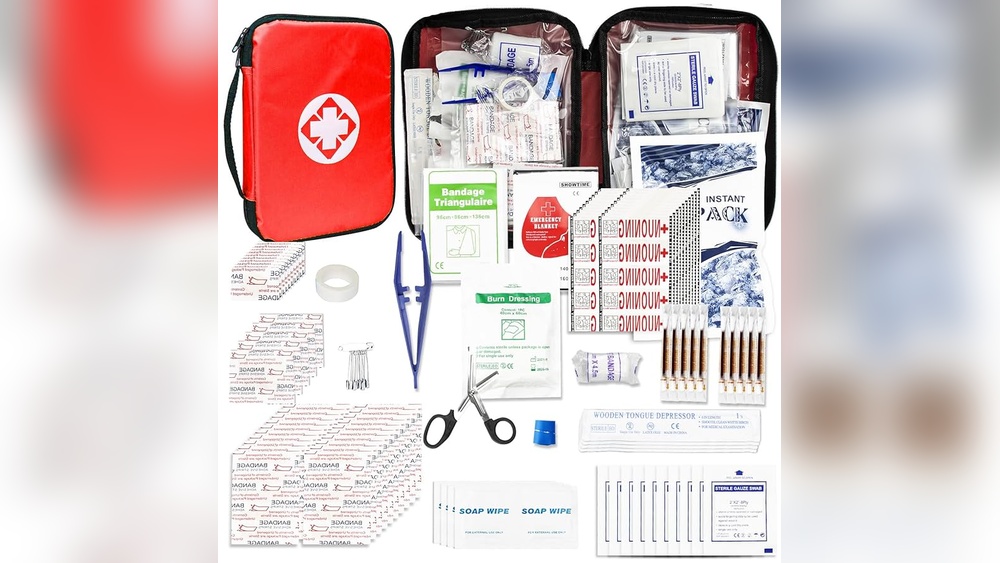
Injuries can happen anytime. First aid kits contain bandages, antiseptics, and pain relief. A well-stocked kit treats wounds and prevents infection. Basic medical supplies increase chances of recovery.
Multi-tools And Knives
Multi-tools combine many useful functions in one item. Knives help with cutting, preparing food, and self-defense. Durable and sharp blades are important. These tools improve efficiency in many tasks.
Fire Starting Gear
Fire provides warmth, light, and cooking ability. Matches, lighters, and fire starters belong here. Reliable fire gear works even in wet conditions. Fire is a survival must-have for safety and comfort.
Lighting Options
Light sources help during night or dark spaces. Flashlights, headlamps, and lanterns are common. Choose gear with long battery life. Good lighting increases safety and visibility in the dark.
Credit: www.fieldandstream.com
Choosing Gear For Different Environments
Choosing the right survival gear depends on the environment you face. Each setting has unique challenges. Gear must match these conditions to help you stay safe and effective. Understanding these differences makes your survival kit practical and reliable. Below are key gear types for common environments.
Urban Survival Essentials
Urban survival needs focus on safety and mobility. Carry a reliable flashlight and multi-tool. Include a first aid kit and water purification tablets. A sturdy backpack helps organize and carry all items. Personal protection gear, like a whistle or pepper spray, adds security.
Wilderness Survival Gear
Wilderness gear must support shelter, fire, and navigation. A compact tent or tarp provides shelter. Waterproof matches or a fire starter are vital. Carry a compass and detailed maps for direction. Bring a durable knife and a water filter for clean drinking water.
Coastal And Marine Kits
Coastal survival gear focuses on water safety and navigation. A life jacket is essential for flotation. Waterproof containers protect electronics and documents. A signal mirror and whistle help attract attention. Include fishing line and hooks for food sourcing.
Cold Weather Equipment
Cold weather gear prevents frostbite and hypothermia. Insulated clothing and thermal layers keep you warm. A sleeping bag rated for low temperatures is crucial. Hand warmers and a portable stove aid heat production. Carry snow goggles to protect your eyes.
Desert Survival Tools
Desert survival gear helps manage heat and scarce water. Lightweight, breathable clothing shields you from the sun. A wide-brim hat and sunglasses protect your head and eyes. Carry extra water and a collapsible container. A compact shovel helps dig for shelter or water.
Key Features To Look For
Choosing the right survival gear can make a big difference in emergencies. Gear must work well in tough conditions and be easy to carry. This section explains key features to check before buying survival equipment.
Durability And Build Quality
Survival gear must be strong and last long. It should resist water, dust, and rough use. Look for materials like stainless steel or heavy-duty plastic. Good build quality means the gear won’t break when you need it most.
Portability And Weight
Lightweight gear is easier to carry on long trips. Bulky items slow you down and take up space. Choose compact tools that fit well in your backpack. Portability helps you move quickly and stay ready.
Ease Of Use
Simple gear saves time and effort in emergencies. Avoid complicated tools that need special skills. Clear instructions and easy operation are important. Gear should work fast and without confusion.
Versatility
Multi-use gear saves space and money. Tools that perform many functions are better for survival kits. For example, a knife with a saw and screwdriver is very useful. Versatile gear adapts to different situations.
Battery Life And Power Sources
Battery-powered gear must last long without charging. Look for rechargeable options or those using common batteries. Solar-powered devices add extra convenience. Reliable power keeps your gear working when needed.
Credit: denversurvival.com
Latest Innovations In Survival Gear For 2025
The survival gear of 2025 has taken a big step forward. New tools now offer better help in tough situations. These innovations focus on safety, ease, and care for nature. They make surviving easier and more reliable.
These improvements help people stay prepared and confident. Technology mixes with smart design. Materials become lighter and greener. Water and fire tools get smarter and faster. Multi-tools become smaller but more useful.
Smart Technology Integration
Survival gear now connects with smart devices. GPS and weather updates come in real-time. Some tools use sensors to track health and location. This tech helps users make quick, safe choices. Batteries last longer with energy-saving features.
Eco-friendly Materials
New gear uses recycled and natural materials. These options reduce waste and pollution. Lightweight fabrics and metals protect the environment. Biodegradable items leave no harmful traces. This makes gear safer for nature and users.
Advanced Water Filtration
Water filters remove more dirt and germs than before. Portable systems clean water faster and easier. Some filters work without batteries or chemicals. Users can drink safely from many water sources. This technology supports longer outdoor stays.
Improved Fire Starting Methods
Fire starters now work in wet and windy conditions. Some use magnetic sparks or solar energy. They light fires quickly with less effort. Compact designs fit easily in any pack. These tools boost safety and warmth in survival.
Compact Multi-functional Tools
Multi-tools combine many functions in small sizes. They include knives, screwdrivers, and saws in one. Lightweight designs save space and weight. Easy to carry and use anytime. These tools help solve many problems fast.
Packing Your Survival Kit
Packing your survival kit requires careful thought and planning. The right items can save your life in an emergency. Every piece of gear must serve a clear purpose. Organization helps you find what you need fast. Carrying too much weight can slow you down. Tailoring your kit to your needs makes it more useful. Focus on essentials and keep the kit manageable.
Essential Items Checklist
Start with basic survival tools. Include a reliable knife and fire starter. Pack water purification tablets or a filter. Add a first aid kit with bandages and antiseptic. Bring a flashlight with extra batteries. Carry some high-energy food like nuts or bars. Include a space blanket for warmth. Don’t forget a whistle for signaling. Keep a map and compass for navigation.
Organizing For Quick Access
Use small pouches or compartments inside your kit. Group similar items together for easy finding. Place the most needed tools at the top or outside. Keep fragile or small items secured to avoid loss. Label pockets if possible for faster recognition. Practice packing and unpacking to improve speed. Your goal is to reach vital gear without delay.
Balancing Weight And Necessity
Heavy kits are hard to carry long distances. Only pack items that are truly necessary. Choose lightweight versions of tools and supplies. Consider multi-use items to save space and weight. Regularly review your kit to remove unused items. Balance survival needs with comfort and mobility. A lighter kit means faster movement and less fatigue.
Customizing For Personal Needs
Think about your environment and likely challenges. Add extra water if you are in dry areas. Include insect repellent for buggy locations. Pack extra warm clothing for cold climates. Tailor your first aid kit for personal health issues. Include communication devices if needed. Adjust the kit based on your skills and experience. Your survival kit should fit your unique situation.
Maintaining And Updating Your Gear
Maintaining and updating your survival gear is essential for readiness and safety. Gear can wear out or become outdated over time. Proper care ensures your equipment works when you need it most. Regular attention keeps your supplies reliable and effective.
Regular Inspections
Check your gear often for damage or wear. Look for tears, rust, or broken parts. Test items like flashlights and radios to confirm they work. Early detection prevents problems during emergencies. Make inspections part of your routine.
Replacing Expired Items
Food, water, and medical supplies have expiration dates. Expired items may lose effectiveness or become unsafe. Replace these items regularly to keep your kit fresh. Mark dates on your calendar to track replacements. Fresh supplies mean better chances of survival.
Storage Tips
Store gear in a cool, dry place away from sunlight. Use airtight containers to protect against moisture and pests. Keep items organized for quick access. Avoid stacking heavy gear on fragile items. Proper storage extends gear life and readiness.
Upgrading With New Technology
New survival tools appear regularly. Some offer better efficiency or durability. Evaluate your gear and swap outdated items for improved versions. Choose upgrades that suit your survival needs. Staying current helps you face challenges confidently.
Frequently Asked Questions
What Essential Items Make The Best Survival Gear?
The best survival gear includes a reliable knife, water purifier, fire starter, first aid kit, and sturdy shelter. These items ensure safety, hydration, warmth, and medical aid during emergencies. Choosing lightweight and multi-purpose tools enhances portability and functionality in survival situations.
How To Choose Survival Gear For Different Environments?
Select gear based on climate and terrain. For cold areas, prioritize insulated clothing and fire-starting tools. In humid zones, focus on waterproof gear and insect protection. Always research the environment to pick equipment that meets specific survival challenges effectively.
Why Is A Reliable Water Purifier Crucial In Survival Kits?
Clean water is vital for survival. A water purifier removes harmful bacteria and viruses, preventing illnesses. It ensures safe drinking water from natural sources, which is often contaminated. This tool is lightweight, essential, and increases your chances of staying healthy in the wild.
Can Multi-purpose Tools Improve Survival Gear Efficiency?
Yes, multi-purpose tools save space and weight in your kit. They combine functions like cutting, screwing, and opening, reducing the need for multiple items. This efficiency is crucial for mobility and quick access during emergencies, making your survival gear more practical.
Conclusion
Choosing the best survival gear means picking items that suit your needs. Focus on gear that is reliable, easy to use, and durable. Always test your equipment before any trip or emergency. Keep your kit light but complete. Remember, good survival gear can make a big difference.
Stay prepared and stay safe wherever you go. The right tools help you handle tough situations calmly. Choose wisely, and you will feel more confident outdoors.