Imagine finding yourself in the wild with no place to stay safe and dry. What would you do?
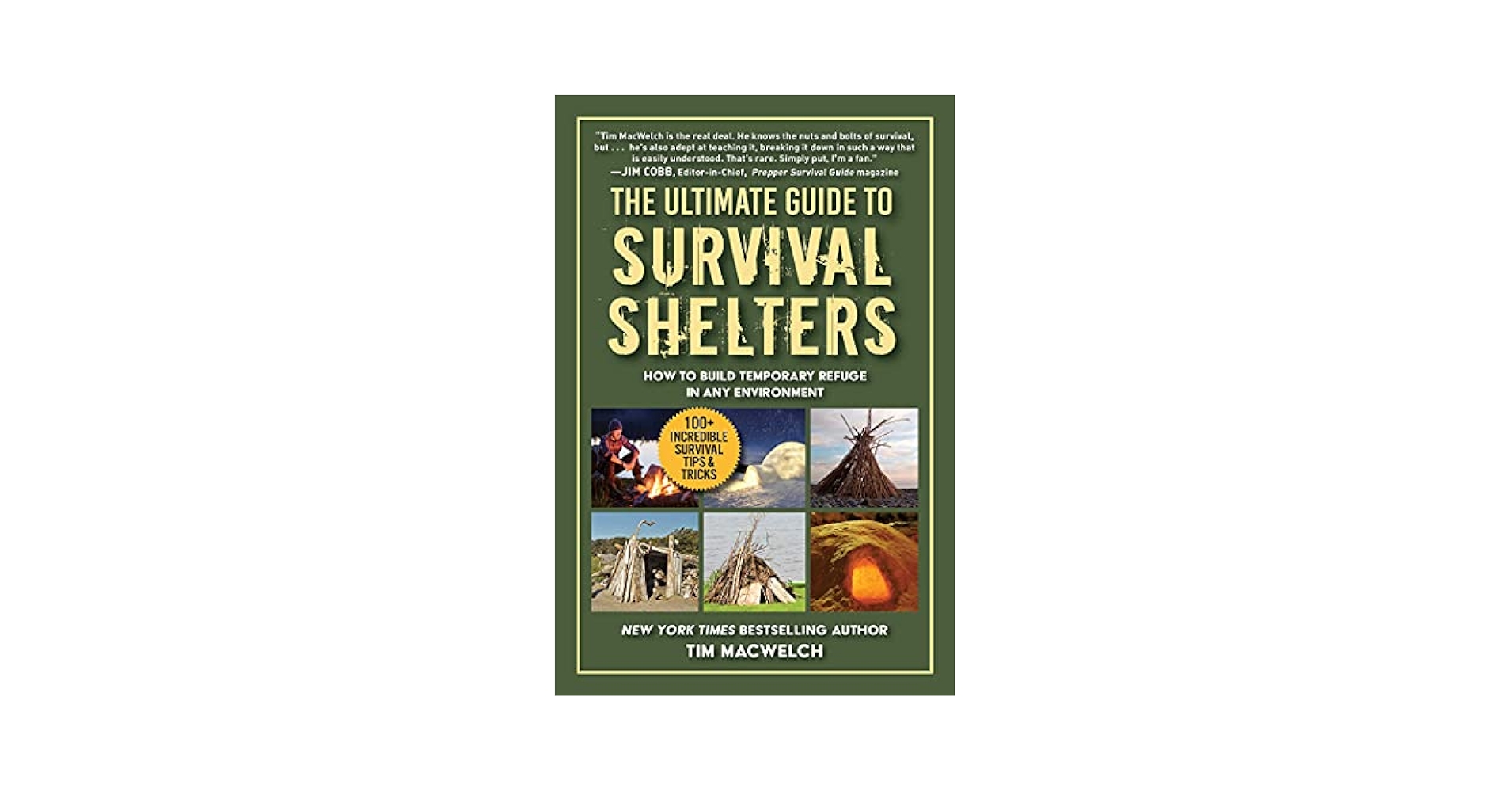
Knowing how to build a survival shelter can be the difference between staying comfortable or facing danger. This guide will show you simple, clear steps to create a shelter using materials around you. Whether you’re a beginner or just want to improve your skills, this book will give you the confidence to protect yourself in any outdoor situation.
Keep reading, and you’ll discover easy ways to secure your safety when it matters most.
Types Of Survival Shelters
Understanding the types of survival shelters is crucial for anyone serious about wilderness survival. Each shelter type offers different benefits depending on your environment, available materials, and the time you have to build. Choosing the right shelter can mean the difference between staying warm and dry or facing harsh weather conditions unprotected.
Natural Shelters
Natural shelters use what the environment already provides, like caves, rock overhangs, or fallen trees. They require little to no building effort, which can save your energy in a survival situation. However, you must carefully check for hazards like unstable rocks or wildlife before settling in.
Have you ever considered how a simple fallen tree can offer significant protection from wind and rain? Nature often gives you a head start if you know where to look.
Debris Huts
Debris huts are made by piling leaves, branches, and other natural materials over a simple frame. This type of shelter is excellent for insulation, trapping body heat inside. Building one takes some effort, but it’s highly effective if you need warmth quickly.
Think about the last time you felt cold outside—could a thick layer of leaves have made that night bearable? Debris huts answer that need with practical use of forest debris.
Lean-tos
Lean-tos are simple shelters with one slanted wall, usually built against a tree or rock. They offer good wind protection and are quick to assemble. Adding a fire in front of a lean-to can provide warmth and help keep predators at bay.
Have you tried building something quickly when the weather turned bad? Lean-tos let you create a shelter fast, so you’re not caught off guard.
A-frame Shelters
A-frame shelters have two sloping sides that meet at the top, forming a triangle. This shape sheds rain and snow well, keeping the inside dry. You can build one using branches and cover it with leaves or a tarp for added protection.
Imagine standing under a sturdy roof during a sudden downpour—wouldn’t that feel like a lifeline? A-frame shelters provide that reliable cover with minimal materials.
Tarp Shelters
Tarp shelters are versatile and lightweight, using a tarp or plastic sheet as the main cover. You can set them up in various shapes like a pyramid or lean-to depending on the situation. Their portability makes them a favorite among hikers and survivalists alike.
Do you carry a tarp in your survival kit? If not, it might be the simplest way to add quick shelter to your gear without extra weight.

Credit: www.amazon.com
Choosing The Right Location
Choosing the right location is the first and most important step in building a survival shelter. A good spot keeps you safe, dry, and near resources. It affects how comfortable and secure your shelter will be. Taking time to pick the best place can make a big difference in survival situations.
Safety Considerations
Select a location away from hazards like falling branches or flooding areas. Avoid places near animal trails or insect nests. Look for stable ground that won’t slide or erode. Clear the area of sharp objects, rocks, or debris before building. Safety is key to avoid injury or danger while sheltering.
Weather Protection
Find a spot that shields you from strong winds and heavy rain. Natural barriers such as hills, trees, or rocks help block harsh weather. Avoid low spots where water can collect during rain. Position your shelter to catch sunlight for warmth but avoid direct exposure to storms. Good weather protection keeps you dry and warm.
Resource Availability
Choose a location near water, firewood, and food sources. Being close to fresh water saves time and effort. Nearby wood helps build and fuel your fire quickly. Look for edible plants and animal signs around the area. Having resources nearby supports long-term survival and comfort.
Essential Tools And Materials
Basic tools like a knife, rope, and tarp help build a strong survival shelter. Natural materials such as branches and leaves provide essential cover and insulation. These items ensure safety and comfort in the wild.
Building a survival shelter requires planning and the right resources. Essential tools and materials help ensure your shelter is secure and comfortable. Whether you’re in the wilderness or backyard, having the right equipment is crucial.Basic Tools
Having basic tools makes building easier and faster. A sturdy knife is essential for cutting ropes and branches. A hatchet or axe helps in chopping wood for the frame. A folding saw is useful for cutting larger branches. A multi-tool can be handy for various small tasks. Always keep these tools in good condition.Natural Materials
Nature provides many materials for building shelters. Branches and leaves form the basic structure. Large leaves or bark can serve as roofing. Vines and twigs help tie parts together. Rocks are useful for stabilizing the base. Pine needles or grass add insulation and comfort.Man-made Supplies
Man-made supplies add durability to your shelter. Tarps and plastic sheets provide waterproofing. Ropes and bungee cords secure the structure. Duct tape is versatile for quick fixes. Paracord is strong and lightweight for tying materials. Always pack these items in your survival kit.
Credit: www.amazon.com
Step-by-step Shelter Building
Building a survival shelter might seem overwhelming, but breaking it down into clear steps makes the process manageable. Each phase requires attention to detail to ensure your shelter stands strong and keeps you safe. Let’s walk through how you can create a reliable shelter, starting from the ground up.
Site Preparation
Choosing the right spot is crucial. Look for a flat area away from hazards like falling branches or flood zones. Clear the ground of rocks, sticks, and debris that could make your shelter uncomfortable or unstable.
Think about wind direction and sunlight. Position your shelter entrance away from prevailing winds to stay warmer. Have you ever noticed how a small change in location can make your shelter feel drastically different?
Framework Construction
Start by gathering sturdy branches or poles for the frame. Use strong materials that can support the weight of your shelter’s covering. Lash them tightly with rope or vines to create a stable structure.
Try building a simple A-frame or lean-to; both are effective and quick to assemble. I once used an A-frame in a cold forest, and the angled walls helped shed snow easily, which kept the shelter from collapsing.
Insulation Techniques
Insulation keeps you warm by trapping air and blocking wind. Use leaves, grass, pine needles, or moss to fill gaps in your shelter walls and roof. Don’t just pile materials on top—layer them densely for better warmth.
Adding a thick bedding of leaves or pine needles on the floor can prevent heat loss through the ground. What natural materials are abundant around you that could serve as good insulation?
Waterproofing Methods
Keeping dry is essential for survival. Cover your shelter with large leaves, bark strips, or a tarp if you have one. Overlap the materials like shingles to let rain slide off rather than seep in.
Seal gaps with mud or clay to block water entry and wind drafts. When I built a shelter during a rainy weekend, sealing with mud made a huge difference in staying dry and comfortable.
Maintaining And Improving Your Shelter
Building a survival shelter is only the first step. Keeping it safe and strong needs constant care. Maintaining and improving your shelter ensures it lasts through tough weather and long stays.
Regular checks help spot damage early. Strengthening weak spots stops bigger problems. Changing the shelter to fit seasons keeps you comfortable and protected.
Regular Inspections
Check your shelter often for any damage or wear. Look for broken branches, holes, or water leaks. Inspect the roof and walls carefully. Remove debris that could cause harm. Early fixes save time and effort later.
Reinforcement Tips
- Use extra branches to support weak areas.
- Tie joints firmly with strong vines or ropes.
- Add mud or clay to seal gaps and cracks.
- Place heavy rocks around the base for stability.
- Replace broken parts immediately to avoid collapse.
Seasonal Adjustments
Prepare your shelter for changing weather. Add more insulation in cold months using leaves or moss. Remove excess coverings during hot seasons for ventilation. Clear snow from the roof to prevent damage. Adjust the entrance to block wind or rain as needed.

Credit: www.amazon.com
Common Mistakes To Avoid
Building a survival shelter is a skill that demands attention to detail. Avoiding common mistakes can mean the difference between comfort and danger in the wild. Let’s look at key errors that often trip people up and how you can steer clear of them.
Poor Location Choices
Choosing the right spot is crucial. Avoid low areas where water can collect and flood your shelter. Also, stay clear of places under dead branches or unstable trees that could fall during bad weather.
Think about natural windbreaks like hills or dense bushes. They can protect you from harsh winds and make your shelter warmer. Have you checked the ground for signs of animal activity? Avoid those areas to keep yourself safe.
Inadequate Insulation
Many underestimate how much insulation matters. Without enough, you’ll lose body heat quickly and risk hypothermia. Use layers of leaves, pine needles, or grass inside and outside your shelter to trap warmth.
Don’t forget to pack down the insulation material to avoid cold spots. I once spent a night in a shelter with thin insulation and learned the hard way how cold it gets when heat escapes. Are you packing enough natural materials to keep you warm?
Ignoring Ventilation
It’s easy to focus only on warmth and forget airflow. Without ventilation, moisture from your breath builds up, making the shelter damp and uncomfortable. This can lead to cold and sickness.
Make small openings near the top of your shelter to let fresh air in and moisture out. Even in freezing conditions, proper ventilation prevents condensation. Have you planned where your shelter’s air vents will be?
Survival Shelter Tips For Beginners
Building a survival shelter is a skill that can make a huge difference when you find yourself in the wild. As a beginner, knowing the right tips can save you time, energy, and even your life. These survival shelter tips will help you feel more confident and prepared to handle unexpected situations.
Practice Makes Perfect
Trying to build a shelter under pressure can be overwhelming. That’s why practicing regularly is essential. Set aside time to create different types of shelters in your backyard or local park.
Try using various materials like branches, leaves, and tarps. Notice how different designs hold up against wind or rain. This hands-on practice helps you understand what works best for your environment and needs.
Packing A Shelter Kit
Carrying the right tools and materials can save you from a lot of trouble. Your shelter kit should be lightweight but comprehensive. Include items like a compact tarp, paracord, a knife, and a small roll of duct tape.
Think about what you can easily carry and use in emergencies. Having these essentials ready means you won’t waste time searching for materials when every minute counts. What’s in your kit right now?
Adapting To Different Environments
Not every shelter design fits all environments. A shelter that works in a forest may fail in a desert or snowy area. Learn to observe your surroundings carefully before building.
For instance, in a wet environment, raising your shelter off the ground helps keep you dry. In cold climates, focus on insulation using leaves or snow walls. Understanding these variations can make your shelter much more effective.
Frequently Asked Questions
What Materials Are Best For Building A Survival Shelter?
Natural materials like wood, leaves, and branches work best. Use waterproof items like tarps or plastic sheets if available. Choose materials that provide insulation and protection from wind and rain for effective shelter construction.
How Long Does It Take To Build A Survival Shelter?
Building a basic survival shelter can take 1 to 3 hours. Time depends on available materials, shelter type, and your skill level. Efficient planning speeds up the process and ensures better protection.
Where Is The Ideal Location To Build A Survival Shelter?
Choose high ground to avoid flooding. Find a spot with natural windbreaks like trees or rocks. Ensure the area is dry, safe, and close to water and resources.
What Are Common Shelter Types For Survival Situations?
Common types include lean-to, debris hut, and tarp shelters. Each offers different protection and requires varying materials. Select based on environment and available resources.
Conclusion
Building a survival shelter requires patience and practice. This book offers clear steps to help you learn. You will gain skills to protect yourself in nature. Shelter keeps you safe from weather and animals. Practice what you read to feel confident outdoors.
Staying prepared can make a big difference in emergencies. Keep this guide handy for your next adventure. Safety starts with knowledge and the right tools. Start building your shelter skills today and stay safe.