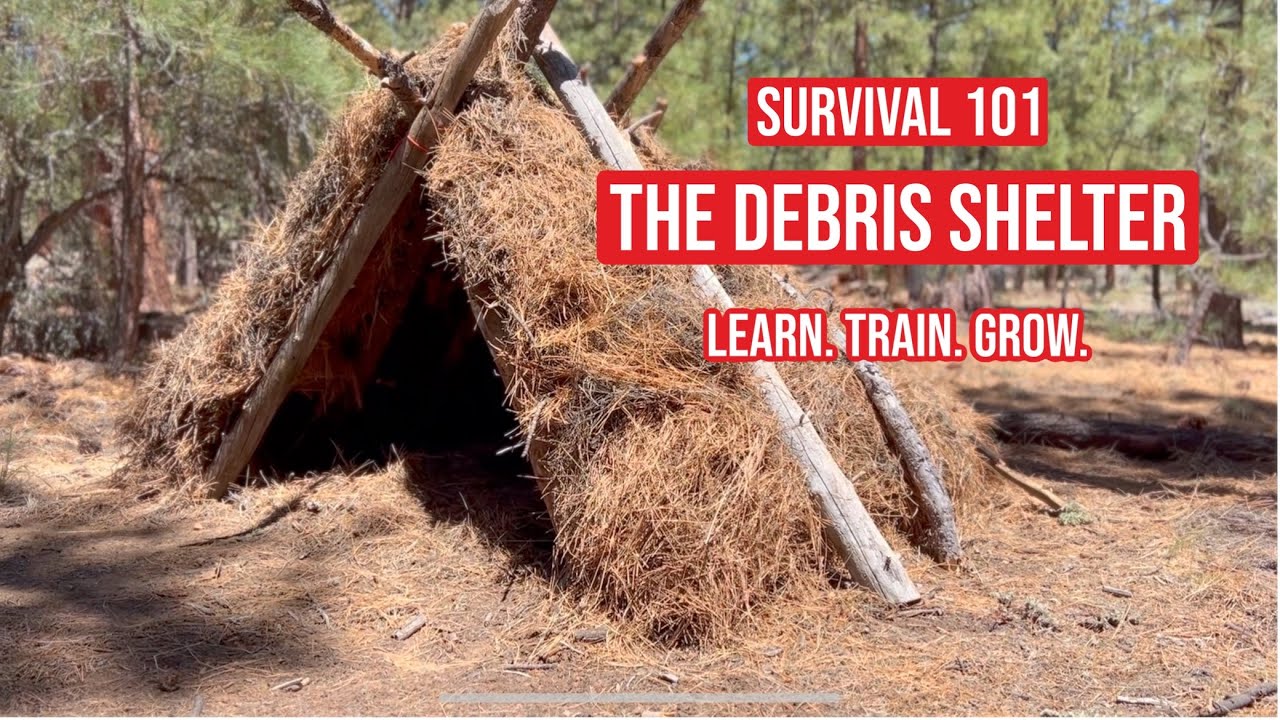
When you’re out in the wild, a shelter is more than just a place to rest—it’s your shield against the elements. Rain can turn a simple temporary shelter into a soggy, uncomfortable mess fast.
But what if you could make sure your shelter stays dry, no matter how heavy the downpour? You’ll discover easy, practical ways to rain-proof your survival shelter. These tips will keep you warm, safe, and dry, so you can focus on what really matters—staying alive and comfortable.
Ready to learn how to protect your shelter from the rain? Keep reading, because your survival depends on it.
Choosing The Right Location
Choosing the right location for your survival shelter is key to staying dry during rain. The place you pick can protect you from water and wind. It also helps keep the shelter stable and safe. Careful site selection improves comfort and increases your chances of staying warm and dry.
Avoiding Low-lying Areas
Low spots collect water quickly. Rainwater pools here and floods tents or shelters. Avoid valleys, ditches, and depressions. These places become muddy and slippery. Pick higher ground instead, where water can run off easily. A dry base keeps your shelter stable and comfortable.
Finding Natural Shelter
Look for natural barriers like large rocks or thick trees. These can block rain and wind. Dense bushes and overhanging branches shield the shelter from rain. Trees with broad leaves provide extra cover. Natural shelter reduces the need for extra materials and offers quick protection.
Considering Wind Direction
Wind drives rain into your shelter. Position the shelter with its back to the wind. This blocks rain and reduces wind chill. Check the usual wind direction before setting up. Use natural features like hills or trees to break the wind. A well-placed shelter stays drier and warmer.
Selecting Shelter Materials
Selecting the right materials is key to rain-proofing a temporary survival shelter. Materials must keep water out and stay strong in wet conditions. The choice depends on what is available and how long the shelter needs to last. Lightweight and flexible options work well for quick shelters. Durable materials suit longer stays and harsher weather.
Understanding different materials helps you build a dry and safe shelter fast. This section covers common waterproof fabrics, natural resources you can use, and simple ways to improve waterproofing with what you have.
Waterproof Fabrics And Tarps
Waterproof fabrics and tarps are the best choice for rain protection. They repel water and dry quickly. Common fabrics include nylon, polyester, and PVC-coated tarps. These materials resist tears and can handle strong winds. Look for tarps with reinforced edges and grommets for easy setup.
- Nylon ripstop: Lightweight and strong
- Polyester: Durable and water-resistant
- PVC tarps: Thick and very waterproof
Using these fabrics lets you build a reliable shelter fast. They create a tight barrier against rain and help keep the inside dry.
Using Natural Resources
Natural materials work well when synthetic fabrics are unavailable. Large leaves, bark, and pine needles can form a rain-resistant layer. They absorb water but can also shed it when layered properly. Look for broad leaves like banana or palm leaves. Bark strips also help block wind and rain.
- Layer leaves tightly to shed water
- Use bark strips for extra coverage
- Build a steep roof to let rain run off
Collect materials from dry areas. Avoid leaves that break or rot easily. Natural resources take more effort but can keep you dry in emergencies.
Improvised Waterproofing Methods
Simple tricks improve waterproofing using common items. You can add plastic bags or trash liners under or over shelter materials. Wax or grease applied to fabric or leaves helps repel water. Even mud or clay packed on the outside can block rain if it dries hard.
- Use plastic sheeting as an extra rain barrier
- Apply natural fats or oils to fabric surfaces
- Cover natural materials with mud to seal gaps
These methods boost your shelter’s resistance to rain. They work well when you lack proper waterproof fabrics but need quick protection.
Building A Rainproof Frame
Create a strong frame using sturdy branches or poles. Cover the frame tightly with waterproof material to keep rain out. Secure edges well to prevent water from seeping inside.
Building a rainproof frame for your temporary survival shelter is crucial to ensure comfort and safety during unpredictable weather conditions. A well-constructed frame not only shields you from rain but also fortifies your shelter against wind and potential collapse. Let’s dive into creating a sturdy and effective rainproof frame by focusing on three critical components.Creating A Sloped Roof
A sloped roof is essential to prevent water accumulation on top of your shelter. Choose a material like tarpaulin or large leaves that can effectively repel water. The slope will allow rain to run off instead of pooling, reducing the risk of leaks. Position the highest point of the roof against the prevailing wind direction for added protection. Adjust the angle to ensure water drains away efficiently. Have you ever tried using a large branch as a ridgepole? It works wonders for stability while ensuring the right slope.Reinforcing Structural Support
The strength of your shelter lies in its structural support. Utilize sturdy branches or logs as your main framework. Secure them firmly into the ground to withstand strong winds. Consider using natural cordage or paracord to tie joints and intersections tightly. This reinforcement prevents movement and maintains the integrity of the frame. What would you use to ensure your shelter withstands an unexpected storm?Elevating The Shelter Base
Elevating the base of your shelter is vital to prevent water from seeping in from the ground. Lay down a layer of branches or rocks to lift the shelter floor. This not only keeps the interior dry but also offers insulation from the cold, damp ground. Ensure the elevation is stable to avoid shifting during heavy rain. Have you thought about using a tarpaulin or plastic sheet underneath for extra protection? It can be a lifesaver in maintaining a dry and comfortable space. By focusing on these aspects, you create a rainproof frame that stands resilient against the elements. What techniques will you implement to enhance your shelter’s durability?
Credit: www.jackery.com
Sealing And Waterproofing Techniques
Sealing and waterproofing your survival shelter is key to staying dry and comfortable during unexpected rain. Without proper protection, even the sturdiest shelter can let water seep in, turning your safe haven into a damp trap. Effective sealing blocks water entry points, while waterproofing keeps moisture from soaking through materials.
Applying Waterproof Coatings
Waterproof coatings create a barrier that repels water from your shelter’s surface. You can use sprays, paints, or natural oils depending on your materials. For example, silicone-based sprays work well on synthetic fabrics, while linseed oil can protect canvas or natural fibers.
Make sure to cover every inch evenly and allow enough drying time. A personal tip: I once skipped reapplying waterproof spray on an old tarp and woke up to a wet sleeping bag. That taught me the importance of regular maintenance.
Sealing Gaps And Joints
Water sneaks in through the smallest cracks. Use waterproof tape, sealant, or even mud mixed with grass to fill gaps around poles, seams, and corners. Don’t forget to check where different materials meet, as these joints are often overlooked.
Ask yourself: where could water pool or drip? Sealing those spots can stop leaks before they start. A well-sealed joint feels solid and prevents drafts, making your shelter more secure against rain and wind.
Using Overlapping Layers
Layering materials with overlap forces water to run off instead of slipping inside. When placing tarps or fabric, ensure each upper layer covers the edge of the one below it. This simple trick mimics how roofs are built to shed rain effectively.
Think about how shingles work on a house—each piece overlaps the next. You can use this concept with survival gear like ponchos or plastic sheets. Overlapping layers also add insulation, keeping you warmer and drier.
Managing Water Flow Around Shelter
Managing water flow around your temporary survival shelter is crucial to stay dry. Water can pool near your shelter, causing leaks or flooding. Controlling where water goes helps protect your shelter’s base and keeps the inside dry. Small changes in the ground can make a big difference. Use simple techniques to guide water away and create a safer shelter space.
Digging Drainage Trenches
Dig narrow trenches around the shelter’s perimeter. Trenches catch rainwater before it reaches the shelter walls. Make them about 6 inches deep and 4 inches wide. Slope the trenches away from the shelter. This helps water flow downhill and not pool near your shelter. Clear debris from trenches regularly to keep water moving freely.
Using Natural Water Barriers
Look for natural features like rocks, logs, or raised ground. Place these around your shelter to block water flow. Rocks and logs slow down water and redirect it. Build small barriers on the downhill side of your shelter. These barriers stop water from rushing toward your shelter. Use what nature provides to create effective water control.
Redirecting Rainwater
Guide rainwater away with simple channels or gutters. Use sticks or bark to create a small path for water. Direct water to a safe drainage spot far from the shelter. Avoid placing water paths where they can cause erosion. Check your system after rain to ensure it works well. Redirecting water keeps your shelter dry and more comfortable.

Credit: www.amazon.ca
Maintaining Shelter During Rain
Keeping your temporary survival shelter dry during rain is vital for comfort and safety. Rain can quickly turn a shelter into a cold, damp trap if you don’t stay on top of maintenance. Paying attention to small issues before they grow can make a huge difference in how well your shelter performs under wet conditions.
Regular Inspections
Check your shelter often, especially before and during rain. Look closely at seams, joints, and any spots where water might seep through. Even tiny holes or loose edges can cause big problems if left unattended.
Try to inspect both inside and outside your shelter. Sometimes leaks show up as damp patches inside before you see water outside. Would you want to miss a tiny hole that could flood your shelter overnight?
Quick Repairs
Fix problems as soon as you find them. Carry simple repair tools like duct tape, waterproof patches, or extra tarps. These allow you to seal leaks immediately, preventing water from spreading.
If you find a tear in the fabric, don’t wait for it to worsen. Apply a patch or tape over it right away. Quick action keeps your shelter strong and dry, even during heavy rain.
Preventing Water Accumulation
Water pooling around or on top of your shelter can cause leaks and structural issues. Make sure the ground slopes away from your shelter to direct runoff water elsewhere.
Use stakes or rocks to tighten and angle tarps so water runs off smoothly. Avoid flat spots where rainwater can collect. How often do you check for puddles after a storm?
Additional Tips For Comfort
Making your temporary shelter rainproof is crucial, but comfort should not be overlooked. Small adjustments can make a big difference in how you feel inside your shelter during wet weather. These extra tips help you stay dry, warm, and organized, so you can focus on what really matters—survival and peace of mind.
Insulating The Floor
Cold and damp floors can ruin your shelter experience quickly. Use natural materials like dry leaves, pine needles, or grass to create a thick insulating layer beneath you. If you have a tarp or foam pad, add that on top to block moisture and cold from the ground.
Think about the last time you sat on a cold floor—how much did it affect your energy? Insulating the floor not only keeps you warmer but also reduces fatigue. Always check the ground for sharp objects before adding your insulation.
Ventilation Without Leaks
Ventilation is essential to avoid condensation inside your shelter, which can make everything damp. Create small vents near the top of your shelter, but ensure they are covered or angled to prevent rain from entering.
A trick I’ve used is to position vents under a tarp overhang or behind natural barriers like bushes. This setup lets air flow in and out while keeping water out. Can you imagine waking up in a soggy shelter? Proper ventilation helps keep that nightmare away.
Protecting Gear And Supplies
Wet gear can be as bad as being wet yourself. Use waterproof bags or dry sacks to store your essentials, and place them off the ground on a raised platform or hanging from a tree branch.
Inside your shelter, designate a corner specifically for your gear. Cover this area with an extra tarp or plastic sheet for added protection. How often have you struggled with soggy supplies in the field? Keeping your gear dry keeps you prepared and comfortable.

Credit: www.youtube.com
Frequently Asked Questions
How Can I Make A Shelter Rainproof Quickly?
Use a waterproof tarp or plastic sheet over the shelter. Secure edges tightly with ropes or stakes to prevent water entry. Add natural materials like leaves or branches for extra protection. Ensure the shelter’s roof is sloped to allow water runoff.
Regularly check for leaks and reinforce as needed.
What Materials Work Best For Rainproofing Shelters?
Waterproof tarps, plastic sheets, and treated fabrics are ideal. Natural materials like large leaves or bark can add an extra layer. Avoid materials that absorb water, like untreated cloth. Using a combination of synthetic and natural materials improves durability and rain resistance effectively.
How Do I Prevent Water Pooling On My Shelter Roof?
Build the roof with a steep angle for water to run off easily. Avoid flat surfaces where water can collect. Clear any debris that might block water flow. Regularly inspect and adjust the shelter’s shape to maintain proper drainage. Proper design prevents leaks and structural damage.
Can I Use Natural Materials To Rainproof A Survival Shelter?
Yes, thick leaves, bark, and pine needles can add waterproof layers. Layer them densely to block rain penetration. Combine with a tarp or plastic sheet for best results. Natural materials also provide insulation and camouflage in the wild. Regular maintenance keeps the shelter dry and secure.
Conclusion
Rainproofing a temporary survival shelter keeps you dry and safe. Use strong materials that block water well. Seal all gaps and cover the roof tightly. Keep the shelter raised to avoid water pooling. Check often for leaks and fix them fast.
Staying dry helps keep your energy and health. With these simple steps, your shelter will stand up to rain. Stay prepared, stay protected.