Imagine you’re caught in freezing, snowy conditions with no shelter in sight. Your survival depends on how quickly and effectively you can build a shelter to protect yourself from the cold.
You might think it’s complicated, but with the right steps, you can create a safe, warm refuge even in the harshest snow. This guide will show you exactly how to build a survival shelter in snow—simple, practical, and life-saving techniques you need to know.
Keep reading, because your safety could depend on what you learn here.

Credit: www.youtube.com
Choosing The Right Location
Choosing the right location for your survival shelter in snow is crucial for your safety and warmth. The spot you pick can mean the difference between comfort and danger. Careful consideration of the environment around you will help you build a shelter that protects you from the cold and other risks.
Avoiding Hazards
Look out for potential dangers like falling branches or avalanche-prone slopes. Avoid areas directly beneath large trees with heavy snow buildup; branches can snap under weight. Also, steer clear of steep hillsides where snow might slide down suddenly.
Check for signs of unstable snow layers around you. Ask yourself, “Could this spot put me in harm’s way if the weather changes quickly?” Picking a safe spot first means you won’t have to relocate later when conditions worsen.
Using Natural Windbreaks
Wind can sap your body heat faster than you realize. Choose locations near natural windbreaks like dense trees, large rocks, or snowdrifts. These features block strong gusts and reduce wind chill inside your shelter.
If you’ve ever felt how biting wind cuts through layers, you know why this matters. Even a simple snowbank can act as a shield and save your energy. Think about how the wind direction shifts during the day and position your shelter accordingly.
Finding Insulated Ground
Snow alone doesn’t provide good insulation. Look for ground covered with thick moss, pine needles, or fallen leaves beneath the snow. These natural layers trap air and help keep the cold from seeping up into your shelter floor.
Digging down a little to remove the cold snow and place your sleeping area on this softer material can improve warmth significantly. Have you noticed how animals nest in similar spots? Mimicking nature’s choices can boost your chances of staying warm.
Types Of Snow Shelters
Snow shelters provide essential protection against cold, wind, and snow. They help maintain body heat and offer safety in harsh winter conditions. Different types of snow shelters suit different situations and skill levels.
Choosing the right shelter depends on available tools, snow conditions, and time. Understanding common snow shelters can prepare you for winter survival challenges.
Quinzhee Shelter
A quinzhee is a simple shelter made by piling snow into a mound. After creating the mound, let it settle for about an hour to harden. Then, hollow out the inside to make space for sleeping or resting.
It takes less skill than building an igloo and works well with soft snow. The thick walls trap body heat and block wind. Ventilation holes are important to prevent suffocation.
Snow Cave
A snow cave is carved into a deep snowbank or drift. Digging inside the snow creates a cozy space with natural insulation. The snow blocks wind and traps warm air.
It requires good snow depth and some digging effort. Snow caves stay warm because the inside temperature stays near freezing, much warmer than outside. Proper ventilation is vital for safety.
Igloo
An igloo is a dome-shaped shelter built from blocks of hard-packed snow. Cut blocks from firm snow and stack them in a spiral pattern. The dome shape supports weight and sheds wind effectively.
Igloos take more time and skill to build. They provide excellent insulation and can last for days. A small entrance tunnel helps keep cold air out. This shelter suits experienced builders in stable snow conditions.
Gathering Materials
Collect dry branches, leaves, and snow blocks to build a sturdy shelter. Choose materials that provide insulation and protection from wind. Gather enough supplies before starting construction to stay warm and safe.
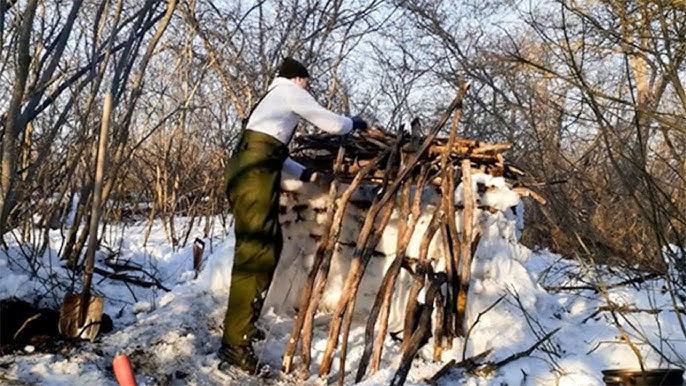
Gathering Materials Building a survival shelter in the snow requires careful selection of materials. The right materials can mean the difference between comfort and discomfort. Let’s dive into how you can gather what you need effectively.Selecting Snow
Picking the right snow is crucial. Look for dense and compact snow, which is perfect for building. Powdery snow may look appealing but offers little insulation and structure. You can test the density by packing a snowball. If it holds its shape well, you’ve found the right snow for your shelter.Collecting Insulation
Insulation will keep your shelter warm. Gather materials like pine branches, dry leaves, or even your extra clothing. These materials create a barrier between you and the icy ground. You might be surprised how effective a layer of pine needles can be. They trap air and provide excellent insulation.Tools Needed
Having the right tools makes construction easier. A sturdy shovel is invaluable for digging and shaping snow. If you don’t have one, a strong stick or even a piece of wood can be effective. A saw can be useful if you’re in a forested area, helping you cut branches for additional structure or insulation. Always keep a multitool handy—it can be a lifesaver in unexpected situations. Are you ready to brave the elements and build your snow shelter? With the right materials, you’re already halfway there.
Credit: www.youtube.com
Building Steps For Each Shelter
Building a survival shelter in snow requires clear steps tailored to the type of shelter you choose. Each shelter has unique needs and construction techniques that affect its stability and warmth. Understanding these steps ensures you create a safe refuge against harsh winter conditions.
Constructing A Quinzhee
A quinzhee is made by piling a mound of loose snow and hollowing it out. Start by gathering at least 2 feet of loose snow and shaping it into a dome about 4 to 6 feet wide. Let the snow settle and harden for 15 to 30 minutes to increase stability before digging inside.
Use a shovel or your hands to carefully hollow out a space inside the mound, leaving walls about 12 to 18 inches thick. Make sure to carve a small ventilation hole at the top to allow airflow. Always test the strength of the walls by gently pressing to avoid collapse.
Digging A Snow Cave
Snow caves offer excellent insulation but require solid snowpack or a snowdrift. Find a deep snowbank and dig horizontally into it, creating a tunnel entrance that leads to a larger chamber. The tunnel should slope slightly upward from the entrance to prevent cold air from flowing inside.
Shape the interior dome carefully to avoid sharp edges; round walls help maintain structural integrity and reduce dripping. Add a small ventilation hole at the top of the chamber. Don’t forget to create a raised sleeping platform inside to stay off the cold floor.
Stacking An Igloo
Igloos are built from blocks of compacted snow cut into a precise shape. Start by cutting rectangular blocks from hard-packed snow, about 2 feet long, 1 foot high, and 6 inches thick. Arrange these blocks in a circular base, angling them slightly inward to form a dome.
Each new layer should lean more inward, locking blocks together to support the structure. Use snow as mortar to fill gaps and smooth the inside walls. Finish by cutting an entrance tunnel and a ventilation hole at the top for air circulation.
Maintaining Shelter Safety
Keeping your snow shelter safe is crucial for survival. A well-built shelter can still become dangerous if you overlook safety details. You need to focus on airflow, structural strength, and managing your own body heat to stay secure and comfortable.
Ventilation Techniques
Snow shelters can trap carbon dioxide, which is dangerous. Make sure to create small ventilation holes near the top of your shelter. This allows fresh air in without letting too much cold air enter.
Cover the holes with a piece of fabric or mesh to keep snow from blocking them. You can test airflow by watching a small piece of tissue or cloth move gently in the breeze. Proper ventilation reduces the risk of suffocation and keeps the air fresh.
Preventing Collapse
Snow shelters can collapse under their own weight, especially after fresh snowfall. To prevent this, build your shelter with a dome shape that evenly distributes weight. Avoid sharp corners or flat roofs that can collect snow.
Inside, use sturdy branches or a strong snow ridge as support. Check your shelter regularly, especially after storms, and clear excess snow from the top. Have you ever felt the panic of hearing cracking snow above you? Taking these steps helps you avoid that fear.
Managing Body Heat
Body heat keeps you warm, but it can also cause moisture buildup inside the shelter. Wear breathable clothing layers to reduce sweating. Moisture can freeze and weaken your shelter walls.
Place an insulating barrier like a sleeping pad or pine boughs between you and the snow floor. This stops heat loss and prevents cold from creeping in. Drinking warm fluids inside the shelter also helps maintain your core temperature without overheating.

Credit: www.youtube.com
Additional Survival Tips
Building a survival shelter in snow is just the start. Staying safe requires extra care and smart choices. These tips help keep you visible, dry, warm, and organized. Each one can improve your chances of rescue and survival.
Signaling For Help
Make your shelter easy to spot from the air or a distance. Use bright materials like clothing or fabric to create signals. Arrange rocks or branches in large letters spelling “SOS” or “HELP.” Reflect sunlight with a mirror or shiny object. Keep a whistle or noise-maker nearby to attract attention.
Staying Dry And Warm
Wet clothes cause body heat to drop fast. Change out of wet clothes as soon as possible. Use layers of dry clothing to trap heat. Avoid sweating by adjusting your activity level. Build a small fire outside the shelter for warmth. Keep the shelter ventilated to reduce moisture inside. Insulate the floor with pine boughs or extra snow blocks.
Storing Supplies
Keep food, water, and tools close but safe from snow and animals. Use waterproof bags or containers to protect supplies. Store water in insulated containers to prevent freezing. Place supplies off the ground on a raised platform or snow shelf. Organize items so you can find them quickly without leaving the shelter.
Frequently Asked Questions
What Materials Are Best For A Snow Survival Shelter?
Use snow blocks, branches, and a tarp or sleeping bag. Snow insulates well, branches provide structure, and tarps add wind protection. Avoid using wet materials as they reduce warmth and comfort.
How Do You Start Building A Snow Shelter?
Begin by choosing a safe, flat area with deep snow. Compact the snow and cut blocks for walls. Shape the blocks carefully to fit snugly and create insulation.
How Long Does It Take To Build A Snow Shelter?
It typically takes 1 to 3 hours depending on skill and snow conditions. Planning and preparation speed up the process significantly.
How Do You Keep Warm Inside A Snow Shelter?
Insulate the floor with pine boughs or clothing. Use body heat and avoid moisture. Ventilate slightly to prevent carbon dioxide buildup and maintain warmth.
Conclusion
Building a survival shelter in snow can save your life. Stay calm and act quickly. Use snow and natural materials around you. Create a strong, insulated space to keep warm. Practice these steps before you need them. Remember, safety depends on good preparation and smart choices.
Stay safe and trust your skills in the wild.