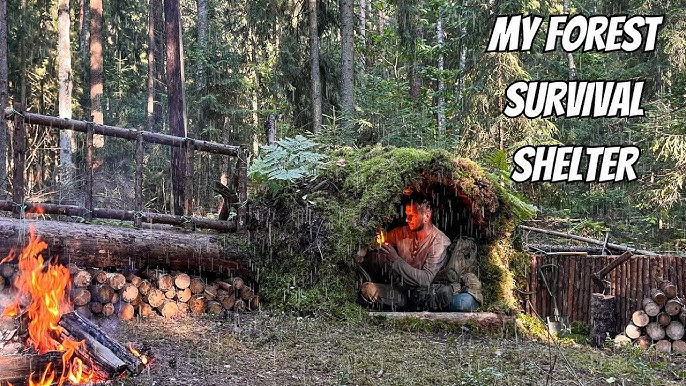
Imagine being deep in the wild, surrounded by nature’s beauty—but also its dangers. Your safety depends on one crucial thing: your survival shelter.
How exactly does it protect you from wildlife? Understanding this can be the difference between feeling secure and facing serious risks. You’ll discover how a well-built shelter acts as your shield, keeping wild animals at bay and giving you peace of mind.
Keep reading to learn how to stay safe and confident in the great outdoors.
Types Of Wildlife Threats
Wildlife can pose serious threats when you’re out in nature, especially if you’re unprepared. Understanding the different types of wildlife threats is key to knowing how a survival shelter can keep you safe. These threats vary widely—from large predators to tiny insects—each requiring specific protection strategies.
Common Predators
Large animals like bears, mountain lions, and wolves can be intimidating and dangerous. They might be attracted to your shelter by the smell of food or movement. A well-built survival shelter acts as a strong barrier, keeping these predators out and giving you a secure space to rest.
Have you ever wondered how some shelters use noise or scent barriers to deter predators before they even get close? It’s not just about physical protection; sometimes, prevention is just as important.
Insects And Arachnids
Small but mighty, insects like mosquitoes and ticks can carry diseases that threaten your health. Spiders, some venomous, can also sneak into your shelter unnoticed. Using fine mesh screens and sealing entry points helps keep these tiny threats at bay.
Don’t underestimate the discomfort and risk caused by insects. Protecting yourself from them improves your sleep quality and reduces the chance of infection, which is crucial in survival situations.
Reptiles And Amphibians
Snakes, especially venomous ones, can hide near or inside shelters looking for warmth or shelter themselves. Frogs and toads might not be dangerous, but their presence can indicate wet conditions that could affect your shelter’s stability. Elevating your shelter and clearing the surrounding area lowers the risk of unwanted reptile visits.
Have you checked your shelter’s floor or entrance for signs of snakes before settling in? This simple habit can prevent dangerous encounters.

Credit: www.youtube.com
Shelter Design For Safety
Designing a survival shelter with safety in mind can keep wildlife at bay. The right design reduces risks and provides peace. This section covers key elements that make a shelter safe from animals. Each part plays a vital role in wildlife protection.
Choosing The Right Location
Selecting a safe spot is crucial for wildlife protection. Avoid areas near animal trails or food sources. Look for elevated ground to prevent flooding and deter some animals. Clear away dense bushes around the shelter. This limits hiding spots for wildlife near your shelter.
Materials That Deter Animals
Strong, durable materials keep animals from breaking in. Use thick wood or metal for walls and doors. Avoid materials that animals can chew or claw easily. Consider using wire mesh with small holes to cover vents and windows. This stops small animals and insects from entering.
Structural Features To Prevent Entry
Design the shelter to block all easy entry points. Install doors that close tightly without gaps. Use locks or latches that animals cannot open. Elevate the shelter on stilts or a platform to keep ground animals out. Seal cracks and holes around the shelter walls. These steps reduce chances of animals sneaking inside.
Setting Up Barriers
Barriers keep wild animals away by creating a clear boundary around the shelter. This helps prevent animals from coming too close and ensures safety during survival situations. Solid barriers also block noise and scents that might attract wildlife.
Setting up barriers around your survival shelter is crucial for protection against wildlife. Effective barriers help keep animals at a safe distance. This reduces the risk of encounters that could be dangerous. Here are some strategies to create effective barriers.Fencing And Natural Barriers
Fencing is a reliable way to protect your shelter. Use sturdy materials like metal or thick wood. Ensure the fence is tall enough to deter larger animals. For added protection, consider an electric fence. Natural barriers also work well. Use dense bushes or thorny plants around your shelter. These can discourage animals from approaching.Use Of Repellents
Repellents are useful to keep animals at bay. Use natural repellents like pepper spray or vinegar solutions. They are safe for the environment and effective against many animals. Commercial repellents are also available. Choose one specific to the wildlife in your area. Apply repellents regularly for best results.Securing Food And Waste
Food attracts wildlife. Secure your food in airtight containers. Store them away from the shelter if possible. Waste management is equally important. Use sealed bins for trash. Dispose of waste away from the shelter. This minimizes scents that attract animals. Keeping your area clean deters wildlife.
Credit: www.youtube.com
Behavioral Precautions
Behavioral precautions play a crucial role in how your survival shelter protects you from wildlife. Your actions can either attract animals or keep them at a safe distance. Understanding and adjusting your behavior around your shelter can make a big difference in staying safe.
Minimizing Noise And Light
Wildlife is often scared off by unexpected sounds and bright lights. Keep your shelter as quiet as possible by avoiding loud conversations, banging objects, or unnecessary movements. Use dim, red or green lights instead of bright white ones to reduce visibility to animals.
Have you noticed how a sudden noise makes animals disappear quickly? That’s your cue to stay calm and quiet. Try to move slowly and deliberately, especially during dawn and dusk when animals are most active.
Avoiding Scents That Attract Wildlife
Animals rely heavily on their sense of smell. Strong scents from food, deodorants, or even scented soaps can lure wildlife right to your shelter. Store food in airtight containers and keep them away from your sleeping area.
Wash yourself and your clothes with unscented soap before entering your shelter. If possible, pitch your shelter downwind of your cooking or eating area to prevent smells from drifting toward you. Have you ever wondered why animals seem to appear right where you eat? It’s often the smell that draws them in.
Safe Wildlife Encounter Practices
Encountering wildlife near your shelter can be alarming, but staying safe depends on how you react. Avoid sudden movements and never approach animals. Instead, make yourself appear larger by raising your arms or opening your jacket if a large animal comes close.
Back away slowly without turning your back on the animal. Shouting loudly or using noise makers can help scare some animals away, but be mindful that this may not work for all species. How would you react if a curious animal showed up near your shelter at night?
Emergency Preparedness
Emergency preparedness is a crucial part of using a survival shelter to protect yourself from wildlife. It’s not just about having a roof over your head; it’s about being ready for unexpected encounters and knowing how to react quickly. Your safety depends on how well you prepare for these moments.
First Aid For Animal Encounters
Knowing basic first aid can save your life if you face an aggressive animal. Carry a first aid kit with essentials like antiseptic wipes, bandages, and pain relievers. If you get scratched or bitten, clean the wound immediately to prevent infection.
Remember, some animals carry diseases you won’t see right away. Watch for signs of infection like redness, swelling, or fever. If you’re far from help, use your shelter as a safe place to monitor your condition until you can get medical aid.
Signaling For Help
Sometimes, wildlife encounters lead to injuries or disorientation. Your survival shelter should include tools for signaling help. Bright-colored cloth, mirrors, whistles, or even a flashlight can attract attention from rescuers.
Think about your location and what signals are most visible there. In dense forests, sound signals like a whistle might work better than visual ones. Are you prepared with multiple ways to call for help?
Backup Shelter Options
What if your main shelter is compromised by wildlife or weather? Having a backup shelter can be a lifesaver. Portable tents, emergency blankets, or even natural shelters like caves should be part of your plan.
Test your backup options beforehand to ensure you can set them up quickly. It’s better to discover limitations now than in a stressful situation. How many backup plans do you have ready for your next outdoor adventure?

Credit: m.youtube.com
Frequently Asked Questions
How Does A Survival Shelter Deter Wildlife?
A survival shelter provides a physical barrier that keeps animals out. It reduces noise and scent, making you less noticeable. Proper construction prevents entry points, ensuring wildlife cannot access the interior. This increases safety during outdoor survival situations.
What Materials Protect Survival Shelters From Animals?
Durable materials like heavy-duty canvas, reinforced plastic, and metal frames protect shelters. These materials resist bites, scratches, and clawing. They also provide insulation and weather protection, enhancing overall shelter durability against wildlife threats.
Can Survival Shelters Prevent Predator Attacks?
Yes, survival shelters can prevent predator attacks by providing a secure enclosure. Strong locking mechanisms and elevated designs keep predators away. Staying inside reduces chances of surprise encounters, increasing safety during wilderness stays.
How Do Survival Shelters Minimize Wildlife Encounters?
Survival shelters minimize encounters by masking human scent and sound. Proper ventilation and sealed entrances stop animals from detecting occupants. Staying inside and avoiding food smells further reduces wildlife attraction.
Conclusion
Survival shelters keep you safe from wild animals at night. They create a strong barrier between you and danger. A good shelter hides your scent and noise, so animals stay away. It also gives you a secure place to rest and stay calm.
Choosing the right shelter helps protect your life in the wild. Always prepare your shelter carefully to avoid unwanted encounters. Safety starts with smart choices and good shelter. Stay alert, stay safe, and respect wildlife around you.