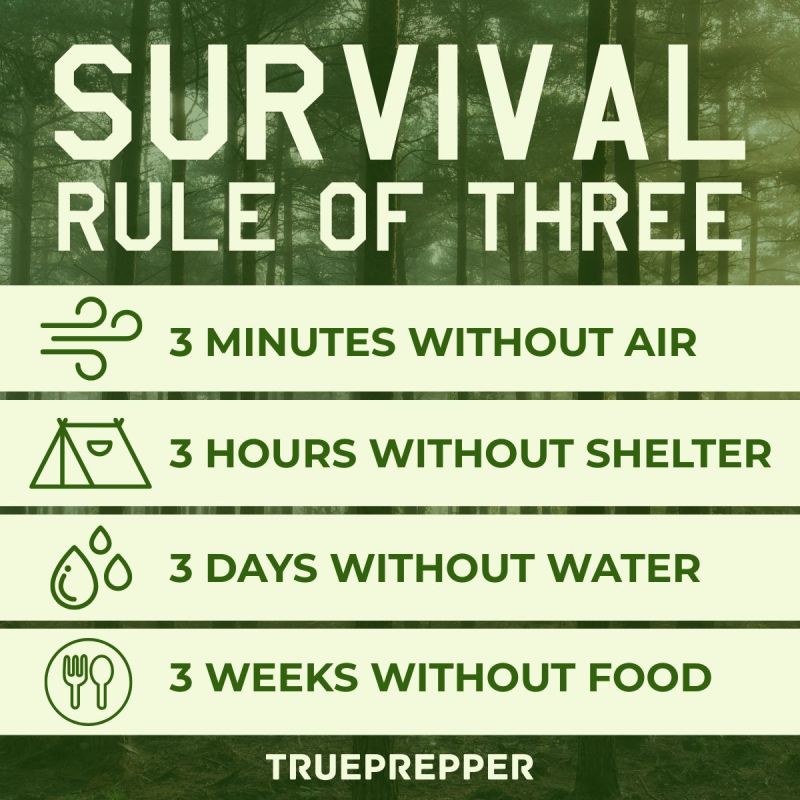
Have you ever wondered how long you could survive without any shelter? Imagine being exposed to the elements—rain, wind, scorching sun, or freezing cold—without a safe place to protect you.
Your body faces serious challenges when left unprotected, and understanding these limits could make a huge difference in an emergency. You’ll discover exactly how long a human can survive without shelter and learn crucial tips to improve your chances if you ever find yourself in that situation.
Keep reading, because knowing this could save your life.
Factors Affecting Survival Time
Surviving without shelter depends on multiple factors that work together to influence how long you can endure harsh conditions. Understanding these factors can help you make better decisions if you ever find yourself exposed to the elements. Let’s look closely at what truly affects your survival time.
Climate And Weather Conditions
The environment you face plays a huge role in how long you can survive without shelter. Extreme cold can cause hypothermia within hours, while intense heat can lead to dehydration and heatstroke just as quickly.
Rain, wind, and humidity add extra challenges by making your body lose heat faster or sapping your energy. Even mild climates can become dangerous if you’re exposed for too long without protection.
Physical Health And Fitness
Your body’s condition directly impacts your ability to cope without shelter. If you’re strong and healthy, you can better regulate your body temperature and resist illness.
Chronic conditions, injuries, or exhaustion reduce your survival time significantly. Think about how a sprained ankle or weakness from illness makes you more vulnerable to weather and less able to find resources.
Access To Water And Food
Water is critical. Without it, survival time drops to a matter of days, sometimes less. Food lasts longer as a survival factor, but without nourishment, your energy and mental clarity will fade.
Being able to find or carry water can extend your endurance dramatically. Simple actions like collecting rainwater or knowing where to locate safe sources can be lifesaving.
Mental Resilience
Your mindset affects your chances more than you might expect. Staying calm and focused helps you conserve energy and make smart choices.
Stress, panic, or despair can lead to poor decisions, wasting precious time and energy. Have you ever noticed how staying positive or having a clear goal changes how you handle tough situations?
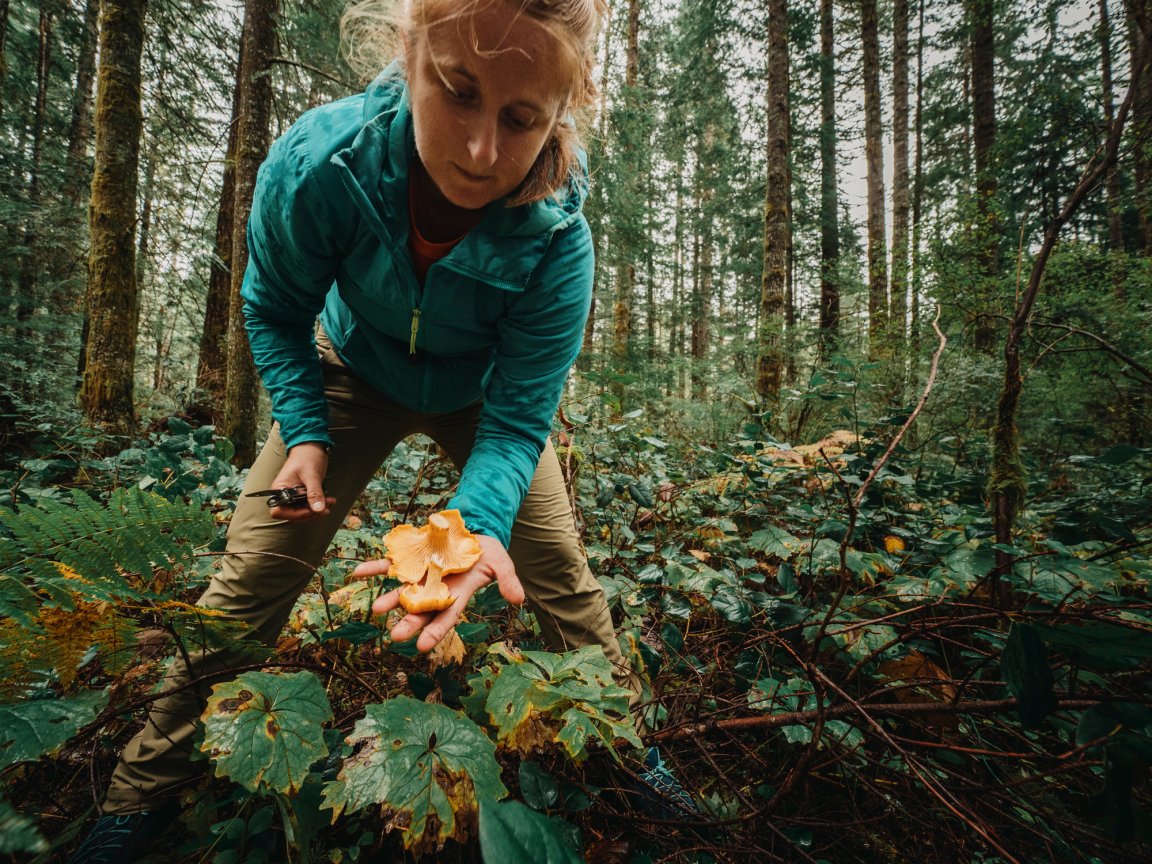
Credit: www.outdoorlife.com
Effects Of Exposure
Exposure to harsh weather conditions can quickly harm the human body without shelter. The body struggles to keep a safe temperature and stay hydrated. This can lead to serious health issues, some of which can be fatal. Understanding the effects of exposure helps us grasp how dangerous it is to stay outside unprotected for long.
Hypothermia Risks
Hypothermia happens when the body loses heat faster than it can produce. Cold air, rain, and wind speed up this heat loss. Body temperature drops below 95°F (35°C), which slows down the heart and brain. Shivering starts as the first sign. Without shelter, hypothermia can set in within minutes in freezing conditions. Severe hypothermia causes confusion, unconsciousness, and even death.
Heatstroke Dangers
Heatstroke occurs when the body overheats and cannot cool down. High temperatures and direct sunlight cause this condition. The body’s temperature rises above 104°F (40°C). Symptoms include dizziness, headache, and rapid heartbeat. Without shelter or shade, heatstroke can develop quickly. It can lead to organ damage or death if untreated.
Dehydration Impact
Dehydration happens when the body loses more water than it takes in. Exposure to sun and heat increases sweating, leading to fluid loss. Without shelter, finding clean water can be difficult. Dehydration causes weakness, dry mouth, and confusion. Severe dehydration can damage organs and cause death. Staying hydrated is critical for survival outdoors.
Sunburn And Skin Damage
Sunburn results from too much ultraviolet (UV) light on the skin. Without shelter, the skin is exposed to direct sunlight for long periods. Sunburn causes redness, pain, and blistering. Repeated exposure raises the risk of skin cancer. Sun damage also speeds up skin aging. Protecting skin with shade or clothing is vital for survival.
Survival Without Shelter In Different Environments
Survival without shelter depends on the environment. Each environment poses unique challenges. Understanding these challenges can make a difference. Let’s explore survival in different climates.
Cold And Snowy Regions
Cold regions are harsh and unforgiving. Hypothermia is a major risk. Without shelter, heat escapes quickly. Insulation is crucial. Snow can be used as an insulator. Digging a snow cave can provide protection. It helps trap body heat. Layering clothes is important for warmth. Staying dry is essential.
Deserts And Arid Zones
Deserts are hot during the day and cold at night. Shelter is vital to escape the sun. Finding shade during the day helps conserve energy. Nights can be freezing. Covering up helps maintain body heat. Water is scarce. Dehydration is a real threat. It’s crucial to find water sources.
Tropical And Rainforest Areas
Tropical areas are wet and humid. Constant rain can lead to hypothermia. A dry place to rest is important. Insects and wildlife can be dangerous. Protecting oneself from bites is crucial. Building a simple shelter can help. Elevating above the ground avoids insects and moisture.
Urban Settings
Urban areas offer unique challenges. Exposure to elements can be harmful. Finding cover is essential. Abandoned buildings or overpasses can provide shelter. Maintaining hygiene is crucial for health. Finding clean water and food is important. Staying safe from crime is a concern.

Credit: trueprepper.com
Emergency Shelter Alternatives
Finding shelter quickly is vital when you have no access to traditional housing. Emergency shelter alternatives can protect you from harsh weather and increase your chances of survival. Understanding different options will help you stay safe and comfortable in unexpected situations.
Natural Shelter Options
Look for natural formations like caves, rock overhangs, or dense tree clusters. These spots can block wind, rain, and sun, offering instant protection. I once found refuge under a thick canopy during a sudden storm, and it was surprisingly effective in keeping me dry and warm.
Leaves, branches, and fallen logs can also be arranged to create barriers against the elements. Position yourself near natural windbreaks to minimize exposure. Have you noticed how animals use their surroundings for shelter? You can do the same to improve your chances.
Improvised Shelter Techniques
Use what you have on hand to build a quick shelter. A simple lean-to made from branches and tied with vines or shoelaces can block wind and rain. I recall building one in the woods with just a tarp and sticks—it wasn’t perfect, but it kept me warm overnight.
- Gather sturdy branches to form a frame.
- Cover the frame with leaves, grass, or a tarp.
- Ensure the shelter is slightly elevated to avoid ground moisture.
Think about the location carefully. Avoid low spots where water collects and find a place with some natural cover if possible.
Using Clothing And Gear
Your clothing and gear can double as shelter materials. A jacket, blanket, or even a poncho can shield you from cold and rain. I once wrapped myself in a space blanket inside a makeshift shelter, which helped trap body heat effectively.
- Use jackets or shirts as insulation layers.
- Turn backpacks into windbreaks or padding.
- Combine gear with natural materials for extra protection.
Can your gear serve more than one purpose? Experiment with combining items to create a stronger, warmer shelter around you.
Survival Stories And Case Studies
Survival stories and case studies reveal how people endure without shelter. These accounts show the strength and will to live. They offer real examples of human resilience in tough conditions.
Stories from different times and places help us understand survival limits. They teach us what to do and what to avoid. Learning from these cases can prepare us for emergencies.
Historical Accounts
History holds many stories of survival without proper shelter. Explorers, soldiers, and lost travelers faced harsh environments. Some survived freezing cold or scorching heat with little protection.
- In 1914, a group of explorers survived months trapped in Antarctic ice.
- Native tribes in deserts lived without modern shelters for centuries.
- Soldiers in wars endured extreme weather with only basic gear.
These accounts show how knowledge and strong will kept people alive. They often used natural resources to build simple shelters or find shelter places.
Modern-day Examples
Today, many survive without shelter due to accidents or disasters. Hikers lost in forests or storms face exposure risks. Some live homeless in cities with no fixed shelter.
- A hiker survived ten days in a mountain storm using only clothes.
- Natural disaster survivors stayed safe under makeshift covers or cars.
- Homeless individuals develop survival skills to protect from weather.
Modern stories highlight how quick thinking and resourcefulness help survival. They show the importance of staying calm and using available materials wisely.
Lessons Learned
Survival stories teach key lessons for enduring without shelter.
- Stay calm to conserve energy and think clearly.
- Find or create barriers against wind, rain, or sun.
- Use natural materials like leaves, branches, or snow for protection.
- Keep dry and insulated to avoid hypothermia or heatstroke.
- Signal for help using fire, mirrors, or bright objects.
These lessons improve chances of survival in harsh conditions. They stress the value of preparation and knowledge for emergencies.
Tips To Increase Survival Chances
Surviving without shelter challenges your ability to protect yourself from nature’s elements and conserve energy. How you respond in those critical moments can mean the difference between life and death. Here are practical tips to increase your chances of survival by focusing on shelter, resources, body temperature, and signaling.
Prioritizing Shelter Building
Your first priority should be creating a shelter that shields you from wind, rain, and sun. Look for natural formations like caves or dense tree clusters that can provide quick protection. If none are available, use branches, leaves, and any materials at hand to build a lean-to or debris hut.
Think about shelter placement carefully. Avoid low areas prone to flooding and spots under dead trees or loose rocks. The shelter should be small enough to retain body heat but roomy enough to keep you comfortable.
Water And Food Management
Water is critical; you can only survive a few days without it. Collect rainwater, dew, or find streams, but always purify water by boiling or using filtration if possible. Avoid eating unfamiliar plants or animals unless you’re certain they’re safe.
Ration any food you have and focus on high-energy items. In the wild, insects, nuts, and berries might be your best options, but always verify which are edible. Your body needs fuel, but conserving energy is just as important.
Maintaining Body Temperature
Your body temperature controls survival time more than most realize. Hypothermia can set in quickly, even in mild conditions, if you’re wet or exposed to wind. Use layers of clothing or natural materials like leaves and moss to insulate yourself.
At night, huddle in your shelter and keep movement to a minimum to preserve heat. If you have a fire, use it wisely—not just for warmth but also to dry clothes and signal for help. Have you ever underestimated how cold a seemingly warm day can get after sunset?
Signaling For Help
Visibility is key when trying to attract rescuers. Create large, clear signals on open ground using rocks, branches, or even your clothing. Bright or reflective materials catch attention from a distance.
- Use mirrors or shiny objects to flash sunlight.
- Build smoky fires during the day and bright fires at night.
- Arrange signals in universal patterns like SOS (three short, three long, three short).
Keep signaling tools close and ready. You might only get one chance to be noticed—make it count.

Credit: blanchethouse.org
Frequently Asked Questions
How Long Can Humans Survive Without Shelter?
Humans can survive from a few hours to several days without shelter. Survival time depends on weather, temperature, and physical condition. Extreme cold or heat drastically reduces survival time. Shelter protects from elements, making it crucial for longer survival.
What Factors Affect Survival Without Shelter?
Survival depends on climate, temperature, hydration, health, and clothing. Harsh weather like cold or heat increases risk. Access to water and food also impacts survival time. Physical fitness and knowledge of survival skills improve chances.
Can Humans Survive Without Shelter In Extreme Weather?
Survival without shelter in extreme weather is very limited. Cold causes hypothermia, heat causes heatstroke. Without protection, survival may last only hours. Immediate shelter or warmth is vital to prevent fatal conditions.
Why Is Shelter Important For Human Survival?
Shelter protects from weather, insects, and predators. It helps regulate body temperature and conserves energy. Without shelter, exposure leads to illness or death. Shelter increases comfort and safety, essential for survival in the wild.
Conclusion
Surviving without shelter depends on weather and health. Cold and rain make survival much harder. Shelter protects from harsh sun and strong winds too. People can last days, sometimes weeks, without shelter. Finding or building shelter should be a priority.
It keeps you safer and more comfortable. Always prepare for emergencies and know basic survival tips. Shelter is key to staying alive longer outdoors. Remember, nature is tough, but shelter helps you fight it. Stay safe and respect your environment.