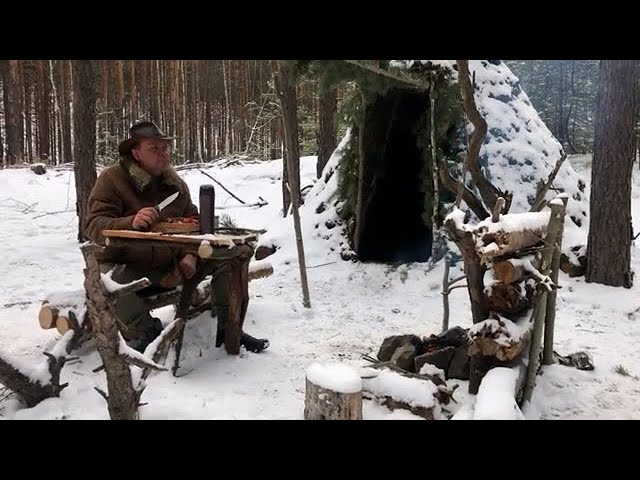
When winter bites and you find yourself in a survival shelter, staying warm isn’t just about comfort—it’s about staying alive. You might think heating a shelter is complicated, but with the right tips and tools, you can make your space cozy and safe.
You’ll learn simple, effective ways to heat up your shelter, even when the cold seems relentless. Keep reading, because the knowledge you gain here could make all the difference in a tough situation.
Choosing The Right Shelter
Choosing the right shelter is key to staying warm in winter survival situations. The shelter acts as a barrier against cold air and holds in your body heat. Picking the right materials and spot can make a big difference. Proper wind protection also keeps the shelter stable and warm. Careful selection helps reduce heat loss and keeps you comfortable.
Insulated Materials
Use materials that trap heat well. Thick fabrics like wool or fleece work great. Natural materials such as leaves, pine needles, or moss add extra insulation. Avoid thin or wet materials that lose heat quickly. Layering insulation inside the shelter helps keep warm air inside and cold air out.
Shelter Location
Pick a spot that is dry and flat. Avoid low areas where cold air settles. Look for natural barriers like rocks or trees that block wind. Stay away from open fields or ridges that expose you to harsh weather. A sunny location can provide extra warmth during the day.
Wind Protection
Shield your shelter from strong winds. Use natural windbreaks like bushes or fallen logs. Build a wall from snow, rocks, or wood on the windward side. Position the shelter entrance away from the wind. A well-protected shelter reduces heat loss and feels warmer inside.

Credit: www.youtube.com
Insulating Your Shelter
Keeping a survival shelter warm during winter depends heavily on good insulation. Insulation traps heat inside and blocks cold air from entering. Proper insulation helps maintain a stable temperature and reduces the need for extra heat sources. Focus on natural materials, protecting the floor, and sealing every gap to make your shelter cozy and safe.
Using Natural Materials
Natural materials are excellent insulators and easy to find outdoors. Leaves, pine needles, and grass create thick layers that block wind and cold. Stack these materials on walls and roofs to add warmth. Bark strips and moss also work well to fill gaps and add padding. These materials are lightweight and biodegradable, making them eco-friendly choices.
Floor Insulation Techniques
Cold from the ground can chill your entire shelter. Raise the floor using logs or branches to create an air gap underneath. Cover this base with thick layers of leaves, pine needles, or grass for extra cushioning. Use a tarp or plastic sheet on top to keep moisture away from your bedding. Insulated floors prevent heat loss and keep you dry and warm.
Sealing Gaps And Cracks
Even small openings let cold air enter and warm air escape. Use mud, clay, or snow to fill cracks in walls and around doors. Stuff moss, leaves, or cloth into holes for extra sealing. Check corners and roof joints carefully. Sealing gaps improves shelter efficiency and keeps cold drafts out, maintaining a stable interior temperature.
Safe Heating Methods
Safe heating in a survival shelter uses small, controlled fires or portable heaters to avoid smoke and fire risks. Proper ventilation keeps air fresh and prevents carbon monoxide buildup. Always prepare a fireproof area and keep water nearby for safety.
When winter sets in, keeping your survival shelter warm becomes vital. Safe heating methods ensure you stay comfortable and secure. Let’s explore effective ways to heat your shelter without risks.Portable Heaters
Portable heaters offer a quick heating solution. They are easy to carry and set up. Many models run on propane or butane. Always ensure proper ventilation. Carbon monoxide can be deadly. Choose a heater with safety features. Auto-shutoff can prevent accidents. Never leave a heater unattended. Follow all manufacturer instructions closely.Wood Stoves
Wood stoves are reliable in remote areas. They provide consistent warmth. Ensure your shelter has a chimney or flue. This prevents smoke buildup inside. Properly install the stove to avoid fire hazards. Use dry wood for efficient burning. Wet wood creates more smoke. Regularly clean the stove and chimney. This prevents creosote buildup, reducing fire risk.Campfires
Campfires offer both heat and light. Build them outside the shelter for safety. Use a fire pit or surround with rocks. This contains the fire and reduces spread. Keep a safe distance from flammable materials. Always have water or sand nearby. Extinguish the fire completely after use. Never leave a campfire unattended.Ventilation And Safety
Heating a survival shelter in winter needs careful attention to ventilation and safety. Proper airflow keeps fresh air inside and harmful gases out. Safety measures prevent accidents and keep everyone secure.
Preventing Carbon Monoxide
Carbon monoxide is a deadly, invisible gas from burning fuels. It builds up quickly in tight spaces without ventilation. Always allow fresh air to enter the shelter. Avoid using fuel heaters in sealed rooms. Install a carbon monoxide detector if possible. Never sleep near an open flame or stove.
Proper Vent Placement
Vents help air move freely and remove smoke or gas. Place vents near the floor and ceiling for good airflow. Lower vents bring in fresh, cold air. Upper vents release warm, stale air outside. Keep vents clear of snow and debris. Use adjustable covers to control airflow as needed.
Fire Safety Tips
- Keep heaters and fires away from walls and flammable items.
- Use a sturdy, non-flammable base for heating devices.
- Never leave fires unattended inside the shelter.
- Have a fire extinguisher or water nearby.
- Clear a safe zone around the fire or stove.
- Extinguish all flames before sleeping or leaving the shelter.
Alternative Heat Sources
Finding alternative heat sources in a survival shelter during winter can make a huge difference in your comfort and safety. Sometimes, traditional methods like fires aren’t an option, so knowing how to use your own body and simple tools can keep you warm. Let’s look at some practical ways you can generate heat without complicated gear.
Body Heat
Your body is a powerful source of warmth. Sharing space with others or cuddling your pets can raise the temperature around you noticeably. Even if you’re alone, keeping your limbs close to your core conserves heat effectively.
Wearing layers helps trap this heat. Tight-fitting clothes close to your skin work best, while outer layers block wind and moisture. Have you tried using your sleeping bag as a cocoon, wrapping yourself tightly to maximize the heat your body produces?
Chemical Heat Packs
Chemical heat packs are lightweight and easy to carry in your survival kit. Once activated, they provide steady warmth for several hours. They’re great for warming hands, feet, or even placing inside gloves and boots to prevent frostbite.
Keep a few packs stored in your shelter for emergencies. Remember, some heat packs can be reactivated by shaking or kneading. Have you tested which brands last longest or produce the most heat during cold nights?
Hot Water Bottles
A hot water bottle is a simple but effective way to add warmth to your shelter. Fill a sturdy bottle with hot water from your stove or fire, then place it near you inside your sleeping bag. The heat radiates slowly, keeping you cozy for hours.
Make sure the bottle is sealed tightly to avoid leaks. Wrapping it in a cloth can protect you from burns and helps distribute heat evenly. If water isn’t readily available, could you use heated stones wrapped in fabric as a similar heat source?

Credit: www.youtube.com
Maintaining Warmth Overnight
Keeping warm overnight in a survival shelter is critical for your safety and comfort. The cold can sap your energy and lower your body temperature, increasing the risk of hypothermia. You need to focus on practical ways to trap and maintain heat throughout the night.
Sleeping Bags And Blankets
Choosing the right sleeping bag can make a huge difference. Look for bags rated for temperatures lower than you expect to face. Layering blankets inside your sleeping bag adds extra insulation and traps body heat more effectively.
I’ve found that wrapping myself in a thermal blanket before slipping into my sleeping bag helps seal in warmth. Don’t forget to protect your head and feet—heat escapes quickly from these areas. Wearing a hat and insulated socks can keep you surprisingly warm.
Heat Retention Strategies
You can keep your shelter warmer by minimizing empty space around you. Fill gaps with clothing, leaves, or other natural materials to reduce cold air circulation. Placing a reflective barrier beneath your sleeping area can bounce heat back toward your body.
Try to position your sleeping spot away from drafty openings or cold ground. Elevating yourself on a bed of pine boughs or foam pads creates a buffer against cold surfaces. These small adjustments help you hold onto precious heat.
Avoiding Heat Loss
Heat loss occurs mainly through conduction, convection, and radiation. Prevent it by sealing your shelter’s openings as much as possible. Use tarps, snow blocks, or tightly packed natural materials to cover gaps and cracks.
Breathing out warm air can also cool your shelter. Ventilate just enough to prevent moisture buildup, but avoid wide openings. Have you noticed how your breath fogs up a cold window? That’s heat escaping—limit it.

Credit: www.youtube.com
Frequently Asked Questions
How Can I Safely Heat A Survival Shelter In Winter?
Use a small, well-ventilated wood stove or portable propane heater. Ensure proper ventilation to avoid carbon monoxide buildup. Always keep a fire extinguisher nearby and never leave the heat source unattended to maintain safety.
What Materials Help Retain Heat Inside A Survival Shelter?
Use insulating materials like foam panels, blankets, and sleeping bags. Cover floors with rugs or foam mats. These materials trap body heat and block cold air, improving warmth efficiently in your shelter.
Is It Better To Use Body Heat Or A Fire For Warmth?
Both are important. Body heat helps keep you warm, but fire provides consistent, higher warmth. Combine body heat with safe fire use and insulation for optimal winter shelter heating.
How Do I Prevent Carbon Monoxide Poisoning When Heating Indoors?
Ensure proper ventilation by opening vents or windows slightly. Use carbon monoxide detectors if possible. Never use indoor heating devices meant for outdoor use without ventilation.
Conclusion
Keeping your survival shelter warm in winter is vital for safety. Use proper insulation and block cold air from entering. Choose safe heat sources like a small stove or body heat. Always ensure good ventilation to avoid smoke or carbon monoxide.
Prepare in advance and test your heating method before the cold hits. Staying warm helps maintain energy and morale in tough conditions. Small steps can make a big difference in harsh weather. Remember, warmth means comfort and better chances of survival.
Stay safe and ready for winter challenges ahead.