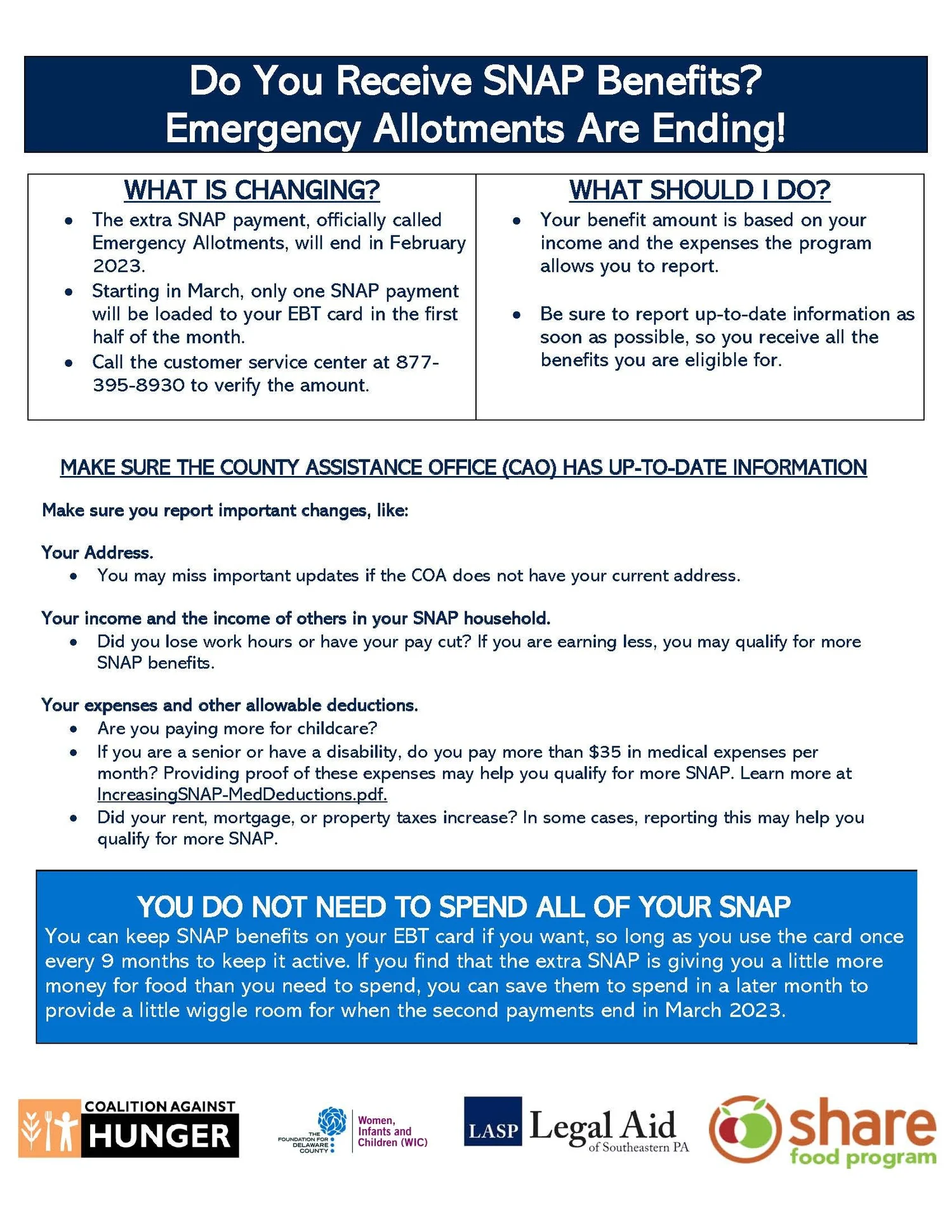
Are you struggling to put food on the table right now? You might be wondering, “Is the state giving out emergency food stamps?” If you need help fast, this could be the lifeline you’re looking for.
Understanding how emergency food stamps work and how to apply can make a big difference for you and your family. Keep reading to find out if you qualify and what steps to take next—because you deserve support when times get tough.
Emergency Food Stamps Basics
Understanding Emergency Food Stamps Basics is essential for many families. These benefits provide quick help to those facing food insecurity. Knowing how the system works can ease the application process. It also helps applicants recognize their eligibility and what to expect.
What Are Emergency Food Stamps
Emergency Food Stamps are temporary benefits given during crisis times. They help low-income families buy groceries fast. The program works through the Supplemental Nutrition Assistance Program (SNAP). These stamps provide funds loaded on a card for food purchases. The goal is to prevent hunger during unexpected hardships.
Eligibility Criteria
To qualify for Emergency Food Stamps, specific rules apply. Applicants must meet income limits set by the state. They usually need proof of a recent emergency or disaster. Families with children or elderly members often get priority. Each state may have slightly different requirements. Submitting proper documents speeds up the approval process.
How Emergency Benefits Differ
Emergency benefits differ from regular SNAP in several ways. They are issued faster to meet urgent needs. The amount may be higher or adjusted based on the crisis. These benefits last for a short time only. Regular SNAP benefits follow a monthly cycle and require routine renewal. Emergency benefits focus solely on immediate relief.

Credit: www.economist.com
Current State Programs
The availability of emergency food stamps is a lifeline for many families facing unexpected hardships. Each state in the U.S. has its own set of programs to assist residents in need. Understanding these programs can help you or someone you know access crucial support during tough times.
States Offering Emergency Food Stamps
Not all states offer emergency food stamps, but several do. States like Texas, California, and Florida have been proactive in providing this assistance. Each state has specific eligibility criteria, so checking local guidelines is essential.
Application Processes
The application process for emergency food stamps can vary significantly from state to state. In most cases, you can apply online or visit a local office. It’s important to gather necessary documents such as proof of income and residency before starting the application.
Benefit Amounts And Duration
Benefit amounts and duration can differ based on the state and individual circumstances. Some states offer benefits that last for a few months, while others provide longer-term support. The amount you receive typically depends on your household size and income level.
Are you aware of the specific resources available in your state? Taking the time to explore these options can make a significant difference in managing your household’s food security.
How To Apply Quickly
Applying for emergency food stamps quickly can ease financial stress fast. Gathering the right paperwork and choosing the best application method speeds up the process. Staying organized and prepared helps avoid delays. Follow these tips to apply smoothly and get assistance sooner.
Required Documents
- Proof of identity (ID card, driver’s license)
- Proof of income (pay stubs, benefits letter)
- Proof of residence (utility bill, lease agreement)
- Social Security number or card
- Household information (list of members, ages)
- Bank statements or financial records
Online Vs In-person Applications
Online applications save time and offer 24/7 access. Submit documents digitally and track your application status easily. In-person applications provide direct help from staff who can answer questions. Choose the option that fits your comfort and access to technology. Some states may require a phone interview after either method.
Tips For Faster Approval
- Complete every form field accurately and clearly
- Double-check documents for errors or missing pages
- Respond quickly to any follow-up requests
- Keep copies of all submitted materials
- Use online portals for faster document upload
- Call the local office to confirm receipt of your application

Credit: www.economist.com
Impact Of Emergency Food Stamps
Emergency food stamps provide quick help to families facing food insecurity. These benefits reduce hunger and improve health in tough times. The impact spreads beyond individual households. It touches communities and highlights the system’s strengths and weaknesses.
Support For Families
Emergency food stamps offer vital support to families. They help buy groceries when money runs low. Children get enough food for better growth and focus at school. Parents feel less stress over daily meals. This aid can prevent hunger and improve overall well-being.
Community Benefits
Communities benefit from emergency food stamps too. Local grocery stores see more customers and steady sales. Food banks and social services experience less pressure. Stronger community health can result from fewer hungry people. Emergency aid can help stabilize neighborhoods in hard times.
Limitations And Challenges
Emergency food stamps face some limits and challenges. Not everyone in need qualifies quickly. Some people find the application process confusing. Benefits might not cover all food needs or last long. Funding shortages can reduce the program’s reach. These issues affect how well the aid works.
Alternatives And Additional Aid
Emergency food stamps may not always cover all needs. Many states face delays or limits in issuing them. People can explore other ways to get food help. Several options exist beyond state emergency food stamps. These options can provide quick and reliable support for food needs.
Local Food Banks
Food banks offer free groceries to those in need. They often provide fresh produce, canned goods, and staples. Many food banks work with local charities and volunteers. Hours and locations vary, so check nearby options. Some food banks allow multiple visits per month. No cost or proof of income is usually needed.
Other Government Assistance
Government programs support food security beyond emergency stamps. Programs like WIC help women and children with nutrition. School meal programs offer free or low-cost meals to children. SNAP benefits provide monthly aid for groceries. Some states have special grants or local aid programs. These programs require applications but offer steady support.
Nonprofit Resources
Nonprofits provide food help and other essential services. They sometimes offer meal delivery or pantry access. Faith-based groups often organize food drives and community meals. Some nonprofits combine food aid with job training or counseling. Local community centers can connect people with these groups. These resources help fill gaps in government assistance.
Credit: www.theatlantic.com
Frequently Asked Questions
What Are Emergency Food Stamps And Who Qualifies?
Emergency food stamps are temporary benefits for people facing financial crises. Eligibility depends on income, household size, and urgent need. States may have specific criteria and application processes. They help cover food costs during unexpected hardships or disasters.
How Can I Apply For Emergency Food Stamps Quickly?
You can apply online, by phone, or in person at your local agency. Gather documents like ID, proof of income, and residence. Some states offer expedited processing for urgent cases, ensuring faster access to benefits.
How Long Do Emergency Food Stamps Last?
Emergency food stamps usually last 30 to 90 days, depending on state rules. Extensions may be available if financial hardship continues. The goal is to provide short-term food assistance during crisis periods.
Are Emergency Food Stamps Different From Regular Snap Benefits?
Yes, emergency food stamps are short-term and for urgent needs. Regular SNAP benefits provide ongoing monthly assistance based on income eligibility. Emergency benefits help bridge gaps during immediate financial emergencies.
Conclusion
States often provide emergency food stamps to help during tough times. These benefits offer quick support for families facing hunger. Each state has its own rules and application process. Checking your local agency can give you the latest information. Emergency food stamps can make a real difference when money is tight.
Don’t wait to seek help if you need it. Staying informed helps you get the support you deserve. Food assistance programs are here to help people stay healthy and strong.