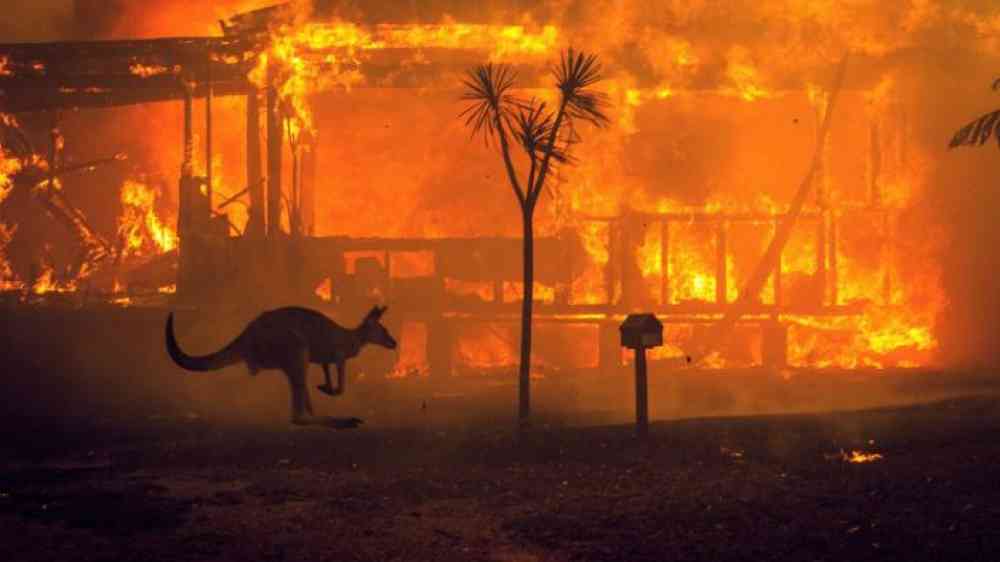
Imagine a wildfire roaring closer, flames licking the sky, and smoke filling the air. You might wonder: can you really survive such a fierce blaze by hiding in a bomb shelter?
You’re not alone in asking this. Wildfires are unpredictable and terrifying, and knowing if a bomb shelter can keep you safe could make all the difference. You’ll discover what it takes to stay protected, what challenges you might face, and how to prepare wisely.
Keep reading—you’ll want to know the truth before it’s too late.
Wildfire Risks And Bomb Shelters
Understanding the risks wildfires pose to bomb shelters is crucial if you’re considering one as a refuge. Wildfires don’t just burn trees; they create intense heat, thick smoke, and flying embers that can threaten any structure. Knowing how these fires spread and how your shelter is designed and located can make all the difference in your safety.
How Wildfires Spread
Wildfires move quickly through dry vegetation, driven by wind and weather conditions. They spread not only by flames but also by embers carried miles ahead, igniting new fires. This means even if your shelter isn’t in the direct path, it can still be at risk from airborne sparks.
Have you thought about how close your shelter is to brush or trees that could catch fire? Clearing a defensible space around your shelter can reduce this threat significantly.
Bomb Shelter Design Basics
Most bomb shelters are built to withstand blasts and radiation, but not all are fireproof. Concrete and steel shelters offer good resistance to heat, but ventilation systems can let in smoke or embers if not properly filtered. It’s essential to check if your shelter has fire-resistant seals and filtered air intake.
- Thick, reinforced walls protect against heat.
- Fire-rated doors prevent flames from entering.
- Smoke filtration helps maintain breathable air.
Have you considered upgrading your shelter’s ventilation to handle smoke from wildfires?
Shelter Location And Fire Exposure
Where your shelter sits in the landscape impacts its vulnerability. Shelters placed on hillsides or surrounded by dense vegetation face higher fire exposure. On the other hand, shelters underground or in cleared areas tend to be safer.
Think about your shelter’s surroundings: Are there trees close by? Is the ground dry and covered with leaves or brush? Taking time to maintain a firebreak zone can be a lifesaver.
Your shelter’s proximity to emergency exits and water sources also matters during a wildfire event. Could you easily evacuate if needed, or do you have enough resources to stay put?

Credit: www.youtube.com
Preparing Your Bomb Shelter
Preparing your bomb shelter to survive a wildfire involves more than just having a sturdy structure underground. You need to create a safe, breathable, and livable environment that can protect you from intense heat, smoke, and toxic gases. Proper preparation means focusing on sealing, insulation, ventilation, and stocking up on the essentials that will keep you alive and comfortable.
Sealing And Insulation
Sealing your shelter tight is critical to keeping smoke and toxic fumes out. Use weatherstripping and high-temperature caulk around doors and any vents. Every small gap can let in dangerous air, so be thorough.
Insulation helps protect against the extreme heat of a wildfire. Fire-resistant materials like mineral wool or ceramic fiber insulation work best. They slow heat transfer, giving you valuable extra time inside your shelter without risking burns or structural damage.
Ventilation And Air Filtration
Air quality is a huge concern during a wildfire. You must have a ventilation system that brings in fresh air but filters out smoke, ash, and harmful gases. Mechanical air filters with HEPA and activated carbon layers are your best bet.
Consider installing a manual backup for ventilation in case power fails. A hand-crank or battery-powered air pump can save lives by maintaining airflow when electricity is out.
Emergency Supplies Checklist
- Water:At least one gallon per person per day for drinking and hygiene.
- Non-perishable food:Canned goods, energy bars, and dried fruits that don’t require cooking.
- First aid kit:Include burn treatment supplies and respiratory masks.
- Communication tools:Battery-powered or hand-crank radios and extra batteries.
- Fire-resistant clothing and blankets:To protect yourself from radiant heat.
- Tools:Flashlights, multi-tools, and fire extinguishers.
Think about how long you might need to stay inside. Do you have enough supplies to last several days? Preparing for that scenario can make the difference between mere survival and true safety.
Survival Strategies During A Wildfire
A bomb shelter can offer strong protection from wildfire heat and smoke. Proper ventilation and sealing are key to staying safe inside. Stocking water, food, and communication devices improves chances of survival during a wildfire emergency.
Survival Strategies During a Wildfire Surviving a wildfire in a bomb shelter requires more than just taking cover; it involves strategic thinking and planning. Preparing for the worst can make the difference between life and death. Let’s delve into some essential survival strategies to ensure your safety during such a crisis.Monitoring Fire Progress
Keeping track of the wildfire’s progress is crucial. Equip your shelter with a battery-powered radio or a hand-crank emergency radio. This ensures you receive real-time updates, even if power and internet connections are down. Make it a habit to listen regularly. Information about evacuation orders or changes in wind patterns can be lifesaving. Always have a backup plan in case the situation outside worsens.Managing Shelter Air Quality
Air quality can quickly deteriorate in a confined space, especially if smoke infiltrates the shelter. Invest in a high-quality air purifier with HEPA filters to keep the air clean. Regularly check and replace these filters to maintain efficiency. Consider sealing any potential entry points for smoke. Simple tools like duct tape and plastic sheeting can be effective. Remember, fresh air is essential for both your health and morale.Staying Calm And Focused
Panic can be your worst enemy in a crisis. Practice deep breathing exercises to keep your nerves steady. Engaging in simple activities like reading or playing games can also help maintain a sense of normalcy. Maintaining a routine, even in a shelter, can provide comfort and stability. Regularly check your supplies and make a list of tasks to stay occupied. Always remind yourself of your preparedness and the steps you’ve taken to ensure your safety.Post-wildfire Safety Measures
Surviving a wildfire inside a bomb shelter is only part of the battle. Once the flames die down, new challenges emerge that require careful action. Your safety depends on what you do immediately after the fire, so understanding post-wildfire safety measures is crucial to protect yourself and your shelter.
Assessing Shelter Damage
Before leaving your bomb shelter, thoroughly check for any signs of damage. Look for cracks, warping, or structural weaknesses caused by the intense heat. Even small damages can compromise the shelter’s integrity during aftershocks or further environmental stress.
Use a flashlight to inspect corners and ceiling areas where damage may be less visible. Take notes or photos to document issues for repair. If you spot dangerous damage, stay inside and seek professional help before exiting.
When To Exit The Shelter
Deciding when to leave your shelter can be tricky. Wait until local authorities confirm that it is safe to go outside. Wildfires often cause hazardous air quality and unstable ground conditions that can last for days.
Once the all-clear is given, open the shelter door cautiously. Be prepared for unexpected dangers like hot spots or fallen debris. Plan your exit route in advance to avoid unstable areas and always carry a mask to protect your lungs.
Dealing With Smoke And Ash
Smoke and ash pose serious health risks after a wildfire. These particles can irritate your eyes, throat, and lungs long after the fire is out. Always wear a high-quality mask or respirator when you step outside.
Clean ash off your clothing and gear before entering the shelter again to avoid contamination. Use damp cloths to wipe surfaces inside the shelter to reduce ash buildup. Have a first-aid kit ready to treat minor respiratory issues or skin irritation.
Additional Tips For Long-term Survival
Surviving a wildfire inside a bomb shelter requires more than just protection from flames. Long-term survival depends on careful planning and preparation. This section covers key tips to keep you safe and well while staying underground for extended periods.
Water And Food Storage
Water is the most important resource for survival. Store at least one gallon per person each day. Use clean, sealed containers to avoid contamination. Rotate your water supply every six months to keep it fresh.
Food should be non-perishable and nutrient-rich. Stock canned goods, dried fruits, nuts, and freeze-dried meals. Store enough food for several weeks. Use airtight containers to keep pests away. Remember, variety helps maintain strength and morale.
Communication Options
Staying in touch with the outside world can save lives. Keep a battery-powered or hand-crank radio to receive emergency broadcasts. Walkie-talkies work well for short-range contact if others are nearby. Consider a satellite phone for longer-range communication. Ensure all devices have extra batteries or charging options.
Mental Health Considerations
Being confined in a shelter can cause stress and anxiety. Create a daily routine to bring structure to your day. Include activities like reading, writing, or light exercises. Stay positive by focusing on small goals. Talk to others in the shelter to share feelings and support each other. Mental health is as vital as physical safety.
Credit: www.preventionweb.net

Credit: www.youtube.com
Frequently Asked Questions
Can You Survive A Wildfire In A Bomb Shelter?
Yes, you can survive a wildfire in a bomb shelter if it is properly sealed and ventilated. The shelter protects you from heat and smoke. Ensure it has an independent air supply and fire-resistant materials to enhance safety during a wildfire.
Is A Bomb Shelter Fireproof Against Wildfires?
Most bomb shelters are fire-resistant but not entirely fireproof. They can withstand high temperatures for a limited time. Additional fireproofing and sealing are essential to prevent smoke and toxic gases from entering during a wildfire.
How Long Can You Stay In A Bomb Shelter During A Wildfire?
You can stay in a bomb shelter for several hours to days, depending on supplies. Stock enough water, food, and air filters to last until it’s safe outside. Monitor external conditions before exiting to avoid wildfire hazards.
What Makes A Bomb Shelter Safe In Wildfires?
A bomb shelter’s safety in wildfires depends on its airtight seal, ventilation system, and fire-resistant construction. Proper insulation prevents heat penetration. An independent air filtration system is crucial to keep smoke and toxic gases out.
Conclusion
Surviving a wildfire in a bomb shelter depends on careful planning. The shelter must be strong, sealed, and well-ventilated. You need supplies like water, food, and air filters. Staying calm and informed is very important. A shelter can protect you from heat and smoke.
Still, always follow local safety advice during wildfires. Being prepared can save your life in emergencies. Safety matters most.