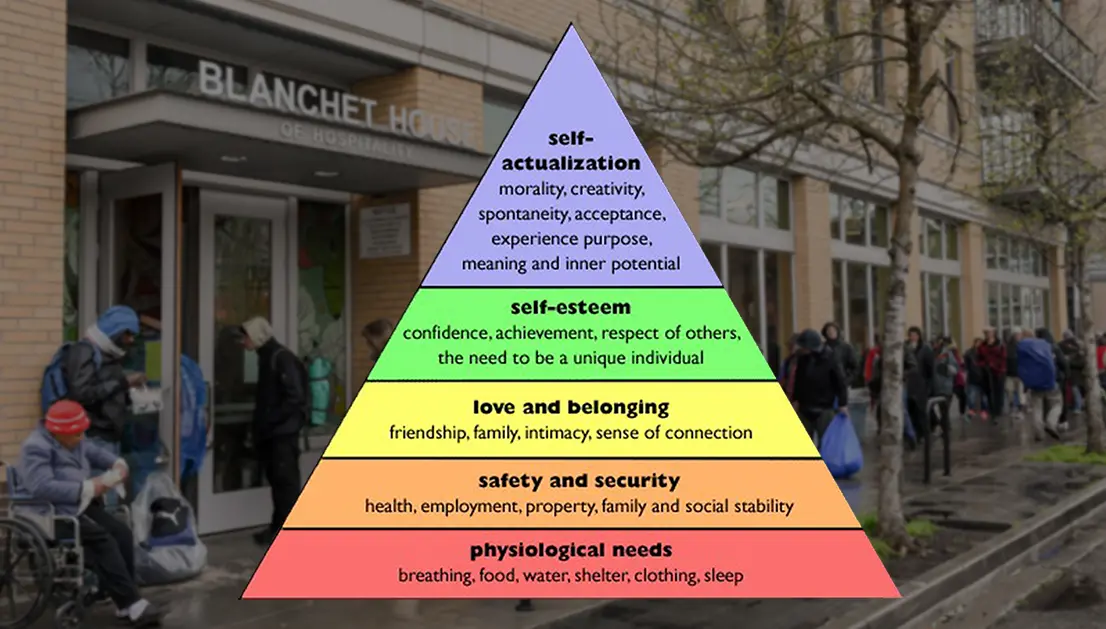
Have you ever wondered what life would be like without a roof over your head? Shelter is something most of us take for granted every day.
But what if you had to survive without it? Could your body and mind handle the challenges? You’ll discover the surprising truths about why shelter is more than just a place to stay. Understanding this could change the way you see your own safety and comfort.
Keep reading, because what you learn here might just help you in ways you never expected.
Human Need For Shelter
Shelter is one of the most basic needs for human survival. It protects us from harsh weather and dangers. Without shelter, staying healthy and safe becomes very hard. Our bodies and minds depend on having a safe place to live. Shelter is more than just a roof. It plays a vital role in our daily lives.
Biological Importance
Shelter helps maintain the body’s temperature. It keeps us warm in cold weather and cool in hot weather. Exposure to extreme conditions can cause illness or death. Shelter also protects us from rain, wind, and sun. It reduces the risk of infections and injuries. Safe shelter helps the body heal and stay strong.
Psychological Impact
A secure shelter gives peace of mind. It creates a sense of safety and comfort. People with shelter feel more relaxed and less stressed. A home allows privacy and personal space. Lack of shelter can cause anxiety and fear. It affects mental health and overall well-being. Shelter supports emotional stability and social connections.
Credit: www.bbc.co.uk
Survival Challenges Without Shelter
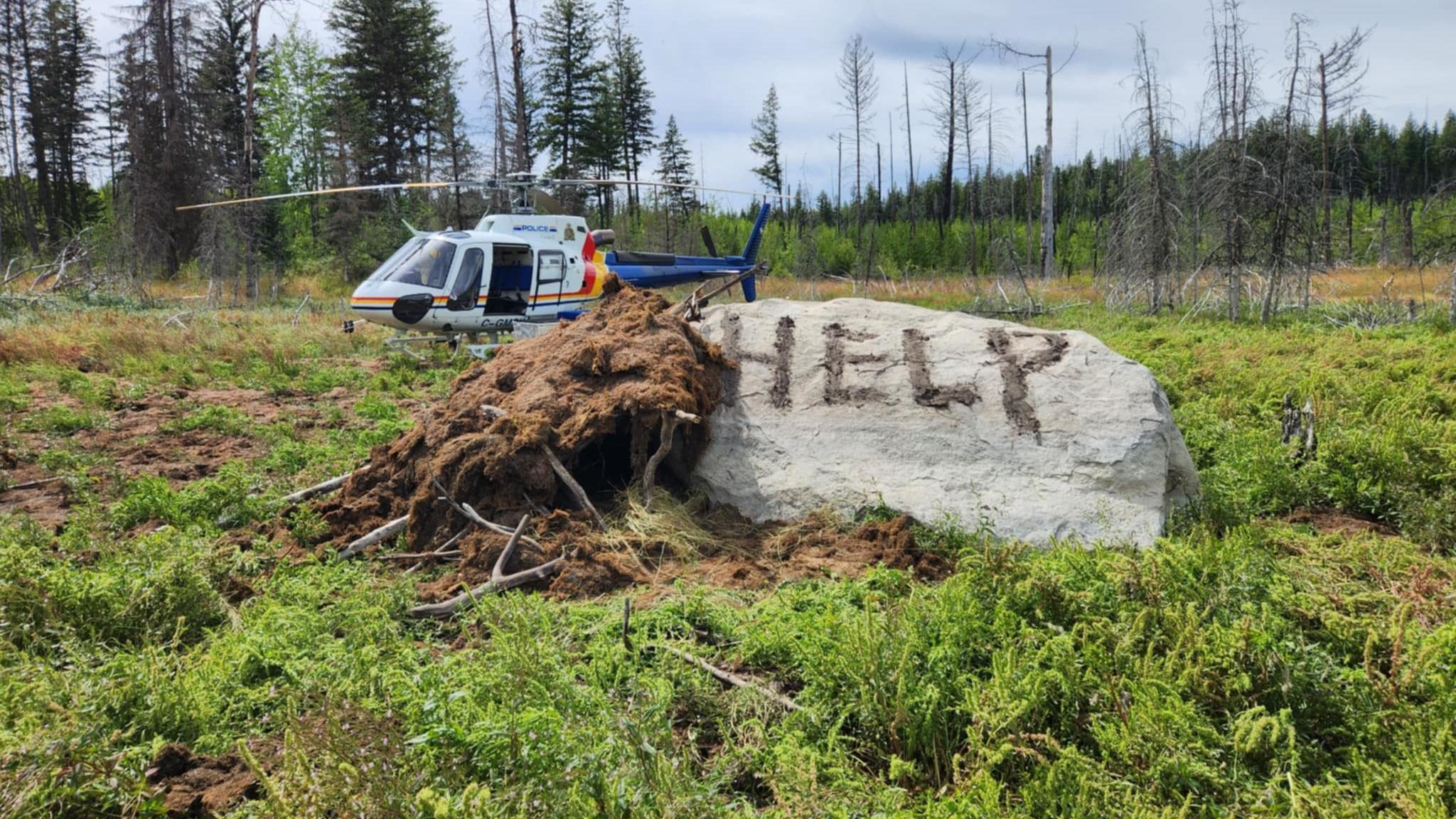
Surviving without shelter presents many tough challenges. Shelter protects humans from harsh conditions and dangers. Without it, survival becomes difficult and risky. The body and mind face constant strain. Understanding these challenges helps grasp why shelter is so vital for life.
Exposure To Weather
Without shelter, the body faces extreme weather changes. Heat from the sun can cause dehydration and heatstroke. Cold temperatures risk hypothermia and frostbite. Rain and wind lower body temperature quickly. Constant exposure weakens the immune system. Lack of protection makes rest and recovery hard.
Predators And Safety Risks
Open spaces increase danger from wild animals and insects. Nighttime brings more threats from predators. Humans become easy targets without secure shelter. Lack of safety causes stress and fear. Injuries from attacks or accidents become more likely. Secure shelter acts as a barrier to many dangers.
Health Complications
Unprotected living conditions lead to many health problems. Dirt and germs increase the chance of infections. Skin diseases and parasites spread faster without hygiene control. Sleep deprivation weakens the body and mind. Chronic stress lowers resistance to illness. Shelter offers a place to heal and stay healthy.
Historical Cases Of Shelterless Survival
Throughout history, humans have demonstrated resilience by surviving without traditional shelters. These instances reveal the adaptability of humans in harsh environments. From nomadic tribes to individuals in extreme conditions, each story showcases unique survival strategies. Let’s explore some historical cases of shelterless survival.
Nomadic Tribes
Nomadic tribes have thrived without permanent shelters for centuries. They rely on mobility and resourcefulness. These tribes often move with the seasons, following food and water sources. Their temporary shelters are made from natural materials found in their surroundings. Animal skins and woven fabrics often provide warmth and protection. This lifestyle requires deep knowledge of the environment. It also demands skills in hunting and gathering. Despite harsh conditions, these tribes maintain rich cultures and traditions. Their survival methods offer valuable lessons in resource management.
Extreme Survival Stories
History is filled with tales of individuals surviving extreme conditions. Some have endured freezing temperatures with minimal protection. Others have survived in deserts with little water. In 1914, Ernest Shackleton’s expedition to Antarctica faced severe challenges. The crew survived on ice floes for months. They used makeshift shelters from lifeboats and tents. Their story is a testament to human endurance. Another example is the survival of shipwrecked sailors. Adrift at sea, they built rafts and found food from the ocean. Each story highlights human ingenuity and willpower.
Modern-day Homelessness Reality
Homelessness remains a pressing issue worldwide. Many people face the harsh reality of living without stable shelter. This situation affects millions daily, shaping their survival and well-being. Understanding this modern-day challenge is crucial to grasp the full impact of lacking a home.
Statistics And Causes
Millions of people live without permanent shelter globally. In urban areas, homelessness is more visible and often rising. Key causes include:
- Job loss and economic struggles
- High housing costs
- Mental health challenges
- Family breakdowns
- Substance abuse
Many face homelessness due to a mix of these factors. Understanding these causes helps in creating better support systems.
Health And Social Effects
Living without shelter harms both health and social well-being. Exposure to weather leads to illnesses like cold and infections. Limited access to clean water and food worsens health risks.
Social isolation affects mental health deeply. Many homeless individuals face stigma and lack support. This situation makes it harder to find work or housing.
Without shelter, daily survival becomes a constant struggle. This reality shows the urgent need for effective help and care.
Natural Adaptations And Coping Mechanisms
Humans have survived in harsh environments long before modern buildings existed. Our natural adaptations and coping mechanisms have been key to enduring without permanent shelter. These abilities show how resourceful and resilient you can be when facing nature’s challenges.
Clothing And Fire Use
Clothing is more than just fashion; it’s your first defense against the elements. Early humans used animal skins and natural fibers to keep warm and shield themselves from wind and rain. Today, you can create simple layers using materials like leaves, bark, or even gathered fabrics to maintain body heat.
Fire plays a critical role in survival. It provides warmth, cooks food, and keeps predators away. Learning how to start and maintain a fire with limited tools can drastically improve your chances of staying safe and comfortable outdoors.
Ask yourself: Have you tried building a fire without modern tools? Practicing this skill can prepare you for unexpected situations where shelter isn’t available.
Improvised Shelters
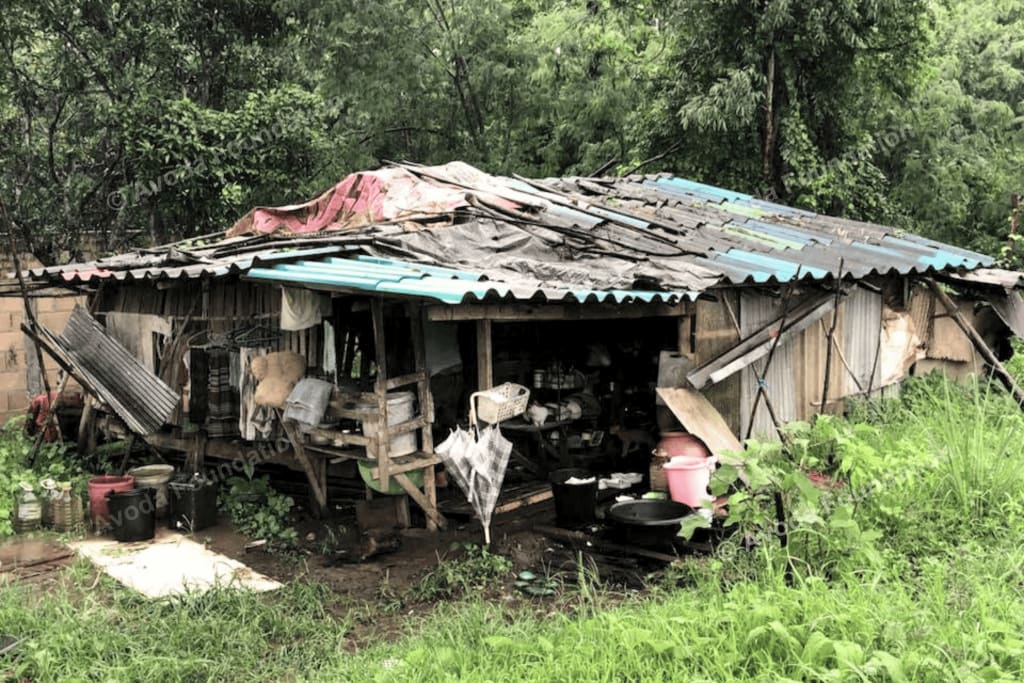
Without a built shelter, you’ll need to get creative with what nature offers. Using branches, leaves, and stones, you can construct a temporary refuge that blocks wind and rain. Even a simple lean-to against a tree can make a big difference in your comfort level.
Pay attention to the environment around you. Finding natural formations like caves or dense thickets can reduce your workload and provide immediate protection. Your ability to spot and use these features can increase your survival chances.
Try to imagine how you would build a shelter with only what’s around you. What materials would you prioritize? Practicing this can boost your confidence and readiness when shelter is not an option.
Credit: vocal.media
Technological Advances Aiding Shelter Alternatives
Technology has made surviving without traditional shelter easier. New inventions provide protection and comfort in harsh conditions. These advances give people more options beyond permanent buildings. Lightweight and durable materials help create quick, effective shelter solutions. Portable designs allow easy transport and setup anywhere. Survival gear improves safety and convenience outdoors. Together, these tools support human survival without fixed homes.
Portable Shelters
Portable shelters are compact and easy to carry. They offer quick protection from weather and insects. Many use strong, lightweight fabrics and frames. Some models fit into backpacks for easy transport. Designs include tents, pop-up shelters, and inflatable pods. These shelters provide a dry, warm space in minutes. They help travelers, campers, and emergency responders stay safe outdoors.
Innovations In Survival Gear
Survival gear now includes multi-use tools and smart fabrics. Clothing can resist water, wind, and cold while staying light. Sleeping bags use insulation that works in extreme cold. Portable stoves and water filters allow cooking and clean water anywhere. Solar-powered lights and chargers keep devices running off-grid. Compact medical kits improve first aid readiness in remote areas. These gear innovations increase chances of survival without traditional homes.
Ethical And Social Perspectives
Humans need shelter not only for protection but also for dignity and social stability. The idea of living without shelter raises important ethical and social questions. These questions touch on our duties as a society and the effects on people’s lives. Understanding these perspectives helps us see shelter as a basic human right.
Responsibility To Provide Shelter
Society holds a moral duty to ensure everyone has a safe place to live. Governments and communities must work to end homelessness. Providing shelter means offering security and hope to vulnerable people. It also shows respect for human life and well-being. Ignoring this need creates deeper social problems and suffering.
Impact On Communities
Lack of shelter affects not just individuals but whole communities. Homelessness can increase crime rates and health issues. It creates stress and divides neighborhoods. Strong communities build support systems to help those without homes. Providing shelter boosts safety, health, and social trust for all.

Credit: www.youtube.com
Frequently Asked Questions
Can Humans Survive Without Any Shelter?
Humans can survive briefly without shelter, but exposure to weather harms health. Shelter protects from cold, heat, rain, and predators, crucial for long-term survival.
How Does Shelter Affect Human Health And Safety?
Shelter provides protection from extreme weather, insects, and harmful animals. It reduces illness risks and supports physical and mental well-being, enhancing overall safety.
What Are The Risks Of Living Without Shelter?
Living without shelter increases risks of hypothermia, heatstroke, infections, and injuries. It also exposes individuals to violence, poor hygiene, and mental stress.
Can Temporary Shelters Improve Survival Chances Outdoors?
Temporary shelters like tents or lean-tos offer essential protection from elements. They improve comfort, conserve body heat, and increase survival chances in harsh environments.
Conclusion
Surviving without shelter is very hard for humans. Shelter protects us from cold, heat, and rain. It also keeps animals and bugs away. People need a safe place to rest and feel secure. Without shelter, health problems can grow quickly.
Shelter helps us stay strong and alive. Life becomes risky without a roof over your head. Finding or building shelter should always be a priority. Safety and comfort come from having a good shelter. It shows how important shelter is for human survival.