When disaster strikes, having the right food in your emergency kit can make all the difference. You want to be prepared, but knowing what to pack can feel overwhelming.
Imagine facing a power outage or a natural emergency without enough nourishment—stress levels rise, and your energy drops. This guide will help you choose foods that keep you safe, healthy, and energized when it matters most. Keep reading to discover the smart, simple food choices you need to include in your emergency kit right now.

Credit: www.msn.com
Shelf-stable Staples
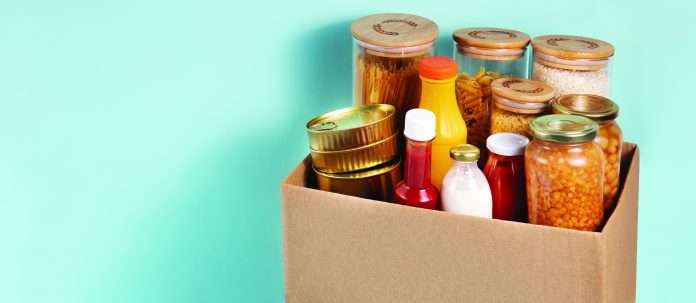
Stocking up on shelf-stable staples is essential for any emergency kit. These foods last a long time without refrigeration and provide reliable nutrition when fresh options aren’t available. Choosing the right staples ensures you have versatile ingredients to create balanced meals during unexpected situations.
Canned Vegetables And Fruits
Canned vegetables and fruits keep well for months or even years. They offer a quick way to add vitamins and flavor to your meals. Look for low-sodium vegetables and fruits packed in juice rather than syrup to keep your diet healthier.
Think about adding canned tomatoes, green beans, corn, peaches, or pineapple. These can be eaten as snacks or combined with other ingredients for a filling dish. Have you checked the expiration dates on your canned goods lately?
Dried Beans And Lentils
Dried beans and lentils are nutrition powerhouses with a long shelf life. They are rich in protein, fiber, and essential minerals, making them ideal for sustaining energy. You only need water and heat to prepare them, which is perfect if you have limited cooking resources.
Black beans, chickpeas, and red lentils are popular choices. These legumes can be soaked overnight or cooked directly depending on your time and resources. How many different ways can you think of to use beans in emergency meals?
Rice And Pasta Options
Rice and pasta provide a solid carbohydrate base for your emergency meals. White rice and dried pasta last longer than their whole-grain counterparts, but both are good to keep. They cook quickly and pair well with canned or dried ingredients.
Consider stocking white rice, instant rice, spaghetti, and macaroni. These staples help fill you up and keep energy levels steady. Do you have a favorite pasta or rice dish you could easily make with limited ingredients?
High-energy Snacks
High-energy snacks are essential for your emergency kit because they provide quick fuel when you need it most. They are easy to carry, store, and consume without preparation. Choosing the right snacks can keep your energy levels steady and help you stay alert during stressful situations.
Nuts And Seeds
Nuts and seeds pack a powerful punch of protein, healthy fats, and fiber. Almonds, walnuts, pumpkin seeds, and sunflower seeds are great choices that last long without refrigeration. You can eat them straight from the bag, making them a no-fuss energy boost.
Have you ever noticed how a handful of almonds can keep hunger away for hours? That’s because their fat content slows digestion and sustains your energy. Plus, they’re lightweight and won’t spoil easily, perfect for any emergency stash.
Granola And Energy Bars
Granola and energy bars are convenient, compact, and designed to give you a quick energy lift. Look for bars with natural ingredients, low sugar, and a good mix of carbs and protein. Brands like KIND, RXBAR, or homemade options can be smart picks.
Think about how easy it is to grab a bar and go, whether you’re evacuating or just need a snack between tasks. These bars often include nuts, seeds, and dried fruit, which balance taste and nutrition perfectly. Keep a variety so you don’t get bored or run out of options.
Trail Mix Combinations
Trail mix offers a customizable snack that combines nuts, seeds, dried fruit, and sometimes chocolate or coconut flakes. You can tailor it to your taste and nutritional needs, making it a fun and practical choice. The mix is nutrient-dense, energy-rich, and easy to portion out.
Have you tried mixing pumpkin seeds, dried cranberries, dark chocolate chips, and cashews? This combo delivers protein, antioxidants, and a touch of sweetness. Making your own trail mix also lets you avoid added sugars and preservatives commonly found in store-bought varieties.
Protein Sources
Canned beans, nuts, and jerky offer long-lasting protein for emergencies. These foods help keep energy and strength during tough times. Choose items that store well and need little preparation.
Protein is a crucial component of any emergency food kit. It helps maintain your energy levels and supports muscle repair, making it an essential part of staying healthy during stressful times. In an emergency, you need reliable sources of protein that won’t spoil quickly and are easy to prepare.Canned Meats And Fish
Canned meats and fish are a staple in many emergency kits for their long shelf life and high protein content. They are not only practical but also versatile. Think of canned tuna, chicken, or salmon—these can be eaten straight from the can or added to pasta and salads for a more complete meal. Consider the variety available in canned proteins to keep your meals interesting. You can even find flavored options like BBQ chicken or lemon pepper tuna. This variety ensures you won’t get bored with your meal choices when options are limited. Always check the expiration dates and rotate your stock regularly. This ensures the food remains safe and nutritious when you need it most.Powdered Eggs And Milk
Powdered eggs and milk are incredible additions to your emergency food kit. They are lightweight and have a long shelf life, making them perfect for storage. Just add water, and you have an excellent source of protein and calcium. These powdered options can be used in various recipes, from scrambled eggs to baking. They’re also a great way to add nutritional value to your meals without taking up much space. Have you ever tried making a meal with powdered eggs? It might be worth a practice run to get the hang of their texture and taste before an emergency arises.Jerky And Dehydrated Meats
Jerky and dehydrated meats are compact, portable, and packed with protein. They are excellent for quick energy boosts and can be stored easily in any emergency kit. They come in various flavors and types, from beef to turkey to plant-based options. This diversity means you can find something that suits your taste while still providing essential nutrients. However, pay attention to the sodium content, as some options can be quite salty. Balancing these with other low-sodium foods in your kit is a smart move. Have you thought about making your own jerky? It could be a fun weekend project and a great way to control what goes into your emergency stash.Hydration Essentials
Staying hydrated during an emergency is not just important—it can be lifesaving. Water is the foundation of your emergency kit, but it’s not just about having water. You need to think about how you store it and what else can help maintain your body’s balance when access to fresh water is limited.
Water Storage Tips
Choose containers made of food-grade plastic or glass to keep water safe and clean. Avoid using containers that previously held chemicals or non-food substances.
Store water in a cool, dark place to prevent algae growth and spoilage. Label containers with the date you filled them and rotate your water supply every six months to keep it fresh.
Consider storing at least one gallon of water per person per day for drinking and sanitation. Don’t forget to include extra water for pets if you have them.
Electrolyte Powders And Tablets
Electrolyte powders and tablets are small but powerful additions to your emergency kit. They help replenish vital minerals like sodium, potassium, and magnesium lost through sweat or stress.
Keep a variety of flavors on hand to encourage drinking, especially if you find plain water boring during stressful times. These supplements are lightweight, have a long shelf life, and can make a big difference in maintaining your energy and hydration.
Have you ever noticed how easy it is to feel tired or dizzy when you’re dehydrated? Adding electrolytes to your water can help prevent those symptoms and keep you alert when it matters most.
Special Diet Considerations
Special diet needs require careful food choices for an emergency kit. People with dietary restrictions must have safe, nutritious options. This ensures everyone stays healthy during an emergency. Planning ahead with these diets in mind makes a big difference.
Gluten-free Options
Gluten-free foods protect those with celiac disease or gluten sensitivity. Choose items like:
- Rice cakes
- Gluten-free granola bars
- Canned beans and lentils
- Instant rice or quinoa packets
- Gluten-free crackers
Check labels carefully to avoid hidden gluten. Pack enough to last several days.
Vegan And Vegetarian Picks
Plant-based diets need protein and nutrient-rich foods. Good emergency picks include:
- Canned vegetables and fruits
- Nut butters
- Dried beans and lentils
- Whole grain cereals and oats
- Tofu or tempeh in vacuum packs
Choose items with long shelf life and easy preparation.
Allergy-friendly Choices
Allergy sufferers must avoid certain ingredients. Common allergens include nuts, dairy, eggs, and soy. Safe options include:
- Fresh or canned fruits and vegetables
- Allergen-free snack bars
- Rice cakes or corn-based snacks
- Non-dairy milk alternatives in shelf-stable packs
- Gluten-free and nut-free crackers
Label all foods clearly to prevent mix-ups. Keep allergy medication accessible with the kit.
Food Storage And Rotation
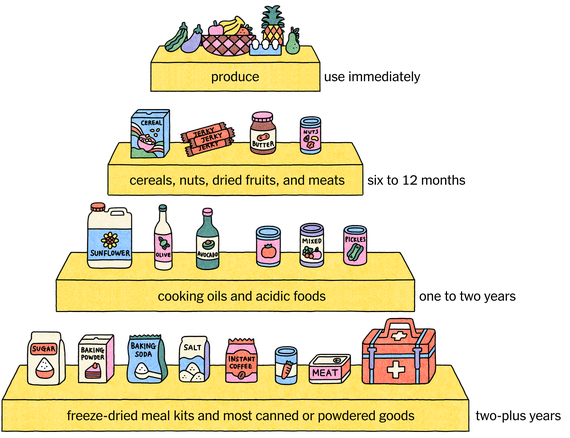
Food storage and rotation are vital for keeping an emergency kit ready and safe. Proper storage prevents spoilage and protects food from pests. Rotation means using older items first and replacing them with fresh supplies. This keeps food fresh and reduces waste. A well-managed kit ensures you have nutritious, edible food when needed.
Proper Packaging Techniques
Use airtight containers to keep food fresh longer. Vacuum sealing removes air and slows down spoilage. Store dry foods like rice, beans, and pasta in sealed jars or bags. Use moisture-proof packaging for items sensitive to humidity. Label packages with the date of storage for easy tracking. Avoid using containers that can break or leak.
Shelf Life And Expiry Dates
Check expiry dates before adding food to your kit. Choose foods with a long shelf life, such as canned goods and dehydrated meals. Store grains and legumes in cool, dark places to extend freshness. Note that some foods last longer than others; for example, honey can last indefinitely. Replace foods before they expire to maintain safety and nutrition.
Organizing Your Kit
Arrange food by expiry date, placing older items in front. Use clear containers or labels for easy identification. Keep similar items together, like snacks, meals, and cooking supplies. Store heavier items on the bottom and lighter ones on top. Regularly inspect the kit to remove expired or damaged food. A tidy kit saves time during emergencies and reduces stress.
Additional Supplies
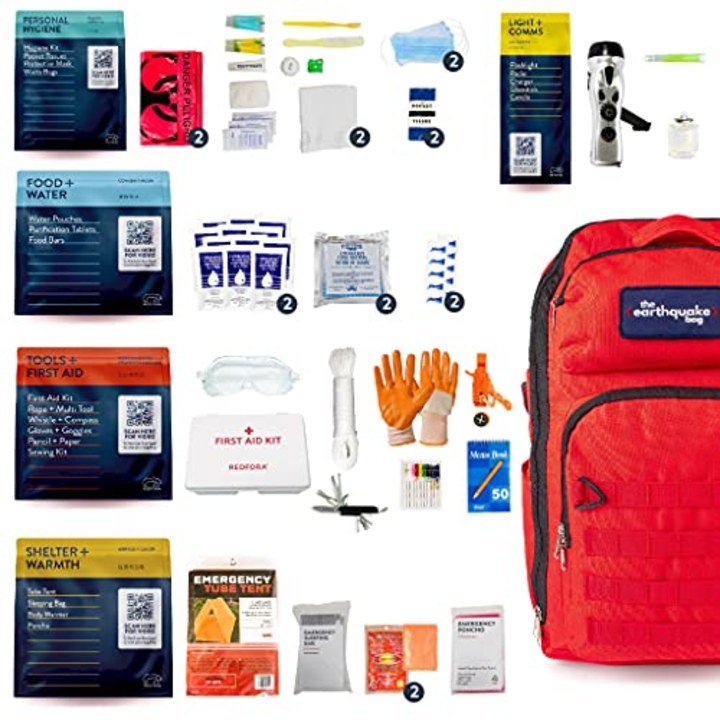
Emergency food kits need more than just food. You need tools and supplies to prepare and consume your meals safely. These extra items keep your food usable and help maintain health during tough times. Planning these supplies ensures you can eat properly, even without electricity or running water.
Manual Can Openers
Many emergency foods come in cans. A manual can opener is a must-have. It works without power. Some openers are small and easy to carry. Choose one with a comfortable grip. Test it before storing to avoid problems later.
Cooking And Heating Tools
Heat makes food safer and tastier. Include simple cooking tools in your kit. Portable stoves or small camping grills work well. Fuel sources like propane or solid fuel tablets are important. Also pack lightweight pots and pans. A metal cup or mug helps boil water or warm drinks.
Water Purification Methods
Clean water is vital for cooking and drinking. Pack water purification tablets or drops. They kill harmful germs quickly. Portable water filters are handy too. Boiling water is effective but needs a heat source. Always have multiple ways to ensure water safety.
Credit: www.nbcnews.com
Credit: mycalgary.com
Frequently Asked Questions
What Are The Best Non-perishable Foods For Emergency Kits?
Non-perishable foods like canned beans, rice, nuts, and dried fruits are ideal. They last long and provide essential nutrients during emergencies.
How Much Food Should I Store In An Emergency Kit?
Store at least a three-day supply of food per person. Include extra for longer emergencies or unexpected guests.
Can I Include Ready-to-eat Meals In My Emergency Kit?
Yes, ready-to-eat meals save time and effort. Choose options needing minimal or no preparation.
Should I Consider Dietary Restrictions When Packing Emergency Food?
Absolutely. Include foods suitable for allergies or specific diets to ensure everyone’s needs are met.
Conclusion
Choosing the right food for your emergency kit saves time and stress. Pack items that last long and provide good nutrition. Think about easy-to-eat and non-perishable foods. Water and canned goods are always good choices. Don’t forget snacks for quick energy.
Check your kit regularly to replace expired items. Being prepared helps you stay safe in emergencies. Simple steps can make a big difference. Ready food means you focus on what matters most. Keep your emergency kit stocked and ready.