Imagine facing a sudden emergency where access to food becomes limited or impossible. How prepared are you to feed yourself and your loved ones for two whole weeks?
Building a 2-week emergency food supply isn’t just about buying cans and stashing them away—it’s about choosing the right foods, storing them properly, and planning meals that keep you healthy and energized. In this guide, you’ll discover simple steps to create a reliable food reserve that gives you peace of mind when it matters most.
Ready to take control of your safety and well-being? Let’s get started.
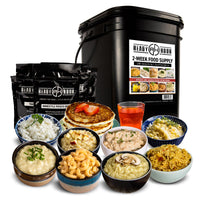
Credit: www.mypatriotsupply.com
Assessing Your Food Needs
Building a two-week emergency food supply begins with understanding exactly what you and your household will need. Assessing your food needs carefully helps avoid waste and ensures everyone stays nourished during tough times. It’s not just about packing calories; it’s about meeting specific nutritional requirements and personal circumstances.
Calculating Daily Calorie Requirements
Each person requires a certain number of calories daily to maintain energy and health. This depends on factors like age, activity level, and health conditions. Use a simple calorie calculator online or refer to dietary guidelines to get a baseline for each family member.
For example, an active adult might need around 2,500 calories per day, while a sedentary senior could require closer to 1,600. Multiply these needs by 14 days to know the total calories to store. Don’t forget to add a small buffer to cover unexpected energy needs.
Considering Dietary Restrictions
Think about allergies, food intolerances, and personal preferences. If someone is gluten intolerant or diabetic, your emergency food supply must reflect that. Ignoring these needs can lead to discomfort or health issues during emergencies.
Include alternative options like gluten-free grains, sugar-free snacks, or low-sodium canned goods. It’s helpful to keep a list of these restrictions handy when shopping or packing your supplies. Have you checked if everyone’s needs are covered in your current emergency stash?
Planning For Family Size
The number of people in your household directly affects how much food you need to store. Don’t forget to include pets if you want to keep them fed too. Make a detailed list with each member’s calorie needs and dietary restrictions.
For example, a family of four will require double the amount of food compared to a single person. However, some bulk items may be shared, which can simplify storage. How well does your current supply match your family’s size and needs?

Credit: www.youtube.com
Choosing The Right Foods
Select foods that last long and need little water or cooking. Focus on nutritious items like grains, canned beans, and dried fruits. Choose easy-to-store, high-energy foods to keep you strong during emergencies.
Choosing the right foods for a 2-week emergency supply is crucial. This ensures you have enough nourishment during unforeseen situations. Selecting foods that are non-perishable and nutrient-dense is important. This will keep your body healthy and energized.Selecting Non-perishable Items
Non-perishable foods are essential for emergencies. They have long shelf lives and don’t require refrigeration. Stock up on canned goods like beans, vegetables, and fruits. Dried foods such as pasta, rice, and oats are also great choices. These items can last for months or even years. This makes them ideal for a 2-week supply.Incorporating Nutrient-dense Foods
Nutrient-dense foods provide essential vitamins and minerals. Choose foods that pack a nutritional punch. Nuts, seeds, and dried fruits offer healthy fats and energy. Whole grains and legumes provide fiber and protein. Keep a variety of these foods in your emergency stash.Balancing Protein, Carbs, And Fats
Balance is key in your emergency food supply. Ensure you have an adequate mix of protein, carbs, and fats. Include canned fish, beans, or peanut butter for protein. Whole grains, rice, and pasta are excellent carbohydrate sources. Healthy fats can come from nuts, seeds, or olive oil. This balance will help maintain energy levels and overall health.Food Storage Essentials
Building a reliable 2-week emergency food supply starts with understanding how to store your food properly. Without the right storage techniques, even the best food items can spoil quickly or lose their nutritional value. Paying attention to food storage essentials ensures your emergency stash stays fresh, safe, and ready when you need it most.
Proper Containers And Packaging
Choosing the right containers can make a huge difference in how long your food lasts. Airtight containers help keep moisture and pests out, which are the biggest enemies of stored food. Glass jars, heavy-duty plastic bins, and Mylar bags with oxygen absorbers work well for dry goods like rice, beans, and pasta.
Think about using vacuum-sealed bags for items prone to oxidation. Label each container with the contents and packing date so you can keep track easily. Have you ever opened a forgotten can only to find it spoiled? Proper packaging prevents that frustration.
Ideal Storage Conditions
Where you store your emergency food can affect its shelf life dramatically. Aim for a cool, dark, and dry place—temperature fluctuations speed up spoilage. A basement or pantry with good ventilation is usually ideal.
Humidity is a silent threat; it can cause mold and clumping in dry foods. Using silica gel packs or moisture absorbers inside your storage area can help maintain optimal conditions. Ask yourself: is your current storage spot truly protecting your food or quietly damaging it?
Rotation And Shelf Life Management
Keeping track of expiration dates is critical. Use the “first in, first out” rule by consuming older items before newer ones. This keeps your supply fresh and prevents waste.
Maintain a simple inventory list and update it every time you add or remove items. Rotate your stock every 6 to 12 months, depending on the food type. Have you set reminders to check your emergency food supply regularly? It’s a small habit that pays off big.
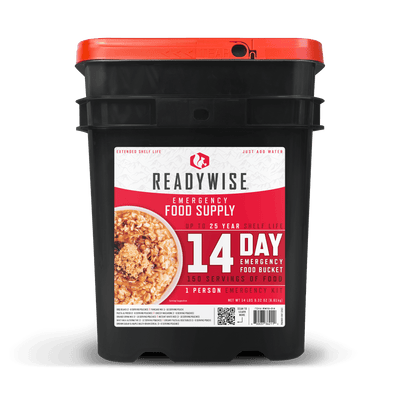
Credit: readywise.com
Water And Hydration Supplies
Water is the most critical component of any emergency food supply. Without enough clean water, even the best food supplies won’t keep you healthy or hydrated. Preparing your water and hydration supplies carefully ensures you’ll have what you need to stay alive and comfortable during a crisis.
Calculating Water Needs
Think about how much water you and your family use daily. The general recommendation is at least one gallon of water per person per day. This includes water for drinking, cooking, and basic hygiene.
For a two-week supply, multiply that amount by 14. Don’t forget to add extra if you live in a hot climate or have young children, elderly family members, or pets. Are you prepared for days when you might need more water than usual?
Water Storage Solutions
Choose containers that are safe for long-term water storage. Food-grade plastic barrels, water bricks, and even large glass jars with tight seals work well. Avoid containers that once held chemicals or non-food substances.
Store water in a cool, dark place to prevent algae growth and slow down plastic degradation. Label your containers with the date you filled them, so you know when to refresh your supply. Have you checked the tightness of your container lids recently?
Water Purification Methods
Having stored water is great, but you may also need to purify water from natural sources. Boiling water for at least one minute kills most harmful organisms. This is a reliable and cost-free method if you have fuel and a pot.
Water purification tablets or drops are lightweight and easy to carry. Filters designed to remove bacteria and protozoa are another option; just make sure they are rated for emergency use. Do you have a backup purification method if one fails?
Cooking And Preparation Tools
Having the right cooking and preparation tools is crucial when building a 2-week emergency food supply. These tools ensure you can prepare meals efficiently, no matter the situation. Think about how often you rely on kitchen gadgets at home—now imagine needing to cook without electricity or running water. What tools will keep your meals simple, safe, and satisfying during an emergency?
Portable Cooking Devices
Choosing portable cooking devices means you can cook anywhere—indoors or outdoors. Compact camp stoves, small propane burners, or even solar ovens offer flexibility. I once relied on a lightweight butane stove during a power outage; it heated food quickly and packed away easily.
Look for devices that are easy to set up and clean. Multi-fuel stoves, which can run on propane, butane, or liquid fuel, provide versatility if one fuel type runs out. Don’t overlook simple options like a portable grill or even a Dutch oven if you have safe outdoor space.
Fuel And Heat Sources
Fuel choice can make or break your cooking plans. Store enough fuel for at least two weeks, and consider how easy it is to use and store safely. Propane tanks are common and reliable, but solid fuel tablets and charcoal are excellent backups.
Have you tested your fuel sources before an emergency? I learned the hard way that some fuels don’t burn well in cold weather. Keep a variety on hand and know how to store each type to avoid leaks or spoilage.
Utensils And Cleanup Supplies
Don’t forget the small but essential items: pots, pans, knives, cutting boards, and eating utensils. A lightweight, stackable cookware set saves space, and sharp knives make food prep faster and safer. I always keep a few durable, reusable utensils ready for emergencies.
Cleanup is often overlooked but vital for hygiene. Bring biodegradable soap, sponges, and a small basin for washing dishes. Disposable gloves and trash bags help maintain cleanliness and prevent contamination.
Emergency Food Supply Checklist
Creating a two-week emergency food supply means more than just grabbing a few cans off the shelf. You need a detailed checklist to ensure you have everything required to stay nourished and comfortable during uncertain times. This checklist breaks down essential items, treats for morale, and important supplements to keep your body functioning well.
Must-have Food Items
Start with foods that last long and provide solid nutrition. Think rice, beans, pasta, and canned vegetables—these staple foods keep well and offer energy. Don’t forget protein sources like canned tuna or chicken and shelf-stable milk or powdered milk to cover all your nutritional bases.
- White or brown rice (5-10 lbs)
- Dried or canned beans (3-5 lbs)
- Canned vegetables and fruits (12-15 cans)
- Canned meats (tuna, chicken, salmon – 10-15 cans)
- Pasta and pasta sauce
- Powdered milk or shelf-stable milk cartons
- Peanut butter or nut butters
- Cooking oil (small bottle)
- Salt, sugar, and basic spices
Have you checked the expiration dates on these items? Rotate your stock every six months to keep your supply fresh and ready.
Additional Comfort Foods
During stressful times, comfort foods can make a big difference. Stock up on snacks and treats that lift your spirits. These don’t need to be fancy—think granola bars, crackers, and instant coffee or tea.
- Granola or energy bars
- Instant coffee or tea bags
- Chocolate or hard candies
- Crackers or pretzels
- Powdered drink mixes (like lemonade or electrolyte powders)
Why not include a favorite snack or two? A little joy in hard times helps keep morale strong.
Supplements And Vitamins
Your body needs more than just calories—it needs nutrients to stay healthy. Adding vitamins and supplements can fill gaps in your emergency diet. Stock up on a good multivitamin, vitamin C, and maybe some electrolyte tablets to prevent dehydration.
- Multivitamin tablets
- Vitamin C supplements
- Electrolyte powders or tablets
- Any prescription medications you require
Have you thought about how your body might react to limited fresh food? Supplements can keep your immune system strong and energy levels stable.
Maintaining And Updating Your Supply
Maintaining and updating your two-week emergency food supply is just as important as building it. A well-stocked pantry can lose its effectiveness if you overlook the condition and relevance of the items stored. Regular attention keeps your supply fresh, usable, and tailored to your current needs.
Regular Inventory Checks
Set a schedule to review your emergency food supply every few months. During these checks, note what you have, what’s running low, and any signs of damage or spoilage. Keeping an updated list helps you avoid surprises during an emergency.
Try using a simple checklist or an app to track your stock. This saves time and reduces errors. Have you ever opened a can only to realize it was expired months ago? Regular checks prevent that frustration.
Replacing Expired Items
Food expiration dates can be tricky, so don’t wait until items are past their prime to replace them. When you find expired or nearly expired products, replace them immediately. This ensures your supply stays safe and nutritious.
Rotate your stock by using older items first in your daily meals and adding fresh items to the back. This method, often called “first in, first out,” keeps your emergency food fresh without waste. How often do you think about the actual shelf life of your stored foods?
Adjusting For Seasonal Needs
Your food supply should reflect changes in season and lifestyle. For example, you might want more hydration-focused items like electrolyte powders in summer and heartier, warming foods like soups and stews in winter. Adjusting your supply ensures comfort and nutrition year-round.
Also, consider seasonal allergies or dietary changes in your household. Adding or removing certain items can make your emergency food supply more practical and enjoyable. When was the last time you updated your stock to fit your current needs?
Frequently Asked Questions
What Are The Essential Foods For A 2 Week Emergency Supply?
Essential foods include canned vegetables, beans, rice, pasta, dried fruits, nuts, and high-protein items like canned tuna. Choose non-perishable, nutrient-dense foods with long shelf lives. Include comfort foods to boost morale during emergencies. Rotate stock regularly to maintain freshness and nutrition.
How Much Water Should I Store For Two Weeks?
Store at least one gallon of water per person per day for drinking and hygiene. For two weeks, that equals 14 gallons per person. Consider extra water for pets and cooking. Use clean, food-grade containers and replace water every six months to ensure safety.
How Do I Store Emergency Food Properly?
Store food in a cool, dry, and dark place to extend shelf life. Use airtight containers to prevent moisture and pests. Label all items with purchase and expiration dates. Rotate supplies regularly to consume older items first and keep your emergency food fresh and safe.
Can I Build A 2 Week Supply On A Tight Budget?
Yes, focus on affordable staples like rice, beans, oats, and canned goods. Buy in bulk and look for sales or discounts. Prioritize versatile foods that provide essential nutrients. Gradually build your supply over time to avoid financial strain while staying prepared.
Conclusion
Building a two-week emergency food supply takes planning and care. Choose foods that last long and are easy to prepare. Store them in a cool, dry place to keep them fresh. Rotate your supplies regularly to avoid waste. Keep water and other essentials ready too.
Being prepared brings peace of mind. Start small and add more over time. You can protect your family during unexpected events. Simple steps make a big difference. Stay safe and ready with your emergency food supply.