Have you ever felt uneasy after a meal and wondered if it’s just a stomach bug or something more serious? Food poisoning can make you feel awful, but when should you really worry?
Knowing when food poisoning becomes an emergency could save your life or someone you care about. You’ll discover the clear signs that mean it’s time to seek help fast. Don’t wait until it’s too late—understanding these warning signals can protect you and your loved ones.
Keep reading to learn exactly what to watch for and when to act.
:max_bytes(150000):strip_icc()/HDC-IsIt-the-Stomach-Flu-or-Food-Poisoning-565872471b0541e5a425f4f24900a363.jpg)
Credit: www.health.com
Common Causes Of Food Poisoning
Food poisoning happens when harmful substances enter the body through contaminated food or drink. These substances can cause illness quickly or over time. Understanding the common causes helps you know when food poisoning becomes an emergency. It also guides you in avoiding risky foods and situations.
Bacterial Contaminants
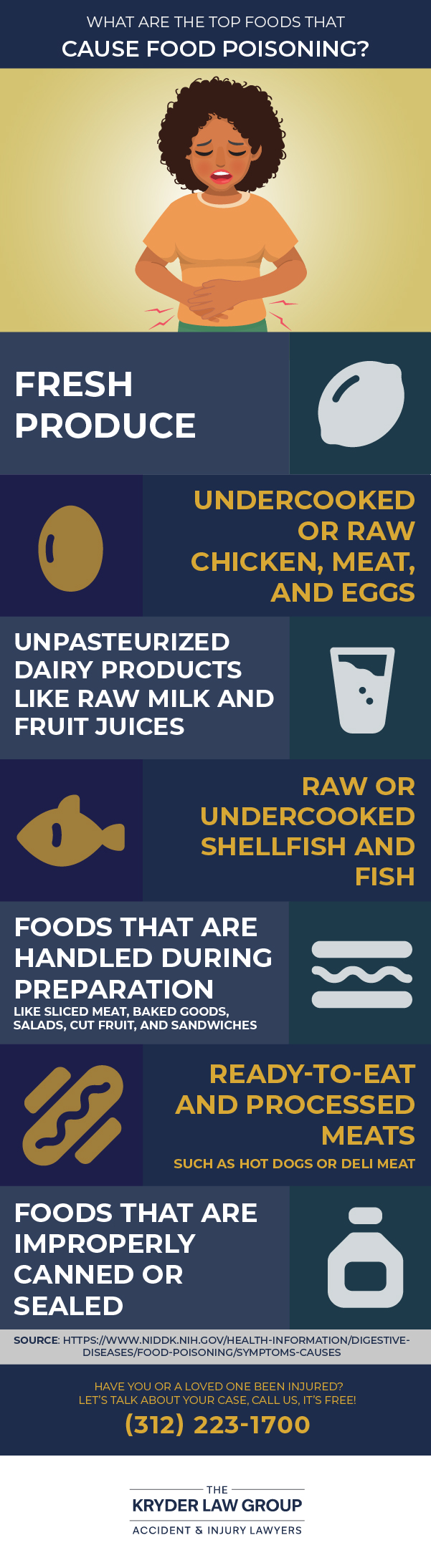
Bacteria are the most common cause of food poisoning. They grow fast in foods left at unsafe temperatures. Common bacteria include Salmonella, E. coli, and Listeria. These germs can cause severe stomach pain, vomiting, and diarrhea. Contaminated meat, eggs, and dairy are usual sources. Proper cooking and storage reduce risk.
Viral Infections
Viruses also cause food poisoning. Norovirus and Hepatitis A are the main culprits. They spread through contaminated water or food handled by sick people. Symptoms include nausea, vomiting, and fever. Viruses can spread quickly in crowded places. Good hygiene and clean water help prevent infections.
Toxins And Chemicals
Toxins and chemicals in food cause poisoning too. Some bacteria produce toxins that are harmful even after cooking. Examples include Staphylococcus aureus and Clostridium botulinum. Chemicals like pesticides or heavy metals may contaminate food. These poisons can cause serious health problems fast. Buying from trusted sources lowers exposure risk.
Early Symptoms To Recognize
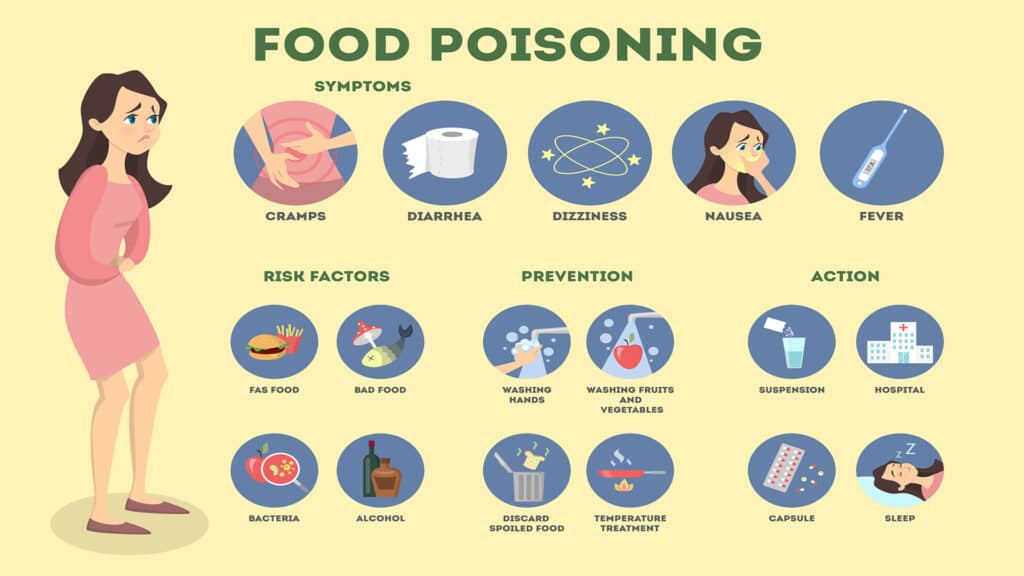
Recognizing early symptoms of food poisoning can help you act quickly. Symptoms usually start within hours after eating bad food. Knowing these signs helps prevent serious health problems.
Nausea And Vomiting
Nausea feels like you might throw up any moment. Vomiting often follows, which is your body’s way to clear toxins. Frequent vomiting can cause dehydration fast. Watch for persistent nausea or repeated vomiting as a warning.
Diarrhea And Stomach Cramps
Diarrhea is loose, watery stools that happen often. Stomach cramps cause sharp or dull pain in your belly. These symptoms occur as your body tries to flush out harmful bacteria. Severe diarrhea or cramps lasting more than a day need care.
Fever And Weakness
A fever means your body is fighting infection. Weakness or feeling very tired can follow. High fever or extreme weakness signals a serious infection. Immediate medical help may be necessary to avoid complications.
When Symptoms Warrant Urgent Care
Food poisoning can range from a mild inconvenience to a severe health threat. Recognizing when symptoms require immediate medical attention can be crucial. Knowing the warning signs can empower you to act quickly and seek the help you need. But what are these signs, and when should you be concerned?
Severe Dehydration Signs
Dehydration is a common result of food poisoning, but it can escalate quickly. If you notice symptoms like extreme thirst, dry mouth, or infrequent urination, it’s time to take action. Have you ever felt dizzy or lightheaded? That could be a red flag indicating severe dehydration. This condition can spiral into more serious complications if left untreated.
High Fever And Persistent Vomiting
A high fever can signal that your body is fighting a serious infection. Coupled with persistent vomiting, this can become dangerous. Have you ever found yourself unable to keep anything down? If this persists, it could lead to critical dehydration and electrolyte imbalances. Seeking medical attention is essential to prevent further deterioration.
Blood In Stool Or Vomit
Finding blood in your stool or vomit can be alarming. It’s a sign that the infection may be more severe or that there is internal bleeding. This is not something to ignore or wait out. Immediate medical evaluation is necessary to identify the cause and to begin appropriate treatment. How quickly would you act if you noticed this symptom?
Understanding these warning signs can make a difference in how you manage food poisoning. Recognize the urgency and act swiftly to ensure your health and safety. Always trust your instincts and seek professional help when in doubt.

Credit: bimcbali.com
Risk Groups Needing Immediate Attention
Certain groups face a higher risk of severe complications from food poisoning. Their bodies may not fight infection well. Quick medical attention is vital to prevent serious health issues.
Children And Infants
Young children have weaker immune systems. They can become dehydrated very fast. Symptoms like vomiting and diarrhea need careful watching. Immediate care stops dangerous complications.
Elderly Individuals
Older adults often have slower immune responses. Chronic illnesses can worsen food poisoning effects. Dehydration and weakness develop quickly. Prompt treatment helps avoid hospital stays.
Pregnant Women And Immunocompromised
Pregnant women face risks to both mother and baby. Certain infections can harm fetal development. People with weak immune systems must act fast. Early intervention reduces severe outcomes and protects health.
Complications From Untreated Food Poisoning
Ignoring food poisoning can lead to serious health issues that go far beyond a few days of stomach upset. When left untreated, infections and toxins from contaminated food can cause complications that affect vital organs and your overall well-being. Understanding these risks can help you recognize when food poisoning becomes an emergency.
Kidney Failure
Some types of food poisoning, especially those caused by bacteria like Escherichia coli, can damage your kidneys. The toxins can trigger a condition called hemolytic uremic syndrome (HUS), which reduces kidney function and may lead to kidney failure.
If you notice reduced urine output, swelling in your legs or face, or unusual fatigue after food poisoning, it’s a red flag. Seeking medical help early can prevent permanent kidney damage.
Neurological Issues
Certain bacteria, such as Clostridium botulinum, produce toxins that affect your nervous system. This can cause symptoms like muscle weakness, difficulty speaking, or even paralysis.
Have you ever felt numbness or tingling after a bout of food poisoning? These signs should never be ignored, as neurological complications may require urgent treatment to avoid lasting harm.
Sepsis And Organ Damage
Food poisoning bacteria can sometimes enter your bloodstream, leading to sepsis—a life-threatening reaction by your body to infection. This can cause widespread inflammation and damage multiple organs, including your heart, lungs, and liver.
High fever, rapid heartbeat, confusion, or difficulty breathing after food poisoning are warning signs you shouldn’t delay on. Immediate medical care can be lifesaving in such cases.
Credit: www.kryderlaw.com
Emergency Steps To Take
Recognizing the right emergency steps during food poisoning can make a crucial difference in how quickly you recover and avoid serious complications. Acting fast and knowing exactly what to do helps you stay in control when symptoms worsen unexpectedly. Let’s dive into practical actions you can take immediately to protect your health and the health of those around you.
Hydration And Electrolyte Replacement
Food poisoning often causes vomiting and diarrhea, which drain your body of fluids and essential salts. Drinking plenty of water is important, but you also need to replace lost electrolytes like sodium and potassium.
Oral rehydration solutions or sports drinks with balanced electrolytes work well. Avoid sugary sodas or plain water alone as they may not restore balance effectively. If you notice dizziness, dry mouth, or decreased urination, it’s a sign you need to hydrate urgently.
When To Call Emergency Services
Not every case of food poisoning requires a 911 call, but certain signs mean you should seek emergency help immediately.
- Severe dehydration symptoms such as fainting, extreme weakness, or confusion
- Bloody diarrhea or vomit that looks like coffee grounds
- High fever above 102°F (39°C) lasting more than a day
- Repeated vomiting preventing you from keeping fluids down
- Signs of neurological problems like blurred vision, muscle weakness, or difficulty speaking
Think about your last experience with food poisoning. Did you feel unsure about when to get help? Recognizing these red flags ahead of time prevents delays that could worsen your condition.
Preparing For Medical Evaluation
When you decide to see a doctor or arrive at the emergency room, having key information ready speeds up your treatment.
- List of symptoms and when they started
- Details about what you ate recently and where
- Any medications or supplements you are taking
- Existing health conditions, especially immune system issues or chronic illnesses
- Amount of fluids consumed and output (urine, vomit, diarrhea)
Preparing these details beforehand can help medical staff diagnose your condition faster. Have you ever had to explain your symptoms under stress? A quick note on your phone can be a lifesaver.
Frequently Asked Questions
When Should I Seek Emergency Care For Food Poisoning?
Seek emergency care if you have severe dehydration, persistent vomiting, or bloody diarrhea. Also, urgent care is needed for high fever, confusion, or difficulty breathing. These symptoms may indicate serious complications requiring immediate medical attention.
What Are The Warning Signs Of Severe Food Poisoning?
Warning signs include extreme weakness, rapid heartbeat, dizziness, and reduced urination. If symptoms worsen or last more than 48 hours, seek medical help. Severe food poisoning can cause dangerous dehydration and organ damage.
Can Food Poisoning Cause Life-threatening Complications?
Yes, food poisoning can lead to life-threatening issues like kidney failure or sepsis. Prompt medical treatment is crucial to prevent these severe outcomes. High-risk groups should be extra cautious and seek early care.
How Long Does Food Poisoning Last Without Treatment?
Mild cases usually resolve within 1 to 3 days without treatment. However, severe cases can last longer and may require medical intervention. Monitoring symptoms closely helps decide when to seek care.
Conclusion
Food poisoning can feel scary and confusing. Watch for signs like high fever, severe pain, or constant vomiting. These symptoms need quick medical help. Staying hydrated and resting helps most people recover. Trust your body and seek care if things worsen.
Early action can prevent serious problems. Remember, knowing when to act saves lives. Stay safe and listen to your health.