When choosing a survival knife, the steel inside the blade can make all the difference. You want a blade that’s tough, sharp, and reliable when it counts the most.
That’s where 440C steel comes into play. But how well does 440C steel really hold up in the wild? You’ll discover the true strengths and weaknesses of 440C steel for survival knives. By the end, you’ll know if it’s the right choice for your next adventure or if you should look elsewhere.
Keep reading to find out what makes 440C steel stand out—and where it might fall short—so you can make the best decision for your survival gear.
Properties Of 440c Steel
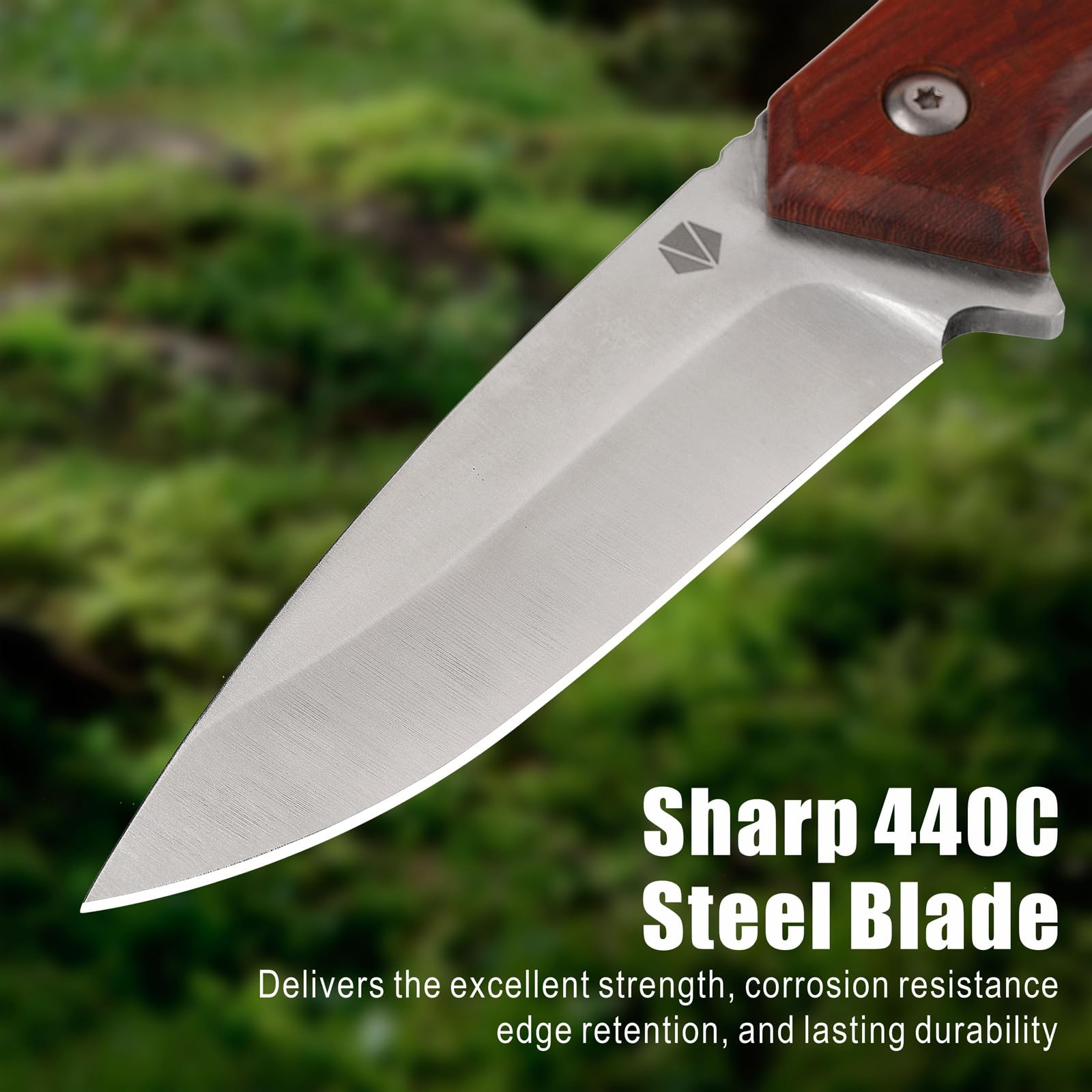
440C steel is a popular choice for survival knives due to its balanced properties. It offers a good mix of hardness, corrosion resistance, and toughness. These qualities make it suitable for outdoor and survival tasks. Understanding the key properties of 440C steel helps explain why it performs well in tough conditions.
Composition And Hardness
440C steel is a high-carbon stainless steel. It contains about 1.0 to 1.2% carbon and 16 to 18% chromium. This composition allows the steel to reach high hardness levels after heat treatment. The hardness usually ranges from 57 to 60 HRC. This hardness helps the blade hold a sharp edge longer during use.
Corrosion Resistance
The high chromium content gives 440C excellent corrosion resistance. This quality is vital for survival knives exposed to moisture and harsh environments. It resists rust and staining better than many other steels. Proper care still improves its lifespan, but 440C handles wet conditions well.
Toughness And Wear Resistance
440C steel offers moderate toughness, enough for most survival tasks. It resists chipping and cracking better than very hard steels. Wear resistance is strong, so the blade endures repeated use without dulling quickly. This balance makes 440C a reliable choice for knives used in rough conditions.
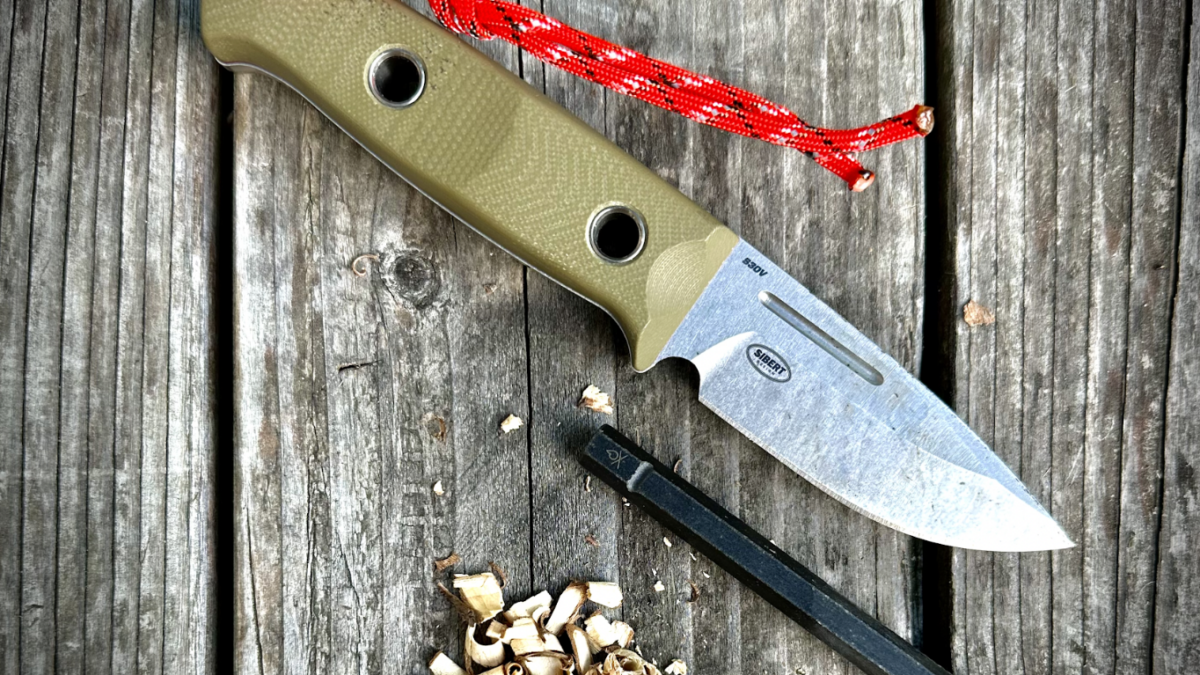
Credit: gearjunkie.com
Performance In Survival Scenarios
440C steel performs well in survival scenarios due to its balanced properties. It offers good hardness and strength, making it a reliable choice for tough tasks. This steel handles cutting, slicing, and even light chopping with ease. Its durability helps in harsh outdoor conditions, ensuring the knife stays functional when needed most.
Edge Retention Under Stress
440C steel holds its edge longer than many other stainless steels. It resists dulling even after repeated use on wood, rope, and other materials. This means fewer sharpenings during survival trips. A sharp blade saves time and effort, which can be crucial in emergencies.
Resistance To Chipping And Breaking
The steel’s toughness reduces the risk of chips and cracks. It can withstand impact and pressure without breaking. This resilience is vital for survival knives, which face various stresses. A strong blade provides confidence in demanding situations.
Handling And Maintenance In The Wild
440C steel resists rust and corrosion, important for outdoor use. Cleaning the knife is simple, even with limited water. It also sharpens easily using common tools. This low maintenance quality makes it practical for long trips in the wild.
Comparison With Other Knife Steels
440C steel offers good hardness and corrosion resistance compared to other common knife steels. It holds an edge well but may be less tough than some survival steel options. This balance makes it suitable for many outdoor tasks without frequent sharpening.
Comparing 440C steel with other knife steels helps you make informed choices for your survival knife. Each type of steel offers unique benefits and drawbacks that can significantly impact your knife’s performance in the wild. Understanding these differences can be the key to finding the perfect tool for your needs.440c Vs 1095 Carbon Steel
440C steel is known for its excellent corrosion resistance, making it a solid choice if you’ll be using your knife in wet or humid environments. On the other hand, 1095 carbon steel is renowned for its superior toughness and ease of sharpening. While 1095 may require more maintenance to prevent rust, its resilience under extreme conditions is unmatched. Imagine being out in the wilderness, needing to sharpen your knife quickly—1095 makes this a breeze. However, if you value low maintenance and high stain resistance, 440C may serve you better.440c Vs Aus-8 Stainless Steel
AUS-8 is another stainless steel that strikes a balance between toughness and corrosion resistance. It tends to be slightly softer than 440C, making it easier to sharpen. However, 440C holds its edge longer, reducing the frequency of sharpening needed. Think about your typical use case. If frequent sharpening doesn’t bother you, AUS-8 could be preferable. But if you want a knife that retains its edge over long periods, 440C might be your go-to.440c Vs S30v And Other Premium Steels
Premium steels like S30V are often regarded as the top-tier options due to their excellent edge retention and corrosion resistance. While 440C offers great overall performance, it may not match the longevity and cutting power of S30V. However, premium steels often come with a higher price tag. Do you need the absolute best, or is a reliable, cost-effective option like 440C sufficient for your needs? This decision often boils down to budget and specific requirements. In the end, choosing the right steel involves balancing factors like durability, ease of maintenance, and cost. Each type of steel has its strengths and weaknesses. What’s most important is understanding how these align with your personal preferences and survival needs.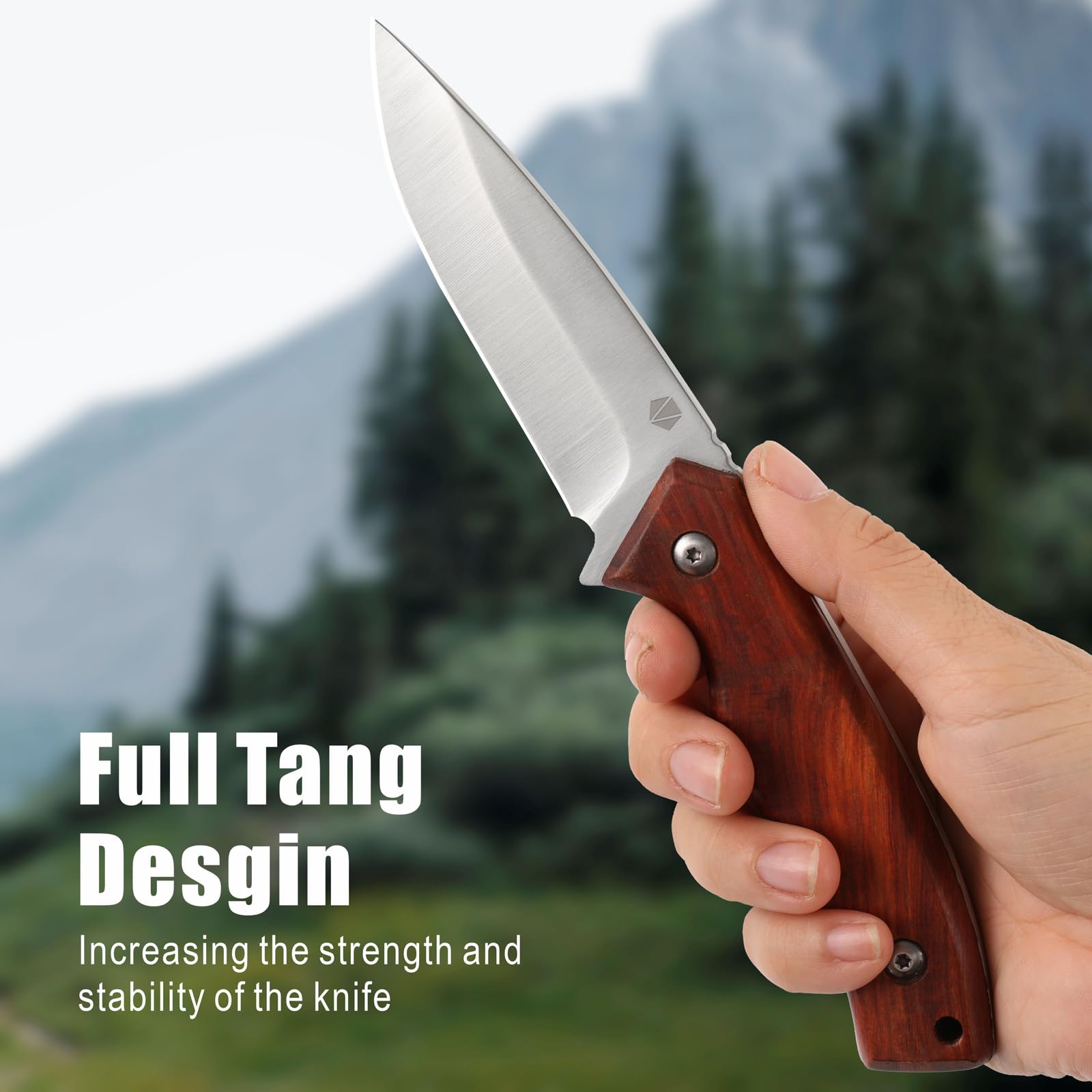
Credit: www.amazon.com
Common Uses Of 440c In Survival Knives
440C steel stands out in the world of survival knives for its unique blend of hardness and corrosion resistance. It is a stainless steel that balances edge retention with ease of sharpening. These qualities make 440C a common choice for knives used in rugged outdoor environments. Survival knives crafted from 440C steel can handle various tasks, from cutting wood to preparing food and even self-defense.
The steel’s ability to hold a sharp edge for a reasonable time appeals to many survival enthusiasts. It also resists rust better than many high-carbon steels, which is crucial for wet or humid conditions. Its toughness allows the blade to endure heavy use without chipping or breaking easily. These traits make 440C steel suitable for different survival knife styles and designs, meeting diverse user needs.
Popular Knife Models Featuring 440c
- KA-BAR Becker BK2 – Known for durability and strength
- Ontario RAT Model 1 – Affordable, reliable, and sharp
- Cold Steel SRK – Used by military and survivalists
- Spyderco Endura 4 – Lightweight with excellent edge retention
- ESEE 4 – Favored for bushcraft and survival tasks
User Feedback And Reliability Reports
Users often praise 440C knives for their solid performance in the field. Many report that these knives stay sharp enough through typical survival tasks. The steel’s corrosion resistance reduces maintenance worries during extended outdoor trips. Some users mention the blade can be harder to sharpen than softer steels but rewards effort with longer sharpness.
Reliability reports highlight the toughness of 440C steel blades. They rarely chip or break under normal survival use. The knives tend to handle heavy chopping and slicing without damage. Overall, 440C knives offer a dependable balance of strength, sharpness, and rust resistance.
Tips For Caring For 440c Survival Knives
Caring for your 440C survival knife ensures it stays reliable when you need it most. This steel offers excellent hardness and edge retention but still needs proper upkeep to maintain its performance. Understanding how to sharpen, protect, and store your knife makes a big difference in its lifespan and effectiveness.
Sharpening Techniques
Keep your 440C knife sharp using a fine-grit whetstone or ceramic sharpener. Start with a 600-1000 grit stone for regular sharpening and move up to 3000-6000 grit for polishing the edge.
Angle control is crucial; maintain about a 20-degree angle for a durable, sharp edge. Avoid aggressive sharpening that removes too much metal—it shortens the knife’s life.
Have you noticed how a sharp blade makes survival tasks easier and safer? Sharpening regularly prevents frustration and potential accidents.
Preventing Rust And Corrosion
Even though 440C steel is stainless, it’s not immune to rust. After use, especially in wet or humid environments, wipe your knife dry immediately to stop moisture from settling.
Applying a thin layer of mineral oil or specialized knife oil protects the blade from corrosion. Make this a habit after cleaning or exposure to water.
Think about the last time you left a knife wet and found rust spots—how could a quick oiling have saved you the hassle?
Storage Recommendations
Store your 440C survival knife in a dry place away from humidity and direct sunlight. A sheath made from leather or nylon is fine, but avoid long-term storage in leather as it can trap moisture.
Consider using silica gel packets in your storage area to absorb any excess moisture. This simple step can prevent rust and keep your knife ready for action.
Ask yourself: Is your current storage method protecting your knife or setting it up for damage?

Credit: www.amazon.com
Final Verdict On 440c Steel Durability
440C steel stands out in the survival knife world because of its unique balance between hardness and corrosion resistance. But how does it really hold up when you’re out in the wild? Let’s break down its durability to help you decide if it’s the right choice for your survival gear.
Strengths For Survival Use
440C steel is known for its excellent hardness, often reaching around 58-60 HRC on the Rockwell scale. This means it holds a sharp edge longer, which is crucial when you can’t afford to stop and sharpen frequently.
Its high carbon content also adds to its wear resistance, so the blade can handle tough tasks like cutting wood, slicing rope, or preparing food without chipping easily.
Another strong point is corrosion resistance. If you find yourself in wet or humid environments, 440C steel resists rust better than many other high-carbon steels, reducing maintenance time.
Limitations To Consider
Despite its strengths, 440C steel isn’t perfect for every survival scenario. It can be more brittle compared to steels with added elements like vanadium or molybdenum, so heavy prying or twisting might cause it to chip or break.
Also, sharpening 440C can be a bit challenging if you don’t have the right tools. Its hardness demands quality sharpening stones and technique, which might be tough in the field.
Lastly, while corrosion resistance is good, it’s not as high as stainless steels like S30V or AUS-8. You’ll still need to clean and dry your knife regularly to keep it in top shape.
Think about your typical survival environment and tasks. Are you prepared to maintain the blade properly? Will you rely on the knife for heavy-duty work or more precise cutting? These questions will guide you in deciding if 440C steel matches your survival needs.
Frequently Asked Questions
What Makes 440c Steel Suitable For Survival Knives?
440C steel offers excellent hardness and corrosion resistance, making it ideal for outdoor use. It holds a sharp edge well and withstands tough conditions, which is essential for survival knives.
How Does 440c Steel Compare To Other Knife Steels?
Compared to other steels, 440C balances hardness and corrosion resistance. It is tougher than stainless steels like 420 but less hard than high-carbon steels, providing a good mix for survival tasks.
Is 440c Steel Durable For Heavy Survival Use?
Yes, 440C steel is durable enough for most survival needs. It resists wear and corrosion, but extreme abuse may cause chipping or dulling over time.
How Often Should A 440c Steel Knife Be Sharpened?
Sharpen 440C steel knives regularly to maintain performance. Depending on use, sharpening every few weeks or months keeps the blade sharp and effective in survival situations.
Conclusion
440C steel offers good hardness and rust resistance for survival knives. It holds a sharp edge well during outdoor tasks. The steel balances strength and ease of sharpening nicely. Some wear faster under heavy use but suits most survival needs.
Choosing 440C means trusting a reliable, affordable steel option. It works best with proper care and regular maintenance. Overall, 440C steel remains a solid choice for many survival knife users.