Imagine facing an unexpected emergency—would you be ready? Your survival kit could make all the difference when every second counts.
But what exactly should a survival kit have to keep you safe, comfortable, and prepared? You’ll discover the essential items that can protect you in any situation. Knowing what to include means you won’t waste time searching for things when it matters most.
Keep reading, and get ready to build a survival kit that truly works for you.

Credit: unchartedsupplyco.com
Basic Survival Essentials
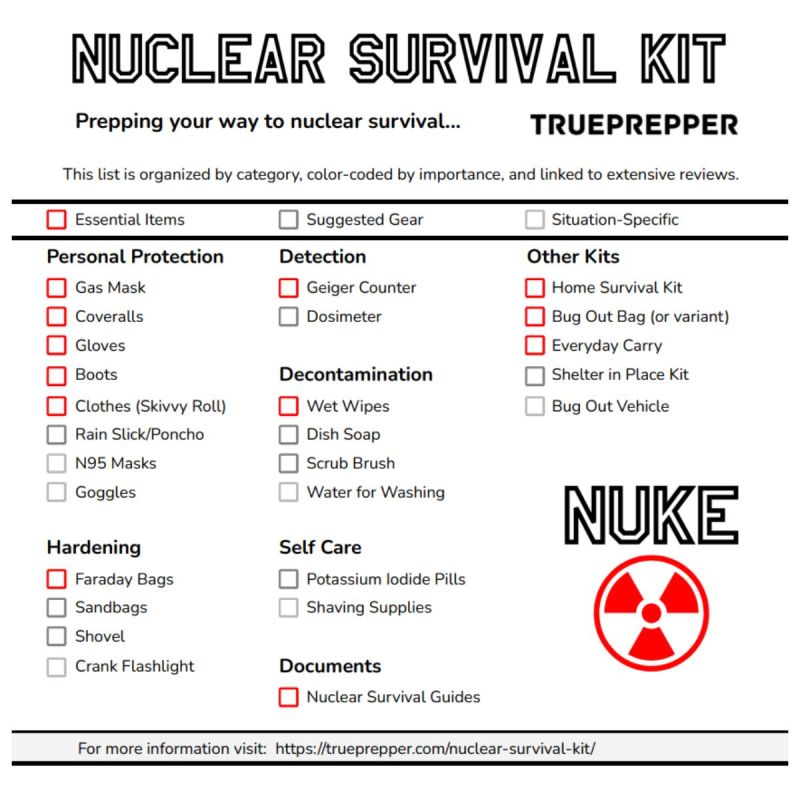
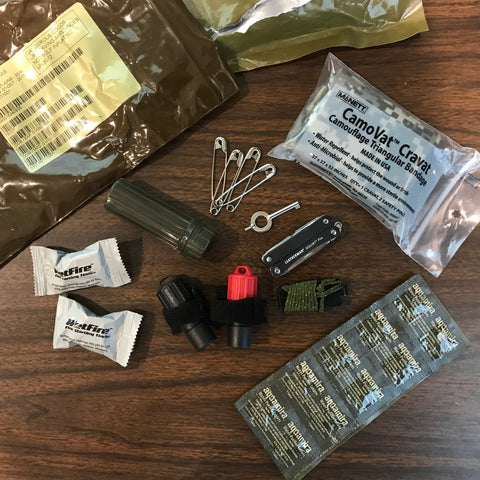
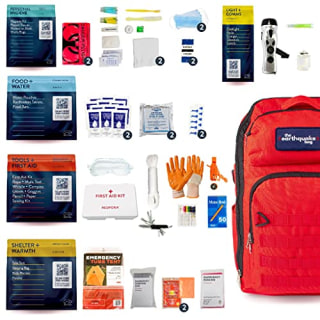
A survival kit must have the right basic items to help you stay safe. These essentials keep you alive and comfortable in tough situations. Each item has a clear purpose. They provide water, food, shelter, and safety. Knowing what to pack makes a big difference.
Water And Hydration Tools
Water is the most important survival need. Carry a durable water bottle or hydration bladder. Include water purification tablets or a small filter. These tools make unsafe water safe to drink. Staying hydrated prevents serious health problems.
Non-perishable Food Items
Choose food that lasts long and needs no cooking. Good options include energy bars, nuts, and dried fruits. These foods provide energy and nutrients. Pack enough to last several days. Lightweight and compact foods save space.
Shelter And Warmth Supplies
Protection from weather is vital. A compact emergency blanket or tarp works well. Add a lightweight sleeping bag or insulated pad. Warm clothes and waterproof layers help maintain body heat. Shelter reduces risk of hypothermia and illness.
First Aid Components
A basic first aid kit is essential. Include bandages, antiseptic wipes, and pain relief tablets. Add tweezers, scissors, and adhesive tape. These supplies treat minor injuries and infections. Knowing basic first aid improves survival chances.
Fire Starting Equipment
Fire provides warmth, light, and a way to cook food. Pack waterproof matches, a lighter, and fire starters. Carrying more than one option ensures success. Fire also helps signal rescuers in emergencies.

Credit: www.servpro.com
Tools And Equipment
Your survival kit’s effectiveness heavily depends on the tools and equipment you include. These items are your hands and eyes in challenging situations. Choosing the right gear can make a difference between being stuck and staying safe.
Multi-tool And Knife
A solid multi-tool is like having a mini workshop in your pocket. It usually includes pliers, screwdrivers, scissors, and more, ready for any quick fix or unexpected task. Alongside this, a sharp, reliable knife is crucial for cutting, preparing food, or creating shelter.
Think about the last time you needed to open a package or fix a loose screw—having these tools handy saves time and frustration. Don’t settle for cheap versions; durability matters when every second counts.
Navigation Aids
Getting lost can quickly turn from an inconvenience into a crisis. A compass and a detailed map of your area are essential for finding your way when GPS signals fail. These tools help you stay oriented and plan your route effectively.
Have you ever tried navigating without a proper map? It’s confusing and risky. A small, waterproof map case can protect your map from the elements, keeping your navigation tools ready at all times.
Lighting Sources
Darkness can be your biggest enemy in survival situations. Reliable lighting like a headlamp or a flashlight lets you work hands-free and keep your surroundings visible. Don’t forget extra batteries or a hand-crank option to avoid being left in the dark.
Imagine trying to set up a shelter or find your way back after sunset without light—frustrating and unsafe. Investing in quality lighting gear means you can handle the night confidently.
Cordage And Repair Items
Strong cordage, like paracord, is incredibly versatile. You can use it to build shelter, secure gear, or even create a makeshift tourniquet. Adding duct tape and safety pins rounds out your repair kit, fixing everything from torn clothing to broken equipment.
Have you ever needed to fix a torn backpack or secure a loose strap on the go? These simple items solve many problems quickly. Always pack more cordage than you think you’ll need—its uses multiply in survival scenarios.
Personal Safety Items
Your survival kit is only as strong as the personal safety items you include. These essentials protect you from immediate dangers and help others find you if you’re in trouble. Think about the last time you were outdoors—did you have easy access to tools that could signal for help or shield you from harm?
Emergency Whistle
An emergency whistle is a small but powerful tool. Its sharp, loud sound can carry much farther than your voice, especially when you’re injured or exhausted. Carry one that produces at least 100 decibels—enough to cut through the noise of a forest or urban chaos.
Keep it attached to your kit or worn around your neck so it’s always within reach. Have you ever tried shouting for help in a storm or dense woods? A whistle can save your breath and increase your chances of being heard.
Signal Mirrors And Flares
Signal mirrors are lightweight, simple tools that use sunlight to catch the attention of rescuers miles away. Unlike a flashlight, they don’t rely on batteries, making them reliable in long-term emergencies. Practice aiming your mirror at reflective surfaces like a passing plane or distant boat to maximize your chances.
Flares add another layer of visibility, especially at night. Choose flares that are easy to ignite and burn brightly for several minutes. Remember, using a flare requires caution—always ensure you have a safe, clear area to launch it.
Protective Clothing
Protective clothing is more than just comfort; it’s a barrier against environmental hazards. Include durable gloves, sturdy boots, and weather-appropriate layers in your kit. These items protect you from cuts, insect bites, extreme temperatures, and more.
Imagine trekking through rough terrain—without proper footwear, a simple stumble could turn into a serious injury. You don’t want your clothing to slow you down or make your situation worse. How prepared is your gear to handle unexpected weather or terrain?
Packing And Maintenance Tips
Packing and maintaining a survival kit demands careful thought. A well-packed kit saves time during emergencies. Regular maintenance keeps your gear ready and reliable. Adjusting contents based on your environment boosts survival chances. Each step ensures your kit serves its purpose effectively.
Choosing The Right Container
Select a container that is durable and waterproof. It should be easy to carry and open quickly. Compact size helps to store and transport without hassle. Consider containers with compartments for better organization. Clear or labeled containers make items easy to find.
Regular Kit Updates
Check your kit every six months to replace expired items. Food, water, and medications need frequent renewal. Inspect batteries and electronics to ensure they work properly. Remove items that are no longer useful or damaged. Keep a checklist to track your kit’s contents and condition.
Customizing For Environment
Adapt your kit based on climate and terrain. In cold areas, add extra blankets and warm clothing. For hot climates, include sunscreen and hydration tablets. Coastal kits should have waterproof gear and fishing supplies. Urban kits may focus on first aid and tools for shelter.
Additional Survival Accessories
Survival kits need more than just basics. Additional survival accessories improve safety and comfort. These tools help in tough conditions and keep you connected and powered. Choosing the right extras can make a big difference in emergencies.
Water Purification Methods
Clean water is crucial for survival. Carrying water purification tools ensures safe drinking water. Common methods include:
- Portable water filters that remove bacteria and dirt.
- Water purification tablets that kill germs quickly.
- UV light purifiers that use ultraviolet rays to disinfect water.
- Boiling water to eliminate harmful pathogens.
Each method suits different situations. Combining options increases reliability.
Emergency Communication Devices
Staying in touch during an emergency can save lives. Basic phones may not work everywhere. Consider these devices:
- Two-way radios for local communication without cell service.
- Satellite phones that connect anywhere on the planet.
- Personal locator beacons to send distress signals.
- Whistles or signal mirrors for close-range alerts.
Choose devices based on your location and risks.
Portable Power Sources
Power keeps essential gear running. Portable sources provide energy on the go. Options include:
- Solar chargers that use sunlight to recharge devices.
- Power banks with large battery capacity for phones and lights.
- Hand-crank generators for manual power generation.
- Rechargeable batteries to reduce waste and cost.
Carrying multiple power options ensures readiness in all conditions.

Credit: www.amazon.com
Frequently Asked Questions
What Are The Essential Items In A Survival Kit?
A survival kit should include water, food, a first aid kit, a flashlight, a knife, and fire starters. These basics ensure safety, hydration, nourishment, and the ability to signal or protect yourself in emergencies.
How Much Water Should A Survival Kit Have?
Your survival kit should have at least one liter of water per person per day. Water is vital for hydration and can be stored in bottles or purification tablets for emergencies.
Why Include A First Aid Kit In A Survival Kit?
A first aid kit helps treat injuries quickly, preventing infections or worsening conditions. It includes bandages, antiseptics, pain relievers, and essential medical supplies for emergencies.
Should A Survival Kit Contain Tools For Fire Starting?
Yes, fire starters like matches or lighters are crucial. Fire provides warmth, cooks food, purifies water, and signals rescuers, making it indispensable in survival situations.
Conclusion
A good survival kit saves lives in tough times. It should have water, food, and first aid items. Tools like a knife, flashlight, and matches help a lot. Keep everything light and easy to carry. Check your kit often and replace old supplies.
Being ready means staying safe and calm. Start building your kit today for peace of mind. Simple steps can make a big difference. Ready for anything.