Have you ever wondered how many cigarettes come in a survival kit? It’s a question that might surprise you, but it’s more common than you think.
Whether you’re curious about prepping or just want to understand what’s packed for emergencies, knowing the details can change how you see these kits. You’ll discover the reasons behind including cigarettes, the typical quantities you can expect, and what it means for your survival strategy.
Keep reading—you might find the answer is more interesting than you imagined.

Credit: dodopackaging.com
History Of Cigarettes In Survival Kits
The history of cigarettes in survival kits is more than just a curious detail—it’s a reflection of past survival strategies and cultural habits. Cigarettes were once considered an essential item, included alongside food, water, and basic tools. Understanding why they were part of these kits offers insight into how survival priorities have evolved over time.
Early Military Survival Kits And Cigarettes
During World War II, cigarettes were standard in many military survival kits. Soldiers received them not only for comfort but also as a way to reduce stress and maintain morale. Cigarettes were easy to carry and provided a momentary distraction from harsh conditions.
Interestingly, some survival kits included specific amounts—usually a small pack or a few individual cigarettes. This limited quantity aimed to balance comfort without risking addiction or excessive consumption in critical situations.
Cigarettes As A Barter Item
Cigarettes often served as a valuable barter item in survival scenarios. Beyond personal use, they became currency among soldiers and civilians alike. This gave them an unexpected practical value, sometimes more than food or water in certain contexts.
If you’ve ever faced scarcity, you know how small items can gain huge importance. Cigarettes in survival kits highlight this reality vividly.
Shift Away From Cigarettes In Modern Survival Kits
Today, the inclusion of cigarettes in survival kits has largely disappeared. Health awareness and changing attitudes about smoking play a big role in this shift. Modern kits focus more on essentials that directly support health and survival, like first aid supplies and water purification tools.
Would you still consider cigarettes essential if faced with an emergency now? This question challenges you to rethink what truly matters when preparing for survival.

Credit: primecustomizeboxes.com
Purpose Of Including Cigarettes
Cigarettes have been included in survival kits for many years. Their role goes beyond just smoking. These small items serve practical and psychological needs during tough times. Understanding their purpose helps explain why they were often packed in survival gear.
Stress Relief And Morale Boost
Survival situations cause high stress and anxiety. Cigarettes provide a familiar comfort to calm nerves. The act of smoking can create a moment of peace and focus. This small relief helps maintain mental strength. Feeling calm can improve decision-making and endurance.
Morale is crucial in emergencies. Cigarettes act as a morale booster by offering a sense of normalcy. Holding onto small routines helps keep spirits up. This mental support can be as important as physical supplies.
Bartering In Emergency Situations
Cigarettes have long been used as trade items in crises. Their small size makes them easy to carry and share. Many people value cigarettes, making them a useful barter currency. They can be exchanged for food, water, or other essentials.
In survival scenarios, traditional money may lose value. Cigarettes become a practical alternative for trading. Their demand remains steady among smokers. This makes them a reliable asset to have in a survival kit.
Standard Contents Of Military Survival Kits
Military survival kits have long been essential tools designed to support soldiers in extreme situations. These kits are packed with items that cover basic survival needs such as shelter, food, water, and first aid. Understanding what typically comes inside these kits can give you a better idea of how soldiers prepared for harsh environments and how the contents evolved over time.
Common Items And Their Uses
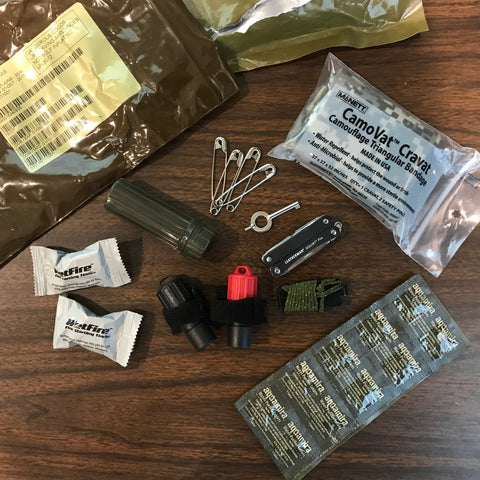
Survival kits usually include a variety of tools and supplies that serve multiple purposes. Here are some of the standard items you might find:
- Fire-starting tools:Matches or a lighter to create warmth and signal for help.
- Water purification tablets:To make unsafe water drinkable in emergencies.
- Basic first aid supplies:Bandages, antiseptic wipes, and pain relievers for treating injuries.
- Knife or multi-tool:Essential for cutting, building shelter, or preparing food.
- Fishing line and hooks:To catch food if necessary.
- Compass:Helps with navigation when lost.
- Cigarettes:Surprisingly, a small number of cigarettes were often included.
You might wonder why cigarettes were part of survival kits. Beyond smoking, they served as a form of barter or a way to calm nerves during stressful moments. This practical inclusion highlights how survival kits were thoughtfully prepared not just for physical survival, but also for maintaining morale.
Variations Across Different Eras And Regions
Survival kits have changed based on the era and location of deployment. For example, World War II kits from the U.S. military included around 10 cigarettes, along with a small pack of matches and a safety razor blade. These items aimed to provide comfort and practicality in the field.
In contrast, modern survival kits tend to exclude cigarettes due to health concerns and instead focus more on advanced tools like water filters and emergency food rations. However, some special forces units may still include items like nicotine gum or other aids to manage stress.
Regional differences also impact kit contents. Kits designed for jungle warfare might have more insect repellent and machetes, while those for arctic conditions emphasize thermal blankets and cold-weather gear. This shows how survival kits adapt to the specific challenges you might face.
Have you ever considered which items you would prioritize in your own survival kit? Understanding the standard contents used by the military can help you build a kit tailored to your needs and environment.

Credit: flickpack.com
Controversies And Health Implications
The inclusion of cigarettes in survival kits has sparked many debates over the years. While some saw them as a morale booster or a stress reliever for soldiers, others raised serious concerns about the health risks involved. Understanding these controversies helps us see the full picture beyond the simple question of “how many cigarettes” were included.
Impact On Soldiers’ Health
Cigarettes were often handed out to soldiers as part of their survival kits during wartime. Many soldiers believed smoking helped them cope with stress and boredom. However, the long-term effects were harsh—lung diseases, heart problems, and addiction were common among veterans.
Some soldiers shared stories about how smoking became a daily habit in the trenches, not just a casual pastime. This habit sometimes worsened their overall health, affecting their stamina and recovery. Would you consider a habit worth the cost of your health, especially in extreme conditions?
Changing Attitudes Towards Smoking
Back then, smoking was seen as a social norm, even encouraged by military officials. Over time, medical research revealed the dangers of tobacco, leading to stricter policies in the military and beyond. Today, survival kits rarely include cigarettes, reflecting this shift.
This change shows how society’s view on health can evolve with new information. It challenges you to think about what habits you accept without question. Are there other common practices today that might be reconsidered tomorrow?
Current Practices And Regulations
Survival kits have evolved a lot over the years. The contents now reflect modern health standards and practical needs. Cigarettes, once common in these kits, are now rarely included due to changing health views and regulations. Understanding current practices helps clarify why cigarettes are mostly excluded today.
Modern Survival Kits Contents
Today’s survival kits focus on essentials for health and safety. Typical items include:
- Water purification tablets
- First aid supplies
- Emergency food rations
- Fire starters
- Flashlights and batteries
- Multi-tools
Items that support well-being and survival take priority. Cigarettes are often left out because they don’t aid survival and can harm health.
Health Regulations And Policy Changes
Health authorities worldwide have pushed for reduced tobacco use. Many countries banned tobacco in emergency kits issued by government agencies.
Policies now favor items that promote health and reduce risks. Cigarette inclusion conflicts with these goals. Regulations focus on preventing addiction and health problems.
Emergency preparedness programs aim to encourage healthy habits. This shift explains why cigarettes disappeared from most survival kits.
Public Perception And Cultural Impact
Public perception and cultural impact shape how survival kits with cigarettes are viewed. Cigarettes in these kits often spark debate. Some see them as essential for stress relief. Others focus on the health risks. This mix affects how survival kits are marketed and used.
Media Representation
Movies and TV shows often show cigarettes in survival kits. Characters use them to calm nerves or bond. This portrayal adds a rugged, tough image. It links smoking with survival skills and resilience. Advertisements sometimes highlight cigarettes as part of emergency gear. This keeps the idea alive in public minds.
Cultural Significance Of Smoking In Crisis
In many cultures, smoking is a social activity during hard times. It offers a moment of peace and connection. Sharing cigarettes can build trust among group members. Some see smoking as a symbol of endurance and hope. This cultural view helps explain why cigarettes appear in survival kits. It goes beyond habit to emotional support.
Frequently Asked Questions
How Many Cigarettes Are Usually In A Survival Kit?
Survival kits typically include 10 to 20 cigarettes. The quantity varies by brand and kit purpose. Cigarettes were once common in military kits for morale and warmth. Modern kits may exclude them due to health concerns.
Why Were Cigarettes Included In Survival Kits?
Cigarettes helped reduce stress and boredom in survival situations. They also served as a trade item or fire starter. Historically, cigarettes boosted morale among soldiers and survivors in harsh conditions.
Do All Survival Kits Contain Cigarettes Today?
No, most modern survival kits exclude cigarettes. Health awareness and regulations have reduced their inclusion. Instead, kits focus on essentials like food, water, and first aid items.
Can Cigarettes In Survival Kits Help Start Fires?
Yes, cigarettes can assist in fire starting. The tobacco and paper burn easily, helping ignite kindling. However, better fire-starting tools are now preferred in survival kits.
Conclusion
Survival kits often include a small number of cigarettes. These served as a trade item or a comfort in tough times. Knowing this helps us understand past survival strategies better. Cigarettes were not about smoking but survival value. Today, survival kits focus more on essentials like food and water.
Still, the history of cigarettes in kits shows how people adapted. Remember, survival is about using what’s available smartly. Every item had a purpose. This small detail tells a bigger story of human resourcefulness.