When an emergency strikes, having the right food on hand can make all the difference for you and your family. But what type of food should you store to stay safe, healthy, and comfortable during uncertain times?
Choosing the right supplies isn’t just about filling a shelf—it’s about preparing smartly so you can stay nourished and calm when it matters most. You’ll discover exactly what foods to stock up on, how to keep them fresh, and why some choices work better than others.
Keep reading to make sure your emergency food supply is ready for anything.

Credit: www.msn.com
Calorie-dense Staples
Calorie-dense staples are essential when preparing for an emergency. These foods provide you with the energy needed to keep your body functioning during stressful times. Choosing the right staples ensures you have long-lasting fuel without taking up too much storage space.
Grains And Cereals
Grains like rice, oats, and quinoa are excellent sources of calories and easy to store for long periods. They can be cooked in various ways, making them versatile for meal planning. Consider keeping whole grains as they offer more nutrients and fiber, which help maintain energy levels.
Instant oats or quick-cooking cereals can be lifesavers when you need a fast, warm meal. These foods stay fresh for months if stored properly, so you can rely on them in any situation. Do you have enough grains to keep your energy steady through an emergency?
Legumes And Beans
Beans, lentils, and chickpeas pack a punch with calories, protein, and fiber. They’re affordable, shelf-stable, and keep you full longer. Plus, legumes add variety to your diet, preventing meal fatigue during extended emergencies.
Dry beans take longer to cook but last for years, while canned options offer convenience. Think about how you would prepare them without power—soaking beans ahead of time or having a manual can opener ready. Which type suits your emergency plan better?
Nuts And Seeds
Nuts and seeds are small but mighty calorie sources. Almonds, walnuts, sunflower seeds, and pumpkin seeds provide healthy fats and proteins that keep hunger at bay. These snacks require no cooking and travel well, making them perfect for grab-and-go scenarios.
Be mindful of storage conditions to avoid spoilage—keep them in airtight containers away from heat. Including a variety ensures you get different nutrients and flavors. Have you thought about how these nutrient-rich snacks can boost your survival kit?
Protein Sources
Protein is a crucial nutrient to have in your emergency food supply. It helps maintain muscle mass, supports your immune system, and keeps you feeling full longer. Choosing the right protein sources can make a big difference during stressful times when fresh food might not be available.
Canned Meats And Fish
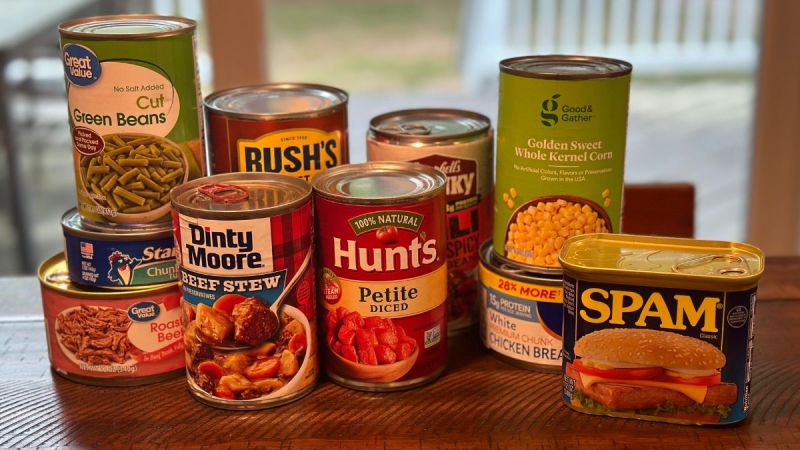
Canned meats like chicken, turkey, and beef are convenient and last for years. They require no refrigeration and can be eaten straight from the can or heated up. Canned fish such as tuna, salmon, and sardines are also packed with protein and omega-3 fats, which are great for brain health.
Look for cans with BPA-free linings for safer storage. Have you checked the expiration dates on your canned goods lately? Rotating your stock ensures you always have fresh supplies ready.
Powdered And Freeze-dried Proteins
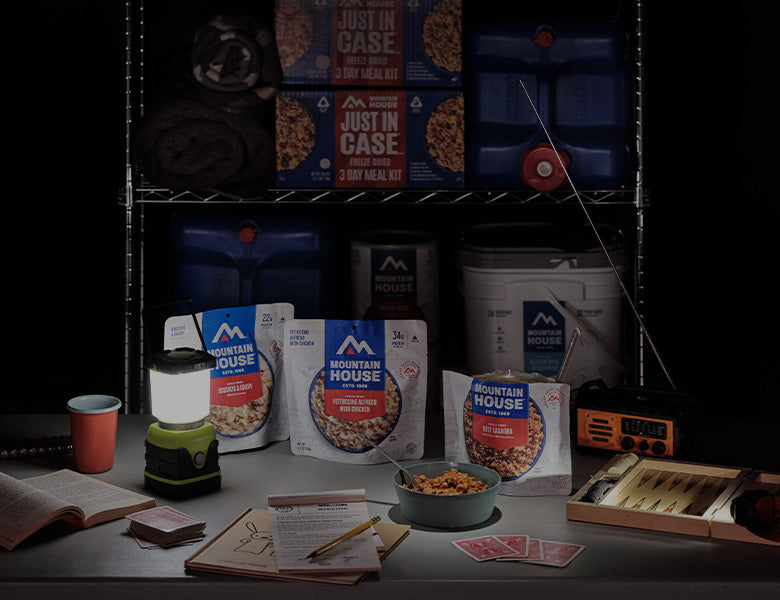
Powdered proteins, including whey, soy, or pea protein powders, are lightweight and have a long shelf life. They are easy to mix with water or add to meals for a quick protein boost. Freeze-dried meats and eggs keep most of their nutrients and flavor while being easy to store.
This type of protein is perfect if you want to save space but still keep your diet balanced. Have you tried freeze-dried chicken in your emergency kit? You might be surprised how tasty and versatile it is.
Plant-based Proteins
Beans, lentils, chickpeas, and peas are excellent plant-based protein sources. They are shelf-stable, affordable, and high in fiber. Dried or canned beans are easy to prepare and can be combined with grains for a complete protein.
Don’t forget nuts and seeds—they offer protein plus healthy fats and can be eaten as snacks or added to meals. What’s your favorite plant-based protein to keep on hand?
Fruits And Vegetables
Fresh fruits and vegetables spoil quickly and are hard to store long-term. Choose canned or dried options for emergency supplies. These keep nutrients and last longer without refrigeration.
Fruits and vegetables provide essential nutrients in emergencies. They help maintain a balanced diet and boost immunity. Including them in your emergency food storage is crucial. Different preservation methods ensure you have a variety of options.Dehydrated And Freeze-dried Options
Dehydrated fruits and vegetables are lightweight and long-lasting. They retain most of their nutrients and flavors. Simply add water to rehydrate them. Freeze-dried options offer a similar advantage. They maintain taste, texture, and nutritional value. Both are excellent for space-saving storage.Canned And Jarred Varieties
Canned fruits and vegetables are convenient and have a long shelf life. They come ready to eat and require no preparation. Jarred varieties also offer easy access to healthy foods. Choose options with low sodium and no added sugars. This helps maintain a healthier diet.Vitamin And Mineral Preservation
Preserving vitamins and minerals is key in emergency food storage. Dehydrated and freeze-dried methods keep most nutrients intact. Canned foods can lose some nutrients during processing. Still, they remain a reliable source of essential vitamins. Always check labels for nutritional information.Hydration Essentials
Hydration is the foundation of survival in any emergency. Without enough water, your body cannot function properly, and dehydration can set in quickly. You need to think beyond just storing plain water and consider how to maintain hydration safely and effectively over time.
Water Storage And Purification
Start by storing enough clean water—at least one gallon per person per day for drinking and hygiene. Use food-grade water containers and keep them in a cool, dark place to prevent contamination.
But what if your stored water runs out or gets contaminated? Having purification methods on hand is crucial. Options include water purification tablets, portable filters, or even boiling water. Each method has its pros and cons, so choose what fits your situation best.
Electrolyte Solutions
Water alone isn’t enough when you’re losing salts through sweat or illness. Electrolytes like sodium, potassium, and magnesium help your body retain fluids and keep muscles working.
Consider stocking up on electrolyte powders or ready-made drinks. You can also make your own solution by mixing water, a pinch of salt, and a bit of sugar. This simple mixture keeps you hydrated and energized when plain water falls short.
Comfort And Morale Boosters
Comfort and morale boosters are key in emergencies. Stress and uncertainty can affect mood and energy. Having familiar, tasty foods can lift spirits. These foods offer a sense of normalcy and warmth. They help people feel better during tough times. Choose items that are easy to store and enjoy.
Sweet Treats And Snacks
Sweet treats provide quick energy and pleasure. Small doses of sugar can improve mood fast. Stock up on items with a long shelf life. Consider:
- Chocolate bars
- Honey or maple syrup
- Dried fruits like raisins or apricots
- Hard candies or mints
- Nut butters for a sweet, creamy snack
Snacks keep hunger at bay between meals. Choose nutritious options for steady energy. Examples include:
- Nuts and seeds
- Granola bars
- Crackers
- Popcorn
- Trail mix
Beverages And Flavorings
Drinks add comfort and hydration. Warm or cold beverages can soothe nerves. Store easy-to-make drinks that last long. Ideas include:
- Instant coffee and tea bags
- Powdered drink mixes
- Canned or boxed juices
- Electrolyte powders
Flavorings improve bland emergency meals. Small spices and condiments make a big difference. Keep:
- Salt and pepper
- Garlic or onion powder
- Hot sauce or soy sauce packets
- Herbs like basil or oregano

Credit: www.youtube.com
Long-term Storage Tips
Storing food for emergencies isn’t just about what you buy; it’s also about how you keep it. Proper long-term storage can mean the difference between food that lasts months or years and food that goes to waste. Paying attention to packaging, rotation, and storage conditions helps ensure your emergency supply stays fresh and safe.
Packaging And Containers
Choosing the right packaging is key to protecting your food from moisture, air, and pests. Use airtight containers such as Mylar bags with oxygen absorbers or heavy-duty plastic buckets with sealed lids. Avoid thin plastic bags or paper packaging that can tear easily and expose food to spoilage.
Glass jars and vacuum-sealed bags also work well for items like dried beans or grains. Think about the size too—storing food in smaller portions makes it easier to use without exposing the entire supply to air. Have you checked your current containers for tiny holes or cracks lately?
Rotation And Shelf Life
Food doesn’t last forever, so rotating your emergency stock is essential to avoid waste. Practice the “first in, first out” rule by using older items first and replenishing with fresh supplies. Label your containers with purchase or packing dates to keep track easily.
Keep a simple checklist or inventory sheet to monitor what you have and when it expires. This helps you spot items approaching their shelf life before they go bad. How often do you review your stored food to make sure nothing has passed its prime?
Storage Environment
The place where you store your food impacts how long it will remain edible. Choose a cool, dry, and dark location to slow down spoilage and nutrient loss. Avoid areas with temperature fluctuations like garages or attics, which can shorten shelf life.
Humidity is another enemy—too much moisture invites mold and pests. Using a dehumidifier or moisture absorbers can help if your storage space is prone to dampness. What kind of environment is your emergency food facing right now?
Special Dietary Considerations
Planning your emergency food supply means thinking beyond just calories and shelf life. You need to consider your specific dietary needs to stay healthy and comfortable during tough times. Ignoring special dietary considerations can turn a survival situation into a health risk.
Allergies And Intolerances
If you or your family members have food allergies or intolerances, your emergency stash must reflect that. Avoid common allergens like nuts, dairy, gluten, or shellfish if they trigger reactions.
Label your stored food clearly to prevent accidental consumption. Keep safe alternatives on hand, such as gluten-free crackers or dairy-free milk powder. Have an emergency plan for medications like EpiPens or antihistamines ready too.
Vegetarian And Vegan Options
Maintaining a vegetarian or vegan diet during an emergency can be challenging but not impossible. Stock up on plant-based proteins like canned beans, lentils, and tofu (shelf-stable varieties).
Don’t forget nuts, seeds, and fortified cereals for essential nutrients like iron and B12. Freeze-dried fruits and vegetables offer variety and vitamins without taking much space.
Medical And Health Needs
Certain medical conditions require special diets that you must keep in mind when storing emergency food. Diabetics should have low-sugar, high-fiber options such as whole grain crackers and canned vegetables.
People with hypertension need low-sodium foods, so watch out for canned soups or processed items high in salt. If you’re on a renal diet, focus on foods low in potassium and phosphorus. Always keep your healthcare provider’s advice in mind when choosing your supplies.

Credit: trueprepper.com
Frequently Asked Questions
What Are The Best Non-perishable Foods For Emergencies?
Non-perishable foods like canned beans, rice, pasta, and dried fruits last long. They provide essential nutrients and are easy to store. Choose items with a long shelf life to ensure availability during emergencies.
How Much Emergency Food Should I Store Per Person?
Store at least a three-day supply of food per person. Ideally, keep enough for two weeks to cover extended emergencies. Calculate based on daily calorie needs and family size for proper preparedness.
Which Foods Provide The Most Energy During Emergencies?
High-calorie foods like nuts, peanut butter, and granola bars provide quick energy. They are compact, easy to store, and require no cooking. Include a mix of carbs, proteins, and fats for balanced energy.
Can I Store Fresh Foods For Emergencies?
Fresh foods spoil quickly and are not ideal for long-term storage. Instead, opt for freeze-dried or dehydrated fruits and vegetables. These retain nutrients and have a longer shelf life.
Conclusion
Choosing the right emergency food helps you stay safe and strong. Focus on foods that last long and provide good nutrition. Pick items easy to prepare without power or special tools. Keep variety to avoid boredom and get needed nutrients.
Store water and remember to check expiration dates often. Prepare your emergency food kit today for peace of mind. Simple steps now can make a big difference later. Stay ready, stay healthy, and be confident in any situation.