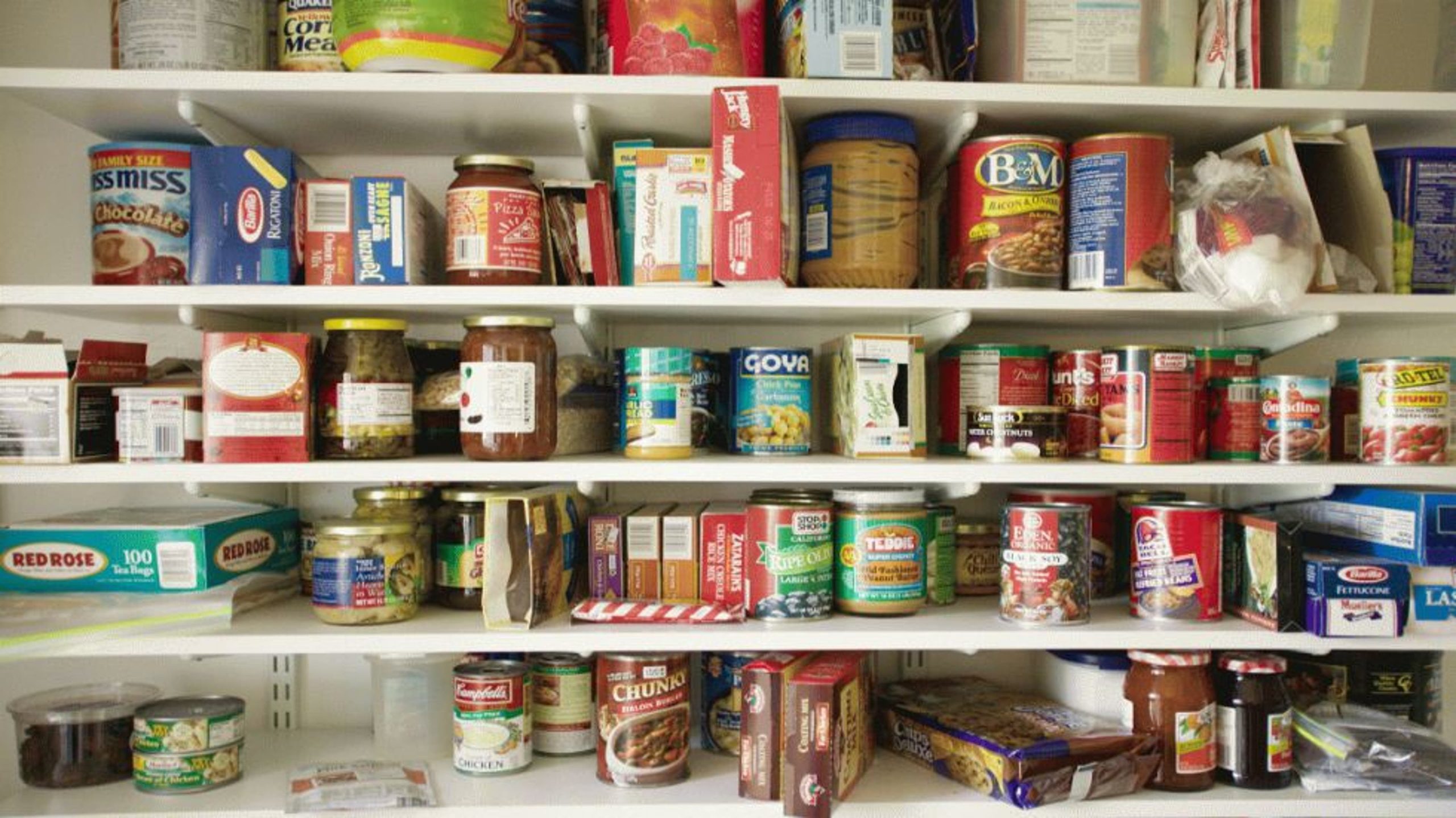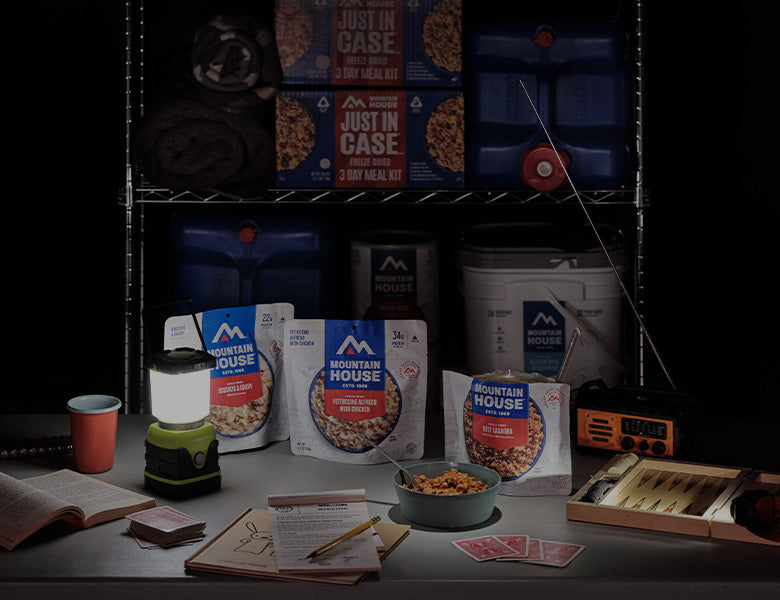
When disaster strikes, having the right emergency food can make all the difference for you and your loved ones. But where do you find reliable, long-lasting food that’s easy to store and ready when you need it most?
You want options that won’t let you down, and choices that fit your budget and lifestyle. You’ll discover the best places to buy emergency food—so you can feel confident and prepared, no matter what comes your way. Keep reading to learn how to make smart choices that protect your family’s future.
Online Retailers
Online retailers offer a wide range of emergency food options. They provide easy access to various products from the comfort of your home. Online shopping saves time and often gives better prices. Many stores specialize in survival food, while others offer everyday groceries suitable for emergencies. Some services even deliver meals on a subscription basis. Here is a breakdown of the main types of online retailers for emergency food.
Specialized Emergency Food Stores
These stores focus solely on emergency food supplies. They offer long-lasting meals, freeze-dried foods, and survival kits. Customers find detailed product descriptions and storage advice here. These stores often carry trusted brands designed for emergency preparedness. They are a top choice for serious preppers and families. Quality and shelf life are key priorities.
General E-commerce Platforms
Popular e-commerce sites sell a broad range of emergency food. They include big online marketplaces where many sellers compete. These platforms often have user reviews to guide purchases. You can find canned goods, MREs, and bulk items easily. Prices vary, giving buyers options for different budgets. Delivery is usually fast and reliable.
Subscription Meal Services
Subscription services send emergency meals regularly to your door. These plans ensure you always have fresh supplies on hand. They often include ready-to-eat meals with long shelf lives. Subscribers benefit from convenience and consistent stock rotation. Some services customize boxes based on dietary needs. This option suits people who want hassle-free emergency food solutions.
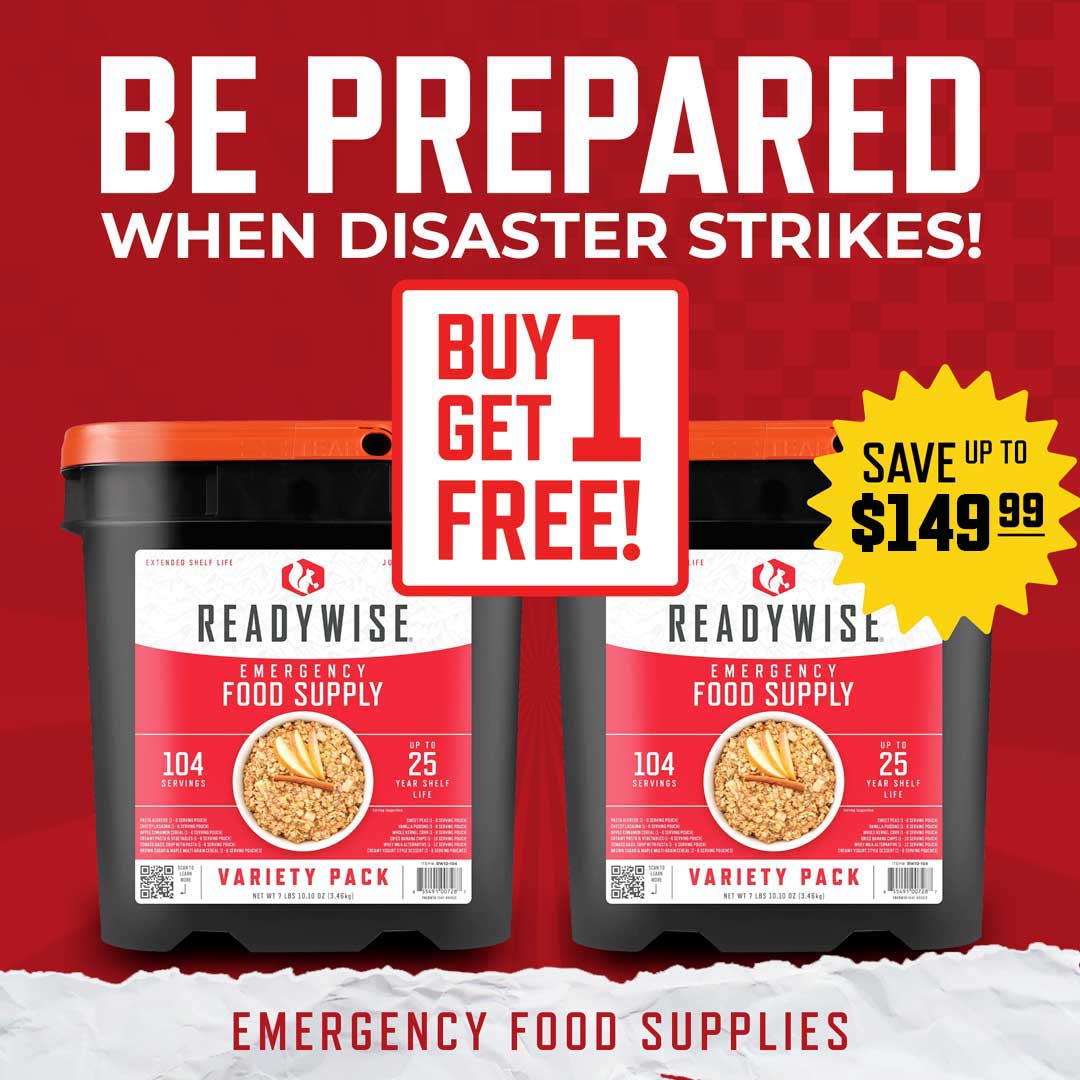
Credit: readywise.com
Local Suppliers
Buying emergency food locally offers the advantage of quick access and the chance to inspect products firsthand. Local suppliers often provide unique options that big online stores might miss. Plus, supporting nearby businesses can strengthen your community’s preparedness.
Outdoor And Survival Shops
These shops specialize in gear for camping, hiking, and survival, making them great places to find emergency food. You’ll often find freeze-dried meals, high-calorie bars, and long-lasting canned goods. Staff are usually knowledgeable and can help you choose food tailored to your specific emergency needs.
Have you checked if your local outdoor store offers sample packs? Trying out food before buying large quantities can save you from unpleasant surprises.
Health Food Stores
Health food stores often stock organic and non-GMO options suitable for emergency kits. Items like nuts, seeds, dried fruits, and whole grains are common here, providing nutritious choices that can last long when stored properly. These stores sometimes carry specialty diet items, which is helpful if you have allergies or dietary restrictions.
Next time you visit, ask if they have bulk buying options. It might reduce costs and ensure you have enough supplies.
Farmers Markets And Co-ops
Farmers markets and co-ops offer fresh and preserved goods directly from producers. You can find homemade jams, pickles, dehydrated vegetables, and even locally canned meats. These sources often use fewer preservatives, so checking expiration dates is crucial.
Consider building a relationship with vendors; they might offer seasonal deals or advice on preserving foods for emergencies. Have you ever thought about how local food traditions could enrich your emergency food supply?
Wholesale Options
When considering where to buy emergency food, wholesale options offer a cost-effective and efficient way to stock up. Purchasing in bulk not only saves money but also ensures you have ample supplies during a crisis. Here, we delve into some of the most popular wholesale options that can bolster your emergency preparedness.
Bulk Food Distributors
Bulk food distributors are an excellent choice for those seeking large quantities of emergency food. These distributors often offer a wide range of non-perishable items, such as grains, canned goods, and freeze-dried meals. By buying in bulk, you can significantly reduce the cost per unit, making it easier to build a comprehensive food supply.
Consider reaching out to local distributors or exploring online options. Websites like Augason Farms and Emergency Essentials provide a plethora of choices. Have you ever wondered how families manage to store food for years? Bulk distributors are often their secret weapon.
Warehouse Clubs
Warehouse clubs like Costco and Sam’s Club are household names for a reason. They provide a variety of bulk food options at competitive prices. Membership usually grants access to exclusive deals, making it a worthwhile investment for those serious about emergency preparedness.
Walking through the aisles of a warehouse club, you might feel overwhelmed by the sheer volume of products. But with a focused shopping list, you can efficiently gather the essentials. Have you ever left a warehouse club wondering how you managed to fill two carts? That’s the magic of bulk shopping.
Military Surplus Stores
Military surplus stores offer unique options for emergency food supplies. They often stock MREs (Meals Ready-to-Eat), which are designed for durability and long shelf life. These meals are a staple for military personnel and can be a reliable addition to your emergency food stash.
Visiting a military surplus store is like stepping into a treasure trove of survival gear. Alongside MREs, you might find other useful items like water purification tablets and camping equipment. Have you ever thought of using military-grade supplies in an emergency? It might just be the edge you need.
Food Quality And Shelf Life
Choosing emergency food isn’t just about grabbing anything that lasts long. You need to consider the actual quality and shelf life to make sure the food stays safe and nutritious when you need it most. This means understanding the types of emergency food available, checking expiration dates carefully, and knowing the nutritional value each option offers.
Types Of Emergency Food
Emergency food comes in many forms, each with different shelf lives and storage needs. Freeze-dried meals maintain flavor and nutrients for up to 25 years, making them a top choice for long-term storage. Canned goods last around 2 to 5 years but are heavier and bulkier to store.
Other options include dehydrated fruits, grains, and MREs (Meals Ready to Eat), which balance convenience and shelf life. Think about your storage space and how often you plan to rotate your stock when picking types. Have you checked what fits best in your emergency kit?
Expiration Dates
Expiration dates on emergency food matter more than you might think. They indicate the time frame for peak taste and nutritional quality, not just safety. Some foods remain edible beyond their expiration but may lose flavor and nutrients.
Make it a habit to rotate your emergency food stock regularly. Label your containers with the purchase and expiration dates to keep track easily. What system do you use to prevent your emergency food from going to waste?
Nutritional Value
Emergency food needs to fuel your body effectively, especially during stressful situations. Look for options rich in protein, complex carbs, and healthy fats to keep your energy steady. Some freeze-dried meals even include added vitamins and minerals to cover basic dietary needs.
Beware of foods high in sugar or sodium, which can dehydrate or weaken you when water is limited. Always read the nutrition labels and consider your own dietary restrictions. How well does your emergency food support your health when every bite counts?
Price And Value Comparison
Finding the right emergency food means balancing price with value. You want to ensure every dollar spent provides enough nutrition and convenience. Comparing costs and offerings helps you make smart choices that fit your budget and needs.
Cost Per Serving
Look beyond the total price and focus on the cost per serving. This number reveals the true value of your purchase. Sometimes smaller packages seem cheaper but cost more per meal.
For example, a 72-hour emergency food kit may cost $60 but offer 24 servings, making each serving $2.50. Meanwhile, a bulk bucket priced at $150 might provide 150 servings, lowering the cost to just $1 per serving.
Ask yourself: Are you paying for brand name or actual nutritional value? Checking cost per serving helps avoid overpaying for marketing.
Package Sizes
Package size affects both price and storage. Smaller packs are easier to store and carry but often cost more per meal. Larger containers save money but take up more space.
Consider your storage area and how many people you need to feed. Bulk packages work well for families or long-term prepping. Single-serve meals fit better for individuals or short-term use.
Remember, you don’t have to buy all at once. Mixing package sizes can balance convenience and savings.
Discounts And Deals
Keep an eye out for sales, coupons, and bulk discounts. Many emergency food suppliers offer special deals during certain seasons or holidays. Signing up for newsletters can give you early access to these savings.
Some stores bundle products for a lower combined price. Others reward repeat customers with loyalty points. These offers can significantly reduce your overall spending.
Have you checked if your preferred seller has a discount program? Taking a few minutes to search can save you quite a bit in the long run.

Credit: www.forbes.com
User Reviews And Ratings
User reviews and ratings offer vital insight for those buying emergency food supplies. They reveal real experiences with products beyond marketing claims. Shoppers share honest opinions on quality, taste, and service. This feedback helps you make smart choices and avoid common pitfalls.
Reliability Of Brands
Many users comment on brand consistency and product shelf life. Trusted brands often receive praise for durable packaging and long-lasting food. Some reports mention occasional quality drops or packaging issues. Reviews highlight brands that maintain standards over time. This information guides you toward dependable emergency food suppliers.
Taste And Texture Feedback
Buyers frequently discuss flavor and texture in reviews. Positive comments focus on palatable meals and easy-to-eat consistency. Negative feedback points out bland or artificial tastes. Texture complaints often include dryness or odd mouthfeel. These details help set realistic expectations about meal enjoyment.
Customer Service Experiences
Customer service reviews reveal how brands handle problems and questions. Helpful and responsive support gets high marks. Some users report delays or difficulties resolving issues. Clear communication and fast responses improve overall satisfaction. Knowing about service quality reduces risk when purchasing emergency food.
Shipping And Delivery
Getting your emergency food delivered smoothly is just as important as choosing the right products. Shipping and delivery details can affect how quickly you get your supplies and how fresh they arrive. Knowing what to expect helps you plan better and avoid last-minute surprises.
Delivery Times
Delivery times vary widely depending on the supplier and your location. Some companies offer expedited shipping that can get your order to you within 1-2 days, while others may take a week or more for standard delivery.
Think about how soon you’ll need the food. If you’re ordering for immediate preparedness, faster shipping is worth the extra cost. Have you checked if the company provides tracking? This can keep you updated and reduce anxiety about your order’s arrival.
Shipping Costs
Shipping fees can add up quickly, especially for heavy emergency food packages. Some sellers offer free shipping if you meet a minimum order amount, which can save money if you plan to buy in bulk.
Look out for hidden fees like fuel surcharges or handling charges. Comparing shipping costs between stores can help you find the best deal without sacrificing quality. Do you know how much you’re paying for shipping before you check out?
Packaging And Handling
Emergency food needs solid packaging to protect it during transit. Durable, moisture-resistant packaging keeps the food fresh and prevents damage or contamination.
Good suppliers often use sealed mylar bags, sturdy boxes, or vacuum-sealed containers. If you’ve ever received a crushed or opened box, you know how important careful handling is. Don’t hesitate to ask the seller about their packaging methods to ensure your order arrives intact.
Additional Preparedness Supplies
Emergency food is vital, but other supplies ensure full readiness. These items support survival beyond meals. They help maintain health, safety, and comfort. Proper preparation means including these essentials.
Water Storage And Filtration
Water is crucial during emergencies. Store enough clean water for daily needs. Use food-grade containers to keep water safe. Filtration devices remove harmful particles. Portable filters and purification tablets improve water quality. These tools make any water source safer to drink. Regularly check and replace stored water.
Cooking Equipment
Cooking tools allow meal preparation without power. Portable stoves and fuel are compact and reliable. Look for lightweight pots and pans for easy use. Matches, lighters, or fire starters are necessary. Choose equipment that works well outdoors. Keep supplies protected from moisture and damage.
First Aid Kits
Injuries can happen anytime during emergencies. First aid kits treat wounds and prevent infections. Kits should include bandages, antiseptics, and pain relievers. Add scissors, tweezers, and gloves for safety. Regularly update kits with fresh supplies. Knowing basic first aid skills complements the kit.

Credit: www.amazon.com
Frequently Asked Questions
Where Can I Buy Emergency Food Supplies Online?
You can buy emergency food supplies from reputable websites like Amazon, ReadyWise, and Mountain House. These sites offer a variety of long-lasting, nutritious options suitable for disaster preparedness.
What Types Of Emergency Food Are Best To Buy?
Best emergency foods include freeze-dried meals, canned goods, and dehydrated fruits. These options have long shelf lives and require minimal preparation, making them ideal for emergencies.
How Much Emergency Food Should I Buy Per Person?
It’s recommended to store at least a three-day supply of food per person. For longer preparedness, consider a two-week supply to ensure adequate nutrition and variety.
Are Emergency Food Kits Safe To Eat After Expiration?
Emergency food kits can remain safe past their expiration if stored properly. However, quality and taste may decline, so it’s best to rotate supplies regularly to maintain freshness.
Conclusion
Finding the right place to buy emergency food is important. Choose stores with quality products and good prices. Check online shops for variety and convenience. Don’t forget to read reviews before buying. Buy food that lasts long and tastes good.
Store it in a cool, dry place. Prepare now to stay safe later. Your peace of mind is worth it. Start building your emergency food supply today. Simple steps lead to better safety.