Are you worried about being prepared for unexpected emergencies but unsure if you can use your food stamps to buy emergency food kits? You’re not alone.
Many people want to make sure their families have enough food during tough times but don’t know if their benefits cover these special kits. You’ll discover exactly what you can and can’t buy with food stamps when it comes to emergency food supplies.
Keep reading to find out how to make the most of your benefits and keep your loved ones safe and fed no matter what happens.
Eligibility Of Emergency Food Kits
Understanding the eligibility of emergency food kits for purchase with food stamps is important. Many wonder if these kits fall under acceptable items for SNAP benefits. The rules focus on what counts as food and which items are allowed. This helps users know what they can buy without issues.
What Qualifies As Emergency Food Kits
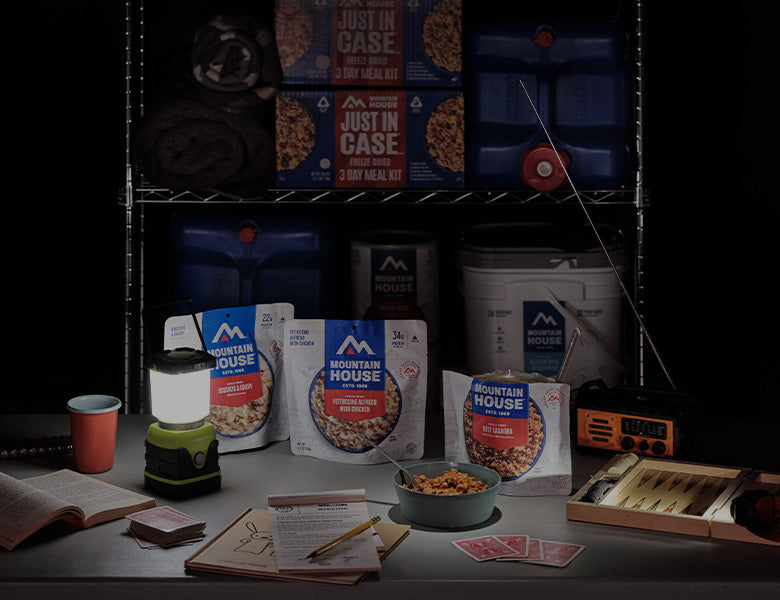
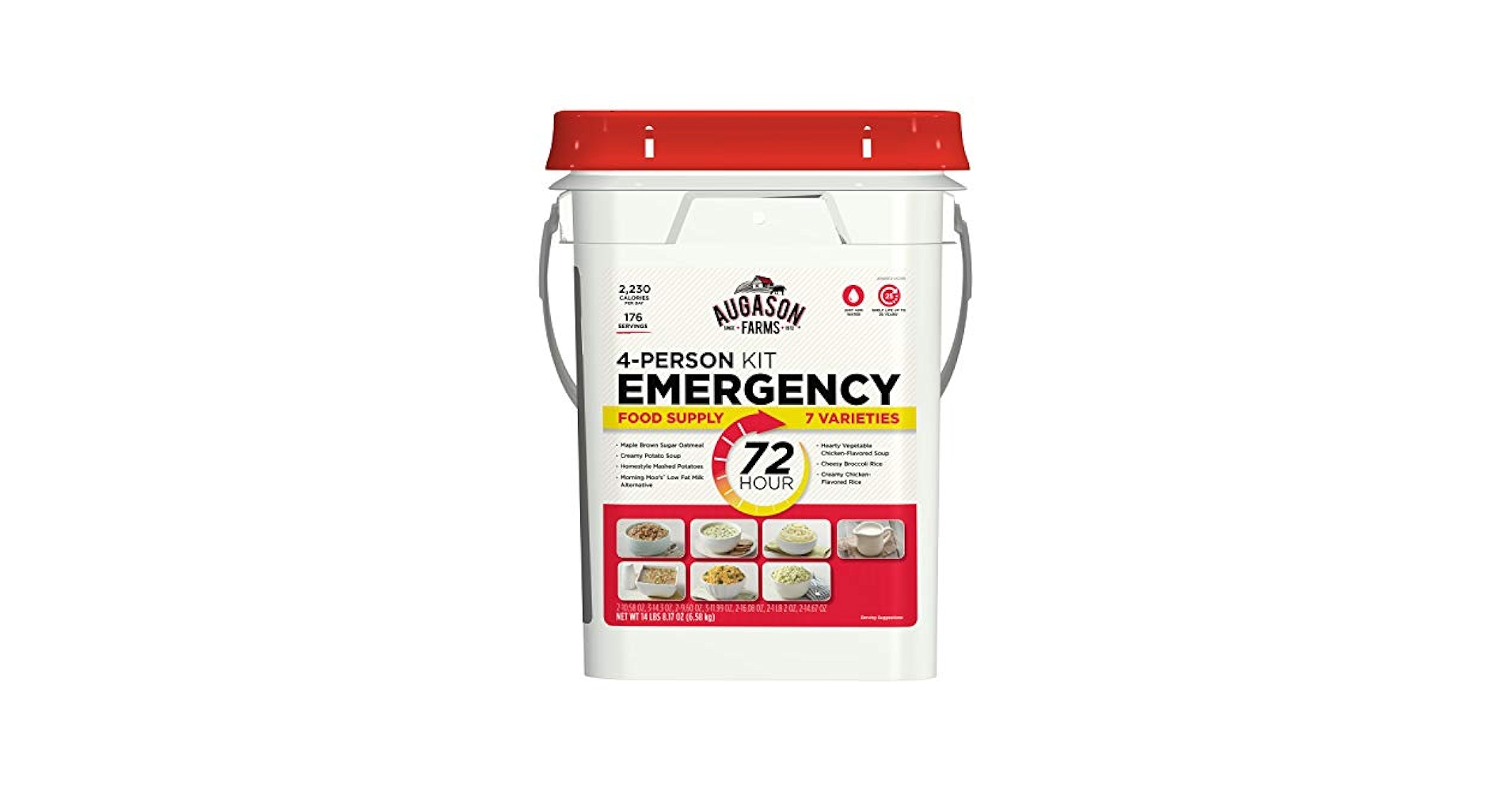
Emergency food kits usually contain non-perishable items. These include canned goods, dried fruits, nuts, and sometimes bottled water. The kits may have ready-to-eat meals or freeze-dried foods designed for survival situations. To qualify, the kit must mainly include edible food products.
Items like cooking tools, utensils, or first aid supplies do not count as food. Only the food portion of a kit can be considered for food stamps. Kits with mostly non-food items may not qualify for purchase under SNAP rules.
Snap Guidelines On Food Purchases
SNAP benefits cover most food items meant for human consumption. This includes fruits, vegetables, meats, dairy, breads, and cereals. Packaged food and drinks without alcohol are also allowed. The program excludes hot foods, vitamins, and non-food items.
Emergency food kits that contain eligible food items can be bought with food stamps. The key is that the food must be intended for home preparation or immediate consumption. Items categorized as household supplies or personal care are not eligible.

Credit: www.amazon.com
Using Food Stamps For Emergency Supplies
Using Food Stamps for emergency supplies can be a smart way to prepare without straining your budget. However, understanding what you can and cannot buy with your benefits is crucial. You might be surprised by the limits and possibilities as you plan your emergency food kit.
Types Of Approved Food Items
Food Stamps, or SNAP benefits, allow you to purchase many types of food that can be stored for emergencies. This includes:
- Canned fruits and vegetables
- Dried beans and rice
- Peanut butter and canned meats
- Breads, cereals, and pasta
- Milk, eggs, and cheese
These items have a long shelf life and provide essential nutrients, making them ideal for emergency kits. You can also buy frozen foods if your freezer will stay operational during an outage.
Restrictions On Non-food Items
SNAP benefits do not cover non-food emergency supplies. This means you cannot use Food Stamps to buy:
- Bottled water
- Flashlights or batteries
- First aid kits or medicine
- Cooking equipment like stoves or fuel
This can be frustrating when preparing for emergencies, so you’ll need to budget separately for these essentials. Have you considered setting aside a small emergency fund just for these non-food items?
Where To Buy Emergency Food Kits
Finding the right place to buy emergency food kits can be challenging. Especially if you are using food stamps. Knowing where to shop is essential for making wise decisions. Below, we explore various options to help you find emergency food kits easily.
Authorized Retailers Accepting Food Stamps
Many authorized retailers accept food stamps for emergency food kits. Large grocery stores often have a dedicated section for such kits. Stores like Walmart and Target usually carry a variety of options. Local supermarkets might also stock emergency food kits. Always check if the store accepts EBT cards before shopping.
Farmers markets can also be a good place to buy emergency food supplies. Some markets accept food stamps and offer fresh produce. These can be useful additions to your emergency supplies.
Online Shopping Options And Limitations
Shopping online for emergency food kits is convenient. Websites like Amazon and Walmart offer many options. But, using food stamps online has limitations. Not all online platforms accept EBT cards. Always verify if the website accepts food stamps before purchasing.
Some online retailers might have delivery charges. This can increase the overall cost. Plan your purchases accordingly to avoid unexpected expenses. Reading reviews can also help in choosing the right kit for your needs.
Alternative Options For Emergency Food
Finding reliable emergency food options can feel overwhelming, especially if you’re unsure about what your benefits cover. While food stamps often have restrictions on what you can buy, there are other resources designed to help you during tough times. Knowing where to turn beyond your usual grocery trips can make a real difference when you need food fast.
Local Food Banks And Community Programs
Local food banks are a direct lifeline for many people facing food insecurity. These organizations often provide emergency food kits tailored to last several days or weeks. You might be surprised how simple it is to access these resources—many require just a quick visit or a phone call.
Community programs also run meal sites and distribute food directly to families. They sometimes offer culturally appropriate foods or items suited for specific dietary needs. Have you checked with your local church, community center, or nonprofit? These places often have emergency food supplies ready to share.
Government Assistance During Disasters
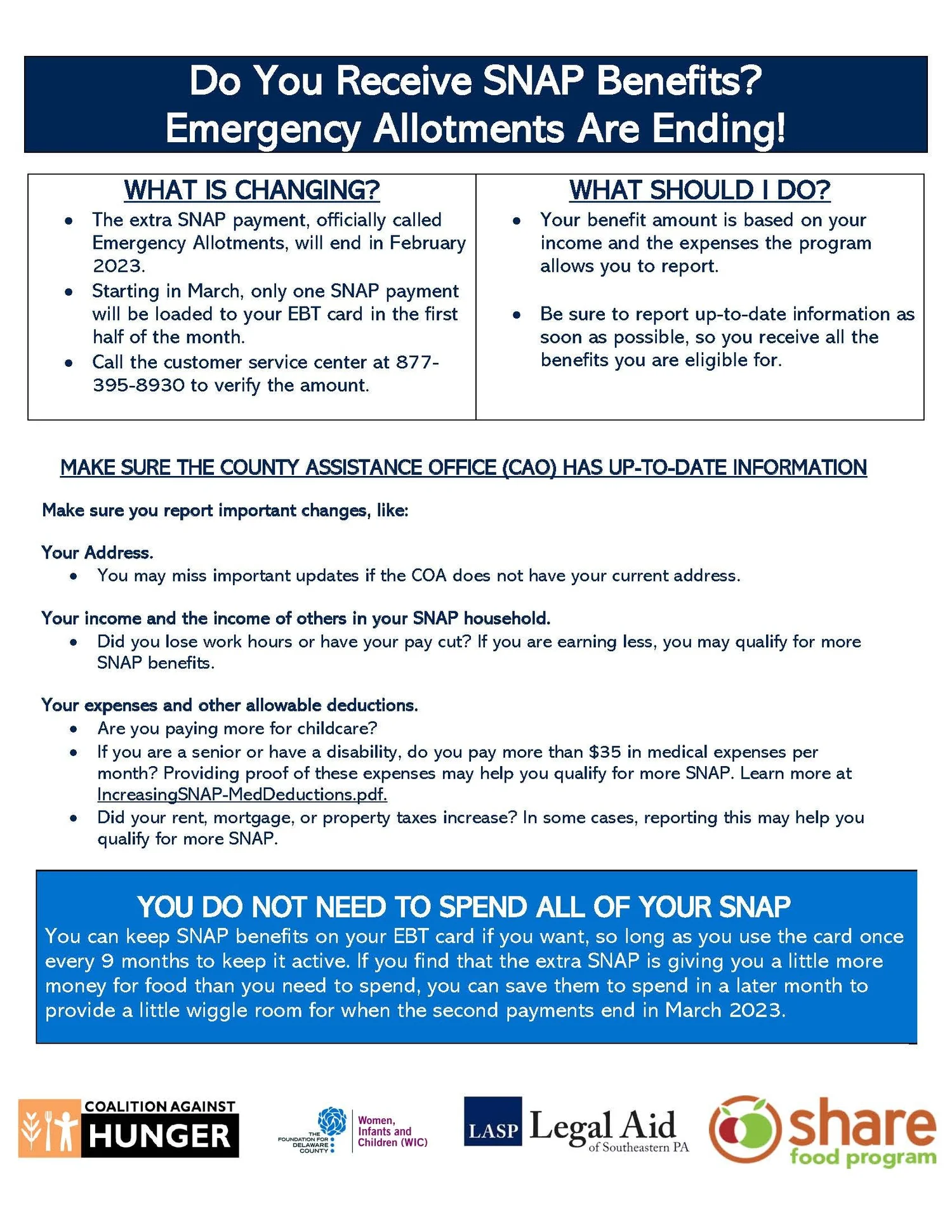
When emergencies strike, federal and state governments often step in with extra help beyond your regular food stamps. Programs like the Disaster Supplemental Nutrition Assistance Program (D-SNAP) provide temporary food benefits to people affected by natural disasters.
These benefits can cover emergency food kits and essential supplies that aren’t normally allowed under standard food stamps. Staying informed about disaster declarations and local government announcements can give you an edge in accessing these temporary supports. Are you signed up for local emergency alerts? They often include information about available food assistance during crises.
Tips For Choosing Emergency Food Kits
Choosing the right emergency food kit is important for safety and comfort. The kit should provide enough nutrition and last long on the shelf. It must also be easy to carry and prepare during emergencies. These tips help you pick a kit that meets your needs and situation.
Nutritional Value And Shelf Life
Check the nutrition facts on the package. Look for kits with a good balance of protein, carbs, and fats. Vitamins and minerals are important too. Avoid kits with too much sugar or salt.
Long shelf life means the food stays good for years. This is key for emergencies when fresh food is unavailable. Some kits last 5 to 25 years. Choose one that matches your storage space and plan.
Portability And Preparation Requirements
Choose kits that are easy to carry. Lightweight and compact kits fit better in backpacks or small storage areas. Consider how many people the kit serves and the size of portions.
Look at how to prepare the food. Some kits need only water, while others require cooking. Pick kits that match your cooking tools and water availability. Ready-to-eat kits save time and effort.
Credit: www.walmart.com

Credit: www.walmart.com
Frequently Asked Questions
Can You Use Food Stamps To Buy Emergency Food Kits?
No, food stamps (SNAP benefits) generally cannot be used to buy emergency food kits. SNAP covers most grocery items but excludes prepared meals or kits designed for long-term storage.
What Items Are Allowed With Food Stamps?
Food stamps can buy fruits, vegetables, meat, dairy, bread, and cereals. Non-food items, alcohol, and hot foods are excluded from purchase.
Are Emergency Food Kits Considered Grocery Items?
Emergency food kits are usually classified as non-standard grocery items. Thus, they are not eligible for purchase with SNAP benefits in most states.
Can You Buy Canned Foods With Food Stamps?
Yes, canned foods like vegetables, fruits, and meats are eligible for purchase using food stamps. They are shelf-stable and part of standard groceries.
Conclusion
Emergency food kits offer safety during tough times. Food stamps can buy many essential food items. Yet, some kits may not qualify for purchase. Always check store policies before you shop. Planning ahead helps you stay prepared and calm. Keeping extra food ready supports your family’s health.
Small steps today can protect you tomorrow. Choose wisely and stay safe with smart food choices.