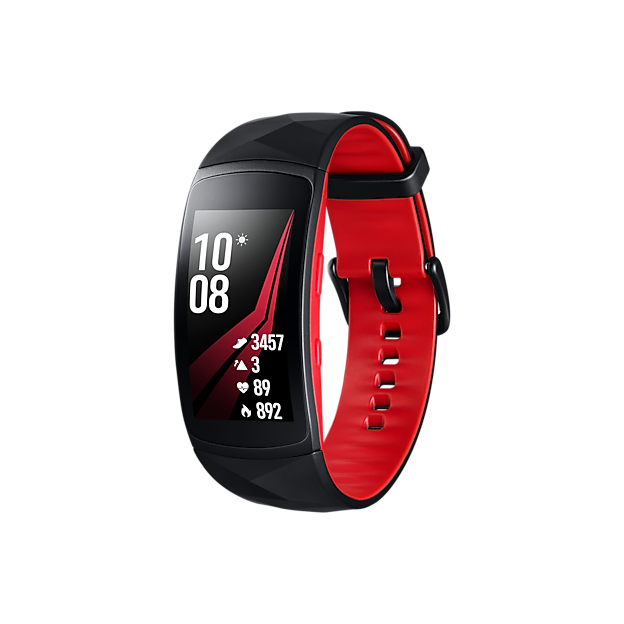
Are you curious if your Samsung Gear Fit 2 can keep an eye on your sleep patterns? Understanding how well you sleep is key to improving your health and energy.
But does this popular fitness tracker give you accurate sleep data? You’ll discover how the Gear Fit 2 monitors your sleep, what kind of information it provides, and whether it’s reliable enough to help you improve your rest. Keep reading to find out if this device is the right tool for tracking your nights.
Samsung Gear Fit 2 Sleep Features
The Samsung Gear Fit 2 offers a variety of sleep features that help you understand your nightly rest better. Its sleep tracking functions aim to provide detailed insights into how well you sleep, helping you identify patterns and improve your overall sleep quality. Let’s take a closer look at what makes the Gear Fit 2 a useful companion for monitoring your sleep.
Sleep Tracking Technology
The Gear Fit 2 uses a combination of sensors to monitor your sleep. It primarily relies on an accelerometer to detect your movements and a heart rate sensor to gauge your pulse during the night. This combination allows it to estimate when you fall asleep, wake up, and the different stages of your sleep cycle.
Unlike some devices that only track movement, the inclusion of heart rate data helps the Gear Fit 2 understand your sleep depth better. Have you noticed that your heart rate tends to slow down during deep sleep? The Gear Fit 2 picks up on these subtle changes to improve sleep stage detection.
Types Of Sleep Data Recorded
The device records several key sleep metrics to give you a full picture of your rest. These include:
- Total sleep duration:How many hours you actually slept.
- Sleep stages:Time spent in light, deep, and REM sleep phases.
- Awake time:Periods when you were awake during the night.
- Sleep consistency:Patterns in your bedtime and wake-up times.
Seeing this data can help you identify if you’re getting enough restorative sleep or if frequent awakenings are disrupting your rest. Tracking these details over time allows you to spot trends you might miss otherwise.
Accuracy Of Sleep Monitoring
The Gear Fit 2 provides reasonably accurate sleep data for its price point, but it has some limitations. It performs well in detecting overall sleep duration and awake times but can sometimes misclassify sleep stages, especially REM sleep. This is typical for wrist-worn trackers that don’t have access to brainwave data.
Still, many users find the sleep insights helpful for making small adjustments to their sleep habits. If you want highly precise sleep analysis, a clinical sleep study is necessary, but the Gear Fit 2 gives you a solid starting point. Have you tried comparing your tracker’s data with how rested you feel in the morning? That personal feedback often helps you interpret the numbers better.

Credit: newatlas.com
Setting Up Sleep Tracking
Setting up sleep tracking on the Samsung Gear Fit 2 is straightforward and can provide valuable insights into your rest patterns. Before you can start analyzing your sleep data, you need to configure a few settings on your device and pair it properly with the Samsung Health app. This setup ensures that your sleep is monitored accurately and the results are easy to review.
Enabling Sleep Mode
To begin tracking your sleep, you first need to enable Sleep Mode on your Gear Fit 2. This mode lets the device know when to start monitoring your rest without manual intervention.
Simply swipe through the menu on your Gear Fit 2 until you find the Sleep Mode option. Tap it to activate, and your watch will automatically detect when you fall asleep based on your movements and heart rate.
Have you noticed how some nights your watch misses sleep tracking? Enabling Sleep Mode helps reduce those gaps by signaling the device to focus on sleep data only during relevant hours.
Syncing With Samsung Health App
Once Sleep Mode is enabled, syncing your Gear Fit 2 with the Samsung Health app becomes essential. This connection lets you view detailed sleep reports and trends over time.
Open the Samsung Health app on your smartphone and ensure Bluetooth is on. Your Gear Fit 2 should appear under connected devices—tap to sync data.
Regular syncing means you won’t miss any updates. Have you ever checked your sleep stats only to find outdated information? Syncing frequently keeps your data fresh and actionable.
Customizing Sleep Goals
Setting personalized sleep goals can motivate you to improve your rest quality. The Samsung Health app allows you to customize these goals based on how many hours of sleep you want each night.
Go to the Sleep section in the app, then select “Set Sleep Goal.” Here, you can choose your target bedtime and wake-up time tailored to your lifestyle.
Adjusting your goals encourages consistency. What if tracking your sleep could actually help you wake up feeling more refreshed? Custom goals make this possible by giving you a clear target to aim for.
Interpreting Sleep Data
Understanding the sleep data from your Samsung Gear Fit 2 can be insightful. It not only shows how long you sleep but also the quality. This data helps you improve your sleep patterns and overall health.
Sleep Stages Explained
The Samsung Gear Fit 2 tracks different sleep stages. These include light, deep, and REM sleep. Light sleep is when you are easily awakened. Deep sleep is restorative and crucial for physical recovery. REM sleep is important for mental health and memory. Knowing these stages helps you understand your sleep quality better.
Sleep Score And Trends
The device provides a sleep score based on your sleep duration and quality. A higher score means better sleep. You can also track trends over time. This helps spot patterns, such as consistent late nights. Noticing these trends can guide changes for better rest.
Identifying Sleep Issues
Your Gear Fit 2 can help spot sleep problems. Short sleep duration or too little deep sleep may indicate issues. Frequent awakenings could be a sign of disturbance. Identifying these can prompt you to seek solutions, like improving your sleep environment.
Credit: www.tomsguide.com
Benefits Of Sleep Tracking
Tracking your sleep with devices like the Samsung Gear Fit 2 offers more than just numbers on a screen. It gives you a clear view of your rest patterns, helping you make smarter choices about your health. Understanding these benefits can motivate you to pay closer attention to how you sleep every night.
Improving Sleep Quality
Sleep tracking helps you identify how long and how well you sleep. You might discover that you spend too much time awake during the night or miss out on deep sleep phases. With this information, you can adjust your bedtime routine, reduce caffeine, or create a better sleeping environment.
Have you noticed how small changes in your evening habits affect your rest? Seeing the data can guide you to improve those habits more effectively than guessing.
Enhancing Daily Performance
Good sleep directly impacts your energy, focus, and mood. Tracking your sleep patterns reveals if you’re getting enough restorative rest to perform at your best. When you know you didn’t sleep well, you can plan lighter tasks or take breaks during the day.
Imagine avoiding that mid-afternoon slump just by adjusting your bedtime by 30 minutes. Sleep data gives you the power to make those adjustments confidently.
Long-term Health Insights
Consistent sleep tracking builds a record that highlights trends and potential health issues. Poor sleep over time can lead to serious conditions like high blood pressure or diabetes. Monitoring your sleep helps you catch problems early and discuss them with your doctor.
Have you ever wondered how your sleep might be affecting your overall health? Regular tracking turns this question into actionable answers, helping you stay ahead of health risks.
Limitations Of Gear Fit 2 Sleep Tracking
The Samsung Gear Fit 2 offers sleep tracking features that many find useful for monitoring their rest patterns. However, it’s important to understand its limitations to set realistic expectations. Knowing these drawbacks can help you decide if it fits your personal needs or if you should consider alternatives.
Potential Inaccuracies
Sleep tracking on the Gear Fit 2 relies mainly on movement and heart rate data. This method can sometimes misinterpret quiet wakefulness as light sleep or fail to detect brief awakenings.
For example, if you lie still but stay awake, the device might record this as sleep. Have you noticed your tracked sleep hours don’t always match how rested you feel?
Battery Life Impact
Continuous sleep tracking drains the Gear Fit 2’s battery faster than just using it for daily step counting. If you track sleep every night, you might find yourself charging the device more frequently, sometimes daily.
This can be inconvenient if you prefer to wear your tracker 24/7 without interruptions. Balancing battery life and consistent sleep data can be a challenge.
Comparison With Other Devices
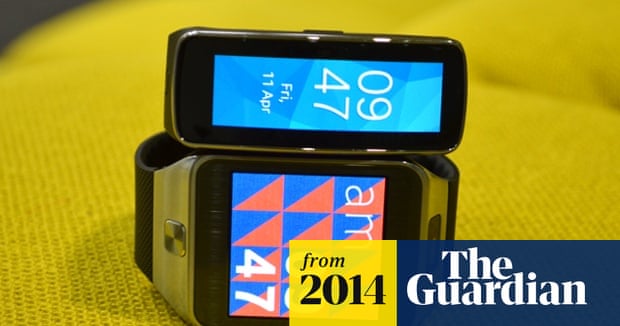
Compared to newer models and other brands, the Gear Fit 2’s sleep tracking is basic. Devices like Fitbit or Garmin offer more detailed sleep stage analysis and better accuracy.
Still, Gear Fit 2 holds value for those who want simple sleep data without extra cost. Ask yourself if you need detailed sleep insights or just a general idea of your rest patterns.
Credit: www.theguardian.com
Tips For Better Sleep Monitoring
Monitoring sleep with the Samsung Gear Fit 2 can improve your rest quality. Accurate tracking depends on simple habits and device care. Follow these tips to get the best results from your device and understand your sleep patterns clearly.
Wearing The Device Correctly
Place the Gear Fit 2 snugly on your wrist, just above the wrist bone. Avoid wearing it too loose or too tight. The sensors need skin contact to measure heart rate and movement accurately. Remove the device during activities that may cause sweat or water exposure to avoid errors.
Maintaining Device Updates
Keep your Gear Fit 2 updated with the latest software. Updates improve sensor accuracy and fix bugs. Connect the device to your phone regularly and check for updates in the Samsung Wearable app. Updated firmware ensures smoother sleep tracking and better data analysis.
Combining With Healthy Sleep Habits
Track sleep better by following good sleep habits. Maintain a regular sleep schedule and create a calm environment. Avoid caffeine and screen time before bed. The Gear Fit 2 works best when your body follows consistent rest patterns. This combination helps produce clear and useful sleep reports.
Frequently Asked Questions
Does Samsung Gear Fit 2 Track Sleep Automatically?
Yes, Samsung Gear Fit 2 tracks sleep automatically by detecting your movement and heart rate during the night. It analyzes sleep patterns without manual input, providing insights into your sleep quality and duration.
How Accurate Is Samsung Gear Fit 2 Sleep Tracking?
Samsung Gear Fit 2 offers reasonably accurate sleep tracking by monitoring heart rate and motion. It may not match medical devices but gives useful sleep pattern trends for better rest management.
Can I View Detailed Sleep Data On Samsung Gear Fit 2?
Yes, you can view detailed sleep data on the Samsung Health app linked to Gear Fit 2. It shows deep, light, and REM sleep stages, along with total sleep time and quality scores.
Does Gear Fit 2 Track Naps Or Only Nighttime Sleep?
Samsung Gear Fit 2 primarily tracks nighttime sleep but can also detect naps if worn during the day. However, nap tracking may be less detailed than nighttime sleep monitoring.
Conclusion
The Samsung Gear Fit 2 does track sleep with reasonable accuracy. It records your sleep stages and duration each night. This helps you understand your sleep habits better. The device works best when worn snugly during sleep. It also syncs data with your smartphone for easy review.
While not perfect, it offers useful sleep insights. Good sleep tracking can lead to better health choices. Consider this wearable if you want simple sleep monitoring. Overall, it provides helpful data without extra hassle. Sleep better by knowing your rest patterns clearly.