Are you struggling to find a safe place in Ark Survival Evolved? Building a shelter is one of the first and most important steps to survive.
Without a proper shelter, your hard-earned resources and dinos are at risk. In this guide, you will learn simple, clear steps to build a strong shelter quickly. Whether you’re new or just want to improve, this article will help you protect yourself and thrive in the wild.
Keep reading to discover how to create a shelter that keeps you safe day and night.
Choosing The Right Location
Choosing the right location for your shelter in Ark Survival Evolved can make or break your early game experience. A well-placed base not only protects you from threats but also sets you up for efficient resource gathering and expansion. Think about where you want to build as carefully as you plan what to build.
Factors To Consider
Start by looking at the terrain. Flat ground makes building easier and faster, while elevated spots offer better visibility and defense. Consider nearby water sources—being close to fresh water can save you time and effort.
Weather conditions also matter. Avoid areas prone to extreme heat or cold if you’re not prepared, as this will drain your resources quickly. Ask yourself: will this location support your play style—whether you prefer stealth, combat, or exploration?
Safe Zones Vs Risky Areas
Safe zones provide peace of mind but often come with limited resources or space. Building near friendly tribes or NPC bases can reduce the chance of surprise attacks. However, too much safety might slow down your progress if resources are scarce.
Risky areas, like dense forests or near aggressive creatures, are tempting because of abundant resources. The trade-off is constant vigilance and quick defenses. Have you ever found that a high-risk location turned into a rewarding challenge? It’s all about how you prepare and adapt.
Resource Availability
Check what resources are nearby before settling. Wood, stone, fiber, and metal should be within easy reach to avoid long, dangerous trips. You can use the in-game map or scout around to identify key spots.
Also, consider the growth rate of resources. Some areas regenerate resources faster, which helps maintain your shelter and tools. Think about how often you want to gather materials and whether your chosen spot supports that rhythm.
Credit: ark.fandom.com
Gathering Essential Materials
Gathering essential materials is the first and most crucial step to building a shelter in Ark Survival Evolved. Without the right resources, your shelter won’t stand against the environment or predators. Knowing what to collect and how to gather efficiently saves you time and keeps you safer.
Basic Building Resources
You need to focus on three main materials: wood, thatch, and stone. Wood is abundant and forms the framework of your shelter. Thatch is lighter and used for early structures, but it’s less durable.
Stone adds strength to your shelter’s foundation and walls. You can collect wood and thatch by hitting trees with your hands or tools. Stones usually come from rocky areas or by breaking stones on the ground.
Tools And Equipment Needed
Starting with your bare hands is possible, but having the right tools speeds up the process. A hatchet helps you gather wood and thatch faster, while a pickaxe is essential for mining stone efficiently.
Crafting these tools early makes a big difference. You can craft a stone hatchet and pickaxe quickly with basic materials. Don’t forget to keep some fiber and berries handy for crafting and healing.
Efficient Farming Techniques
Farming resources smartly means less running around and more building. Target trees that drop more wood and thatch—pines and redwoods are great for wood, while small bushes are good for thatch and fiber.
Mining near your base reduces travel time. Clear out a small area where you can gather stones and flint regularly. Have you tried setting up a dedicated gathering route? It helps keep your inventory full without wasting time.
Selecting Shelter Types
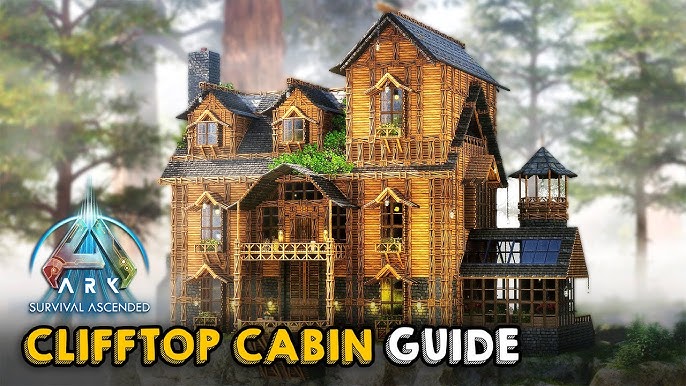
Choosing the right shelter type in Ark Survival Evolved depends on available materials and protection needs. Simple huts work well early, while stone or metal shelters offer better defense later. Consider your environment to build a safe and strong base.
Selecting the right shelter in Ark: Survival Evolved is crucial. It protects you from dangers and offers a safe space. The game offers various shelter types, each with its own benefits.Basic Huts
Basic huts are the simplest shelters. They require minimal resources. These are perfect for beginners starting out. Basic huts provide essential protection. They help you stay safe at night. Use basic huts as a starting point. Upgrade as you gather more resources.Thatched Shelters
Thatched shelters offer a step up from huts. They are easy to build and lightweight. Use fiber, wood, and thatch to construct them. Thatched shelters provide better insulation. They protect you from weather changes. But be cautious. They are not very durable against attacks. Upgrade to stronger structures when possible.Wooden And Stone Structures
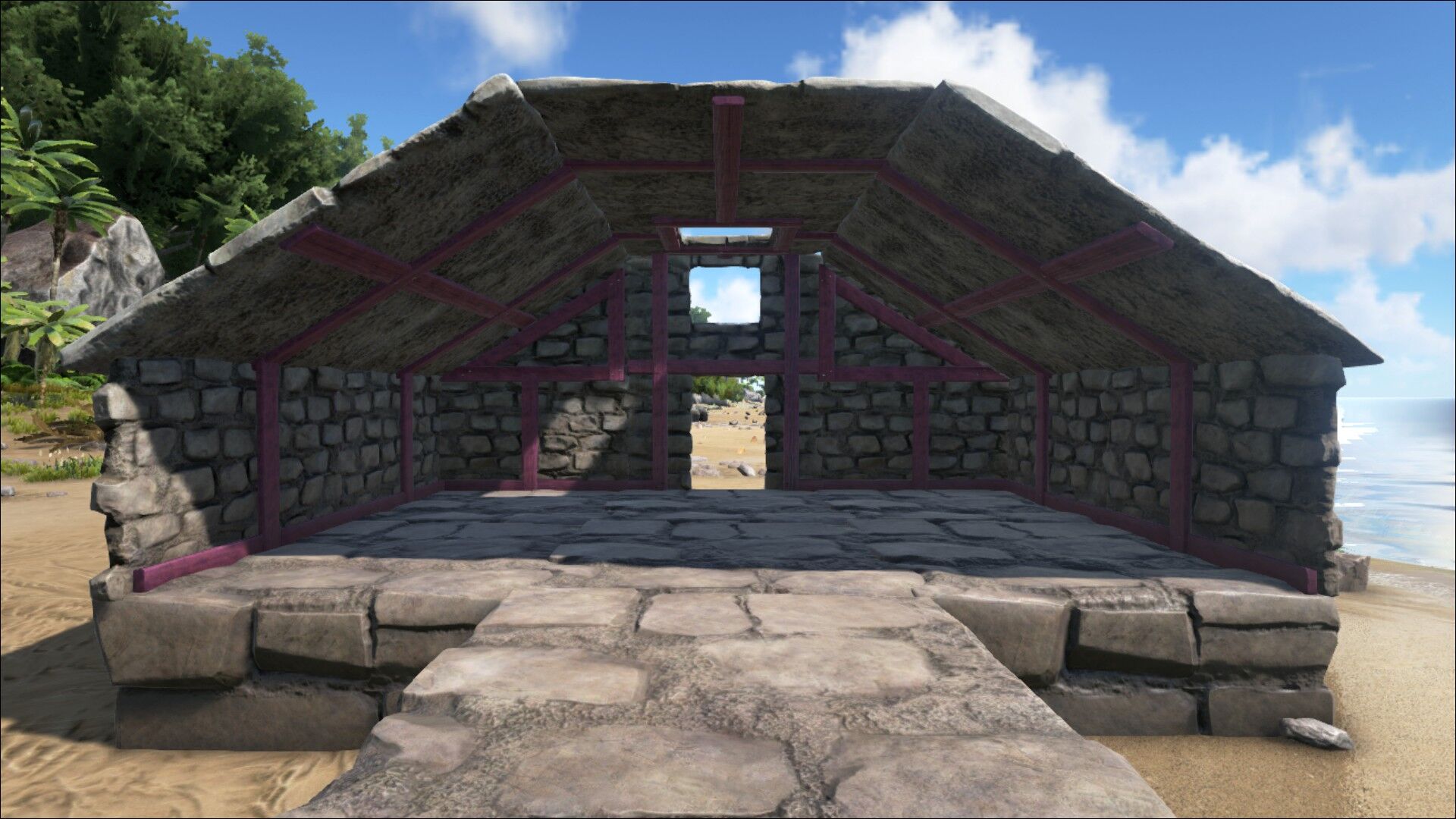
Wooden structures offer increased durability. They withstand attacks better than thatched shelters. Use wood, fiber, and thatch to build them. Stone structures are even more robust. They require stone, wood, and thatch. Stone provides excellent defense against threats. These structures are best for long-term survival. They offer safety and security.
Credit: www.youtube.com
Step-by-step Building Process
Building a shelter in Ark Survival Evolved is essential for your survival and progression. The process involves careful planning and precise execution. Understanding each phase ensures your base is secure and functional, ready to protect you from dangers and harsh weather.
Foundation Setup
Start by selecting a flat area to place your foundation. A sturdy foundation supports everything else, so choose your location wisely—near resources but away from aggressive creatures.
Gather materials like wood, thatch, or stone depending on your current tech level. Place the foundation by aiming at the ground and confirming the spot. This base layer must be level to avoid issues with walls and ceilings later.
Wall And Roof Construction
Once the foundation is set, build walls around it to create your enclosure. Walls protect you from attacks and environmental hazards. You can choose from different materials; stone walls offer better defense but require more resources.
Next, add a roof to complete the shelter. A roof shields you from rain and prevents flying creatures from entering. Ensure the roof fits perfectly to avoid gaps—these can be exploited by predators or cause weather effects inside.
Adding Doors And Windows
Doors are critical for easy entry and exit, plus they keep your shelter secure. Craft and place a door frame, then add a door of your choice—wooden for early game or metal for more protection.
Windows provide visibility and ventilation but also need defensive planning. Use window frames to create openings and consider adding bars or shutters. This lets you spot threats without exposing yourself.
Enhancing Shelter Durability
Building a strong shelter in Ark Survival Evolved is key to surviving attacks and harsh environments. Enhancing your shelter’s durability keeps you safe from predators and weather damage. Focus on upgrading your materials, using reinforcement techniques, and adding weather protection to make your base last longer.
Upgrading Materials
Start by replacing thatch with wood. Wood is stronger and resists more damage. Next, upgrade wood to stone for better protection. Stone walls and foundations can withstand most attacks. For the best defense, upgrade to metal. Metal structures offer the highest durability in the game.
- Thatch: Basic but weak
- Wood: Moderate strength
- Stone: Strong and durable
- Metal: Very strong and resistant
Reinforcement Techniques
Use pillars and foundations to support your shelter. This prevents walls from collapsing during attacks. Place walls close together to reduce weak points. Reinforce doors with additional layers. Add ceilings and ramps to protect the roof. These steps increase your shelter’s stability and defense.
Weather Protection
Weather effects like rain, storms, and heat can damage your shelter. Build roofs and ceilings to keep rain out. Add walls to block strong winds. Use insulation items to regulate temperature inside. These measures protect both your shelter and your dinos.
Shelter Defense Strategies
Protecting your shelter in Ark Survival Evolved is crucial for survival. Enemies and wild creatures constantly threaten your base. Strong defense strategies keep your shelter safe and your resources secure. Use a mix of technology, creatures, and smart building to create an effective defense.
Traps And Turrets
Traps and turrets are essential for base defense. Place them around your shelter’s perimeter. Traps slow down or damage attackers before they reach your walls.
- Spike traps can injure enemies on contact.
- Bear traps immobilize creatures and players briefly.
Turrets automatically shoot at hostile targets. Set up auto-turrets or plant turrets on towers and walls. Keep turrets well supplied with ammo. Position them to cover all angles and blind spots.
Dino Guards
Dinosaurs make excellent guards for your shelter. Tame strong dinos and station them near your base. They attack intruders on sight and can block pathways.
- Use aggressive dinos like Raptors or Therizinosaurus.
- Large herbivores like Triceratops can block entrances.
- Keep your dinos fed and healed for maximum defense.
Train your dinos to guard specific areas. Dinos add a powerful, living layer of defense.
Fortification Layouts
Strong fortifications slow attackers and provide safety. Use multiple layers of walls and gates. Create chokepoints to funnel enemies into traps or turret fire.
- Build high walls to prevent climbing or flying attacks.
- Include watchtowers for better visibility and turret placement.
- Use metal or stone materials for durability.
Design your shelter with narrow entrances. This controls enemy movement and enhances defense. A well-planned layout is the backbone of a secure base.
Advanced Shelter Features
Advanced shelter features enhance your base’s functionality and comfort. They create a safer, more efficient place for survival. These features support better resource management and improve the living space.
Storage Solutions
Good storage helps keep your resources organized. Use wooden or metal storage boxes to store items safely. Group items by type for quick access. Place storage near crafting stations to save time.
- Wooden Storage Box: Easy to craft and holds many items.
- Metal Storage Box: Offers better protection from theft.
- Vaults: Best for securing valuable resources.
Crafting Stations
Crafting stations speed up item creation and improve efficiency. Build essential stations like the smithy, fabricator, and chemistry bench. Position them inside your shelter for easy access. Upgrading stations unlocks better recipes.
- Smithy: For weapons and armor crafting.
- Chemistry Bench: Creates advanced items and ammo.
- Fabricator: Makes high-tech gear and electronics.
Lighting And Aesthetics
Lighting keeps your shelter bright and safe at night. Use torches, standing lamps, or electrical lights. Proper lighting deters creatures and prevents accidents. Add decorations like rugs and furniture for a cozy feel.
- Standing Torches: Simple, fuel-powered light sources.
- Electrical Lights: Use generators for steady power.
- Decorations: Rugs, banners, and furniture improve mood.
Common Mistakes To Avoid
Building a shelter in Ark Survival Evolved can be challenging, especially if you overlook some key mistakes. These errors can cost you time, resources, and even your survival. Knowing what to avoid helps you create a strong, safe base from the start.
Poor Location Choices
Choosing the wrong spot for your shelter is one of the biggest traps. Avoid areas with extreme weather or frequent predator activity. You want a place that offers natural protection but also easy access to resources.
Think about how close you are to water, food, and materials. I once built near a river only to find constant attacks from aggressive dinos. Would you want to deal with that stress every day?
Weak Structural Design
Many players build quickly without thinking about strength. Using low-tier materials or flimsy layouts leaves your shelter vulnerable. Walls made from thatch or wood can collapse under attack or bad weather.
Focus on upgrading to stone or metal as soon as possible. Also, avoid large open spaces inside your shelter—it’s easier to defend smaller, well-planned areas. Have you checked if your foundation is stable before expanding?
Ignoring Defense
Ignoring defense invites disaster. A shelter without defensive structures is a target for wild dinos and enemy players. Walls, spikes, and turrets are essential to keep your base safe.
Don’t forget to add doors that lock and lookout points. Setting traps around your shelter can save you from surprise attacks. Are you confident your shelter can handle a raid or a dino charge right now?

Credit: www.youtube.com
Frequently Asked Questions
How Do I Start Building A Shelter In Ark Survival Evolved?
Begin by gathering basic resources like wood, thatch, and stone. Craft a simple thatch foundation to create a base. Use the crafting menu to build walls and a roof. This provides shelter from weather and enemies early in the game.
What Materials Are Best For Ark Shelter Construction?
Wood and thatch are best for early shelters. Stone is stronger and more durable for mid-game protection. Metal structures offer the highest defense but require advanced resources. Choose materials based on your game progress and available resources.
How Can I Protect My Shelter From Predators In Ark?
Build walls and doors to block predators. Place torches or campfires around your shelter to deter creatures. Tame defensive dinos for added protection. Always keep your shelter well-lit and secure to prevent attacks.
Can I Build A Shelter Underwater In Ark Survival Evolved?
Yes, you can build underwater using foundations and ceilings. Use metal or stone materials for durability underwater. Keep oxygen levels in mind and use equipment like scuba gear. Underwater shelters offer protection and strategic advantages.
Conclusion
Building a shelter in Ark Survival Evolved keeps you safe and secure. Start with simple materials like wood and thatch. Place walls and a roof to protect against weather and enemies. Keep improving your shelter as you gather better resources.
A strong shelter helps you survive longer in the game. Remember, practice makes building easier and faster. Stay patient, and enjoy your adventure in Ark. Safe shelter, happy survival!