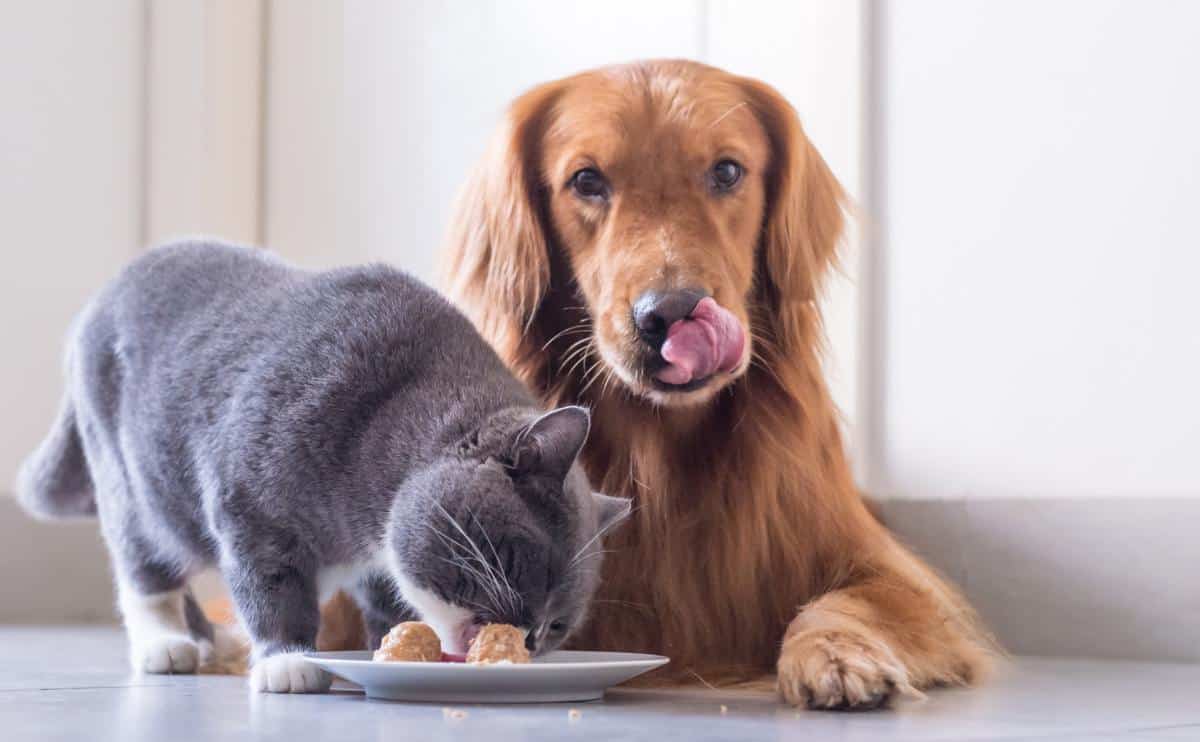
Have you ever found yourself staring at an empty dog food bowl, wondering if it’s okay to give your dog some cat food just this once? When your furry friend’s meal plan hits a snag, it’s natural to look for quick solutions.
But is feeding your dog cat food really safe in an emergency? Before you make that choice, you need to know what happens inside your dog’s body and how it can affect their health. Keep reading to discover the facts that every pet owner should know—because your dog’s well-being depends on it.

Credit: www.houndsy.com
Differences Between Dog And Cat Food
Dog food and cat food are created differently to meet each pet’s unique needs. Dogs and cats have different diets and health requirements. Feeding the wrong food regularly may cause health problems. Understanding these differences helps in emergencies when options are limited.
Nutritional Needs Of Dogs
Dogs are omnivores. They need a balanced diet of proteins, fats, and carbohydrates. Their food contains more fiber and plant-based ingredients. Dogs need less protein than cats but require certain vitamins and minerals. They also need enough fat for energy and healthy skin.
Nutritional Needs Of Cats
Cats are obligate carnivores. They must eat mostly meat. Their diet needs higher protein and fat levels than dogs. Cats require specific nutrients like taurine and arachidonic acid. These nutrients support their heart, eyes, and immune system. Cat food has fewer carbohydrates because cats cannot digest them well.
Key Ingredients In Cat Food
- High protein from meat or fish
- Added taurine for heart and vision health
- Higher fat content for energy
- Low carbohydrates
- Vitamins like A and D, essential for cats
Cat food focuses on ingredients that match cats’ natural diet. This makes it richer and different from dog food.

Credit: www.houndsy.com
Potential Risks Of Feeding Dogs Cat Food
Feeding your dog cat food in an emergency might seem like a quick fix, but it carries hidden risks that you should be aware of. Cat food is designed with different nutritional needs in mind, and offering it to dogs can cause more harm than good. Understanding these potential dangers helps you make better choices for your pet’s health.
Digestive Issues
Dogs have a different digestive system than cats. Cat food is richer in fat and protein, which can be hard for dogs to digest properly.
You might notice your dog experiencing vomiting, diarrhea, or upset stomach after eating cat food. These symptoms can make your pet uncomfortable and may require veterinary attention if they persist.
Nutrient Imbalance
Cat food contains nutrients tailored for felines, not canines. For instance, it has higher levels of taurine and certain vitamins that dogs don’t need in large amounts.
Feeding your dog cat food regularly can lead to an imbalance of essential nutrients. This imbalance can affect your dog’s energy levels, coat condition, and overall wellbeing.
Long-term Health Concerns
Repeated consumption of cat food can contribute to serious health problems over time. Excess fats and proteins may strain your dog’s liver and kidneys, potentially causing lasting damage.
Have you ever wondered how a small emergency choice could impact your dog’s future health? Monitoring what your dog eats is crucial to prevent chronic issues.
When Is It Safe To Feed Cat Food To Dogs?
Dogs can eat cat food only in emergencies and for a short time. Cat food is rich in protein and fat, which may upset dogs’ stomachs if fed regularly. Use it sparingly until proper dog food is available.
Feeding your dog cat food might seem like an easy fix in a pinch, but is it really safe? Dogs and cats have different nutritional needs, and their food reflects that. So, when is it safe to feed cat food to dogs, especially in an emergency situation? Understanding the nuances can help ensure your dog’s health isn’t compromised while you manage a temporary food shortage.Emergency Situations
Sometimes, emergencies catch us off guard. Maybe you ran out of dog food unexpectedly, or a storm left you stranded without access to a pet store. In these cases, feeding your dog cat food might be a temporary solution. It’s crucial to remember, though, that this is only a stopgap measure. Dogs can handle cat food for a meal or two, but it shouldn’t become a habit.Short-term Vs Long-term Feeding
A one-off meal of cat food won’t harm your dog, but repeated feeding can lead to nutritional imbalances. Cat food is richer in fats and proteins, which can upset your dog’s stomach or lead to weight gain. It’s essential to revert to dog food as soon as possible to maintain their health. Keep an eye on your dog and transition back to their regular diet promptly.Signs To Watch For
Monitoring your dog after feeding them cat food is crucial. Look out for digestive issues like vomiting or diarrhea. These can be signs that the cat food is too rich or different from what your dog is used to. If your dog shows any signs of discomfort or distress, consult your vet. Your vigilance can prevent minor issues from becoming serious health concerns. Have you ever faced a situation where you had to choose between feeding your dog cat food or nothing at all? How did you handle it? Your experiences can provide valuable insights for other pet owners navigating similar dilemmas.How To Handle Emergency Feeding
Feeding your dog cat food during an emergency might seem like a quick fix, but handling it carefully is crucial. You want to avoid upsetting your dog’s stomach or causing nutritional imbalances. Here’s how you can manage emergency feeding thoughtfully to keep your furry friend safe and comfortable.
Portion Control
Cat food is richer and denser in calories and nutrients than dog food. Feeding your dog the same amount as their regular dog food serving can lead to digestive issues.
Start with a smaller portion—about half or less of their usual meal size. Watch how your dog reacts and adjust accordingly the next time you feed them.
Mixing With Dog Food
If you have both dog and cat food available, mixing them can balance the diet better. Blend a small amount of cat food with your dog’s regular food to reduce the risk of stomach upset.
This also helps your dog get used to the taste and texture without overloading on cat food’s richer ingredients. It’s a practical way to stretch your supplies during an emergency.
Hydration Importance
Cat food often contains less moisture than wet dog food, especially if you’re using dry kibbles. Make sure your dog drinks plenty of water alongside the meal.
Keep fresh water easily accessible and consider adding a little water or broth to the food to increase hydration. Dehydration can sneak up quickly, especially if your dog’s diet suddenly changes.
Alternatives To Cat Food In Emergencies
Finding yourself without dog food in an emergency can be stressful. While cat food might seem like a quick fix, it’s not ideal for your dog’s health. Luckily, there are safer and more suitable alternatives you can turn to that won’t upset your dog’s stomach or nutrition balance.
Dog-safe Human Foods
You might already have some dog-friendly foods in your kitchen that can serve as a temporary meal. Cooked plain chicken, turkey, or lean beef are great protein options. Plain rice, sweet potatoes, and carrots can add some carbs and fiber without causing digestive issues.
Remember to avoid any seasoning, onions, garlic, or anything toxic to dogs. Have you ever noticed how your dog perks up for a bit of plain boiled chicken? That’s a good sign it’s a safe and tasty alternative when their regular food isn’t available.
Commercial Emergency Dog Food
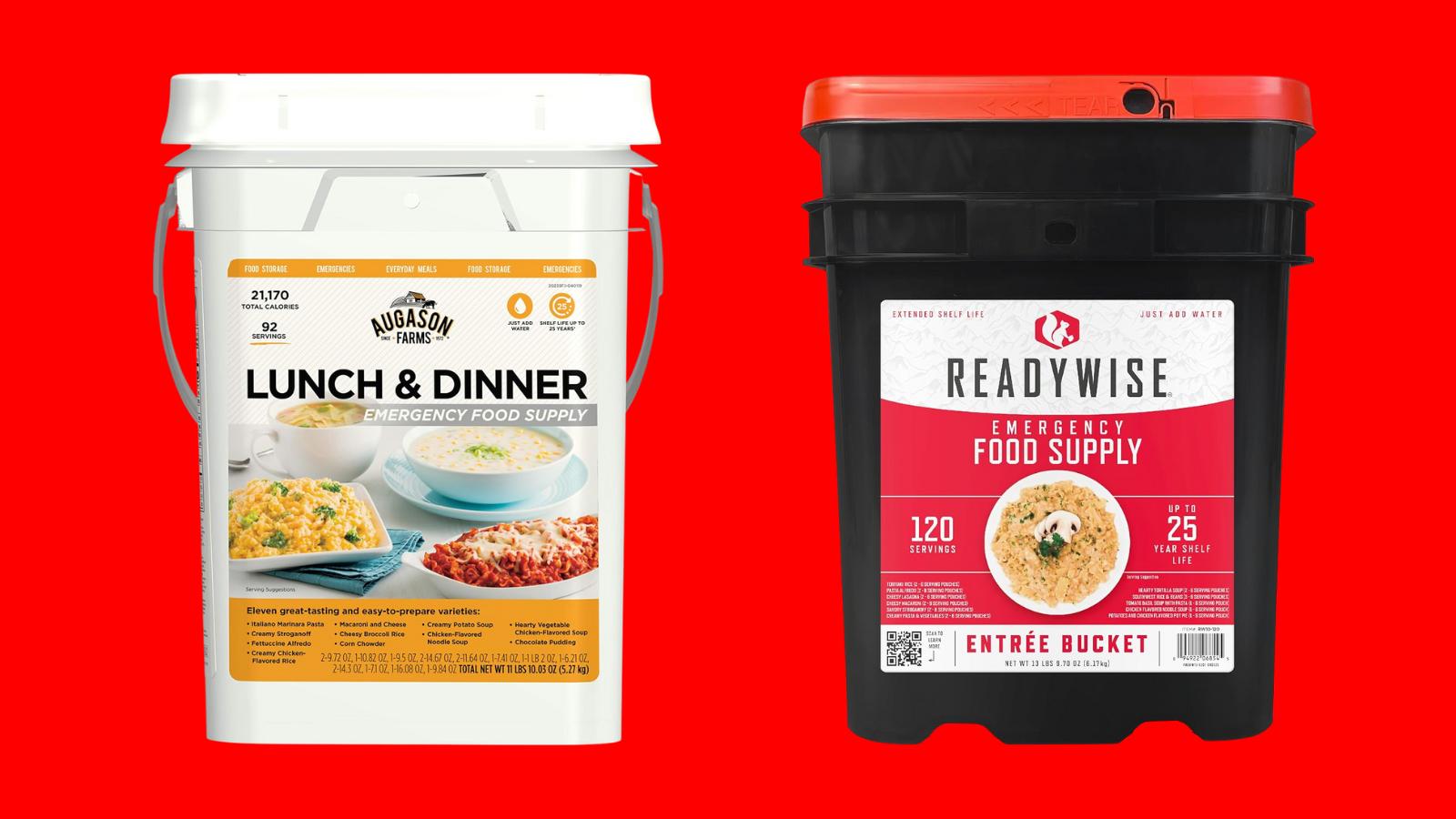
Some pet stores offer commercial emergency dog foods designed for short-term use. These products are nutritionally balanced and safe for dogs during supply gaps. They often come in easy-to-store packaging, making them perfect for emergencies.
Check the labels carefully to ensure they meet your dog’s dietary needs. Do you have a favorite brand that you trust? It might be worth adding a small supply to your emergency kit just in case.
Preparing A Pet Emergency Kit
Building a pet emergency kit means thinking ahead about your dog’s needs when supplies run low. Include a few days’ worth of dog food, water, and any medications your pet needs. Adding a list of dog-safe human foods can help you improvise if needed.
Don’t forget essentials like bowls, leashes, and waste bags. How prepared do you feel if an unexpected situation cuts off your regular pet food supply? A well-stocked kit could be the difference between stress and calm during emergencies.
Veterinary Advice And Recommendations
Turning to veterinary advice is crucial when your dog eats cat food in an emergency. Vets provide guidance tailored to your pet’s health, helping you avoid potential risks. Their recommendations can protect your dog from nutritional imbalances or digestive issues.
When To Contact A Vet
Contact your vet immediately if your dog shows signs like vomiting, diarrhea, or unusual lethargy after eating cat food. Cats’ food contains higher protein and fat levels that can upset your dog’s stomach or strain their organs.
Even if your dog seems fine, it’s wise to check in with a vet to confirm no hidden problems. Quick action can prevent complications and ease your worry.
Preventing Future Feeding Issues
Discuss with your vet how to keep your dog and cat food separate to avoid accidental eating. Simple steps like feeding pets in different rooms or at different times can make a big difference.
Your vet might suggest pet-proof containers or special feeding stations. Have you noticed your dog’s sneaky behavior around the cat’s bowl? Sharing this info helps your vet create a plan that works for your household.
Customized Diet Plans
A vet can design a diet plan specific to your dog’s needs, especially if emergencies happen often. This plan ensures your dog gets all essential nutrients without risking health problems.
For example, a dog with sensitive digestion might need low-fat food, while a senior dog could require extra vitamins. Personalized advice beats guesswork every time, keeping your dog healthy and happy.

Credit: www.petscare.com
Frequently Asked Questions
Can Dogs Eat Cat Food Occasionally In Emergencies?
Yes, dogs can eat cat food occasionally during emergencies. Cat food is richer in protein and fat, which dogs don’t need regularly. Feeding cat food long-term can cause health issues in dogs. Use it only as a short-term solution when dog food is unavailable.
Is Cat Food Safe For Dogs To Digest?
Cat food is generally safe for dogs to digest in small amounts. However, its high protein and fat content may upset a dog’s stomach. Avoid feeding cat food frequently to prevent digestive problems and nutritional imbalances in dogs.
What Risks Do Dogs Face Eating Cat Food Often?
Dogs eating cat food often risk obesity, pancreatitis, and nutritional imbalances. Cat food lacks essential nutrients tailored to dogs’ needs. Regular consumption may harm dogs’ kidneys and liver over time. Always prioritize dog-specific food for balanced nutrition.
How To Transition A Dog Back From Cat Food?
To transition a dog back from cat food, gradually mix dog food in. Start with 25% dog food and increase over 7-10 days. This helps prevent digestive upset and encourages acceptance of dog food again. Monitor your dog’s health during the transition.
Conclusion
Dogs can eat cat food once in a while during an emergency. Cat food has more fat and protein, which can upset a dog’s stomach if given often. It is not a healthy long-term choice for dogs. Always offer fresh water and watch for any signs of discomfort.
Try to get proper dog food as soon as possible. Your pet’s health depends on the right diet. Keep emergency feeding rare and brief to keep dogs safe and happy.