Have you ever wondered what would happen if you suddenly couldn’t get food from the store? Imagine facing a power outage, a natural disaster, or any unexpected event that keeps you from your usual meals.
Having emergency food can be the difference between stress and peace of mind in those moments. But is it really necessary for you? You’ll discover why having emergency food isn’t just a good idea—it could be a lifesaver. Keep reading to find out how you can prepare yourself and your family for the unexpected.
Importance Of Emergency Food
Having emergency food on hand is more than just a precaution—it’s a vital part of being prepared for unexpected situations. You never know when a sudden event might disrupt your access to grocery stores or fresh food. Keeping a supply of emergency food ensures you and your loved ones can stay nourished and healthy during those critical times.
Think about times when storms or power outages caught you off guard. Without food stored, those hours can turn into stressful days. Emergency food gives you peace of mind and the ability to focus on safety rather than hunger.
Reasons To Stockpile Food
- Supply Chain Disruptions:Natural disasters or global events can interrupt food deliveries, leaving stores empty.
- Power Outages:Without refrigeration, fresh food spoils quickly, making stored non-perishable items essential.
- Financial Security:Having food saved up can reduce last-minute panic purchases that often cost more.
- Health Maintenance:Access to nutritious food supports your immune system during stressful times.
- Time to Recover:Emergency food provides a buffer, giving you time to rebuild or relocate if necessary.
Types Of Emergencies Requiring Food Supplies
- Severe Weather:Hurricanes, blizzards, and floods can isolate you from stores for days or weeks.
- Power Failures:Extended outages affect your ability to cook or keep food fresh.
- Economic Crises:Sudden inflation or shortages may limit food availability.
- Health Emergencies:Quarantines or lockdowns can restrict your movement and access to supplies.
- Travel Disruptions:Stranded during travel delays without food can be dangerous and uncomfortable.
Have you ever thought about how quickly your routine could be interrupted? Preparing emergency food is a simple step that can make a huge difference when life throws a curveball. What would you do if your next grocery trip wasn’t an option?

Credit: www.goodhousekeeping.com
Choosing The Right Emergency Food
Choosing the right emergency food is more than just picking what looks tasty or cheap. It means thinking ahead about how long it will last, what it offers your body, and how easy it is to prepare when you might not have all your usual resources. Making smart choices here can make a big difference during tough times.
Shelf Life And Storage
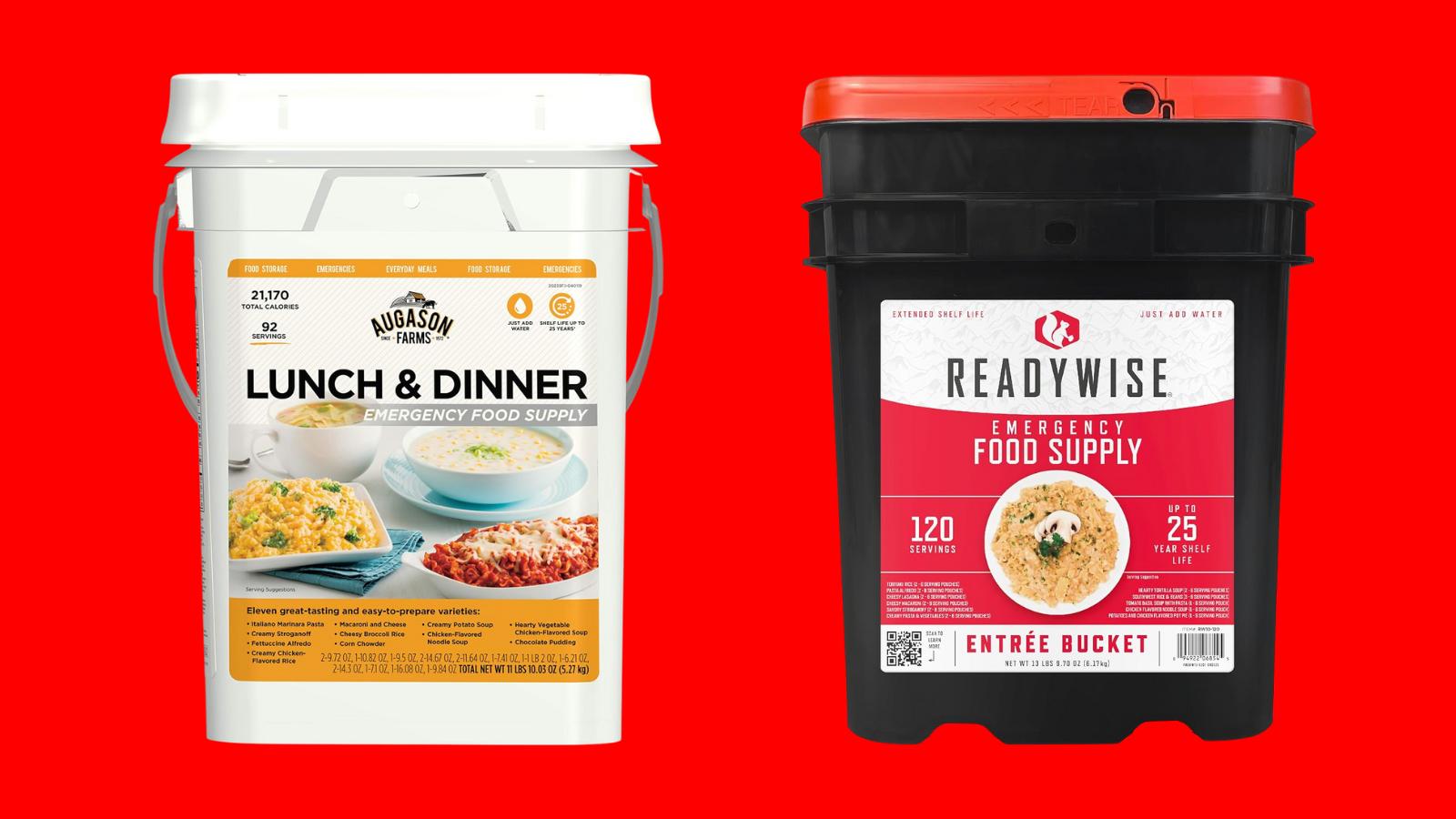
Emergency food needs to stay good for months or even years. Check the expiration dates carefully before buying. Foods like freeze-dried meals, canned goods, and dehydrated fruits often have long shelf lives.
Storage space also matters. Do you have a cool, dry spot to keep your supplies? Avoid places with high humidity or heat, as they can spoil your food faster. Think about packaging that protects against moisture and pests, like vacuum-sealed bags or airtight containers.
Nutritional Value
It’s tempting to grab any non-perishable food, but you need meals that give your body energy and nutrients. Look for foods rich in protein, fiber, and essential vitamins.
For example, nuts and seeds provide healthy fats and protein. Beans and lentils offer fiber and minerals. Don’t forget some sources of carbohydrates for quick energy, like rice or pasta.
Ask yourself: Will this food keep me fueled and healthy if I rely on it for days or weeks? Your body needs more than just calories.
Ease Of Preparation
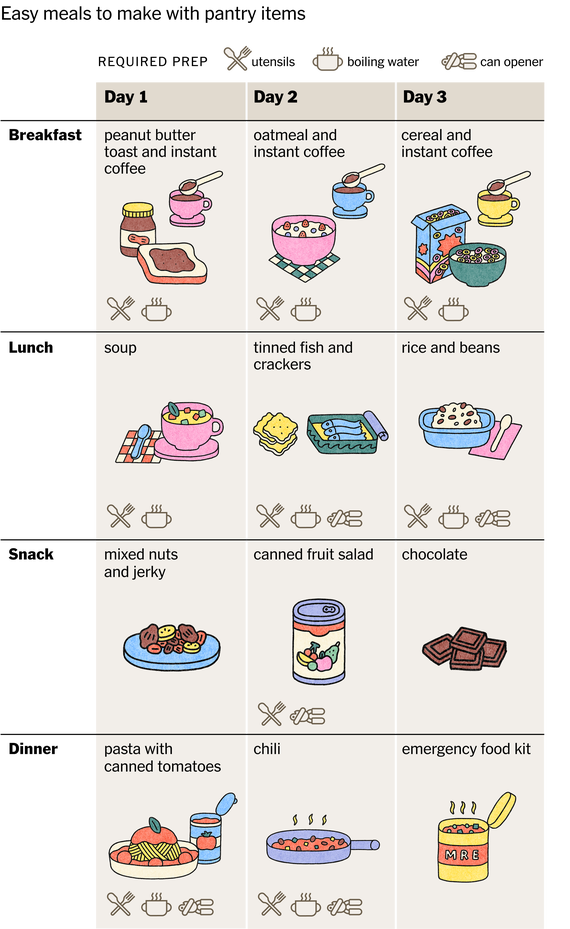
In an emergency, you might not have electricity or running water. Choose foods you can prepare with minimal tools and effort.
Instant meals that only need hot water are a great option. Canned foods can be eaten straight from the can if needed. Avoid items that require long cooking times or many ingredients.
Think about your situation: Will you be able to cook? What equipment will you have? Your emergency food should be practical for your specific needs.
Storage Tips For Emergency Food
Emergency food storage ensures readiness in unexpected situations. Proper storage keeps your food supply fresh and safe. Knowing how to store food correctly saves you money and stress. Here are some practical storage tips.
Optimal Storage Conditions
Keep your emergency food in a cool, dry place. Avoid direct sunlight and areas with high humidity. The ideal temperature is between 50 and 70 degrees Fahrenheit. Use airtight containers to protect against moisture and pests.
Organizing Your Food Supply
Organize your food by type and expiration date. Group similar items together for easy access. Use clear containers to see what you have at a glance. Label each container with contents and purchase date.
Rotation And Expiration Management
Rotate your stock regularly to ensure freshness. Use the first-in, first-out method. Place newer items at the back and older ones in front. Check expiration dates monthly to avoid waste.

Credit: www.forbes.com
Building A Balanced Emergency Food Kit
Building a balanced emergency food kit is essential for staying healthy during unexpected situations. It provides the right mix of nutrients to keep energy levels steady. A good kit supports your body and mind through tough times. Planning carefully helps avoid hunger and fatigue.
Incorporating Proteins, Carbs, And Fats
Proteins help repair and build body tissues. Include canned beans, nuts, and jerky for long shelf life. Carbohydrates give quick energy. Pack rice, pasta, and whole grain crackers for variety. Fats are vital for brain function and energy. Choose nuts, seeds, and oils in small containers. Balance these three to maintain strength and focus.
Including Special Dietary Needs
Consider allergies and intolerances in your household. Gluten-free grains and lactose-free milk are good options. Vegetarians need plant-based proteins like lentils and tofu. Diabetes requires low-sugar, high-fiber foods. Include supplements or vitamins if needed. Tailoring the kit helps everyone stay healthy and safe.
Hydration Essentials
Water is the most important part of any emergency kit. Store at least one gallon per person per day. Include water purification tablets or filters for safety. Electrolyte powders help maintain body salts during illness or heat. Avoid sugary drinks; they can cause dehydration. Proper hydration keeps you alert and strong.
Budget-friendly Emergency Food Options
Storing emergency food doesn’t have to drain your wallet. You can build a reliable food stash without overspending. Smart choices and simple strategies help you stay prepared while keeping costs low.
Affordable Long-lasting Foods
Look for foods with a long shelf life that won’t break the bank. Items like rice, dried beans, pasta, and oats last for months or even years if stored properly. These staples provide good nutrition and are easy to cook during an emergency.
Canned vegetables, fruits, and meats are another budget-friendly option. They often go on sale, so stock up when prices drop. Keep an eye out for store brands, which are usually cheaper but just as good.
Buying In Bulk
Buying food in bulk can save you a lot of money over time. Large bags of rice or beans cost less per pound than smaller packages. Plus, you reduce packaging waste and trips to the store.
However, be careful not to buy more than you can store or use before the food spoils. Divide bulk items into smaller portions and seal them in airtight containers to keep them fresh longer.
Diy Food Preservation
Preserving your own food lets you save money and reduce waste. Simple methods like drying fruits, freezing leftovers, or canning seasonal produce can extend your food’s shelf life.
I once saved dozens of dollars by drying apples from a local market. They became a tasty, nutritious snack that lasted months. Have you tried preserving food yourself? It’s easier than you might think, and it adds variety to your emergency supplies.
Maintaining Your Emergency Food Supply
Maintaining your emergency food supply ensures you are ready for unexpected situations. It keeps your stock fresh, safe, and useful. Regular care prevents spoilage and waste. A well-maintained supply offers peace of mind and supports your family’s safety.
Regular Inspection And Updates
Check your emergency food supply every few months. Look for damaged packaging, expired items, or signs of pests. Remove any food past its expiration date. Replace items that show damage or spoilage. Keep a checklist to track inspection dates and notes.
Using And Replenishing Supplies
Use older food first to avoid waste. Rotate your stock by moving new items behind older ones. Consume emergency food during regular meals. Replace what you use quickly to keep your supply constant. Store food in a cool, dry place to extend shelf life.
Adapting To Changing Needs
Review your emergency food supply as your family changes. Add special food for babies, seniors, or those with allergies. Increase quantities if your household grows. Adjust items to match health needs or dietary preferences. Stay flexible to keep your supply practical and useful.

Credit: www.youtube.com
Frequently Asked Questions
What Is Emergency Food And Why Is It Important?
Emergency food is non-perishable food stored for crises. It ensures survival during natural disasters, power outages, or supply disruptions. Having emergency food provides peace of mind and sustains health when regular food sources are unavailable.
How Much Emergency Food Should I Store?
Experts recommend storing at least a two-week supply of emergency food. This amount covers basic nutritional needs during most emergencies. Factors like family size, dietary restrictions, and local risks can affect your specific quantity.
What Types Of Food Are Best For Emergencies?
Choose non-perishable, nutrient-dense foods like canned goods, dried fruits, nuts, and freeze-dried meals. These items have long shelf lives, require minimal preparation, and provide essential calories and nutrients during crises.
How Often Should I Rotate My Emergency Food Supplies?
Rotate emergency food every 6 to 12 months to maintain freshness. Regularly check expiration dates and replace expired items promptly. Rotation ensures your emergency food remains safe and nutritious when needed.
Conclusion
Having emergency food helps you stay safe during tough times. It gives peace of mind when disasters happen. You can choose easy-to-store and long-lasting items. Small steps now can save stress later. Being prepared is a smart and simple choice.
Keep your emergency food fresh and check it often. Ready food means you can focus on what matters most. Don’t wait for an emergency to start planning. Safety begins with good preparation today.