Are you wondering how much you can get in emergency food stamps when times get tough? Knowing the exact amount can make a big difference in planning your meals and managing your budget.
You might be feeling stressed or unsure about what to expect, but understanding how emergency food stamps work can bring you peace of mind. You’ll discover clear answers to your questions and learn what factors affect the amount you receive.
Keep reading to find out how you can get the support you need right now.
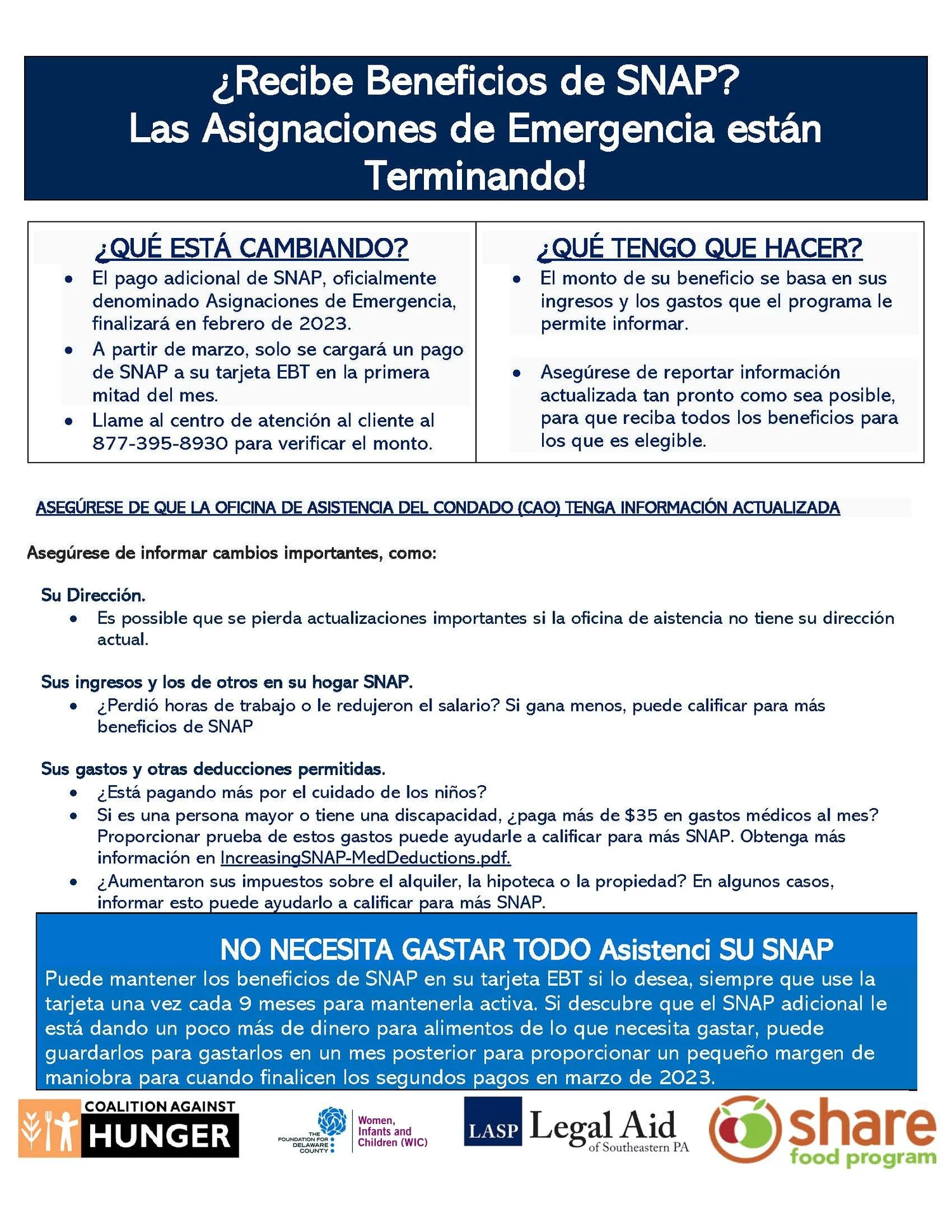
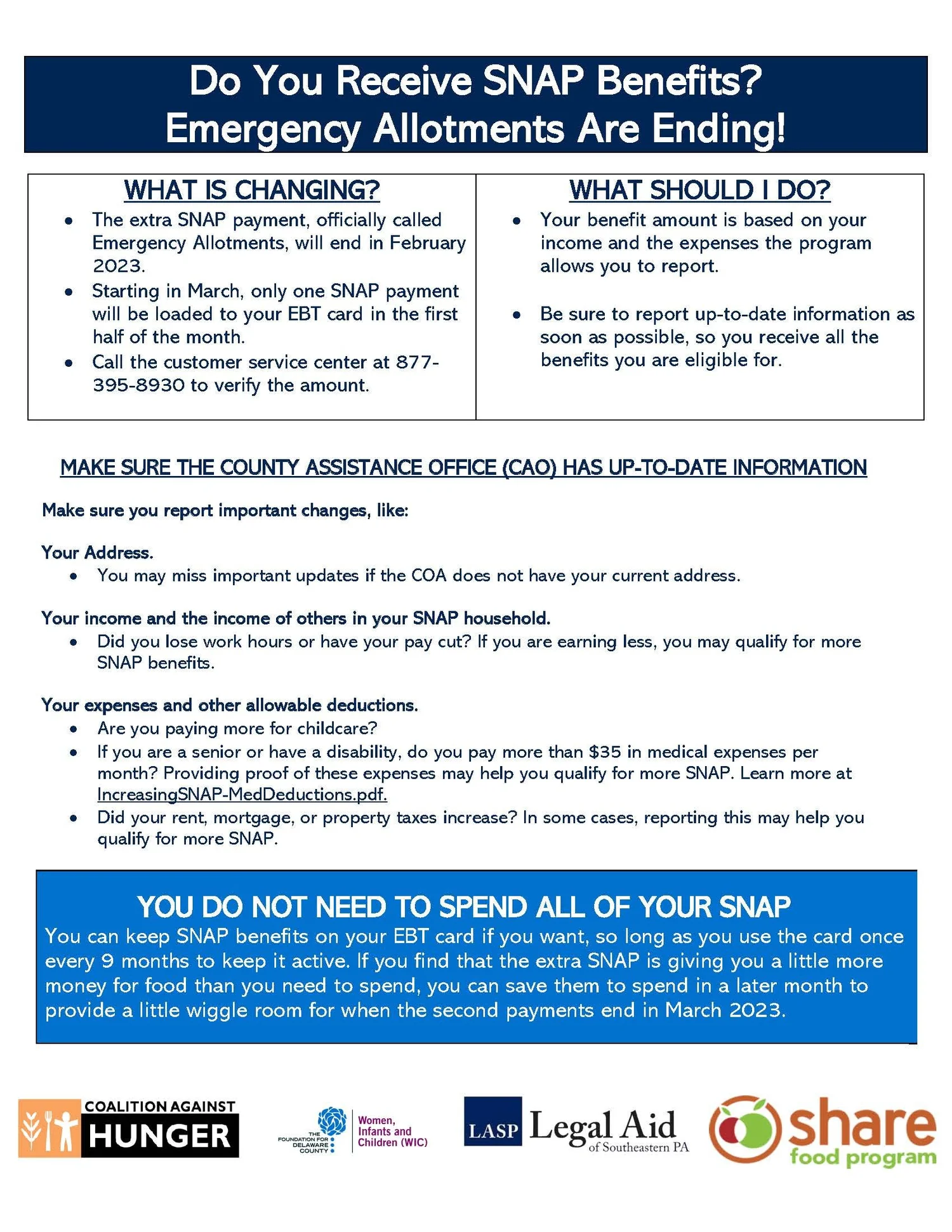
Credit: www.lasp.org
Emergency Food Stamps Basics
Understanding the basics of emergency food stamps is crucial if you find yourself in a sudden financial crisis. These benefits offer quick relief when you need food assistance the most, but how much you get depends on several factors. Let’s break down what emergency food stamps are, who qualifies, and how they differ from regular benefits.
What Are Emergency Food Stamps
Emergency food stamps are short-term benefits provided to individuals or families facing an immediate food shortage due to unexpected events. These can include job loss, natural disasters, or other emergencies that disrupt your ability to buy food. The goal is to help you cover your nutritional needs while you stabilize your situation.
Unlike regular food stamps, emergency benefits are usually issued faster and may have different eligibility rules. They act as a financial cushion to prevent hunger during tough times.
Who Qualifies For Emergency Assistance
Qualification for emergency food stamps depends largely on your current financial hardship and food insecurity status. You must demonstrate that you have little or no income and that your household’s food supply is critically low.
States have different criteria, but common qualifying situations include:
- Sudden loss of income or employment
- Natural disasters affecting your ability to buy food
- Other unexpected emergencies causing severe financial strain
Have you recently faced a financial setback and wondered if emergency food stamps could help you? Checking your local program’s guidelines can give you a clearer answer.
Differences Between Regular And Emergency Benefits
Regular food stamp benefits, often provided through programs like SNAP, are designed for ongoing support based on your income and household size. These benefits are calculated monthly and require a standard application process.
Emergency food stamps, however, are a temporary fix. They often provide a one-time or limited-time benefit amount, which can be smaller or sometimes larger depending on your urgent needs. The application process is usually expedited to get you help quickly.
Understanding these differences helps you know what to expect and how to plan your next steps. Are you aware of the specific emergency benefit limits in your state? Knowing this can make a big difference in your financial planning during a crisis.

Credit: www.youtube.com
Benefit Amounts Explained
Understanding emergency food stamp benefit amounts helps recipients plan better. These benefits vary based on several key factors. The amount aims to meet urgent food needs quickly. Knowing what influences these amounts can ease uncertainty during tough times.
Factors Influencing Emergency Food Stamp Amounts
Household size plays a big role in benefit calculations. Larger families usually get more aid. Income levels also affect the amount received. Lower income means higher benefits. Expenses like rent or utilities can influence eligibility and amounts. Some situations, like job loss or medical emergencies, may increase benefits temporarily.
Typical Benefit Ranges In 2025
Most emergency food stamp amounts fall between $100 and $500 per month. Small households often receive around $100 to $200. Medium households might get between $200 and $350. Larger families may qualify for $350 to $500 or more. These amounts are designed to cover basic food needs for a short period.
State Variations In Emergency Allotments
Each state sets its own emergency allotment rules. Some states offer higher benefits due to cost of living differences. Others may have stricter eligibility requirements. States with more funding can provide larger or longer-lasting aid. Checking local program details is crucial for accurate information.
Application Process
The application process for emergency food stamps can seem daunting. But with the right information, it becomes much simpler. Knowing the steps and what you need will streamline the process.
How To Apply Quickly For Emergency Food Stamps
Visit your local SNAP office or apply online. Fill out the application form carefully. Provide all requested information to avoid delays. Submit your application as soon as possible. This ensures quicker processing. Check for application deadlines in your area.
Required Documents And Information
Gather necessary documents before applying. This includes proof of identity, such as a driver’s license. You’ll need proof of residency, like a utility bill. Income verification is crucial. This can be a pay stub or tax return. Prepare information about household members. Their names, birth dates, and social security numbers are needed.
Common Application Challenges
Completing the application can be tricky. Missing documents cause delays. Double-check your information for accuracy. Some face language barriers. Seek assistance if needed. Misunderstanding eligibility criteria is common. Confirm your eligibility before applying. Stay informed to avoid mistakes. Patience is key during this process.
Receiving And Using Benefits
Receiving and using emergency food stamps is straightforward and designed to provide quick help. Understanding how these benefits arrive and where to spend them ensures you get the most out of the assistance. Knowing the duration also helps plan your food needs better.
How Emergency Food Stamps Are Delivered
Emergency food stamps usually come as an Electronic Benefit Transfer (EBT) card. This card works like a debit card and is mailed to your home. Some states may allow immediate access through a temporary card or code. The card is loaded with a set dollar amount based on your emergency need. You can check your balance online or by phone anytime.
Where And How To Use Your Benefits
You can use emergency food stamps at grocery stores, supermarkets, and farmers markets that accept EBT. The card covers food items like bread, fruits, vegetables, dairy, and meat. It cannot be used to buy alcohol, tobacco, or hot prepared foods. To pay, swipe the card at checkout and enter your PIN. Keep your card safe and never share your PIN.
Duration Of Emergency Assistance
Emergency food stamp benefits usually last for one month. In some cases, the period may be shorter or extended based on your situation. After the emergency period ends, you may need to reapply or switch to regular food assistance programs. Keep track of your benefit dates to avoid missing out on support.
Tips For Maximizing Benefits
Maximizing your benefits from emergency food stamps can make a significant difference in managing your household budget during tough times. Being strategic about how you use these resources ensures that you stretch every dollar and get the most support possible. Let’s look at some practical tips that can help you combine benefits effectively, access additional help, and avoid mistakes that could reduce your aid.
Combining Emergency And Regular Food Stamps
You might receive both emergency and regular food stamps, but knowing how to use them together can be confusing. Emergency food stamps are often a one-time boost, while regular benefits arrive monthly. Try to use emergency food stamps for immediate needs like fresh produce or protein, which might be harder to buy later with limited funds.
Keep track of your benefit amounts and expiration dates to avoid letting any food stamps go unused. Some states allow you to use both benefits at the same time, but others require you to use emergency benefits first. Check your local rules to plan your purchases better and avoid losing any part of your aid.
Additional Food Assistance Programs
Food stamps are just one part of the safety net. You can often access other programs that work alongside your benefits. For example, local food banks, community kitchens, and school meal programs can provide extra support without affecting your food stamp eligibility.
Look into programs like WIC (Women, Infants, and Children) if you qualify, or ask about senior nutrition programs if you’re older. These options can fill gaps and reduce your grocery bills. Have you explored all the food help available in your community?
Avoiding Common Mistakes
Many people lose benefits by making simple mistakes. One common error is missing renewal deadlines or failing to report changes in income and household size promptly. These can cause delays or suspensions in your benefits.
Another mistake is using food stamps for non-eligible items, which can trigger penalties or even disqualification. Always check what you can and cannot buy with your benefits. Staying organized and informed will keep your assistance steady when you need it most.
Recent Changes And Updates For 2025
The year 2025 brings important updates to emergency food stamps. These changes aim to improve support for families facing food insecurity. Understanding these updates helps beneficiaries prepare and plan better.
Emergency food stamps now reflect new policies and economic factors. These updates can affect the amount and eligibility for assistance. Stay informed to know what to expect from the program.
Policy Changes Affecting Emergency Food Stamps
New rules have adjusted eligibility criteria for emergency food stamps. Some states expanded access to more families in need. Documentation requirements have also been simplified to speed up approval.
Benefit amounts may vary based on household size and income changes. Some programs introduced temporary boosts to help during crises. These policy shifts aim to make assistance more flexible and timely.
Impact Of Inflation And Cost Of Living Adjustments
Inflation has raised food prices nationwide. To address this, emergency food stamp benefits increased slightly in 2025. These adjustments help families cover rising grocery costs.
Cost of living updates ensure benefits keep pace with economic changes. This helps maintain the buying power of the assistance provided. Regular reviews help align benefits with real-world needs.
Future Outlook For Emergency Assistance
Emergency food stamp programs plan to continue adapting to economic shifts. More states may introduce digital tools for easier access. Efforts focus on reducing delays and improving outreach.
Funding levels could change based on government budgets and priorities. Programs aim to support more households during emergencies. Ongoing updates will shape how assistance evolves in the coming years.

Credit: www.nyc.gov
Frequently Asked Questions
How Much Emergency Food Stamps Can I Receive?
The amount varies by state and household size. Typically, emergency benefits match your regular monthly amount. Some states provide a one-time or short-term boost based on immediate need. Check with your local SNAP office for exact figures.
Who Qualifies For Emergency Food Stamps Benefits?
Emergency food stamps are for households facing urgent financial hardship. Eligibility usually includes sudden income loss or unexpected expenses. Applicants must meet income limits and residency requirements. Each state has specific qualification criteria.
How Quickly Are Emergency Food Stamps Issued?
Emergency food stamps are often issued within days of approval. Some states offer same-day benefits in urgent cases. Processing time depends on state policies and application completeness. Contact your local SNAP office for precise timelines.
Can Emergency Food Stamps Cover All My Food Expenses?
Emergency food stamps aim to supplement, not fully cover, food costs. The benefits provide temporary support during financial emergencies. You may still need additional resources for full food coverage. Use them wisely to stretch your food budget.
Conclusion
Emergency food stamps provide vital support during tough times. The amount you receive depends on your household size and income. These benefits help buy groceries and ease financial stress. Applying early can speed up the process. Keep your documents ready to avoid delays.
Remember, emergency food stamps are a temporary aid. They offer relief while you get back on your feet. Knowing how much you can get helps you plan better. Stay informed and reach out for help if needed. Support is available, and you don’t have to face hunger alone.