Have you ever wondered if wearing your Samsung Gear to sleep is a good idea? You might be curious about tracking your sleep or staying connected, but is it really safe and comfortable?
Before you decide to hit the pillow with your device on, there are some important things you should know. Keep reading to discover the pros, cons, and expert tips that will help you make the best choice for your health and comfort.
Your sleep matters, and so does how you use your tech. Let’s dive in!

Credit: www.youtube.com
Samsung Gear Sleep Features
The Samsung Gear offers several features designed to help you understand your sleep better. These features track your sleep patterns, heart rate, and sleep stages. Knowing these details can help improve your sleep quality over time.
Sleep Tracking Capabilities
The Samsung Gear tracks your total sleep time and movement during sleep. It detects when you fall asleep and wake up. This data helps you see how long and how well you sleep each night. The device also records any restless moments or awakenings.
Heart Rate Monitoring
Heart rate monitoring works throughout the night to give insights into your health. The Gear measures your heart rate regularly while you sleep. This information can show how relaxed or stressed your body is during rest. It helps identify any unusual heart patterns that might affect sleep.
Sleep Stage Analysis
Samsung Gear breaks your sleep into stages: light, deep, and REM sleep. Each stage plays a different role in rest and recovery. The device shows how much time you spend in each stage. Understanding this can help you adjust habits for better sleep cycles.

Credit: www.youtube.com
Advantages Of Wearing Samsung Gear To Bed
Wearing Samsung Gear to bed offers several clear benefits that can help you understand and improve your sleep quality. Instead of guessing how well you rest, you gain concrete data and insights. This can lead to better sleep habits and healthier nights.
Improved Sleep Awareness
Samsung Gear tracks your sleep stages, such as deep sleep, light sleep, and REM cycles. This data lets you see exactly how much restful sleep you get each night. Knowing your sleep patterns can help you spot issues like frequent awakenings or insufficient deep sleep.
When I started using Samsung Gear, I was surprised to find I wasn’t getting enough deep sleep. This awareness pushed me to change my bedtime routine and improve my overall rest.
Health Insights And Trends
The device doesn’t just record your sleep; it connects the dots over weeks or months. You can spot trends like how your sleep quality changes with stress, diet, or exercise. This long-term view helps you understand what affects your rest the most.
For example, after noticing a drop in sleep quality during busy workweeks, I adjusted my schedule to include more relaxation time. The Samsung Gear data confirmed that this change led to better nights.
Personalized Sleep Recommendations
Samsung Gear offers tips tailored to your sleep data. These suggestions can include adjusting bedtime, improving sleep environment, or managing stress. Personalized advice makes it easier for you to take practical steps toward better sleep.
Have you ever wondered if small changes in your routine could improve your sleep? With personalized recommendations, you get clear, actionable guidance instead of generic advice.
Possible Risks And Discomforts
Wearing Samsung Gear to sleep might cause skin irritation or discomfort from tight straps. Some users may also find the device disrupts their rest or causes mild headaches.
Wearing a Samsung Gear to sleep might seem convenient for tracking your sleep patterns, but it’s important to weigh the potential risks and discomforts. While technology offers great benefits, it also has its downsides when used in sensitive environments like your bed. Let’s explore some of the possible risks and discomforts you might face when wearing your Samsung Gear to bed.Skin Irritation And Pressure Points
Wearing a smartwatch overnight can lead to skin irritation. Continuous contact with your skin might cause redness or even rashes, especially if your skin is sensitive. Pressure points can develop from a band that’s too tight, leading to discomfort and disrupted sleep. Have you ever woken up with an imprint on your wrist? That’s your body’s way of telling you it needs a break.Battery And Radiation Concerns
Sleeping with a device that emits radiation might worry some. Although Samsung Gear uses low-frequency radiation, long-term exposure is still a topic of ongoing research. Additionally, the battery can become an issue. What if it runs out during the night? You might miss out on important sleep data. Charging it more frequently could also decrease the battery lifespan over time.Impact On Sleep Quality
The mere presence of a gadget can affect how well you sleep. Some users report feeling more restless with a device on their wrist, possibly due to the subtle awareness of technology. Sleep tracking features are helpful, but they might cause you to focus too much on data instead of rest. Is the quest for perfect sleep data keeping you awake at night? Remember, sleep quality is about how refreshed you feel, not just numbers.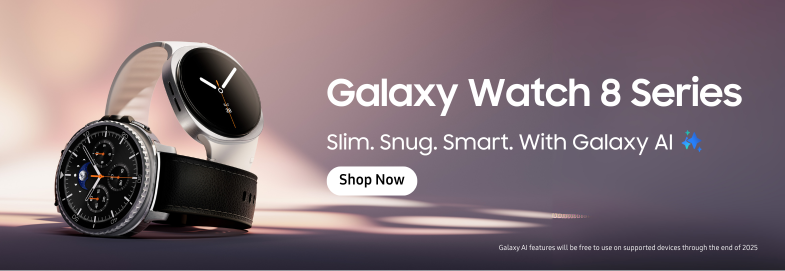
Credit: news.samsung.com
User Experiences And Reviews
Understanding how real users feel about wearing Samsung Gear to sleep can help you decide if it’s right for you. Reviews and experiences reveal both the benefits and challenges people face while using this tech overnight. Let’s look closely at the feedback to see what stands out.
Positive Feedback
Many users appreciate the Samsung Gear’s sleep tracking accuracy. They mention waking up with detailed insights about their sleep stages, helping them improve rest quality.
Comfort is another highlight. Some find the design lightweight and non-intrusive enough to wear all night without disturbance.
- Improved awareness of sleep patterns
- Helpful vibration alarms that don’t jolt you awake
- Easy syncing with health apps for better tracking
One user shared that after using the Gear for a week, they adjusted their bedtime routine based on the data, leading to feeling more refreshed.
Common Complaints
However, not everyone finds the Samsung Gear comfortable for sleep. Some report feeling the device is bulky or irritating during the night.
Battery life also comes up as a concern. Wearing it overnight can drain the battery faster, requiring more frequent charging.
- Discomfort from the watch band or size
- Inconsistent sleep tracking results in some cases
- Notifications or alerts disturbing sleep unintentionally
Have you thought about whether a device on your wrist might disrupt your natural sleep? Several users mention struggling to fall asleep initially because of the sensation of wearing the Gear.
Expert Opinions
Sleep specialists generally agree that wearable devices like Samsung Gear can be useful but shouldn’t replace professional sleep studies. They emphasize that these gadgets provide estimates rather than clinical-grade data.
Experts suggest using the Gear as a tool to identify sleep habits but advise caution if you feel it causes discomfort or stress.
- Use wearable data as a guideline, not a diagnosis
- Prioritize comfort to avoid sleep disruption
- Consult a healthcare professional for persistent sleep issues
Would you trust a device’s data over how rested you actually feel? Experts remind us that personal experience is key in evaluating sleep quality alongside technology.
Tips For Safe Use At Night
Using Samsung Gear at night can provide useful health data and help track sleep patterns. To ensure comfort and safety, follow these simple tips. These guidelines help avoid skin irritation and extend your device’s lifespan.
Proper Fit And Adjustment
Wear the gear snug but not too tight. A tight fit can cause discomfort and affect blood flow. Adjust the strap to keep the sensor in contact with your skin. Avoid wearing it too loosely to prevent inaccurate readings. Check the fit before going to bed for a comfortable feel all night.
Battery Management
Charge your Samsung Gear fully before sleep. Avoid using the device if the battery is low to prevent sudden shutdowns. Turn off unnecessary features like GPS or always-on display to save power. This helps the device last through the night and provides consistent data.
Cleaning And Maintenance
Clean the device regularly to prevent skin irritation. Use a soft, damp cloth to wipe the band and sensor area. Avoid harsh chemicals that can damage materials or cause allergies. Let the gear dry completely before wearing it again. Keeping it clean helps maintain accurate tracking and comfort.
Alternatives For Sleep Monitoring
Tracking sleep can improve rest quality and health. Many people seek tools beyond smartwatches for better accuracy and comfort. Various alternatives offer focused features to monitor sleep patterns effectively. These options suit different budgets and preferences. Explore some popular choices below.
Dedicated Sleep Trackers
Devices designed only for sleep tracking often provide detailed insights. They measure heart rate, breathing, and movement with high precision. Many come as small bands or under-mattress sensors. Their design focuses on comfort during sleep. Some popular brands include Fitbit and Withings. These trackers offer easy-to-understand sleep reports.
Smartphone Apps
Apps use phone sensors to detect sleep stages and duration. They often require placing the phone on the mattress or near the bed. Many apps include sound recording to catch snoring or sleep talking. Users can see sleep trends and tips to improve rest. Apps like Sleep Cycle and Pillow are common choices. They provide basic tracking without extra devices.
Other Wearable Devices
Wearables like rings or chest straps offer an alternative to smartwatches. These devices are light and less intrusive during sleep. They track heart rate, oxygen levels, and motion. Some devices can monitor stress and recovery too. Examples include Oura Ring and Polar H10. These wearables often last longer on a single charge.
Frequently Asked Questions
Can I Safely Wear Samsung Gear While Sleeping?
Yes, you can wear Samsung Gear during sleep. It tracks sleep patterns without causing harm. Ensure the device fits comfortably and isn’t too tight to avoid discomfort.
Does Samsung Gear Improve Sleep Quality?
Samsung Gear monitors sleep stages and duration. It provides insights to improve sleep habits but does not directly enhance sleep quality. Use the data to adjust your routine.
Will Samsung Gear Cause Skin Irritation Overnight?
Samsung Gear is designed for all-day wear, including overnight. However, prolonged wear may cause mild irritation if the strap is too tight or skin is sensitive. Clean the device regularly.
How Accurate Is Samsung Gear Sleep Tracking?
Samsung Gear offers fairly accurate sleep tracking using motion and heart rate sensors. It may not be as precise as medical devices but provides useful sleep pattern data for personal use.
Conclusion
Wearing Samsung Gear to sleep can be helpful for some people. It tracks sleep patterns and heart rate well. Yet, comfort matters most during sleep. Some might find it bulky or distracting at night. Always listen to your body’s signals.
Try it a few nights before deciding. Remember, good sleep is key to health. Choose what feels best for your rest. Sleep well, feel better each day.