Are you curious if your Samsung Gear Fit 2 can track your sleep without you lifting a finger? Understanding how your device monitors your rest can help you get better insights into your sleep patterns and improve your overall health.
You’ll discover whether the Gear Fit 2 automatically tracks your sleep and how to make the most of its features. Keep reading to unlock the full potential of your fitness tracker and take control of your sleep quality.

Credit: www.amazon.com
Samsung Gear Fit 2 Sleep Tracking Features
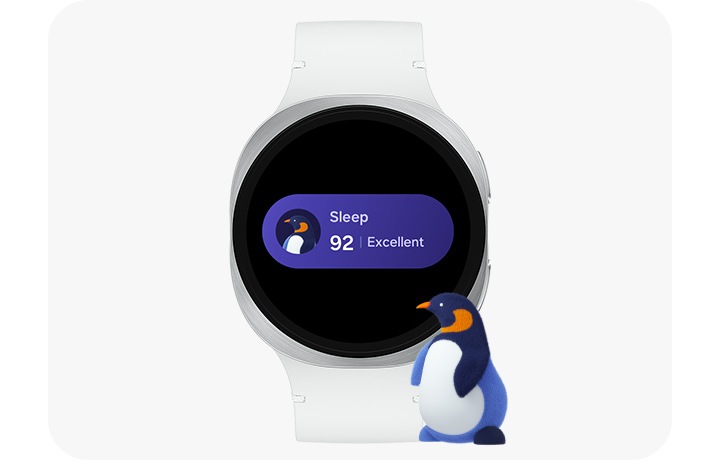
The Samsung Gear Fit 2 offers a variety of sleep tracking features. It helps users understand their sleep patterns and quality. The device works quietly in the background, collecting data throughout the night. Users can view detailed sleep reports on their phone. This data supports better sleep habits and overall health.
Built-in Sensors
The Gear Fit 2 includes several sensors that track sleep automatically. A heart rate monitor checks your pulse continuously. An accelerometer detects movements during sleep. These sensors combine to create a clear sleep profile. No extra setup is needed to start tracking.
Sleep Stages Monitored
The device tracks different sleep stages during the night. It identifies light, deep, and REM sleep phases. Each stage plays a vital role in rest and recovery. The Gear Fit 2 shows how much time you spend in each stage. This insight helps improve sleep quality over time.
Credit: www.samsung.com
Automatic Sleep Detection
Automatic sleep detection is a key feature of the Samsung Gear Fit 2, designed to track your sleep patterns without requiring manual input. This means you don’t have to remember to start or stop sleep tracking each night. The device aims to provide insights into your sleep quality by sensing when you fall asleep and wake up, making it easier to monitor your rest habits over time.
How It Works
The Gear Fit 2 uses a combination of sensors to detect sleep automatically. It monitors your movement using an accelerometer and tracks heart rate changes through its optical sensor. When your movements slow down significantly and your heart rate drops, the device assumes you’ve fallen asleep.
This process runs quietly in the background, so you don’t need to press any buttons before bed. The watch then records the duration and stages of your sleep, such as light, deep, and REM sleep, based on your movement and heart rate patterns. You’ll find this data synced with the Samsung Health app for easy review.
Accuracy Factors
While automatic detection is convenient, its accuracy can vary depending on several factors. If you move a lot during sleep or wear the device loosely, the sensors might misinterpret your activity and skip parts of your sleep. Similarly, irregular heart rates or external disturbances can affect readings.
Your sleeping environment also plays a role. For instance, if you share a bed or have pets moving nearby, the device might confuse those movements with your own. Have you noticed any discrepancies between what the Gear Fit 2 reports and how rested you actually feel? That could hint at these accuracy challenges.
To improve precision, make sure the Gear Fit 2 fits snugly on your wrist and wear it consistently. Regularly syncing your device with the Samsung Health app and updating the firmware can also enhance tracking reliability. Understanding these factors helps you get the most out of automatic sleep detection and make better decisions about your sleep health.
Setting Up Sleep Tracking
The Samsung Gear Fit 2 tracks sleep automatically once you wear it to bed. It records your sleep stages without needing manual setup. Just ensure the device is properly worn for accurate tracking.
Setting up sleep tracking on your Samsung Gear Fit 2 is a straightforward process that can enhance your understanding of your sleep patterns. By optimizing the settings and wearing the device correctly, you can unlock valuable insights into your nightly rest. Let’s dive into the steps to ensure your Gear Fit 2 tracks your sleep seamlessly.App Configuration
To start, make sure your Gear Fit 2 is paired with the Samsung Health app on your smartphone. This app will serve as your central hub for all health-related data, including sleep patterns. Navigate to the sleep tracking section within the app and confirm that sleep detection is activated. Ensure your app permissions are set correctly. Allow the app to access necessary data to reflect accurate sleep insights. By keeping the app updated, you guarantee access to the latest features and improvements.Wear Tips For Better Tracking
Wearing your Gear Fit 2 correctly is crucial for accurate sleep tracking. Position the device snugly on your wrist, not too tight to cause discomfort but secure enough to ensure it remains in place throughout the night. Consider adjusting your sleep environment to aid in better tracking. A dark, quiet room can help you fall asleep faster and stay asleep, providing more data for your Gear Fit 2 to analyze. Have you ever noticed discrepancies in sleep data? It might be linked to how you wear your device. Ensuring consistent placement and maintaining a regular sleep schedule can help improve accuracy. Are you ready to take charge of your sleep health with your Samsung Gear Fit 2? With these setup tips, you’re well on your way to understanding your sleep patterns better.
Credit: www.walmart.com
Analyzing Sleep Data
Analyzing your sleep data is key to understanding your rest quality. The Samsung Gear Fit 2 collects detailed sleep information automatically. This data helps you see patterns and identify issues affecting your sleep. The device syncs with the Samsung Health app for easy review and interpretation.
Using Samsung Health
Samsung Health is the main app for viewing sleep data from the Gear Fit 2. It shows graphs and charts that track your sleep stages. You can see how long you spent in light, deep, and REM sleep. The app updates daily, giving a clear view of your sleep trends over time.
Sleep tracking data includes:
- Total sleep duration
- Time spent awake
- Sleep quality score
This information helps you understand how well you rest each night. Samsung Health also provides tips based on your sleep habits.
Interpreting Sleep Reports
Sleep reports break down your rest into easy-to-understand sections. Light sleep shows when your body is resting but not fully relaxed. Deep sleep is the most restorative phase. REM sleep helps with memory and learning.
Look for consistent sleep times and enough deep sleep. Frequent waking or short sleep periods may indicate rest problems. Using the report, you can adjust your bedtime routine or environment. This helps improve overall sleep quality and daily energy levels.
Limitations And Challenges
The Samsung Gear Fit 2 offers automatic sleep tracking, but it’s not without its limitations and challenges. Understanding these can help you set realistic expectations and get the most accurate data possible. Let’s look at some common issues users face and how sleep tracking might impact your device’s battery life.
Common Tracking Issues
Sleep tracking with the Gear Fit 2 isn’t always perfect. Sometimes, it may miss light sleep phases or confuse periods of inactivity with actual sleep. If you move a lot in your sleep or take naps, the device might not accurately capture those moments.
One user shared how the tracker failed to log their wake-ups during the night, showing an uninterrupted sleep pattern instead. This can make it hard to rely solely on the device for understanding your sleep quality.
Are you noticing inconsistencies in your sleep reports? Try adjusting how tightly you wear the band or syncing the device regularly to improve accuracy.
Battery Impact
Tracking your sleep automatically means the Gear Fit 2 stays active throughout the night, which drains the battery faster than usual. If you rely on your device all day, this can be inconvenient since you might need to charge it more often.
Users often find themselves choosing between longer battery life and continuous sleep monitoring. Charging habits need to shift, perhaps charging the device during your morning routine or while you’re at work.
Have you considered how often you’re willing to charge your Gear Fit 2? Balancing sleep tracking with battery life is key to getting the best experience.
Comparing With Other Devices
Comparing the Samsung Gear Fit 2’s sleep tracking capabilities with other popular devices helps you understand what you’re really getting. Each device uses different sensors and algorithms, which can affect how well they monitor your sleep stages and overall rest quality. Let’s break down how the Gear Fit 2 stacks up in terms of accuracy and features.
Sleep Tracking Accuracy
The Gear Fit 2 uses a combination of heart rate monitoring and motion sensors to track your sleep automatically. While this method captures basic sleep patterns, it may not be as precise as devices with advanced sensors like EEG.
Devices like the Fitbit Charge series or the Oura Ring tend to offer more detailed sleep insights. They measure additional variables such as respiratory rate and temperature, which can improve accuracy.
Have you noticed inconsistencies in your sleep data across different devices? That’s common because even small differences in sensor sensitivity or placement can change the results you see.
Feature Differences
Beyond accuracy, the Gear Fit 2 focuses on straightforward sleep data, showing total sleep time and light vs. deep sleep phases. It lacks some of the advanced features found in other trackers.
- Fitbit devices provide sleep score metrics and personalized tips based on your sleep patterns.
- The Garmin Vivosmart offers stress tracking alongside sleep monitoring for a fuller picture of your wellness.
- Oura Ring tracks readiness scores, helping you decide how hard to push yourself during the day.
The Gear Fit 2’s simplicity can be a benefit if you prefer clear, easy-to-understand sleep data without overwhelming details. But if you want deeper analysis or advice, you might feel limited.
What’s more important to you: detailed insights or a simple overview? Your choice will guide which device fits your lifestyle best.
Frequently Asked Questions
Does Samsung Gear Fit 2 Track Sleep Automatically?
Yes, Samsung Gear Fit 2 tracks sleep automatically when worn at night. It detects your sleep patterns without manual input.
How Accurate Is Gear Fit 2’s Sleep Tracking?
The Gear Fit 2 offers reasonably accurate sleep tracking by monitoring movement and heart rate. It provides useful sleep insights.
Can I View Sleep Data On Samsung Gear Fit 2?
Yes, you can view detailed sleep data on the Samsung Health app linked to the Gear Fit 2.
Does Gear Fit 2 Track Different Sleep Stages?
Yes, the device tracks light, deep, and REM sleep stages for a comprehensive sleep analysis.
Conclusion
The Samsung Gear Fit 2 does track sleep, but not fully automatic. You must start sleep mode manually each night. It records your sleep stages and duration well. This helps you understand your sleep patterns better. For easy sleep tracking, remember to activate it before bed.
The device offers useful insights but needs your input. If you want simple, automatic sleep tracking, consider other devices. Overall, Gear Fit 2 gives good data with a small extra step. Sleep tracking can improve with consistent use and care.