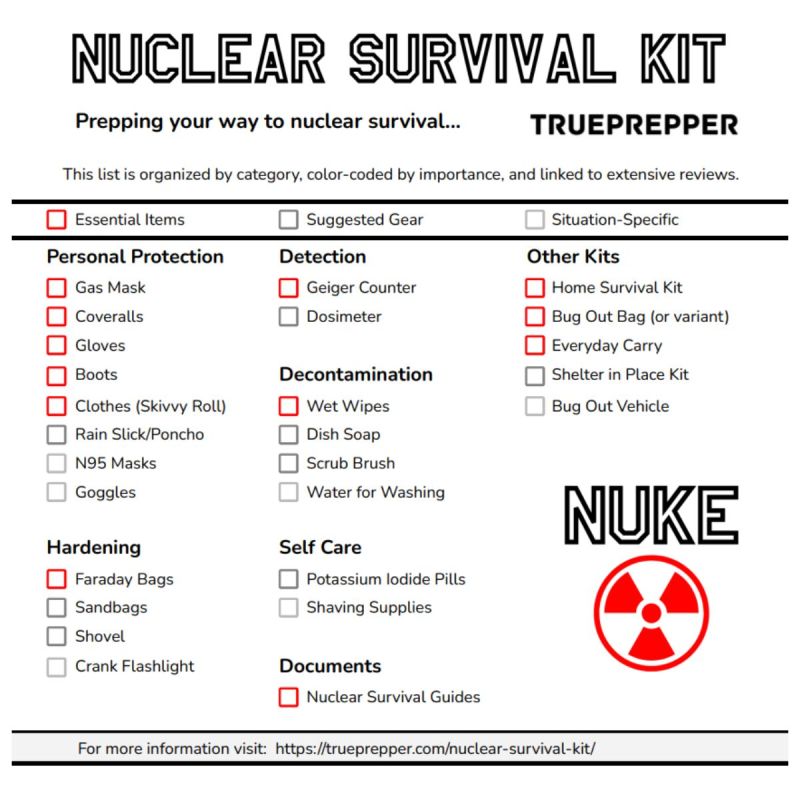
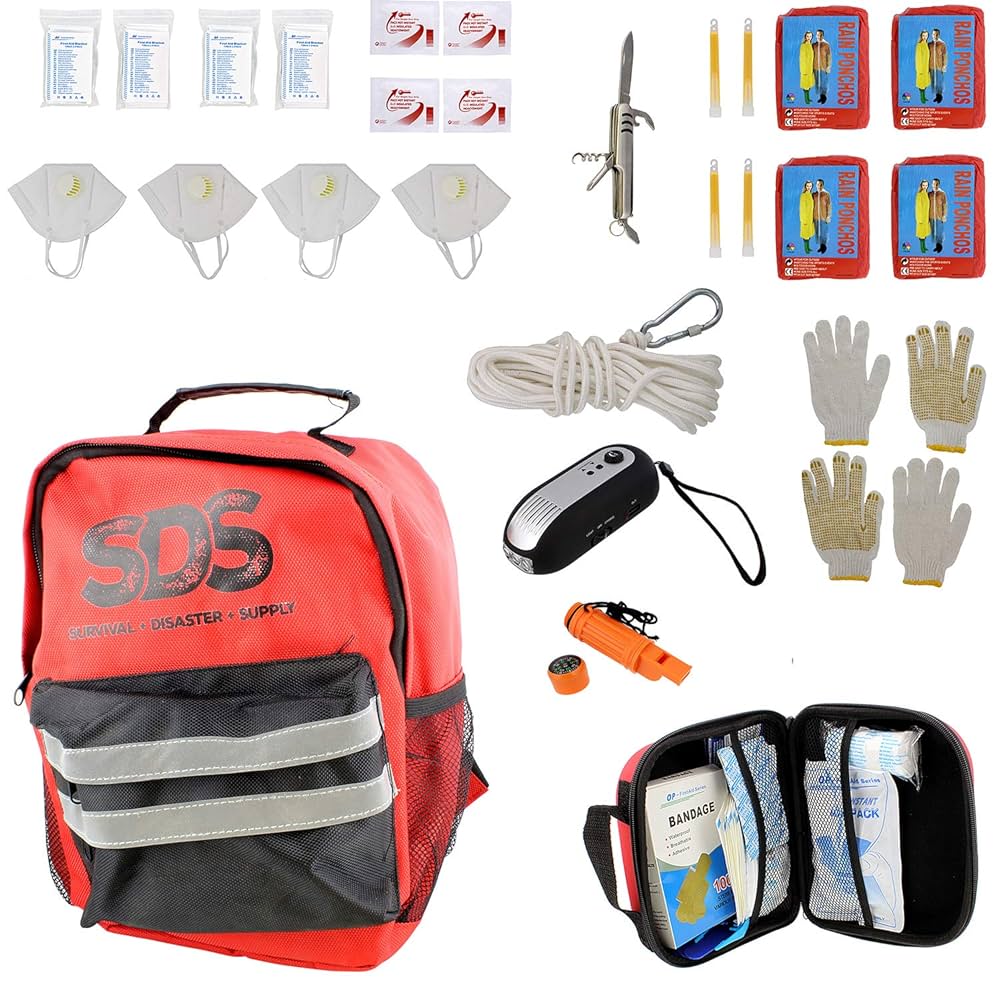
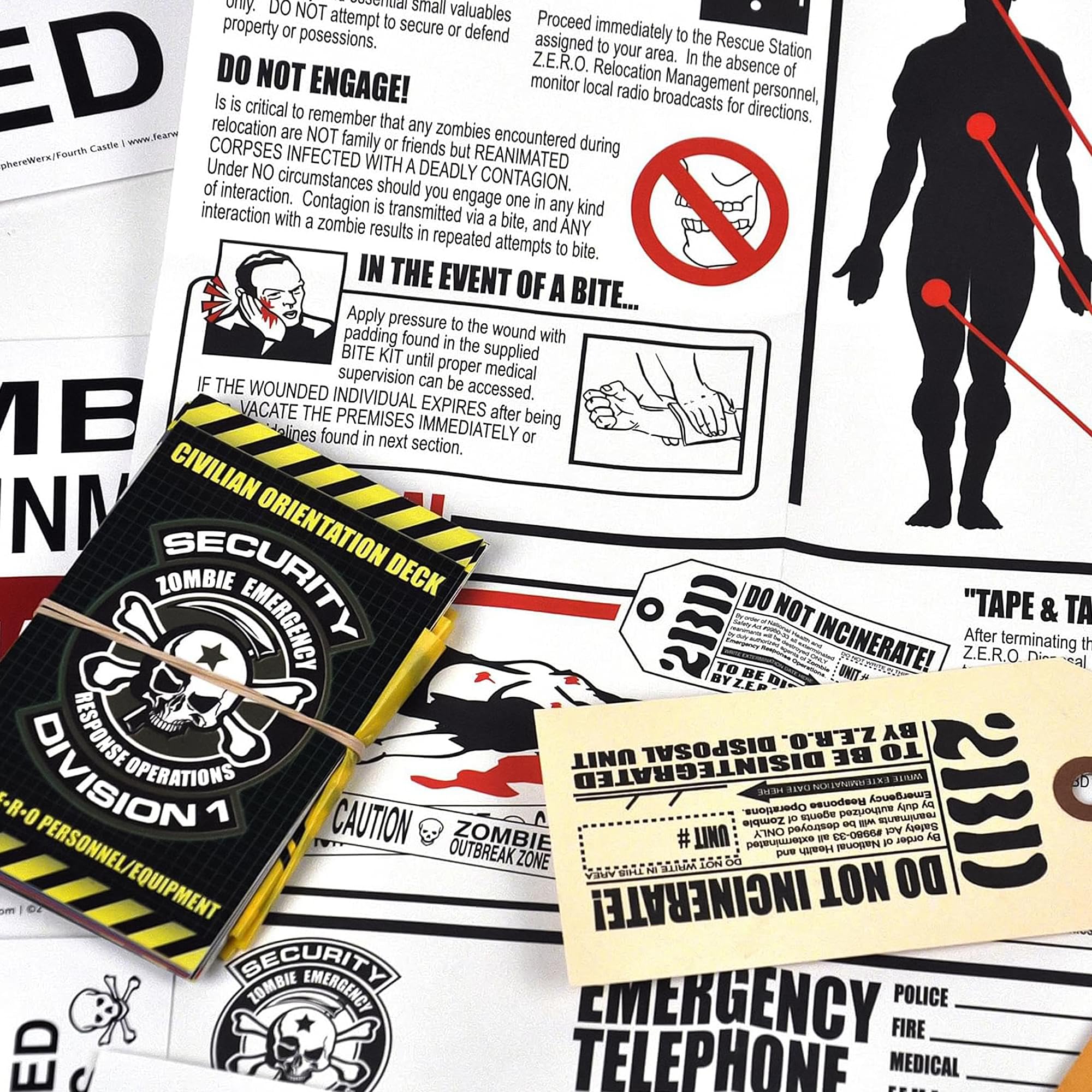
Imagine waking up to a world overrun by zombies. Scary, right?
But what if you were prepared? Your survival depends on what you have ready right now. A well-packed zombie survival kit can mean the difference between safety and danger. You’ll discover exactly what you need to keep yourself alive and secure.
Ready to build your ultimate kit? Keep reading, because every item you add could save your life.

Credit: medium.com
Basic Survival Tools
Basic survival tools form the backbone of your zombie survival kit. These items help you handle a variety of challenges, from building shelter to defending yourself. Without these essentials, your chances of staying safe and comfortable drop significantly.
Multi-tool And Knife
A sturdy multi-tool and a sharp knife are indispensable in any survival situation. They let you cut ropes, open cans, repair gear, and even prepare food. I once used a multi-tool to fix a broken backpack strap during a long hike, which saved me from carrying a heavy load by hand.
Choose a multi-tool with pliers, screwdrivers, and a saw blade. A fixed-blade knife is more reliable for tough tasks like chopping wood. Remember, a dull knife is dangerous—keep your blades sharp and clean.
Fire Starters
Fire is essential for warmth, cooking, and signaling for help. Pack multiple fire-starting methods such as waterproof matches, a lighter, and a ferrocerium rod. This variety ensures you can light a fire even in wet conditions.
Practice using your fire starters before an emergency. You don’t want to fumble with them when time is critical. Think about what materials around you can help ignite a fire quickly.
Flashlights And Batteries
Light gives you a huge advantage after dark, helping you navigate and stay alert. Include a reliable flashlight with extra batteries in your kit. Consider LED flashlights for longer battery life and stronger illumination.
Test your flashlight regularly and replace batteries even if you haven’t used it. Have you ever been caught in the dark with no light source? Don’t let that happen during a zombie encounter.
Food And Water Supplies
Food and water are the cornerstone of any zombie survival kit. Without a steady supply, your chances of staying strong and alert drop fast. Think about how you feel after missing a meal or running low on water—now imagine that in a high-stress survival situation.
Non-perishable Food Items
Choose foods that last long without refrigeration. Canned beans, tuna, and soups are excellent because they pack protein and calories. Energy bars and dried fruits are lightweight, easy to carry, and provide quick fuel when you’re on the move.
Don’t forget comfort foods like chocolate or instant coffee—they can boost morale when things get tough. Also, consider foods that require little to no preparation. You want to avoid relying on fire or cooking equipment that might not be available.
Water Storage And Purification
Water is heavy, so think carefully about how much you can carry. Store water in durable containers like BPA-free bottles or collapsible water bladders. These save space and won’t break easily during a scramble.
Having a purification method is just as important as storing water. Portable filters, purification tablets, or even boiling can make questionable water sources safe to drink. Ask yourself: how will you access clean water if the tap runs dry or becomes contaminated?
First Aid Essentials
Having first aid essentials in your zombie survival kit is not just smart—it’s necessary. Injuries will happen, whether from a zombie encounter or just navigating rough terrain. Being prepared to treat wounds quickly can mean the difference between a minor setback and a serious infection.
Bandages And Dressings
Bandages and dressings are your first line of defense against bleeding and infection. Include a variety of sizes to cover different wounds—from small cuts to deep lacerations. Sterile gauze pads, adhesive bandages, and elastic bandages should be part of your kit.
Consider adding a few trauma dressings designed to stop heavy bleeding fast. Remember, pressure is key to controlling bleeding, so having a reliable way to secure dressings is critical. Have you ever tried to hold a bleeding wound without proper bandages? It’s nearly impossible to do effectively under stress.
Medications And Antiseptics
Medications and antiseptics help prevent infection and manage pain, keeping you functional in a crisis. Pack antibiotic ointments, antiseptic wipes, and hydrogen peroxide to clean wounds properly. These items reduce the risk of infection, which can quickly become life-threatening.
Don’t forget pain relievers like ibuprofen or acetaminophen to keep pain manageable. Also, consider including antihistamines for allergic reactions and any personal prescription medications. Think about how you’ll access these items quickly—delays could worsen your condition.
Credit: www.amazon.com
Protection And Defense
Protection and defense are crucial when facing a zombie outbreak. Your survival kit should equip you to handle threats quickly and effectively. Staying safe means having the right tools and gear at your fingertips.
Weapons And Ammunition
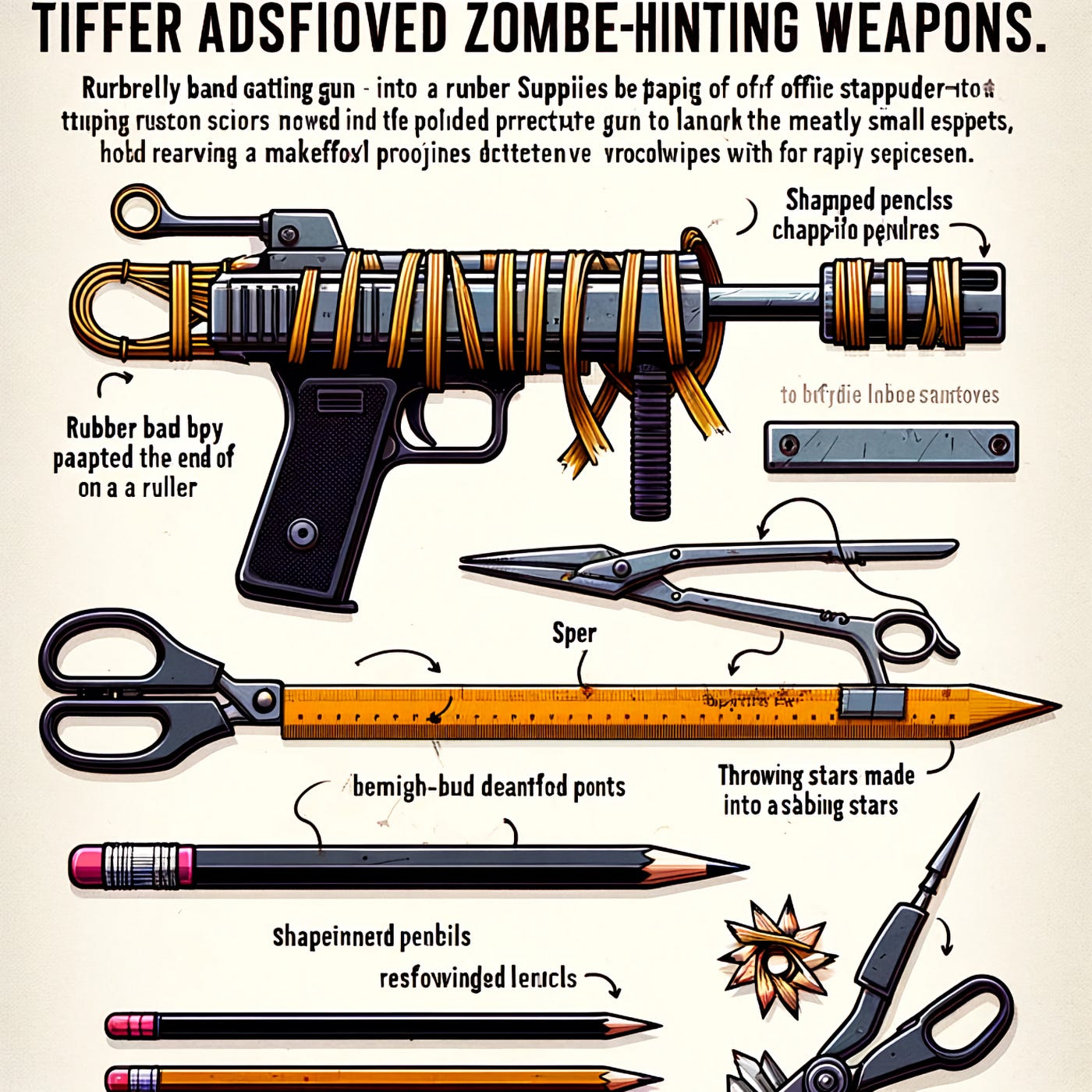
You need reliable weapons that are easy to use under pressure. Consider a mix of melee weapons like a sturdy baseball bat or a crowbar, along with firearms if you are trained to use them safely.
Stock up on ammunition, but remember to choose types that are practical to carry and replenish. Don’t forget silent options like crossbows or bows to avoid attracting more zombies with noise.
Ask yourself: Would you be able to defend yourself quietly and efficiently if zombies surrounded you right now?
Protective Clothing And Gear
Wearing the right clothing can prevent bites and scratches, which are deadly in a zombie scenario. Thick leather gloves, long sleeves, and sturdy boots are essential items.
Additional gear like helmets, knee pads, and goggles protect your head, joints, and eyes during close encounters. Think about what you wear every day and how you can upgrade it to increase your defense.
Have you tested your gear for comfort and durability? Protection is useless if it slows you down or restricts your movement.
Communication Devices
Communication devices are crucial in a zombie survival kit. They help you stay connected with others and share important information. Without reliable communication, coordinating with your group becomes difficult. These tools can also alert you to dangers or safe zones nearby. Choose devices that work without cell towers since networks may fail. Battery life and ease of use matter too. Here are key types of communication devices to include.
Radios And Signal Tools
Two-way radios are a top choice for zombie survival. They let you talk to your team instantly. Look for models with long range and clear sound. Hand-crank or solar-powered radios avoid dead batteries. Signal mirrors and whistles can attract help or warn others. Flashlights with strobe mode also serve as visual signals. Keep these tools accessible and practice using them often.
Emergency Contact Methods
Have a list of emergency contacts written on waterproof paper. Include phone numbers, radio channels, and meeting points. Use pre-arranged codes or phrases for quick messages. Text messages or apps may not work, so rely on simple signals. Carry a notepad and pen for leaving messages if separated. Clear communication saves lives during a zombie outbreak.
Shelter And Comfort
Having a solid plan for shelter and comfort is essential in any zombie survival scenario. Your ability to rest, stay dry, and regulate body temperature directly affects your alertness and energy. Without a safe and comfortable place to sleep, even the toughest survivors will struggle.
Tents And Sleeping Bags
A reliable tent can be your fortress against the elements and wandering threats. Look for tents that are lightweight, easy to set up, and provide waterproof protection. I once tried a bulky tent during a camping trip, and its complicated setup wasted precious time—choose simplicity.
Sleeping bags should match the climate you expect to face. A bag rated for cold weather might be heavy and unnecessary in warm conditions, while a lightweight bag won’t protect you from cold nights. Consider a sleeping pad as well; it adds insulation and comfort from the hard ground, improving your rest quality.
Clothing For Various Weather
Clothing can make or break your survival experience. Pack layers so you can adjust to changing temperatures quickly. I learned this the hard way when a sudden cold snap left me shivering because I only had one jacket.
- Base layers:Moisture-wicking materials keep sweat away from your skin.
- Insulating layers:Fleece or wool traps heat effectively.
- Outer layers:Waterproof and windproof jackets shield you from rain and wind.
Don’t forget durable footwear and extra socks. Wet feet can lead to blisters and infections, which you cannot afford when you’re on the move. Are your clothes versatile enough to keep you comfortable and protected in unexpected weather changes?
Navigation Aids
Navigation aids are vital in a zombie survival kit. They help you find your way through unknown or dangerous areas. Without reliable navigation, getting lost is easy and dangerous. Choosing the right tools can save time and energy during an emergency.
Maps And Compasses
Maps show the terrain, roads, and landmarks. Paper maps do not need batteries or signals. They are simple, reliable, and easy to carry. A compass helps you find direction using the Earth’s magnetic field. Together, maps and compasses work well in any weather or location. Practice reading maps and using a compass before an emergency.
Gps Devices
GPS devices provide exact locations using satellites. They are useful for quick and accurate navigation. Many GPS units offer extra features like tracking routes and waypoints. Keep spare batteries or a solar charger for power. Remember, GPS devices may lose signal in dense forests or urban areas. Combine GPS with traditional tools for best results.
Credit: medium.com
Additional Survival Items
Additional survival items can make a big difference during a zombie apocalypse. They help maintain health, safety, and daily function. Having more than just food and weapons is key to lasting longer in tough conditions.
These items support personal care and prepare you for unexpected situations. They improve comfort and increase your chances of survival.
Personal Hygiene Supplies
Staying clean prevents illness and infection. Pack simple hygiene items that take little space but offer great value.
- Soap and hand sanitizer to kill germs
- Toothbrush and toothpaste for dental health
- Feminine hygiene products
- Wet wipes for quick cleaning
- Small towel or washcloth
- Disposable razor for grooming
- Travel-size deodorant to reduce odor
Good hygiene keeps morale high and helps avoid sickness. It also reduces the risk of spreading disease in close quarters.
Important Documents And Cash
Keep copies of critical documents in a waterproof bag. They prove your identity and may help you find help or shelter.
- Identification cards and passports
- Medical records and prescriptions
- Emergency contacts list
- Insurance papers
- Maps of your area
- Cash in small bills
Cash is useful when electronic payments fail. Paper money can buy supplies or services from others.
Frequently Asked Questions
What Essentials Are In A Zombie Survival Kit?
A zombie survival kit should include food, water, first aid supplies, and a flashlight. Add a multi-tool, map, and compass for navigation. Don’t forget a portable charger and batteries. A sturdy backpack will help you carry everything. Finally, include a reliable weapon for protection.
How Much Food And Water Is Needed?
Pack at least three days’ worth of non-perishable food and water. Each person needs one gallon of water per day. Consider energy bars, canned goods, and dried fruits. Choose items that require no cooking and have a long shelf life.
Why Is A First Aid Kit Important?
A first aid kit is crucial for treating injuries and preventing infections. Include bandages, antiseptic wipes, and pain relievers. Add gauze, adhesive tape, and any personal medications. A well-stocked kit can help manage minor injuries and reduce the risk of complications.
What Tools Are Necessary For Survival?
Essential tools include a multi-tool, flashlight, and a fire starter. A knife is useful for protection and utility. Keep a map and compass for navigation. Include a portable charger for devices. These tools help with basic survival tasks and emergencies.
Conclusion
A well-packed zombie survival kit can save your life. Keep food, water, and first aid supplies ready. Tools like a flashlight and a knife are helpful. Don’t forget to include clothes and important documents. Stay calm and prepared for any situation.
Practice using your kit regularly. Being ready brings peace of mind. Stay safe, stay smart.