Imagine finding yourself in an unexpected situation where help is far away, and your safety depends on the things you have with you. What items would you want at your fingertips?
Knowing exactly what to put in a survival kit can make all the difference between feeling helpless and staying calm and prepared. You’ll discover the essential items that belong in your survival kit list. By the time you finish reading, you’ll be ready to build a kit that keeps you safe no matter the challenge ahead.
Keep reading—your peace of mind could depend on it.
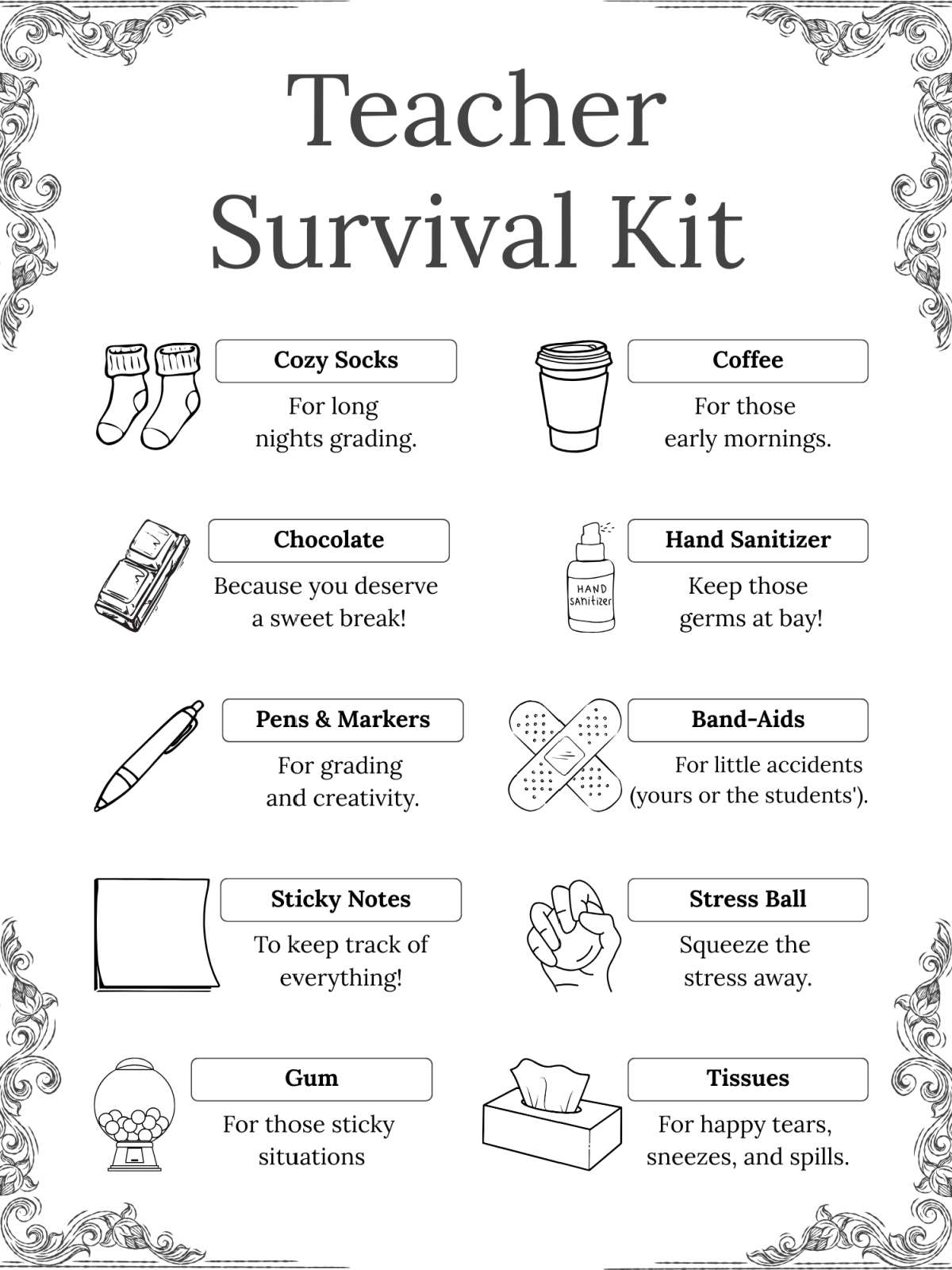
Credit: kidsactivitiesblog.com
Basic Survival Tools
Basic survival tools are essential for any survival kit. These tools help you handle common challenges in emergencies. They provide safety, warmth, light, and communication. Each tool should be compact, durable, and easy to use. Carrying the right tools can make a big difference in survival situations.
Multipurpose Knife
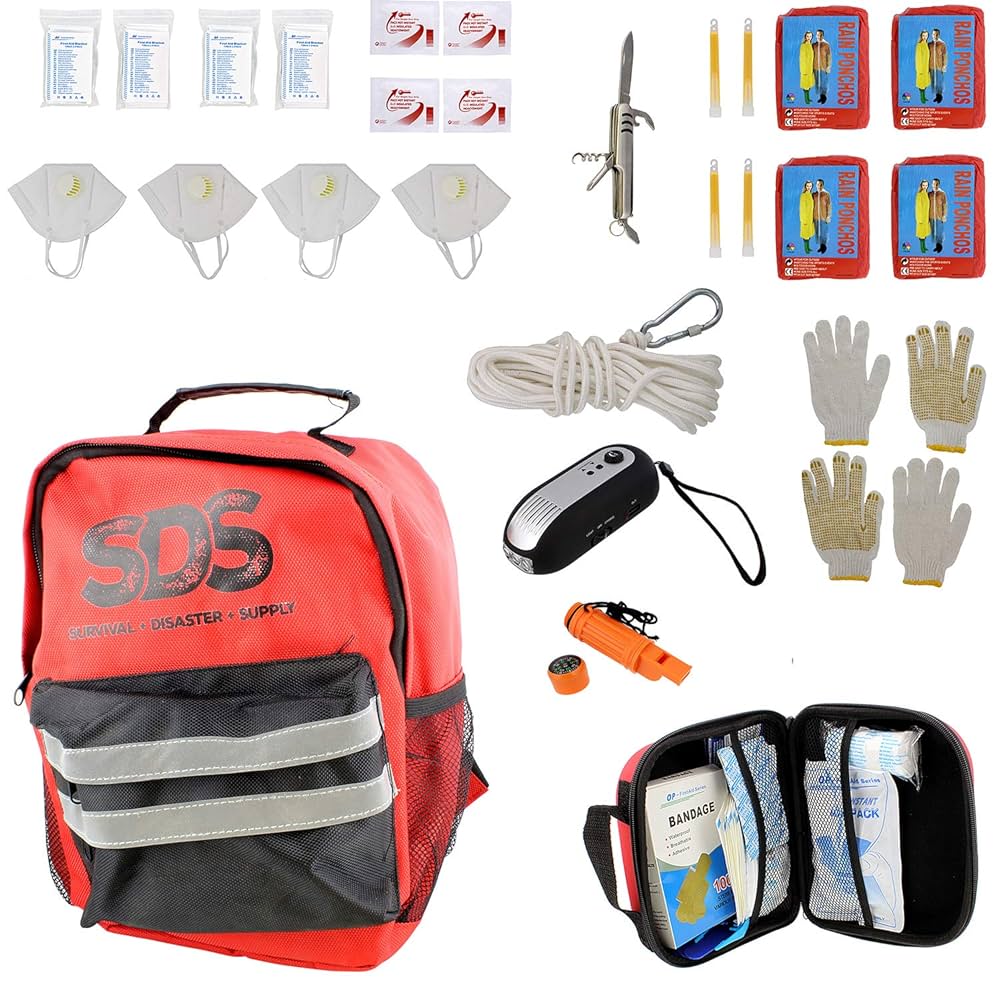
A multipurpose knife is a must-have in any survival kit. It can cut ropes, prepare food, and build shelter. Choose a knife with a strong blade and a comfortable handle. A folding knife saves space and adds safety. Look for one with extra tools like a screwdriver or can opener.
Fire Starters
Fire starters help you make fire quickly and easily. Fire provides warmth, cooks food, and signals for help. Include waterproof matches, a lighter, or a magnesium fire starter. Pack enough to last several days. Keep them in a dry, safe place inside your kit.
Flashlight And Batteries
A flashlight lights your path in the dark. It helps you find things and stay safe at night. Choose a compact, bright LED flashlight. Carry extra batteries to keep it working longer. Test the flashlight regularly to ensure it works when needed.
Emergency Whistle
An emergency whistle helps you call for help. It makes a loud sound that travels far. Use it to signal rescuers or warn others of danger. A whistle is small and light, easy to carry on your kit. Practice using it so you can signal clearly in emergencies.
Shelter And Warmth
Keeping yourself protected from the elements is a top priority in any survival situation. Shelter and warmth not only shield you from harsh weather but also help maintain your energy and morale. What would you pack to stay dry and warm if you had only a few minutes to grab your survival kit?
Compact Tent Or Tarp
A compact tent or tarp is essential for creating a quick shelter. Tents offer enclosed protection against rain, wind, and insects, while tarps are lightweight and versatile for building improvised shelters. Choose a model that’s easy to set up and durable enough for the conditions you might face.
Sleeping Bag Or Blanket
A quality sleeping bag designed for the lowest expected temperature can make the difference between comfort and hypothermia. If space is limited, a thermal blanket or bivvy sack can provide crucial insulation. Think about the climate you’ll be in and select gear that retains heat without adding too much bulk.
Extra Clothing
Always pack extra layers to adjust to changing weather. Include moisture-wicking base layers, insulating mid-layers, and a waterproof outer shell. Having dry clothes to change into can prevent chills and keep your body temperature stable during cold nights.
Hand Warmers
Hand warmers are small but powerful tools for maintaining body heat. They’re lightweight, easy to carry, and can provide several hours of warmth. Stash a few in your kit to keep your fingers nimble and avoid frostbite when temperatures drop unexpectedly.
Food And Water Supplies
Food and water supplies are crucial for any survival kit. They keep you energized and hydrated during emergencies. Choosing the right items ensures long shelf life and easy preparation. Compact and lightweight options save space and weight. Always plan for at least three days of sustenance.
Non-perishable Food Items
Non-perishable foods last long without refrigeration. Choose items that are high in calories and nutrients. Examples include:
- Canned beans and vegetables
- Dry pasta and rice
- Energy bars and trail mix
- Dehydrated meals and instant soups
- Peanut butter and nut butters
Look for foods that require minimal cooking and water. Store them in airtight containers to avoid spoilage.
Water Purification Tablets
Water purification tablets make unsafe water drinkable. They kill bacteria and viruses quickly. These tablets are lightweight and easy to carry. Include enough tablets to treat several liters of water. Follow instructions carefully for best results.
Collapsible Water Container
A collapsible water container saves space in your kit. It can hold a few liters of water safely. When empty, it folds flat for easy storage. Choose BPA-free and durable materials. Clean it regularly to prevent contamination.
Portable Stove And Fuel
A portable stove lets you cook meals anywhere. Small, lightweight models work best for survival kits. Carry enough fuel to last a few days. Test your stove before an emergency to ensure it works well. Cooking hot food helps maintain body warmth and morale.
First Aid Essentials
First aid essentials are the backbone of any survival kit. You never know when a small injury could turn into a serious problem without the right supplies. Having these items ready can help you treat wounds quickly and avoid infections.
Bandages And Dressings
Bandages and dressings protect wounds from dirt and bacteria. Include a variety of sizes, such as adhesive strips for small cuts and larger sterile pads for deeper wounds. Having both gauze rolls and non-stick dressings gives you flexibility in treating different injuries.
Think about the last time you had a scrape—did a simple bandage make a big difference? That’s why these basic supplies should never be overlooked.
Antiseptic Solutions
Cleaning wounds is crucial to prevent infection. Pack antiseptic wipes, iodine solution, or hydrogen peroxide. These kill germs and help your cuts heal faster.
Remember, clean wounds heal better. What would you do if you had no way to disinfect a fresh injury in the wild?
Pain Relievers
Pain relievers like ibuprofen or acetaminophen help you manage discomfort and reduce inflammation. They also lower fever, which can be vital if you’re injured or sick. Keep these in their original packaging to avoid confusion.
Imagine dealing with pain while trying to focus on survival tasks—having pain relief can make a huge difference in your ability to think clearly and stay calm.
Medical Tape And Scissors
Medical tape secures dressings and bandages in place, ensuring wounds stay covered. Scissors are necessary to cut tape, clothing, or bandages quickly and cleanly. Opt for small, sharp scissors designed for medical use.
Without tape and scissors, you might struggle to keep a dressing on during movement. Have you ever tried improvising with limited tools? Proper equipment saves time and frustration.
Navigation And Communication
Having reliable navigation and communication tools in your survival kit can make the difference between being lost and finding your way to safety. These items help you stay oriented and connect with others when you need help the most. Are you prepared to signal for rescue or navigate unfamiliar terrain with confidence?
Compass And Maps
A compass paired with detailed maps is essential for finding your direction when technology fails. Knowing how to read a map and use a compass allows you to navigate through forests, mountains, or deserts without relying on GPS.
Carry waterproof maps of the area you plan to be in, and practice using your compass before you need it. This simple skill can keep you moving forward instead of wandering in circles.
Personal Locator Beacon
A Personal Locator Beacon (PLB) is a device that sends a distress signal with your GPS location to emergency responders. If you get lost or injured, activating a PLB can bring help quickly.
Unlike cell phones, PLBs work in remote areas without coverage. Investing in one gives you peace of mind knowing you can call for help even from the most isolated spots.
Two-way Radios
Two-way radios allow you to communicate with others nearby without relying on cellular networks. This is especially useful if you are traveling with a group or need to coordinate with rescue teams.
Choose radios with a good range and durable build. Keep extra batteries or a solar charger handy to ensure you don’t lose contact when it matters most.
Signal Mirror
A signal mirror is a lightweight, simple tool that reflects sunlight to attract attention over long distances. It can be spotted by rescuers from miles away if used correctly.
Practice flashing the mirror in open areas to understand its effectiveness. It’s a low-tech, no-battery backup that can turn the tide in a critical moment.
Personal Safety Items
Personal safety items protect you from common hazards during emergencies. These tools keep you safe from cuts, germs, bugs, and sun damage. Including them in your survival kit ensures you stay healthy and comfortable. Each item serves a specific role in maintaining your well-being.
Protective Gloves
Protective gloves shield your hands from cuts, dirt, and infections. Use durable gloves made from materials like leather or nitrile. They help when handling rough objects or cleaning wounds. Gloves reduce the risk of germs entering your body.
Dust Masks
Dust masks prevent dust, smoke, and harmful particles from entering your lungs. They improve breathing in dusty or smoky environments. Choose masks that fit snugly over your nose and mouth. Masks can also reduce the spread of germs.
Insect Repellent
Insect repellent keeps bugs and mosquitoes away. This lowers the risk of bites and diseases. Select a repellent with DEET or natural ingredients like citronella. Apply it regularly on exposed skin during outdoor activities.
Sunscreen
Sunscreen protects your skin from harmful UV rays. It prevents sunburn and long-term skin damage. Use a sunscreen with SPF 30 or higher. Apply it to all exposed skin, especially on bright, sunny days.
Additional Survival Gear
Additional survival gear enhances your chances in emergency situations. These tools offer versatility and solve unexpected problems. They are lightweight and easy to carry. Including these items can make your survival kit more practical and reliable.
Paracord
Paracord is a strong, lightweight rope. It can secure shelters, tie gear, or make traps. The inner strands are useful for fishing lines or sewing thread. Paracord is a small item with many uses.
Duct Tape
Duct tape fixes almost anything quickly. It repairs torn clothes, gear, or even shelters. You can use it to seal wounds or prevent blisters. Carry a small roll to save space and weight.
Fishing Kit
A compact fishing kit provides a food source. It usually includes hooks, lines, and sinkers. Fishing can supply protein when other food runs out. This kit is lightweight and easy to pack.
Emergency Cash
Cash is vital if electronic payments fail. Keep small bills in a waterproof bag. Cash helps buy food, fuel, or transport during crises. Always have some money hidden in your kit.
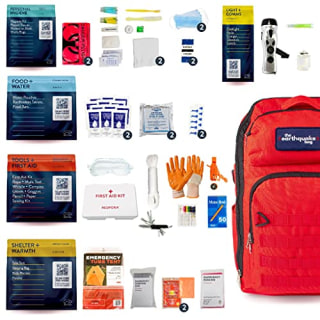
Credit: www.nbcnews.com

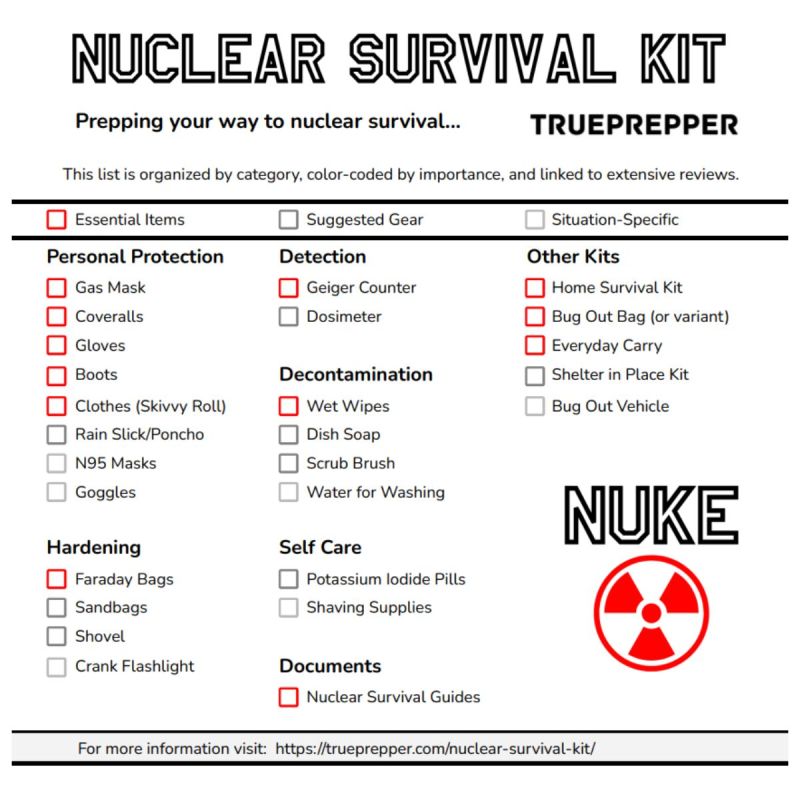
Credit: trueprepper.com
Frequently Asked Questions
What Essentials Are Needed In A Survival Kit?
A survival kit should include water, non-perishable food, a first aid kit, and a flashlight. Other essentials are a multi-tool, waterproof matches, and a whistle. Consider adding a thermal blanket and emergency contact information too. Tailor your kit to your environment and specific needs.
How Many Days Should A Survival Kit Last?
A survival kit should last at least 72 hours. This is the standard recommendation for emergency preparedness. Having supplies for three days ensures you have time to reach safety or until help arrives. Adjust the duration based on your location and specific circumstances.
Why Is Water Important In A Survival Kit?
Water is crucial for hydration and survival. It’s essential for maintaining body functions. Dehydration can lead to severe health issues in emergencies. Include at least one gallon per person per day. Consider adding water purification tablets or a filter for longer situations.
Should I Include Tools In My Survival Kit?
Yes, tools are vital in a survival kit. A multi-tool is versatile and can handle various tasks. Include a knife for cutting and a flashlight for visibility. Tools can aid in building shelter, preparing food, and signaling for help.
Conclusion
A good survival kit has items for food, water, and shelter. Tools like a flashlight, knife, and first aid are key. Think about your location and climate when packing. Keep your kit small but complete. Check it often and replace old supplies.
Being prepared helps you stay safe in emergencies. Stay calm and ready. Your kit can make a big difference. Start building yours today.