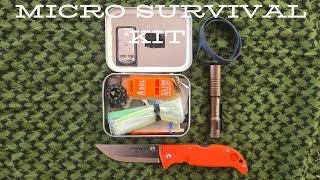
Imagine finding yourself in an unexpected situation where you need to rely on your wits and resources. Whether you’re an avid adventurer or just someone who likes to be prepared, a micro survival kit is your pocket-sized lifeline.
But what exactly should you include in this tiny, yet mighty toolkit? You might think you need to cram in everything you can, but the real art is in choosing the essentials that can make a difference. Curious about what those essentials are and how they can empower you in a pinch?
Stick around to discover the key items that could turn a potential crisis into a manageable challenge. Your peace of mind is just a read away!
Key Survival Priorities
When building a micro survival kit, focusing on key survival priorities can make the difference between comfort and crisis. Your kit should address the most essential needs first—shelter, water, food, and first aid. Each element plays a critical role in keeping you safe and stable when help is far away.
Shelter And Warmth
Keeping your body warm and protected from the elements is your top priority. Without shelter, even mild weather can become life-threatening. Add a compact emergency blanket or a lightweight tarp to your kit. These items don’t take up much space but can retain body heat and shield you from wind and rain.
Have you tested how quickly you can set up your shelter gear? Practicing this helps you stay calm and efficient when it matters most.
Water And Hydration
Water is non-negotiable for survival. Your kit should include a small, durable water bottle and a reliable water purification method. Think about adding purification tablets or a mini filter straw to ensure you can safely drink from natural sources.
Carrying just enough water might feel limiting, but knowing you can purify water on the go changes the game. How confident are you in your ability to find and treat water in the wild?
Food And Nutrition
Food is your energy source, but in a micro kit, it needs to be lightweight and nutrient-dense. Pack high-calorie snacks like nuts, energy bars, or dried fruits. These items provide quick energy without bulky packaging.
Remember, your body burns more calories under stress, so choose foods that are easy to eat and digest. Have you selected snacks that balance taste and energy effectively?
First Aid Essentials
Minor injuries can become major problems without proper care. Include basic first aid items such as adhesive bandages, antiseptic wipes, and pain relievers. A small pair of tweezers and safety pins can also be invaluable for dealing with splinters or securing bandages.
Think about your personal health needs too—do you require any specific medications? Tailoring your first aid supplies to your situation can save precious time and discomfort.
Compact Tools And Gear
Compact tools and gear are the heart of any micro survival kit. They must be small, light, and highly useful. Every item should serve multiple purposes to save space and weight. Quality matters more than quantity for survival situations.
Choose tools that fit comfortably in your hand or pocket. Durable materials ensure your gear lasts when you need it most. Each piece should help solve common problems like cutting, lighting, or starting a fire.
Multi-tools And Knives
Multi-tools combine several tools into one small device. They often include pliers, screwdrivers, scissors, and knives. A good knife is vital for cutting, preparing food, and protection. Look for stainless steel blades for rust resistance. Folding knives or fixed blades both work well depending on your preference.
Fire Starters
Fire is essential for warmth, cooking, and signaling. Compact fire starters like ferro rods or magnesium blocks last a long time. Waterproof matches and small lighters also work. Carry multiple fire-starting options to ensure success in wet conditions.
Lighting Options
Light helps with navigation and safety at night. Mini LED flashlights are bright and energy-efficient. Headlamps free your hands for tasks. Small, rechargeable lights reduce the need for extra batteries. Choose models with multiple brightness settings for versatility.
Navigation And Communication
Navigation and communication tools are essential in any micro survival kit. They help you find your way and call for help when needed. Without these, even a short trip can turn into a dangerous situation.
Compasses And Maps
A reliable compass is a must-have. It doesn’t rely on batteries and works in all weather conditions. Pair it with a detailed local map to know your exact location and plan your route.
Think about a time you lost signal on your phone. Would you still find your way? A compass and map give you confidence and control, even in unfamiliar terrain.
- Choose a compact compass with clear markings.
- Keep a folded waterproof map of your area.
- Learn basic map reading skills before heading out.
Signal Devices
Communication is your lifeline in emergencies. Signal devices help you attract attention quickly. Even small tools can save your life by letting rescuers know where you are.
Consider items like whistles, signal mirrors, or compact flares. A whistle can be heard from far away without draining power, and mirrors reflect sunlight to catch someone’s eye.
- Carry a loud whistle with a distinct three-blast signal pattern.
- Use a small signal mirror for daytime emergencies.
- Include a mini flashlight or headlamp for nighttime signaling.
What signal device would you trust most if you were stranded? Make sure your kit has at least two ways to communicate your location.

Credit: www.youtube.com
Personal Safety Items
Your micro survival kit should always include essential personal safety items. These tools protect you from immediate dangers and help you signal for help if needed. Focusing on compact and effective gear ensures you’re prepared without adding unnecessary bulk.
Protective Gear
Protective gear is a must-have for your personal safety in unexpected situations. Items like gloves can protect your hands from sharp objects or rough surfaces. A compact face mask can shield you from dust, smoke, or harmful particles.
Consider adding safety glasses or goggles to guard your eyes from debris or bright light. Even a small emergency blanket can serve as protection against harsh weather or hypothermia. Think about what hazards you might face and pack gear that keeps you safe without weighing you down.
Emergency Whistles
An emergency whistle is a powerful tool for attracting attention when you need help. Unlike shouting, a whistle can be heard from a greater distance and requires less energy. Carry a small, loud whistle that fits easily in your pocket or on a keychain.
Practice using the whistle with a simple signal pattern, like three short blasts, which is widely recognized as a distress call. Ask yourself: if you were lost or injured, how would you let someone know you need help? A whistle might be the simplest answer.
Packing And Maintenance Tips
Packing and maintaining a micro survival kit needs careful thought. A well-packed kit fits your needs and stays reliable over time. You must choose a container that protects contents and keeps them organized. Regular checks help spot expired or damaged items early.
Keeping your kit ready saves time and stress during emergencies. Small updates ensure items work when you need them most. A good maintenance routine improves your survival chances.
Choosing The Right Container
Select a container that is compact and durable. Waterproof and crush-proof cases work best. Lightweight containers make carrying easier. Clear or translucent cases help quickly find items inside. Look for containers with secure seals to keep moisture out. Consider cases with compartments or foam inserts to organize gear.
Regular Checks And Updates
Inspect your kit every few months. Check expiration dates on food, medicine, and batteries. Replace used or damaged items immediately. Test tools like fire starters and flashlights often. Rotate perishable items to keep supplies fresh. Update contents based on seasonal needs or changes in your location. Keep a checklist to track your inspections and replacements.

Credit: www.youtube.com

Credit: grimworkshop.com
Frequently Asked Questions
What Are Essential Items In A Micro Survival Kit?
A micro survival kit should include a compact knife, fire starter, water purification tablets, and a whistle. These items cover basic needs like cutting, fire-making, hydration, and signaling for help in emergencies.
How To Choose The Best Container For A Micro Survival Kit?
Select a waterproof, durable, and lightweight container. It should be compact enough to carry easily but spacious enough to hold essential survival tools securely.
Can A Micro Survival Kit Fit In Your Pocket?
Yes, a well-packed micro survival kit can fit in your pocket. Prioritize multi-functional, small-sized items to keep it lightweight and portable.
Why Include A Fire Starter In A Micro Survival Kit?
Fire starters provide a reliable way to create fire for warmth, cooking, and signaling. They are essential for survival, especially in wet or cold conditions.
Conclusion
A micro survival kit keeps you ready for small emergencies. Choose items that are light, useful, and easy to carry. Focus on basics like fire, water, and first aid supplies. Keep your kit simple but effective. Check it often to replace old or used items.
This small kit can make a big difference in tough situations. Stay prepared, stay safe, and trust your kit. Small steps lead to peace of mind.