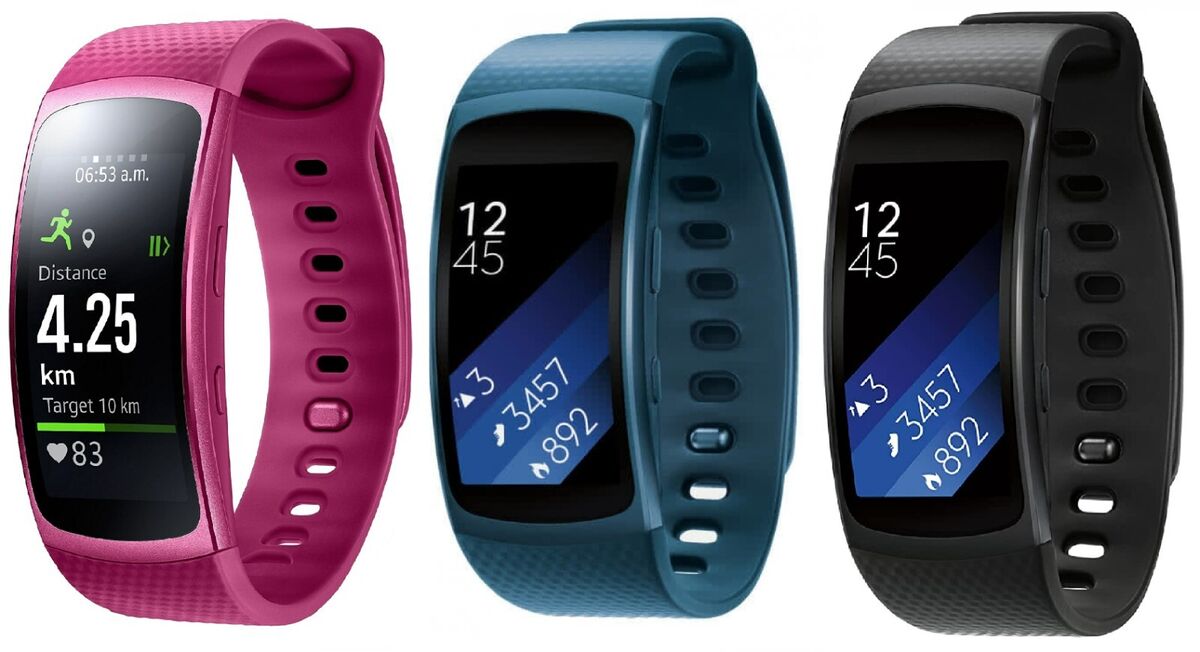
Are you struggling to get the most out of your Sleep Gear Fit 2? Tracking your sleep can unlock valuable insights into your health and help you wake up feeling refreshed.
But if you’re not sure how to start or where to find your sleep data, don’t worry. This guide will show you exactly how to track your Sleep Gear Fit 2, step by step. By the end, you’ll know how to use your device to improve your sleep patterns and take control of your rest like never before.
Keep reading to discover simple tips that make a big difference.
Setting Up Gear Fit 2
Setting up your Gear Fit 2 is the first step to effectively tracking your sleep and getting accurate insights. The process is straightforward but requires attention to detail to ensure everything works smoothly. Let’s walk through the essential steps to get your device ready and connected.
Charging And Powering On
Your Gear Fit 2 needs a full charge before you start using it. Connect the charging cradle to a power source using the supplied cable and place the device on it carefully. The charging indicator will light up, showing that your device is powering up.
Once charged, press and hold the power button on the side until the screen lights up. This signals that your Gear Fit 2 is ready for the next steps. Have you ever noticed how a fully charged device always feels more reliable right from the start?
Installing Required Apps
To track your sleep data, your Gear Fit 2 needs to sync with the Samsung Galaxy Wearable app. Head to the Google Play Store or Apple App Store and download the app to your smartphone. This app is your command center for managing settings and reviewing your sleep patterns.
After installation, open the app and follow the on-screen prompts to set up your profile. Providing accurate information like your age and weight helps improve the accuracy of your sleep tracking. Do you keep your health apps updated regularly to get the best results?
Pairing With Your Smartphone
Pairing your Gear Fit 2 with your phone is essential for seamless data transfer. Open the Galaxy Wearable app and select “Add new device” to start the Bluetooth pairing process. Make sure Bluetooth is enabled on your phone for a smooth connection.
Once your Gear Fit 2 appears on the list, tap to connect and accept any permission requests. This connection enables real-time syncing of sleep data and notifications, making your tracking experience hassle-free. How often do you check your sleep stats to adjust your habits?
Credit: www.tomsguide.com
Configuring Sleep Tracking
Configuring your Sleep Gear Fit 2 to track sleep accurately is key to understanding your rest patterns. Getting this setup right lets you see clear insights and make better choices about your sleep habits. Let’s look at how you can tailor the sleep tracking features to fit your personal needs.
Accessing Sleep Settings
Start by opening the Gear Fit 2’s companion app on your phone. Navigate to the settings menu and find the section labeled ‘Sleep’ or ‘Sleep Tracking.’
Here, you can view options related to how your device monitors your sleep stages and duration. If you’ve struggled with inaccurate readings before, double-check that your device’s firmware is up to date—it can improve tracking precision.
Adjusting Sleep Goals
Setting realistic sleep goals is crucial. Within the sleep settings, you can input how many hours you aim to sleep each night. This target helps the device give you meaningful feedback.
Think about your typical schedule—do you consistently get 7 hours, or is 8 your ideal? Adjusting this goal to match your lifestyle encourages better tracking and motivates you to meet your personal sleep needs.
Enabling Sleep Mode
Sleep Mode minimizes distractions and optimizes the sensor’s ability to record your sleep accurately. Turn on Sleep Mode manually before going to bed, or set it to activate automatically during your usual sleeping hours.
When enabled, notifications are silenced, and the screen dims to avoid disruptions. Have you noticed a difference in your sleep data when Sleep Mode is on? Many users find this feature essential for cleaner sleep stats.
Using Gear Fit 2 For Sleep Tracking
The Gear Fit 2 is a handy device for tracking sleep. It helps understand sleep patterns and improve rest. The device offers insights into different sleep stages. Let’s explore how to use it effectively.
Wearing Tips For Accuracy
Correct wearing ensures accurate sleep data. Wear the Gear Fit 2 snugly on your wrist. Make sure it’s not too tight or too loose. The sensor should touch your skin for precise readings. Avoid moving the device during sleep for best results.
Starting And Stopping Sleep Tracking
Sleep tracking is automatic on the Gear Fit 2. Make sure the device is charged before bedtime. Wear it as you go to sleep. In the morning, check your sleep stats on the device. You can also view detailed insights in the Samsung Health app. This app provides a breakdown of sleep duration and quality.
Monitoring Sleep Stages
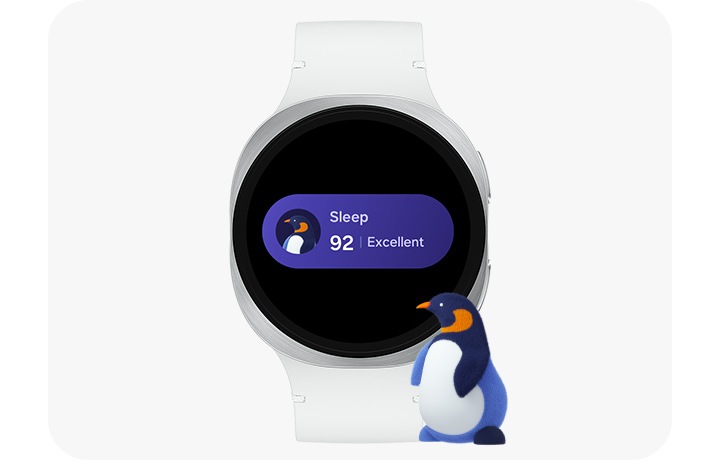
The Gear Fit 2 monitors various sleep stages. It tracks light, deep, and REM sleep. Each stage has a role in rest and recovery. Understanding these stages helps improve your sleep. Check the app for stage-specific data. This information can guide better sleep habits.
Credit: www.samsung.com
Analyzing Sleep Data
Analyzing the sleep data collected by your Gear Fit 2 offers clear insights into your rest quality. Understanding this information helps improve sleep habits. The Samsung Health app organizes this data into simple reports. These reports highlight trends and patterns in your sleep cycle. Let’s explore how to navigate the app, interpret the reports, and identify your sleep patterns.
Navigating The Samsung Health App
Open the Samsung Health app on your phone. Tap the “Sleep” section to view your sleep data. The app shows daily, weekly, and monthly views. Swipe through these to see changes over time. You can also access detailed stats for each sleep session. Use the menu to adjust settings or sync your Gear Fit 2.
Interpreting Sleep Reports
Sleep reports display key metrics like total sleep time and sleep stages. These stages include deep, light, and REM sleep. The app uses graphs and charts for easy reading. Watch for the total hours slept and quality scores. These scores rate how restful your sleep was. Note any irregularities or disruptions shown in the report.
Identifying Sleep Patterns
Look for recurring trends in your sleep data. Check if you sleep more on weekends or weekdays. Notice if certain sleep stages are consistently shorter or longer. Patterns like frequent waking or restless nights stand out. Use this information to adjust bedtime or lifestyle habits. Tracking these patterns over weeks helps improve sleep quality.
Improving Sleep Accuracy
Improving the accuracy of your Gear Fit 2’s sleep tracking helps you get better insights. Precise data shows how well you rest each night. This section covers key tips to enhance sleep tracking reliability.
Regular Firmware Updates
Keep your Gear Fit 2 updated with the latest firmware. Updates fix bugs and improve sensor performance. They also add new features to enhance tracking accuracy. Check for updates regularly in the Samsung Wearable app. Installing updates ensures your device works at its best.
Calibrating Sensors
Calibrate sensors to maintain precise tracking. Calibration adjusts the device to your body’s signals. Follow the device instructions for sensor calibration steps. Proper calibration reduces errors in heart rate and motion data. This helps the device detect sleep stages more accurately.
Minimizing Device Movement
Wear the Gear Fit 2 snugly but comfortably. Excessive movement can confuse the sensors. Avoid wearing the device too loose on your wrist. Try to keep your arm steady during sleep. Stable positioning helps the device capture consistent data for better accuracy.
Troubleshooting Sleep Tracking Issues
Tracking your sleep with Gear Fit 2 can offer valuable insights, but sometimes the data might seem off or not show up at all. Troubleshooting these issues helps you get accurate sleep reports, ensuring you truly understand your sleep patterns. Let’s look at practical ways to fix common sleep tracking problems and keep your device working smoothly.
Common Problems And Fixes
Many users face issues like missing sleep data or inconsistent tracking. These can happen if the device isn’t worn snugly or if the sensors are dirty. Try cleaning the sensors gently with a soft cloth and wearing the tracker a bit tighter around your wrist during sleep.
Another common problem is the app not syncing properly. Make sure Bluetooth is enabled and the Gear Fit 2 is close to your phone. Restarting the app or your phone can also help restore the connection quickly.
Resetting The Device
If problems persist, resetting your Gear Fit 2 can clear any glitches affecting sleep tracking. To reset, go to Settings > Gear Info > Reset Gear. This won’t delete your data synced to the app but will clear temporary issues on the device.
Have you noticed better accuracy after a reset? Many users find this simple step resolves tracking errors and improves overall performance. It’s a quick fix worth trying before considering more complex solutions.
Contacting Support
When nothing seems to work, reaching out to Samsung’s support team is a smart move. They can guide you through advanced troubleshooting or repair options if the device has a hardware problem. Keep your device’s model and purchase information handy to speed up the process.
Have you ever ignored a small issue only to have it worsen? Don’t hesitate to seek help early. Proper support can save you time and frustration, ensuring your Gear Fit 2 tracks your sleep reliably again.
Enhancing Sleep Quality
Improving sleep quality requires more than just tracking hours. Gear Fit 2 offers tools to understand and enhance your rest. By analyzing your sleep patterns, you can make smarter choices for better nights. These features help you see trends and adjust habits for deeper, more restful sleep.
Using Sleep Insights
Gear Fit 2 collects detailed sleep data each night. It shows light, deep, and REM sleep stages clearly. This helps identify disruptions or restless periods. Sleep insights also include total sleep time and efficiency. Reviewing this data regularly guides you to healthier sleep routines.
Integrating With Other Health Apps
Sync your Gear Fit 2 with popular health apps. This creates a full picture of your wellness. Apps track exercise, diet, and stress along with sleep. Combining data helps find connections between daily habits and sleep quality. Use these apps to set goals and monitor progress easily.
Creating Better Sleep Habits
Use the information from Gear Fit 2 to build good sleep habits. Set a consistent bedtime and wake time. Avoid screens and bright lights before sleeping. Make your bedroom quiet and comfortable. Small changes can lead to big improvements in how well you rest.

Credit: www.reddit.com
Frequently Asked Questions
How Do I Sync My Gear Fit 2 For Sleep Tracking?
To sync Gear Fit 2, open the Samsung Health app on your phone. Connect your device via Bluetooth. Your sleep data will automatically update after syncing.
Can Gear Fit 2 Track Sleep Stages Accurately?
Yes, Gear Fit 2 tracks light, deep, and REM sleep stages. It uses heart rate and movement data for accuracy during your sleep cycle.
How To View Sleep Data On Gear Fit 2?
Open the Samsung Health app on your phone. Select the Sleep section to see detailed sleep patterns and quality tracked by your Gear Fit 2.
What Affects Sleep Tracking Accuracy On Gear Fit 2?
Wearing the device too loosely or battery issues may reduce accuracy. Ensure a snug fit and keep your device charged for best results.
Conclusion
Tracking your Gear Fit 2 sleep data helps improve your rest. Check the app often to see your sleep patterns. Adjust your habits based on the information you find. Small changes can lead to better sleep quality. Stay consistent with wearing your device every night.
Good sleep supports your health and daily energy. Use the Gear Fit 2 as a helpful tool. Sleep tracking does not replace medical advice. Always listen to your body’s needs for rest. Keep learning about your sleep for a healthier life.