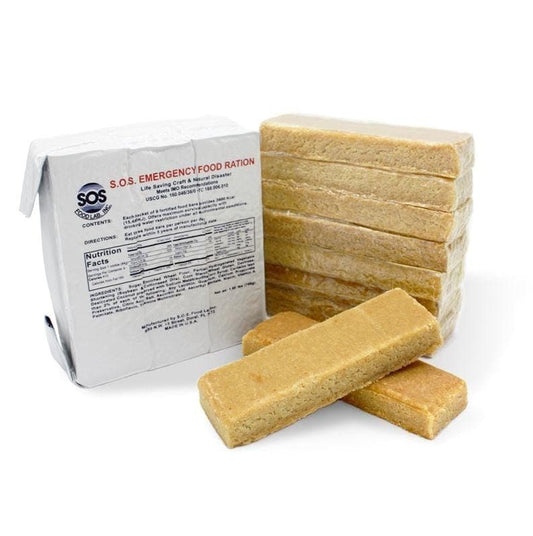
When you find yourself with emergency food ration bars, knowing how to eat them properly can make all the difference. These bars are designed to keep you energized and safe when food is scarce, but eating them the wrong way might leave you feeling uncomfortable or unsatisfied.
You want to get the most out of every bite, especially when every calorie counts. You’ll discover simple tips and smart strategies to enjoy your emergency food ration bars effectively. Keep reading, and you’ll be ready to handle any situation with confidence and ease.
Choosing The Right Ration Bar
Choosing the right emergency food ration bar is crucial for staying energized and healthy during unexpected situations. Not all bars are created equal, and selecting one that fits your needs can make a big difference. Understanding the types, nutritional content, and storage options will help you make an informed choice.
Types Of Emergency Bars
Emergency ration bars come in various forms, each designed for different purposes and tastes. Some are high-calorie bars meant to sustain energy for long periods, while others focus on providing balanced nutrition with vitamins and minerals.
- High-calorie bars:Typically dense and heavy, ideal for intense physical activity or survival situations.
- Balanced nutrition bars:Provide a mix of protein, carbs, and fats, along with essential vitamins.
- Specialized bars:Gluten-free, vegan, or allergy-friendly options to suit dietary restrictions.
Think about your personal needs and preferences before picking a bar. Have you ever tried a bar that left you feeling hungry shortly after? Choosing the right type can prevent that.
Nutritional Content To Consider
Look closely at the nutrition label to ensure the bar meets your energy and health requirements. Calories are important, but also consider protein, fiber, and sugar levels.
| Nutrient | Why It Matters | Recommended Amount |
|---|---|---|
| Calories | Energy to keep you going | 200-300 per bar |
| Protein | Supports muscle repair and satiety | 8-15 grams |
| Fiber | Aids digestion and keeps hunger at bay | 3-5 grams |
| Sugar | Quick energy but avoid excess | Less than 10 grams |
Have you checked sugar content in your current emergency bars? Too much can cause energy crashes when you need steady fuel.
Shelf Life And Storage
Emergency bars should last long without losing taste or nutrition. Most come with a shelf life of 5 years or more, but storage conditions can affect this.
- Store bars in a cool, dry place away from direct sunlight.
- Keep them sealed until needed to maintain freshness.
- Check expiration dates regularly and rotate stock to avoid waste.
I once stored bars in a hot garage and found they melted and lost texture. Proper storage matters more than you might think.
What’s your current storage setup? Could it be improved to extend your emergency supplies’ usability?

Credit: trueprepper.com
Preparing To Eat Ration Bars
Preparing to eat emergency food ration bars is more than just opening a package and taking a bite. It requires a few key checks and considerations to make sure you get the most out of these lifesaving snacks. Before you eat, take a moment to evaluate the condition of the bars and your own needs.
Checking Packaging And Expiry
Always inspect the packaging first. Look for any tears, holes, or signs of water damage that could compromise the bar’s safety.
Next, check the expiry date printed on the package. Eating expired ration bars can lead to unpleasant tastes or even digestive issues.
Keeping a stock rotation system can help you avoid expired bars. Have you ever opened a bar only to find it stale? That’s why checking packaging and expiry is critical.
Hydration Needs
Ration bars are dense and often quite dry. Drinking water while eating them helps digestion and prevents dehydration.
Plan your water supply carefully, especially if you are in a survival situation. Lack of water can make these bars hard to swallow and less effective as energy sources.
Think about how much water you carry and how much you’ll need to stay hydrated while consuming ration bars. Could you eat a bar without water? How would that feel?
Portion Control
Ration bars are designed to provide a certain number of calories per serving. Eating the entire bar at once might be too much or too little depending on your energy needs.
Break the bar into portions if you want to stretch your supply. Save some for later rather than eating it all in one go.
Consider your activity level and hunger before deciding how much to eat. Have you ever felt sluggish after eating too much at once? Portion control can keep your energy balanced and steady.
Eating Techniques For Efficiency
Eating emergency food ration bars efficiently can make a difference in survival situations. Knowing how to consume them correctly helps maximize their benefits. This section offers practical tips for eating these bars with ease and effectiveness.
Bite Size Tips
Break the bar into smaller pieces. It makes chewing easier. Smaller bites also aid in better digestion. This helps your body absorb nutrients more efficiently.
Chewing And Digestion
Chew each piece thoroughly. This aids digestion and nutrient absorption. Proper chewing signals your body to prepare for digestion. It reduces the risk of digestive discomfort.
Combining With Other Foods
Pair ration bars with other foods for variety. Some fruits or nuts can complement the bars. This adds flavor and texture to your meal. It also enhances nutritional intake and keeps meals interesting.

Credit: 72hours.ca
Maximizing Energy And Nutrition
Maximizing energy and nutrition from emergency food ration bars is crucial, especially when you rely on them during unexpected situations. These bars are designed to provide a quick source of fuel, but understanding how to use them effectively can make a big difference in your stamina and overall well-being. Let’s look at practical ways to get the most out of every bite.
Balancing Macronutrients
Emergency ration bars often have a mix of carbohydrates, proteins, and fats, but the balance varies by brand. Carbs give you fast energy, protein helps maintain muscle, and fats provide long-lasting fuel. Check the nutrition label to see what you’re getting.
If a bar is heavy on carbs but low on protein, consider pairing it with a small portion of nuts or jerky to balance your intake. This simple adjustment can keep your energy steady and prevent crashes. Have you noticed how some bars leave you feeling hungry sooner than others? That’s usually because of an imbalance in macronutrients.
Using Ration Bars In Meal Planning
Ration bars shouldn’t replace all your meals but can fill gaps when cooking isn’t possible. Use them as snacks between meals or as emergency breakfast options. This way, you avoid over-relying on them and missing out on fresh foods when available.
Try breaking bars into smaller pieces to stretch their use over several hours. This approach keeps your energy up without overwhelming your digestive system. When was the last time you felt sluggish after eating a whole bar at once? Smaller portions can prevent that.
Supplements To Enhance Nutrition
While ration bars are nutrient-dense, they might lack certain vitamins or minerals you need for longer-term survival. Adding a simple multivitamin can cover these gaps. Don’t forget water—hydration is key for nutrient absorption and energy.
You can also include electrolyte tablets or powders if your situation involves heavy sweating or dehydration. These small additions can significantly improve how your body uses the energy from ration bars. What supplements do you keep handy in your emergency kit?
Handling Common Challenges
Eating emergency food ration bars might seem straightforward, but handling common challenges can make a big difference in your overall experience. These bars are designed to last and sustain, not necessarily to delight your taste buds every time. Understanding how to manage issues like dryness, limited water availability, and taste fatigue will help you stay nourished and mentally strong during emergencies.
Dealing With Dryness
Emergency ration bars often feel dry, which can make chewing tough and leave you thirsty. To soften them, try breaking the bar into smaller pieces and letting them sit in your mouth for a moment before chewing.
You can also moisten the bar with a little water or any available liquid. This simple step helps ease swallowing and improves digestion.
Managing Limited Water
Sometimes, water may be scarce, making it harder to eat dry bars comfortably. In such situations, ration your water carefully, saving a small sip to accompany each bite of the bar.
If you have access to snow or ice, letting it melt slowly in your mouth can help hydrate you while you eat. This tactic not only aids swallowing but also keeps your mouth from feeling parched.
Overcoming Taste Fatigue
Eating the same emergency bar repeatedly can become monotonous, leading to taste fatigue. To keep things interesting, try combining small amounts of the bar with nuts, dried fruits, or even a sprinkle of salt if you have it.
Changing the texture and flavor profile can refresh your palate and make the bars more enjoyable. Have you noticed how just a tiny addition can change your whole eating experience?

Credit: www.amazon.ca
Storing And Maintaining Ration Bars
Storing and maintaining ration bars properly keeps them fresh and ready for emergencies. Ration bars last longer and stay nutritious when stored correctly. Careful storage helps avoid spoilage, moisture, and pests. Regular checks ensure your stock remains reliable for urgent use.
Ideal Storage Conditions
Store ration bars in a cool, dry place away from sunlight. Heat and humidity shorten their shelf life. Avoid places near heaters, windows, or damp basements. Use airtight containers to protect bars from moisture and insects. Keep the storage area clean and well-ventilated.
Rotating Stock
Use the first-in, first-out system for your ration bars. Always eat the oldest bars first. Replace eaten bars with new ones to keep the supply fresh. Mark the purchase date on each package. Regular rotation prevents expired or stale bars.
Emergency Kit Integration
Include ration bars in your emergency kit for quick access. Pack them in a waterproof bag or container. Keep the kit in an easy-to-reach spot at home or in your car. Check the bars’ condition every six months. Update the kit by swapping out old bars with fresh ones.
Frequently Asked Questions
What Are Emergency Food Ration Bars?
Emergency food ration bars are compact, high-calorie snacks. They provide essential nutrients and energy during disasters or survival situations. These bars have a long shelf life and are easy to carry. They help maintain strength when regular food is unavailable.
How Should I Eat Emergency Food Ration Bars?
Eat emergency food ration bars directly from the package. They do not require cooking or preparation. Consume small portions to manage hunger and energy levels. Drink water alongside to aid digestion and hydration. Avoid eating too quickly to prevent discomfort.
Can Emergency Food Ration Bars Replace Regular Meals?
Emergency food ration bars can temporarily replace regular meals. They provide essential calories and nutrients but lack variety. Use them only during emergencies or short-term situations. For long-term health, balanced meals with fresh foods are necessary. Bars are not meant for daily diet.
How Long Do Emergency Food Ration Bars Last?
Emergency food ration bars typically last 5 to 10 years. Proper storage in a cool, dry place extends shelf life. Avoid exposure to heat, moisture, or direct sunlight. Always check expiration dates before consumption. Rotate stock regularly to ensure freshness.
Conclusion
Emergency food ration bars provide quick energy when needed most. Keep them dry and store in a cool place. Eat small bites slowly to avoid stomach trouble. Drink water alongside to help digestion. Always check the expiration date before eating.
Practice eating them before an emergency occurs. This helps your body adjust to the taste and texture. Being prepared brings peace of mind and safety. Simple steps make emergency food easy to handle. Stay ready and stay safe with these tips.