Imagine finding yourself alone in the wild, with no shelter to protect you from the elements. What would you do?
Knowing how to make a survival shelter can be the difference between staying safe and facing serious danger. You’ll discover simple, step-by-step methods to build a shelter using natural materials around you. Whether you’re an outdoor enthusiast or just want to be prepared, learning these skills will give you confidence and peace of mind.
Keep reading, because your safety in the wild depends on what you do next.

Credit: www.youtube.com
Choosing The Right Location
Choosing the right location is the first step in building a survival shelter. The site affects your safety, comfort, and shelter durability. A good spot provides protection from the elements and hazards. Careful selection can improve your chances of staying safe and warm.
Assessing Terrain And Safety
Pick flat ground to build your shelter. Uneven or sloped terrain can cause discomfort and water pooling. Check for nearby natural windbreaks, like trees or rocks. Avoid low areas prone to flooding after rain. Clear the ground of sharp rocks, sticks, and debris that can damage your shelter or cause injury.
Considering Weather Conditions
Think about the local weather before setting up your shelter. Choose a spot sheltered from strong winds. South-facing slopes often get more sun, which helps keep warm. Avoid places where cold air pools, such as valleys. Make sure the site drains well to prevent water buildup during rain.
Avoiding Hazards
Stay clear of dangerous natural features. Avoid areas near dead trees or large branches that could fall. Steer away from animal trails or dense bush that might hide predators. Do not build close to rivers or lakes that may flood quickly. Look out for insect nests or poison plants to keep safe and comfortable.

Credit: www.youtube.com
Selecting Shelter Types
Selecting the right type of shelter can make a huge difference in your comfort and safety while surviving in the wild. The choice depends on the environment, the materials you have, and how much time you can spend building. Think about what you need most: protection from rain, wind, cold, or maybe just a quick refuge for the night.
Natural Shelters
Natural shelters like caves, rock overhangs, or dense thickets can save you time and effort. These spots provide immediate protection from wind and rain without needing construction. But always check for signs of animals or instability before settling in.
Have you ever stumbled upon a natural shelter and felt an instant sense of safety? That’s the power of using what nature already offers.
Debris Huts
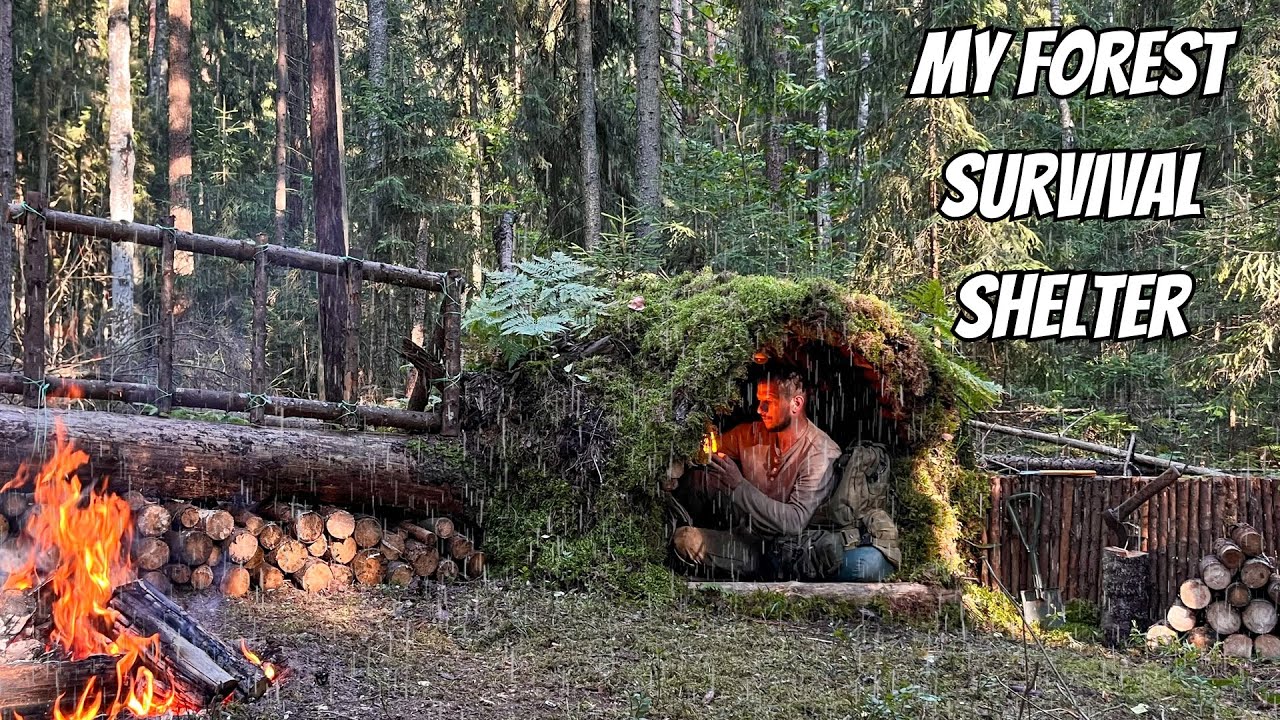
Debris huts use leaves, branches, and other forest floor materials to create insulating walls. You build a simple frame with sticks, then pile debris thickly to trap heat inside. This type of shelter is excellent for cold weather if you layer the debris well.
Try to gather dry materials and pack them tightly around your frame. It’s amazing how warm a well-made debris hut can keep you, even as temperatures drop.
Lean-tos
Lean-tos are quick shelters built by leaning branches against a support like a fallen tree or rock. They offer good protection from wind and rain on one side and are easy to customize with whatever materials you find. Lean-tos work well if you need a fast shelter but want something sturdier than just a tarp.
Ask yourself: is the wind mostly coming from one direction? Position your lean-to accordingly to block it.
Tarp Shelters
Tarp shelters are lightweight and versatile, perfect if you carry a tarp in your survival gear. You can set them up in many shapes—A-frame, lean-to, or flat roof—depending on your needs and available supports. Remember to secure your tarp tightly to avoid noise and water pooling during rain.
One tip I learned is to always scout for strong anchor points like trees or rocks before you start. Would a tarp shelter fit your survival style, or do you prefer building with natural materials?
Gathering Essential Materials
Collect strong branches, leaves, and vines to build a sturdy shelter frame. Gather dry materials for insulation and protection from rain and wind. Choose items that are easy to carry and quick to assemble.
Gathering Essential Materials Building a survival shelter in the wild is a fundamental skill that could save your life. Your first task is to gather the right materials. The environment around you is a treasure trove of resources if you know where to look. Understanding what materials are essential and how to collect them efficiently can make all the difference. Ready to learn how to gather these vital materials?Finding Wood And Branches
Wood is a cornerstone of any survival shelter. Look for dry, sturdy branches that can support weight. Fallen trees or large branches are excellent for creating a frame. If you’re in a forested area, the abundance of wood can be both a blessing and a challenge. It’s easy to get overwhelmed, so focus on gathering pieces that are easy to carry and work with.Collecting Leaves And Moss
Leaves and moss are perfect for insulation and waterproofing. They help keep the cold and moisture out of your shelter. Search for areas with plenty of fallen leaves—these are often found at the base of trees. Moss can be peeled off rocks and logs, providing a soft, natural lining for the interior of your shelter. Ever tried sleeping on a bed of moss? It’s surprisingly comfortable and warm.Using Rocks And Other Resources
Rocks can serve multiple purposes in your shelter-building process. They can be used to anchor the structure or as a makeshift wall. Choose rocks that are flat and stable to ensure safety. Don’t overlook other resources like vines for binding materials together. Even the smallest items can have significant uses, turning your shelter into a sturdy refuge. Feeling a bit like a resourceful architect yet? The wild offers everything you need if you’re willing to look closely and think creatively.Building The Framework
Building the framework is the core of a strong survival shelter. It creates the shape and support needed to protect you. A well-built framework holds the shelter steady against wind and rain. Focus on using available materials wisely and assembling them securely.
Constructing The Base
Start by clearing the ground of rocks and debris. Choose a flat, dry area to build your base. Lay down sturdy branches or logs to form the floor. Space the logs closely to create a solid platform. This base keeps you off cold, wet ground and adds stability.
Supporting Structures
Use strong, straight branches as the main supports. Arrange them in a triangular shape for better strength. Lean branches against a sturdy tree or a ridgepole for support. Make sure the supports are firmly anchored in the ground. This frame forms the skeleton of your shelter.
Securing The Framework
Tie the branches together using vines, rope, or strips of bark. Wrap bindings tightly to prevent wobbling. Double knot all connections for extra strength. Check each joint to avoid any weak points. Secure frameworks resist wind and last longer in harsh weather.
Insulating And Waterproofing
Insulating and waterproofing your survival shelter is key to staying warm and dry. A well-insulated shelter keeps body heat inside, while waterproofing stops rain and snow from soaking you. Both protect you from cold and illness in the wild.
Use natural materials that are easy to find around you. They can create effective barriers against wind, rain, and cold. Focus on layering, sealing, and blocking out moisture and drafts.
Layering Leaves And Branches
Start with dry leaves and small branches. Pile them thickly on the shelter floor for insulation. This layer traps air, which keeps the cold ground from chilling you.
Add more layers on the shelter walls. Use leaves, moss, or grass to fill gaps. Thick layers block cold air and keep warmth inside.
- Collect dry, fluffy leaves for best insulation.
- Use small branches to create a base layer.
- Compress layers lightly to hold shape.
Using Natural Waterproofing Methods
Waterproof the shelter roof with large leaves or bark. Overlap them like shingles to let water run off. Avoid gaps where rain can enter.
Use mud or clay to seal cracks and hold leaves in place. This natural seal stops water from seeping inside.
- Look for broad leaves like palm or banana leaves.
- Apply mud carefully on seams and edges.
- Replace wet materials quickly to keep shelter dry.
Creating Wind Barriers
Build walls with thick brush or fallen branches around the shelter. Dense barriers block cold wind from entering.
Stack materials tightly to avoid gaps. Use rocks or logs to hold walls steady against wind.
- Place shelter behind natural windbreaks like hills or trees.
- Fill holes with moss or grass to seal drafts.
- Keep entry low and small to reduce wind flow.

Credit: www.youtube.com
Adding Comfort And Safety Features
Adding comfort and safety features to your survival shelter is vital for lasting protection in the wild. A well-prepared shelter shields you from harsh weather and keeps you safe from potential dangers. Simple improvements can make your stay more comfortable and secure.
Focus on creating a warm, dry sleeping space. Proper airflow prevents smoke buildup and keeps the air fresh. Lastly, blending your shelter with natural surroundings hides it from unwanted attention.
Creating A Sleeping Area
Choose a flat spot inside the shelter for your sleeping area. Raise it off the ground using sticks or logs to avoid dampness and cold. Use leaves, grass, or pine needles to make a soft bed. Layer these materials thickly for extra insulation. Keep your sleeping area dry and clear of debris to stay healthy and warm.
Ventilation And Smoke Escape
Build a small opening near the top of your shelter for smoke to escape. This opening keeps air fresh and prevents suffocation. Ensure the hole is not too big to avoid losing heat. Position the ventilation hole opposite the shelter entrance to allow airflow. Cover the opening with branches or leaves to keep out rain and insects.
Camouflaging The Shelter
Use natural materials like branches, leaves, and grass to cover your shelter’s exterior. Match the surrounding environment’s colors and textures. Avoid straight lines or shiny objects that can attract attention. Place extra brush around the shelter to break its outline. Camouflaging helps protect you from wild animals and other people.
Maintaining And Repairing The Shelter
Building a survival shelter is just the start. Keeping it strong and safe is key to lasting protection. The wild changes fast. Weather shifts and natural wear can harm your shelter. Staying alert and making repairs early keeps the shelter reliable. A well-maintained shelter boosts comfort and safety.
Regular Inspections
Check your shelter every day. Look for loose branches or holes. Watch for signs of wear in the roof and walls. Inspect the ground around the shelter for water buildup. Clear away debris that may block ventilation. Early checks stop small problems from growing.
Fixing Damage
Fix breaks and holes right away. Use nearby materials like sticks and leaves. Replace broken branches with fresh ones. Patch holes with mud or moss to keep out wind and rain. Tighten loose parts by tying or wedging them firmly. Quick repairs keep the shelter strong and dry.
Adapting To Changing Conditions
Adjust your shelter as seasons change. Add insulation for cold nights using extra leaves or grass. Remove layers during hot days to improve airflow. Raise the shelter floor if water rises. Change the shelter’s shape to shield against new wind directions. Adaptation ensures comfort and protection in all weather.
Survival Tips For Shelter Building
Building a survival shelter is a top priority in the wild. It protects from weather, insects, and animals. Good shelters keep you warm and dry. Use simple strategies to build a strong shelter fast. These survival tips help you stay safe and comfortable.
Prioritizing Shelter In Survival
Shelter is one of the most important survival needs. It protects your body from cold, rain, and wind. Without shelter, your risk of hypothermia rises quickly. Find a safe spot before dark. Use natural features like trees or rocks for protection. Focus on building shelter before searching for food or water.
Time Management
Time is critical when building shelter. Work quickly but carefully. Use daylight hours wisely. Gather materials first, such as branches, leaves, and bark. Build a frame, then add insulation. Avoid rushing to prevent mistakes. Rest if tired, but keep moving until shelter is done.
Staying Calm And Resourceful
Staying calm helps clear your mind and plan better. Panic wastes energy and time. Use what you find around you. Look for strong branches and dry leaves. Think about shelter shape and size. Adapt to your environment and available resources. Creativity can turn simple materials into a solid shelter.
Frequently Asked Questions
What Materials Are Best For A Survival Shelter?
Natural materials like branches, leaves, and bark work best. Use dry wood for structure and leaves for insulation. Avoid wet or rotten materials to ensure durability and warmth.
How Do I Choose A Good Shelter Location?
Pick a flat, dry area away from hazards. Avoid low spots prone to flooding. Look for natural windbreaks and nearby resources like water and firewood.
How Long Does It Take To Build A Survival Shelter?
A simple shelter can take 1-3 hours depending on skill. More complex shelters may take longer. Prioritize quick construction to protect against the elements.
How Can I Keep Warm Inside A Survival Shelter?
Insulate with leaves, grass, or pine needles. Use a small fire outside for warmth but keep it safe. Wear dry clothes and stay off cold ground.
Conclusion
Building a survival shelter takes patience and care. Choose a safe spot and use natural materials. Keep your shelter strong against wind and rain. Stay warm and dry to protect your body. Practice these skills to feel more confident outdoors.
Remember, shelter is key to staying alive in the wild. Small steps make a big difference. Prepare well, stay calm, and trust your skills. Survival is about making smart choices every day. Keep learning and stay safe on your adventures.